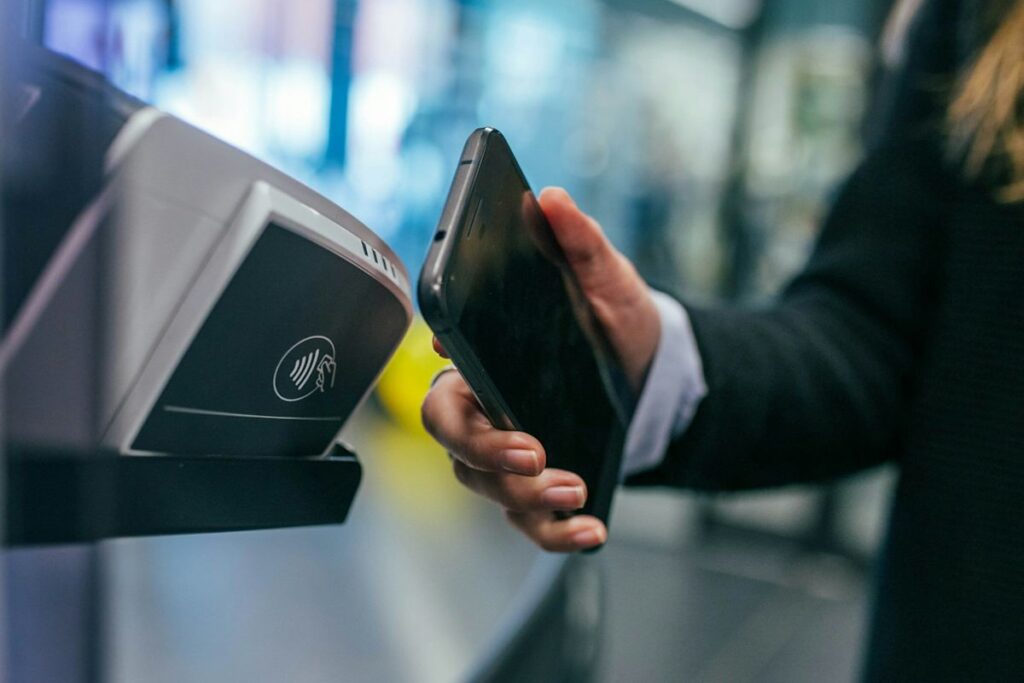


Somewhere between the last paper ticket and the first QR code, the way we pay while traveling changed. In some countries, a thick fold of banknotes now does less for a visitor than a charged phone and a contactless card.
Cashless doesn’t mean the same thing everywhere, though. Some places run on cards, some on mobile apps, and a few still keep cash around for people who need it. Here are seven destinations where paying without notes and coins is the normal way to get through the day.
Sweden: The Country That Taught Europe to Tap
Sweden: The Country That Taught Europe to Tap (Image Credits: Pexels)
Sweden is the usual reference point for cash decline. In the Riksbank’s 2025 survey, 5 percent of people said they paid cash for their last in store purchase, compared with 10 percent in 2023.[1] Meanwhile, Sweden and Norway have the lowest amount of cash in circulation as a share of GDP in the world.[2]
Advertisement
Advertisement
Locals lean on Swish, which is by far the largest instant payment service in Sweden.[3] The app is built around Swedish bank accounts, so a visitor is better off with a contactless card or a phone wallet. Cash isn’t banned either: 71 percent of businesses in retail, restaurants and hairdressers still accept it[4], and almost half of survey respondents see the decline in cash use as somewhat or very negative.[1]
Norway: Cards at Nearly Every Counter
Norway: Cards at Nearly Every Counter (Image Credits: Pixabay)
Norway pushes the same idea even further. The 2025 survey shows that the public uses cash for 2% of their payments.[5] The average number of card transactions per inhabitant, including payments and cash withdrawals, was 595 in 2025, compared with 572 in 2024.[6]
Cash machines are getting rarer too. Norway had 1028 ATMs in 2025, down from 1129 in 2024.[6] That makes a plan to withdraw notes on arrival a little shaky, and a card that works abroad far more useful.
Denmark: Mobile Payments Take the Lead
Denmark: Mobile Payments Take the Lead (Image Credits: Unsplash)
In Denmark, the shift shows up in the shop checkout. Danmarks Nationalbank reports that almost nine out of ten payments in physical stores were digital in 2023, and mobile payments are used for roughly one in three in store payments.[7] That puts phones firmly alongside plastic.
Advertisement
Advertisement
The wider Nordic picture matches what travelers tend to notice. Cash is rarely used, and most goods and services are paid for by card.[8] A physical card or a phone wallet set up before departure is usually all you need for cafes, trains and shops in Copenhagen.
Iceland: Among the Lowest Cash Shares in the Nordics
Iceland: Among the Lowest Cash Shares in the Nordics (Image Credits: Pexels)
Iceland rarely gets the headlines Sweden does, yet the numbers are striking. A Norges Bank report on Nordic payments found that the share of in store cash payments ranges from 2 to around 10 percent across the region, with the lowest shares in Iceland and Norway.[8] The same report calls Iceland and Norway the most card intensive of the group.
The habit is part of a broader pattern. The Nordics consistently rank at the top of surveys measuring European digitalisation levels.[8] For a visitor, that translates into a simple routine: tap a card or phone and carry on to the next waterfall.
The Netherlands: Debit Cards Do the Heavy Lifting
The Netherlands: Debit Cards Do the Heavy Lifting (Image Credits: Pexels)
In the Netherlands, everyday shopping revolves around the debit card, which locals call pinnen. Plenty of shops, cafes and ticket machines are set up for cards first, and some businesses accept nothing else. I couldn’t find fresh national figures for this piece, so treat that as a general travel observation rather than a statistic.
Advertisement
Advertisement
Visitors with a contactless Visa or Mastercard debit card generally have the easiest time. Small independent businesses and market stalls can be less predictable, so a little spare cash is a sensible backup. It’s a gentler version of cashless than the Nordic countries, and an easy first step for anyone nervous about going without notes.
South Korea: Cashless Buses, Shrinking ATMs
South Korea: Cashless Buses, Shrinking ATMs (Image Credits: Unsplash)
South Korea moves quickly, and the change is visible on public transport. In April 2026, 180 of Seoul’s 394 bus routes operated without cash.[9] Banks are following: the number of bank ATMs nationwide stood at around 24,700 in June, a decrease of 4,600 in less than four years.[10]
Cash hasn’t vanished from daily life, though. Individuals spent an average of 324,000 won a month in cash, or 17.4 percent of total spending[11], which is roughly one sixth. Among people aged 70 and older that figure reached 32.4 percent[9], and 45.8 percent of those surveyed opposed a cashless society.[11] Travel guides also warn that foreign cards can hit snags at small shops, markets and transit kiosks[12], so a modest cash reserve still earns its place.
China: Scan the Code and Go
China: Scan the Code and Go (Image Credits: Pixabay)
China is the clearest case of an economy that moved to mobile payment. For years, visitors were locked out, but in 2023 WeChat Pay and Alipay announced that foreign users could pay at Chinese retailers by linking foreign credit cards, including Visa, Mastercard and Discover.[13] Before that, using the apps required a local bank account.[13]
Advertisement
Advertisement
Setup takes a little care. Foreign card accounts have spending limits of roughly 6,000 yuan per month, which covers most trips[14], and Alipay is easier for tourists, with an English interface and transit codes.[15] Cash still has a role as insurance, and one guide suggests keeping around 100 RMB in cash just in case.[16]
Before You Pack
Before You Pack (Image Credits: Unsplash)
Across these seven destinations, the best preparation is a phone wallet, a contactless card with no foreign transaction surprises, and a quick check of your bank’s travel settings. Download Alipay before landing in China, and carry a small cash reserve in South Korea and the Netherlands. In the Nordics, the card in your pocket will do nearly all the work.
Source link