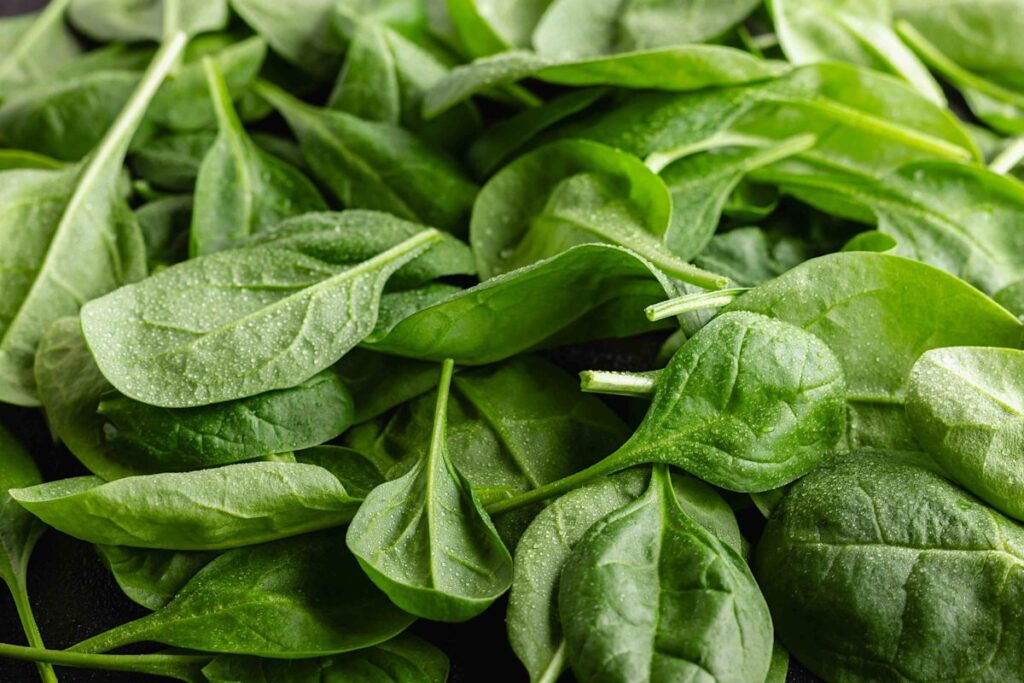
Fresh spinach is so versatile that it’s no wonder it’s a staple in many refrigerators. Sauté it with garlic and olive oil. Make a spinach salad with warm bacon dressing. Use it in a quiche or an omelet, or make Buttermilk Alfredo Chicken spinach Pasta. The leafy green vegetable is loaded with vitamins and minerals, including vitamin C, magnesium, iron, and vitamin B6.
Of course, the key to using fresh spinach in all of these wonderful ways is to maintain its freshness once you’ve brought it back from the store.
Southern Living checked in with Chef Paul Pszybylski, the vice president of culinary innovation at California Pizza Kitchen. The American casual dining chain specializing in pizza, has locations in North Carolina, Florida, Texas, Georgia, and Louisiana, and regularly uses fresh spinach in its menu items. During his time at CPK as it’s often fondly referred to and throughout his culinary career, Chef Pszybylski has lots of experiencing working with fresh produce.
Here’s what the the Le Cordon Bleu College of Culinary Arts graduate has to say about storing spinach to keep it fresh longer.
How Should Fresh Spinach Leaves Be Stored?
First things first: Don’t even think about storing your fresh spinach until you’ve washed it thoroughly. Ensuring it’s clean is crucial, says Pszybylski.
The chef likes to wash the leaves before placing them in a salad spinner to dry. Once he’s assured the leaves are dry, he stores them in a simple Ziploc bag.
Unlike other food items that you might seal tightly, getting as much air out as possible, with spinach, the key, says Pszybylski, is to make sure the bag is filled with air. “This is important so [the leaves] stay fresh” and will also help prevent bruising, he explains. Store the bag in your produce drawer.
Washing Techniques
Fresh spinach is delicious—so long as it doesn’t contain any dirt or sand granules! To ensure you’re ridding fresh spinach of any little, unappetizing particles, you need to wash the leaves properly. Bagged lettuce clearly labeled “washed” or “triple washed” does not need to be washed again. In fact, you risk cross-contaminating the already-clean greens when you wash the bagged produce again, according to the United States Department of Agriculture.
For fresh spinach that isn’t pre-bagged, here’s what to do:
-
Fill a large bowl with cold water
-
Add the spinach, making sure there is enough room for spinach to move around freely
-
Swish the spinach around the water, helping to loosen any debris
-
Empty the water and repeat
-
Move spinach to a salad spinner
Pszybylski stresses the importance of drying the spinach thoroughly once it’s been washed. This is because any water left lingering on the fresh spinach leaves will start to break it down. “That is why a salad spinner effectively drying the spinach after washing is very important,” says Pszybylski.
If you don’t have a salad spinner, that’s ok! Simply use a liberal amount of paper towels—or a clean kitchen towel — and wrap the spinach up, pressing gently to absorb any remaining water. Rewrap in paper towels as needed or a new towel and place in a plastic bag before storing it in your crisper drawer.
How Long Does Fresh Spinach Last?
If stored properly, as outlined above, you can expect fresh spinach to last about a week, Pszybylski says.
You’ll know it has run its course when you start to notice bruised or wilted leaves, explains Pszybylski. “When spinach has gone bad the color turns from a bright green to a darker muddier color,” says the chef.
Read the original article on Southern Living