Middle age often heralds the age of the expanding middle, which is why almost four in 10 adults aged between 50 and 64 actively attempt to lose weight, according to research published in the BMJ in 2024.
And there is good reason to try. New research suggests that losing weight in middle age improves long-term health, potentially offsetting damage caused by decades of excess weight.
Researchers at University College London (UCL) analysed data from more than 6,000 British adults, tracking changes in their weight from early adulthood and examining their cardiovascular and metabolic health at the age of 62. The researchers found that overweight participants who lost at least 5 per cent of their body weight in their early to mid-50s and kept it off had similar levels of cholesterol, blood pressure and inflammatory markers to those who had maintained a healthy weight throughout adulthood.
Advertisement
Advertisement
But by the time most people reach their 50s, they’ve likely already attempted several diets, often with disappointing results. Ageing can bring additional challenges, particularly for women, as falling oestrogen levels during menopause encourage fat to accumulate around the waist.
So how do you lose those extra pounds and keep them off?
Nutrition
Priya Tew, specialist dietitian at Dietitian UK and author of The Dash Diet, advises eating smarter, not eating less. She says losing weight in your 50s isn’t simply about cutting calories. Common mistakes include skipping meals, cutting out carbohydrates and eating too little protein.
“Some of the biggest nutritional mistakes I see are going without food during the day and saving up for the evening, then feeling really hungry by mid-afternoon,” she says.
Advertisement
Advertisement
She recommends three regular meals, each containing protein, carbohydrates and plant foods. Vegetables, beans, lentils and wholegrains help maintain fullness and lower cholesterol, while protein preserves muscle.
“The evidence consistently points towards a Mediterranean style of eating,” Tew says. “Quality really matters. Key nutrients to prioritise are protein, fibre, calcium and vitamin D, and omega-3s.”
Alcohol is another consideration. It is calorie-dense, stimulates snacking and disrupts sleep, potentially increasing appetite the following day.
“You don’t have to cut it out, but it’s definitely worth thinking about having alcohol-free days in your week and moderating your intake,” Tew says.
Advertisement
Advertisement
A typical day’s food would start with Greek yogurt with oats and berries, followed by lentil soup with a wholegrain roll for lunch, and a chicken or tofu stir-fry with vegetables and brown rice for dinner. Snack on fruit with peanut butter or oatcakes with cottage cheese.
Exercise
Fraser Smith of Vive Fitness is one of London’s leading personal trainers. “One of the main hurdles people face from middle age onwards is sarcopenia, the gradual loss of muscle mass and strength,” he says, adding that injuries and aches can also accumulate.
Day-to-day activity levels also tend to decrease. All this means a decline in the physical factors that help with fat loss, such as cardiovascular capacity and strength.
“The good news is that lifestyle changes have been clinically shown to counteract much of this decline in fitness and subsequent age-related weight gain,” says Smith.
Advertisement
Advertisement
He advises introducing sensible cardiorespiratory (aerobic) exercise, such as brisk walking, cycling or swimming, to burn calories and improve the health of your heart, lungs and blood vessels.
“Combine this with strength training, whether using your own body weight at home, lifting weights at a gym or trying other approaches, such as electrical muscle stimulation (EMS) or local fitness classes. This will help increase bone density, muscle mass, strength and physical function. Done well, it will also improve your range of movement and give you the confidence to be more active,” he recommends.
For those new to exercise, he advises a gradual build-up of fitness.
He says: “If you start too aggressively, you risk burning out or injuring yourself. Push beyond your comfort zone but give your body time to adapt. Muscles, bones and ligaments all need time to strengthen. The aim should be to develop sustainable habits that last a lifetime, rather than embarking on a fitness blitz followed by an inevitable return to your old ways. Longevity awaits those who get this right.”
Clinical interventions
For some people, losing weight is more complicated than eating less and moving more. Dr Charlene Shoneye, obesity medical education lead at Lilly UK, explains that obesity can become a chronic disease in which the body’s fat tissue no longer functions properly, disrupting appetite regulation and energy expenditure. Fat can also accumulate in places it shouldn’t, including the pancreas and liver, increasing the risk of disease.
Advertisement
Advertisement
Our bodies developed powerful mechanisms to prevent weight loss because storing fat was an advantage when food was scarce. Losing weight can then trigger the body to attempt to return to its heavier weight.
“If you’ve had that weight for a long time, your body can affect certain changes that essentially push your weight back up to where it was before,” explains Dr Shoneye.
The distinction between being simply overweight and living with obesity as a medical condition isn’t straightforward. A GP or practice nurse can carry out an assessment. Depending on the findings, patients can be directed towards different levels of weight-management support, including specialist services and medical treatments where appropriate.
Sleep
Poor sleep can sabotage attempts to lose weight, and getting a good night’s rest can become increasingly difficult in middle age.
Advertisement
Advertisement
“As we age, the amount of deep sleep that we get during the night tends to decrease. We are also more likely to become aware of waking up during the night,” explains Dr Lindsay Browning, sleep specialist and author of Navigating Sleeplessness. “These are both natural parts of ageing and are linked to changes in circadian timing, as well as sleep pressure. They can lead to anxiety.”
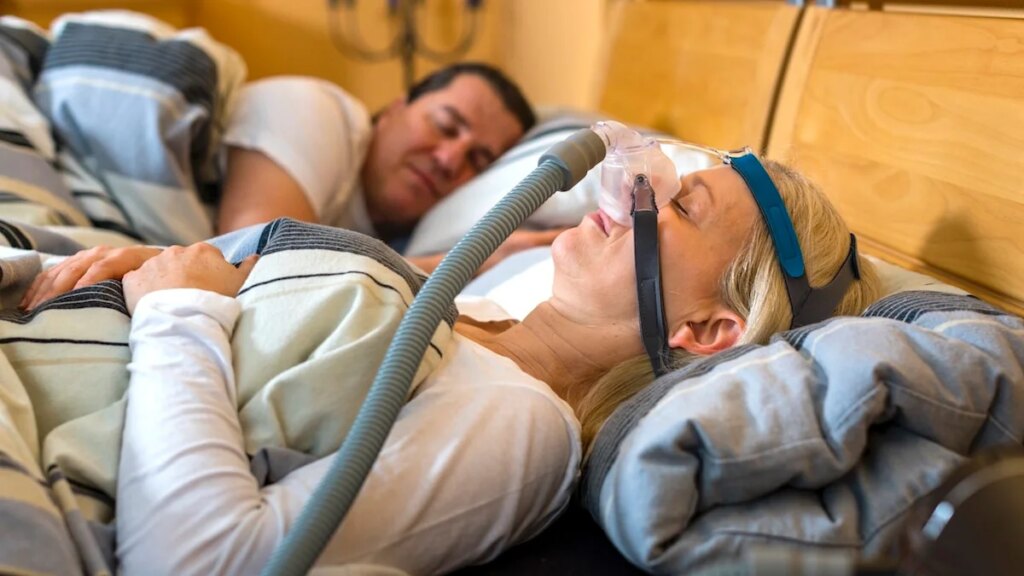
Pain, menopausal symptoms and sleep apnoea can also disrupt sleep. Sleep deprivation can affect insulin sensitivity and appetite regulation, encouraging us to eat more and choose foods high in fat and sugar. One study found that people who extended their sleep consumed 270 fewer calories a day than those who didn’t. Tiredness also reduces motivation to exercise.
Dr Browning recommends consistent sleeping and waking times, even when tired, allowing sufficient time for sleep and getting outside daily for natural daylight, which helps regulate the body’s internal clock.
Avoid compensating for poor sleep by spending longer in bed. “It doesn’t guarantee more sleep and often leads to longer spent awake in bed, frustrated and unable to sleep, which worsens the problem,” says Browning.
Advertisement
Advertisement
Afternoon naps and dozing in front of the television can also make falling asleep at bedtime more difficult. Women experiencing sleep-disrupting menopausal symptoms should seek specialist advice.
Psychology
Decades of unsuccessful dieting can leave people believing they lack willpower or simply cannot control their eating habits, explains Elle Mace, food behaviour practitioner and author of Food Freedom.
“Many people in their 50s believe they lack willpower, that they ‘always fail’, or that they can’t be trusted around food,” she says.
These negative beliefs can turn minor setbacks into perceived failures, creating a cycle of guilt, restrictive dieting and overeating. Mace recommends abandoning the mentality of either being on a diet or not, and learning to recognise the emotional triggers behind eating.
Advertisement
Advertisement
One technique is to pause for 60 seconds before reaching for food outside mealtimes and ask whether you’re physically hungry or responding to stress, boredom, tiredness or loneliness.
“You’re not banning yourself from eating. You’re simply creating a gap between the trigger and the response,” she says.
Another exercise involves challenging negative thoughts. When you catch yourself thinking you’ve ruined your diet, write the thought down and ask whether it’s true and what you would say to a friend in the same situation.
Mace also recommends shifting the psychological focus away from dramatic weight-loss targets towards small, achievable commitments.
Advertisement
Advertisement
“Aim for consistency over perfection, and judge progress by more than the scales,” she advises.
Ultimately, she says, the most important change is to stop interpreting setbacks as personal failures. “A less-than-ideal meal is simply one meal, not a reason to abandon the whole plan,” she says.
Try full access to The Telegraph free today. Unlock their award-winning website and essential news app, plus useful tools and expert guides for your money, health and holidays.
Source link