

“Hearst Magazines and Yahoo may earn commission or revenue on some items through these links.”
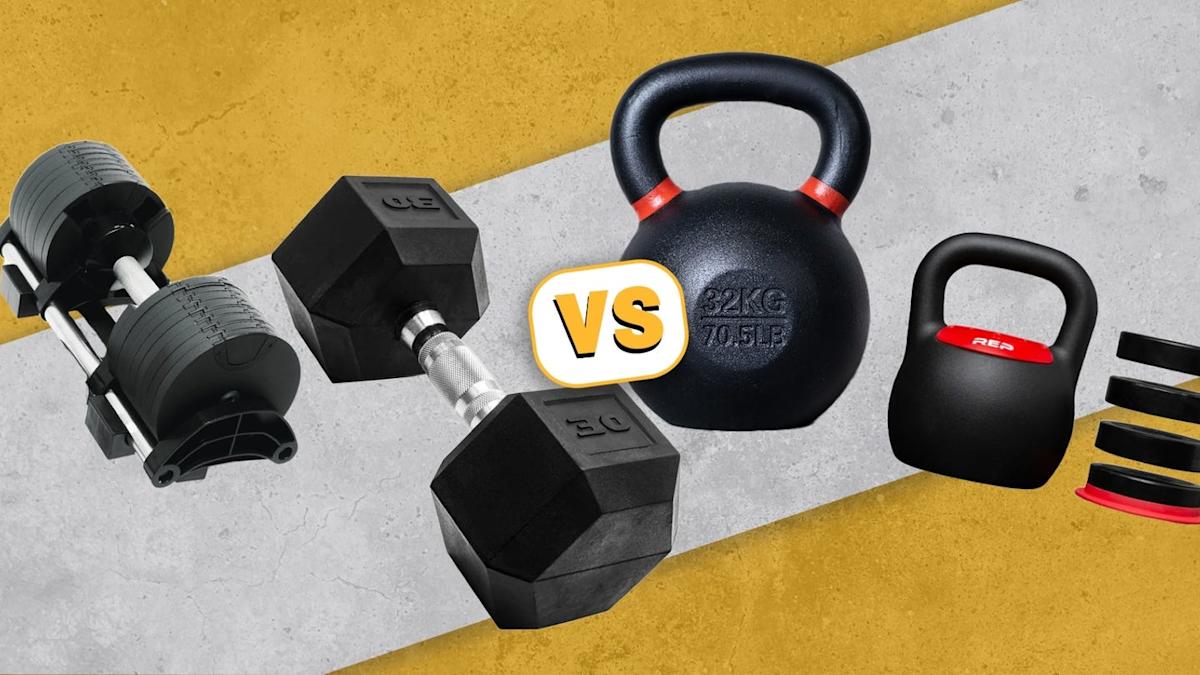
IF YOU’RE BUILDING a home gym, you need to buy something to lift. Sounds obvious, right? It may be, but you’re going to find yourself quickly wondering exactly “what should I be lifting?” For most people, the choice rightfully comes down to kettlebells vs. dumbbells—two classic weights that you’ll find in every gym you ever step foot inside.
They’re popular because they’re compact, relatively affordable, and beginner-friendly. You can learn the basics quickly and train effectively for years. But kettlebells and dumbbells each feel different in your hands and naturally steer you toward different training styles. If you’re only buying one, you should understand the differences, the trade-offs, and what each tool does best. Let’s dig in.
The Differences Between Kettlebells and Dumbbells
Kettlebells (KBs) and dumbbells (DBs) share a lot of commonalities. They’re both free weights—meaning you can move them through space without being locked into a fixed path—and they’re typically made from cast iron or steel, often with a rubber coating. For the most part, any exercise you can do with one, you can also do with the other, though the feel of the movement can change depending on the tool.
The biggest difference comes down to where the load sits, which changes how each implement behaves in your hand. Dumbbells feature a straight handle with weights balanced on each end, creating a symmetrical, stable tool that excels at controlled single plane motion lifts. Kettlebells, on the other hand, are round iron balls with a U-shaped handle on top, placing the majority of the weight either on the back of your wrist or below your grip. That offset load makes kettlebells feel less stable during presses and noticeably heavier during rows or carries because the mass hangs farther from your hand.
Kettlebells also move more freely around your hand, which allows your wrist to rotate during dynamic exercises like cleans and snatches. With dumbbells, your wrist stays essentially locked in place. You can clean or snatch a dumbbell, but most lifters find that kettlebells make these ballistic movements feel smoother, more natural, and easier to control.
What to Consider Before Buying a Kettlebell or Dumbbell
Now that you have a better understanding of the differences and similarities between these two popular training tools, let’s dig into what you should consider before buying one or the other.
Exercise Selection
There isn’t an exercise you can do with kettlebells that you can’t do with dumbbells (and vice versa). Kettlebells shine when a lift involves multiple steps—like cleans, snatches, and clean-and-jerks—because the bell rotates naturally around your hand. Of course you can use a dumbbell for those moves, but it won’t feel as smooth or fluid. And then there are swings, the signature kettlebell movement. Swinging a dumbbell feels awkward and unstable because of the shape and the fact that you need to grip either side of the head.
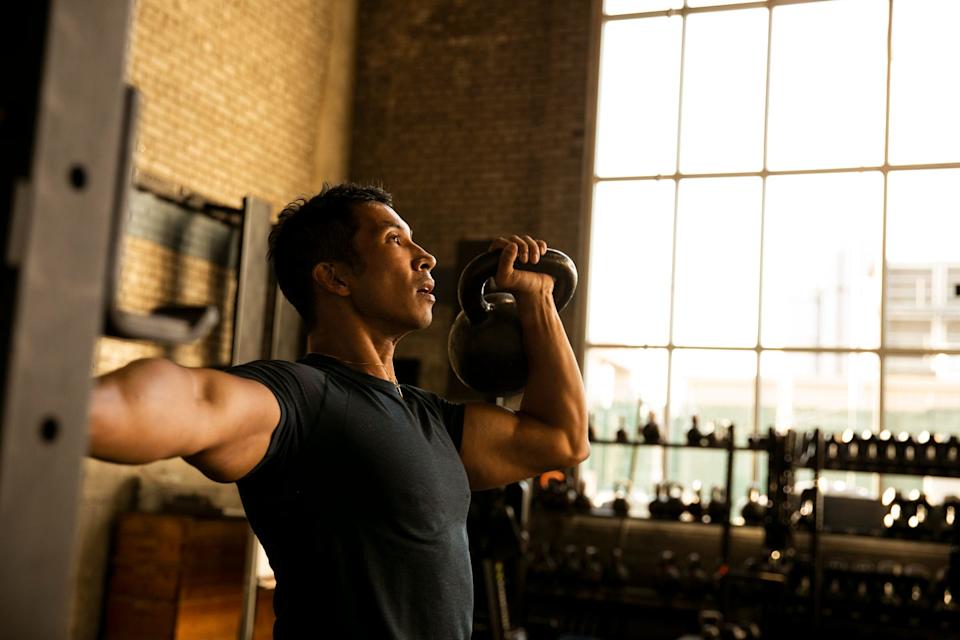
Andre L Perry – Hearst Owned
Dumbbells, on the other hand, are better for doing slower, more controlled lifting. Because the weight sits evenly on both sides of your hand, they feel stable and balanced—which is what you want for presses, rows, and classic hypertrophy work like lateral raises or curls. The load tracks cleanly from point A to point B, which makes it easier to focus on tension, form, and mechanical efficiency.
Training Style
Ultimately, how you train is going to be the deciding factor in whether you buy a dumbbell or kettlebell. They’re both free weights, but kettlebells and dumbbells are fundamentally different, and each is far superior at helping you achieve one set of goals over another.
If your primary goal is to build muscle or increase your strength, start with dumbbells. A pair of heavy adjustable models will let you perform the foundational presses, rows, squats, and hinges that drive muscle and strength gains. Hypertrophy and strength training rely on slow, controlled reps and small, consistent jumps in weight over time. Dumbbells achieve both because they feel balanced in your hands and progress in predictable increments, making it easier to overload your lifts week after week.
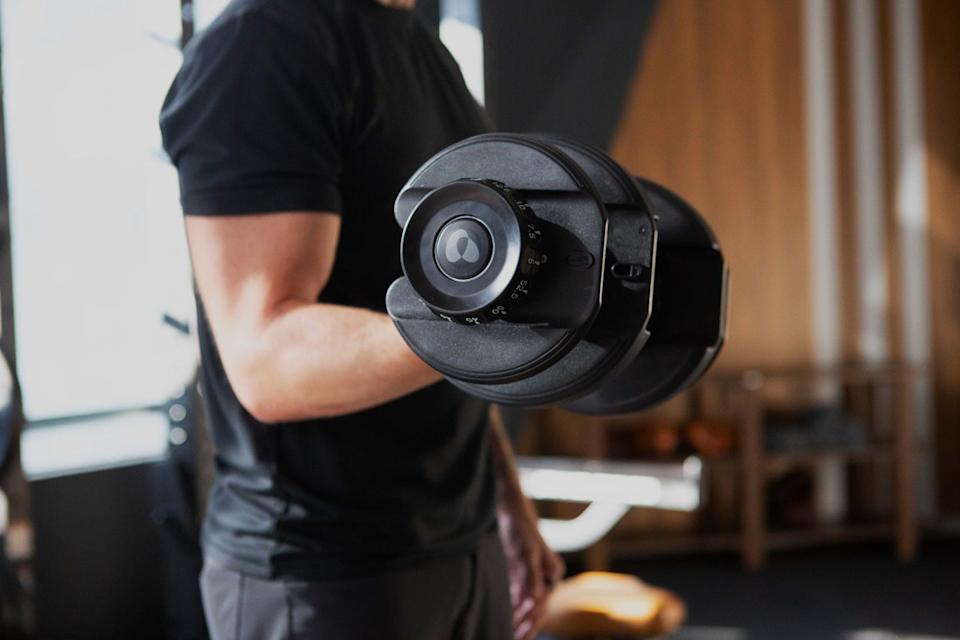
JASON SPEAKMAN
Kettlebells are the better choice if your training leans more athletic—think circuits, explosive movements, or conditioning-heavy workouts. Their design makes dynamic lifts like cleans, jerks, and snatches smoother and more natural, and they’re ideal for “flows,” where you link movements without putting the weight down. Because the bell hangs directly beneath your grip and rotates around your hand, it’s easier to transition from a squat to a row to a press in one fluid sequence.
“In general, dumbbells are your best option for strength and learning fundamental movements,” says Men’s Health Fitness Director Ebenezer Samuel, C.S.C.S. “While kettlebells are your best power option, and they also come with a steeper learning curve.”
Weight Increments
Dumbbells typically offer smaller, more predictable jumps in weight—often increasing in 2.5- or 5-pound increments—which makes it easier to progress your lifts. Kettlebells, however, are traditionally measured in kilograms (kg), so their jumps can feel a bit random. A bell might go from 12 kg (26 pounds) to 16 kg (35 pounds) to 20 kg (44 pounds), which can make progression trickier if you’re stuck between sizes.
Because kettlebells are often used for dynamic and compound lifts, those bigger weight jumps usually matter less. A bodybuilder doing a single-joint exercise like lateral raises is going to feel a seven-pound jump immediately; that same seven pounds for a kettlebell athlete moving through swings, cleans, or snatches generally feels less cumbersome. That’s why incremental progression tends to be easier with dumbbells, especially for lifters focused on building pure strength or muscle and who benefit from precise load increases.
Space and Storage
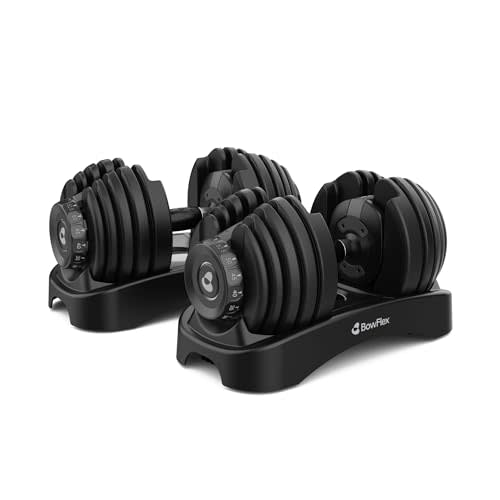
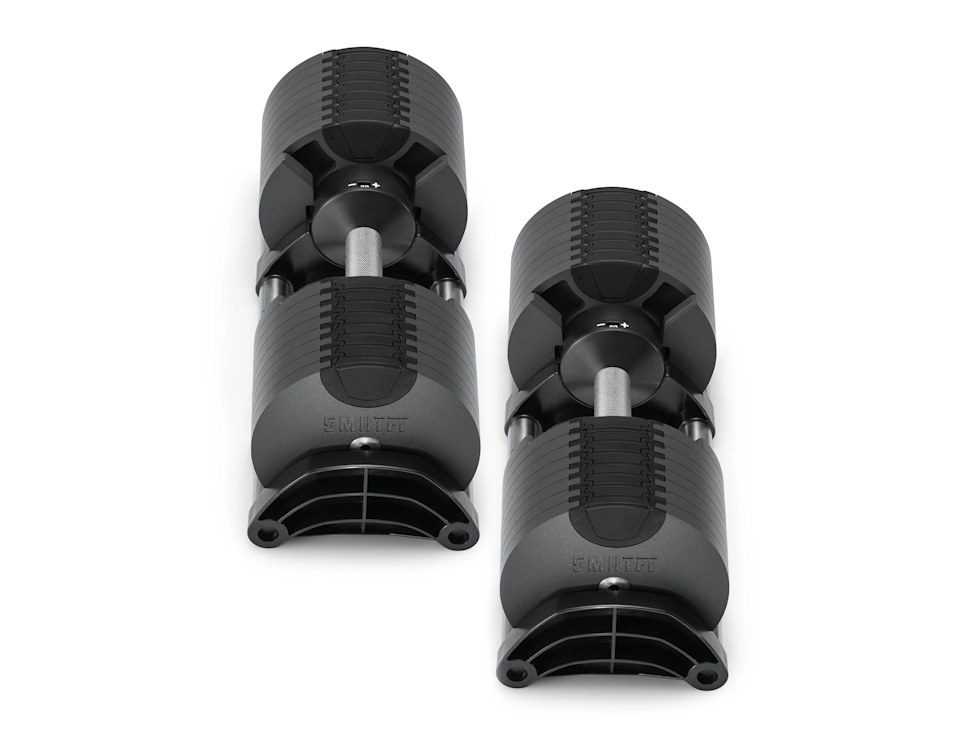
One advantage of dumbbells is that there are plenty of high-quality adjustable dumbbells available with weights ranging from 80 to 100 pounds. If you’re building a home gym in a tight space, these can replace an entire wall of fixed dumbbells while taking up roughly the footprint of a shoebox. If you opt for traditional dumbbells instead, you’ll need considerably more room—often six to ten feet of storage space—to store pairs that run up to 80 or 100 pounds.
Adjustable kettlebells do exist, but their weight ranges are usually more limited and they can feel bulkier or less balanced than traditional bells, especially during dynamic movements. If you’re serious about kettlebell training, fixed kettlebells are generally the better choice. That requires more space—and more money—but there’s a small trade-off: While dumbbells are almost always used in pairs, kettlebells are frequently used one at a time. So even if you buy six kettlebells, you’re still purchasing roughly half the total weight (and equipment volume) you’d need for dumbbell training.
Cost
Pound for pound, kettlebells and dumbbells are priced about the same, but you’ll typically spend less overall on kettlebells. Most kettlebell workouts don’t require a long list of weights; if you’re just getting started, a few mid-range bells (think 35, 45, and 53 pounds) will cover swings, cleans, snatches, and plenty of single-bell strength work. It’s also common to train with just one kettlebell at a time, and even if you prefer using pairs, three to five pairs is enough for most folks.
Dumbbells, on the other hand, add up quickly. You can buy a single dumbbell, but most traditional strength work, like presses, rows, and loaded carries, uses pairs, which means you’re paying twice as much from the start. And if your goal is building muscle or strength, you’ll need a wider spread of weights to allow for progressive overload—adding a few pounds or a rep to each lift session to session. That translates to more pairs, more total poundage, and a costlier investment.
How to Train With Your Kettlebell or Dumbbell
Whichever tool you pick, your roadmap to training looks nearly identical. Below is a quick guide to training with dumbbells and kettlebells.
Choose the Right Weight
Assuming you’re a beginner, you’re probably wondering, “What size kettlebell or dumbbell do I get”. We got you:
For Kettlebells
Start with 12 kilograms (26 pounds) if you’re brand new, or 16 to 20 kilograms (35 to 44 pounds) if you’ve done some training before. That range is heavy enough to challenge you on squats and swings, yet manageable for presses, cleans, and snatches without sacrificing form. You can always progress workouts by adding reps or trimming rest while you save for your next bell.
For Dumbbells
If you’re just starting your journey, an adjustable option like the BowFlex SelectTech 552 should bring enough weight to the equation, but if budget allows, you might want to go heavier with a model like the SMRTFT Nüobell. They offer enough weight for all the big lifts—presses, squats, rows, deadlifts—and give you room to progress smaller moves like curls and lateral raises for years.
If you’re only picking up a single pair, shoot for 20 to 30 pounds. You’ll need to push higher-rep sets to get the most from your compound lifts, but it’s still plenty of load for single-joint movements. Dip your toes before going all in.
Pick Your Exercises
There’s no single must-do movement for either tool. Most exercises can be performed with both. That said, each implement shines with a few foundational patterns. What follows are a few Men’s Health-approved movements that we think are fundamental for each respective training tool.
This kettlebell swing is a great place to start for new kettlebell users, and when it comes to the dumbbells, it doesn’t get more basic than the dumbbell curl. From there you can develop full routines with each piece, which you can also find as part of the Men’s Health MVP Program.
You don’t need to, nor should you limit yourself to these movements, but we suggest mastering them first, building confidence and control, and then broadening your exercise library.
Kettlebells We Recommend
For a full list of editor-tested options, check our Best Kettlebells Guide and our Best Adjustable Kettlebells Guide.
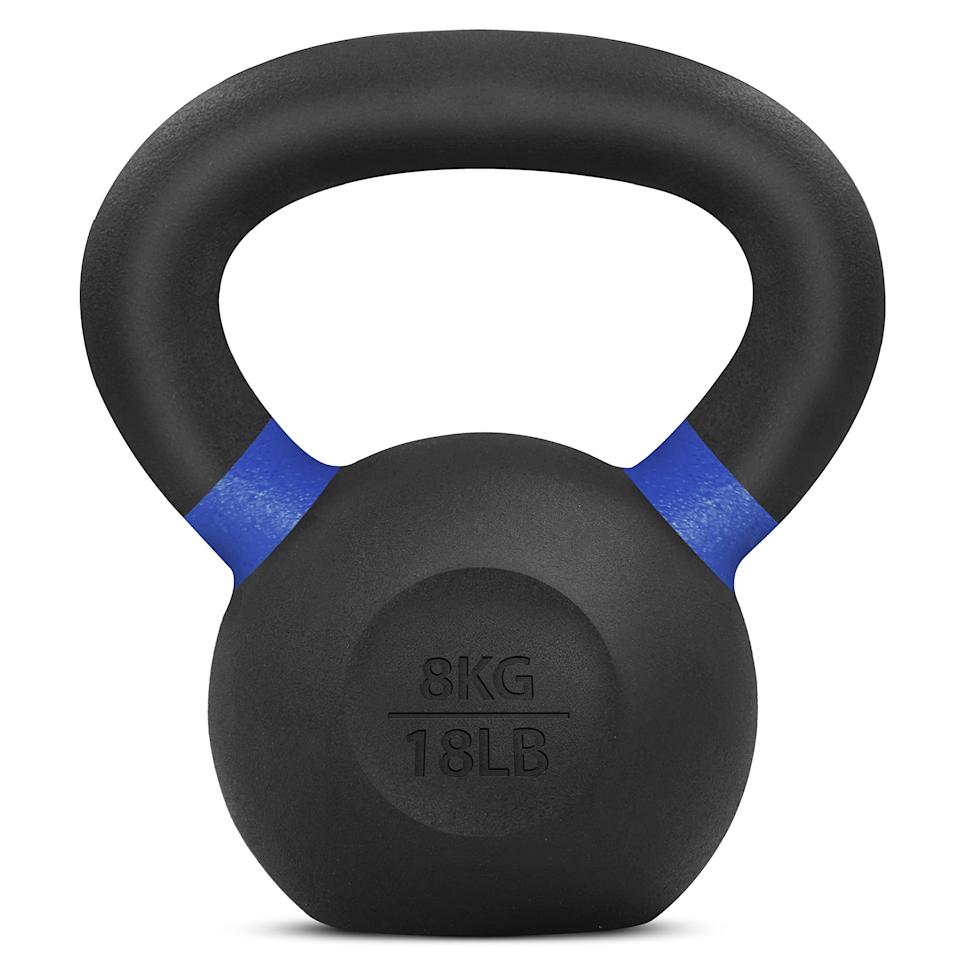
Powder Coated Cast Iron Kettlebell
Adjustable Kettlebell with Matte Powder Coating
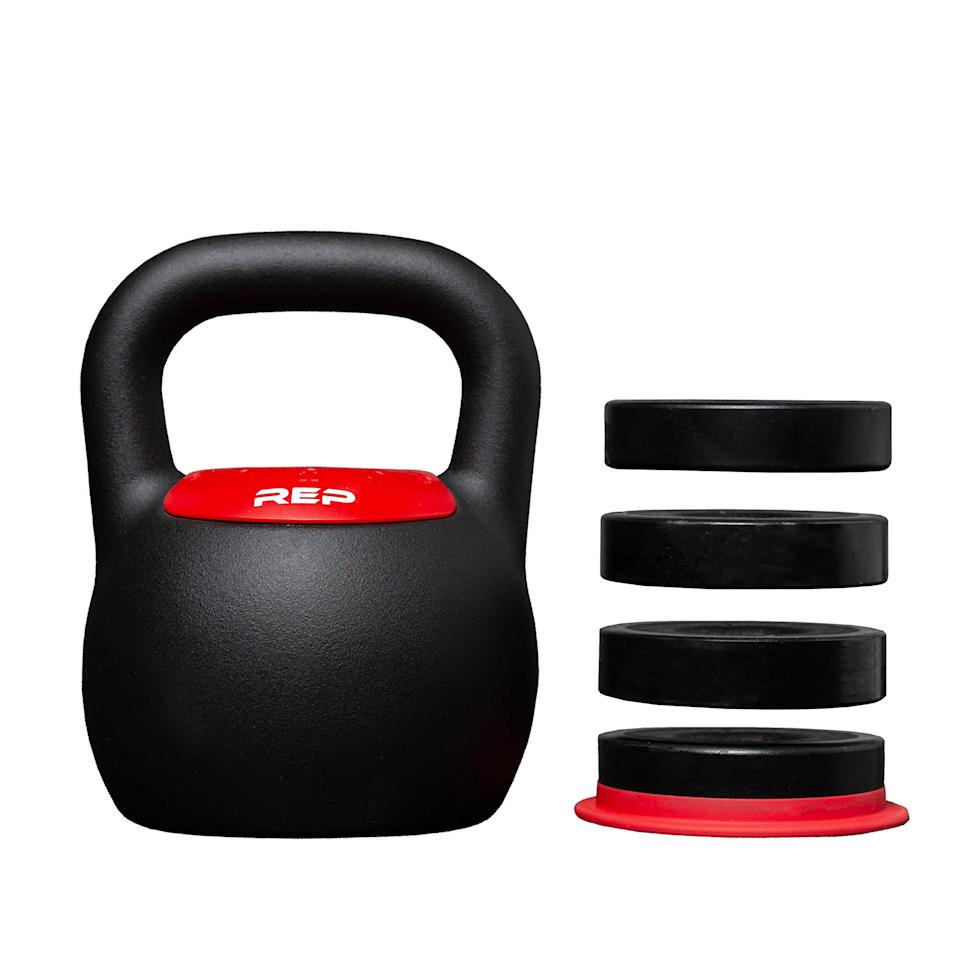
Powder Coated Cast Iron Kettlebell
Adjustable Kettlebell with Matte Powder Coating
Dumbbells We Recommend
For a full list of editor-tested option,s check our Best Dumbbells Guide and our Best Adjustable Dumbbells Guide.
Results Series 552 SelectTech (52.5 lbs)
Nüobell (80 lbs)
Hex Dumbbell (20 lbs)
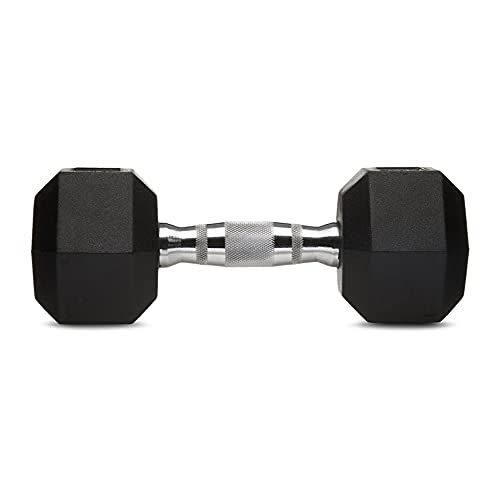
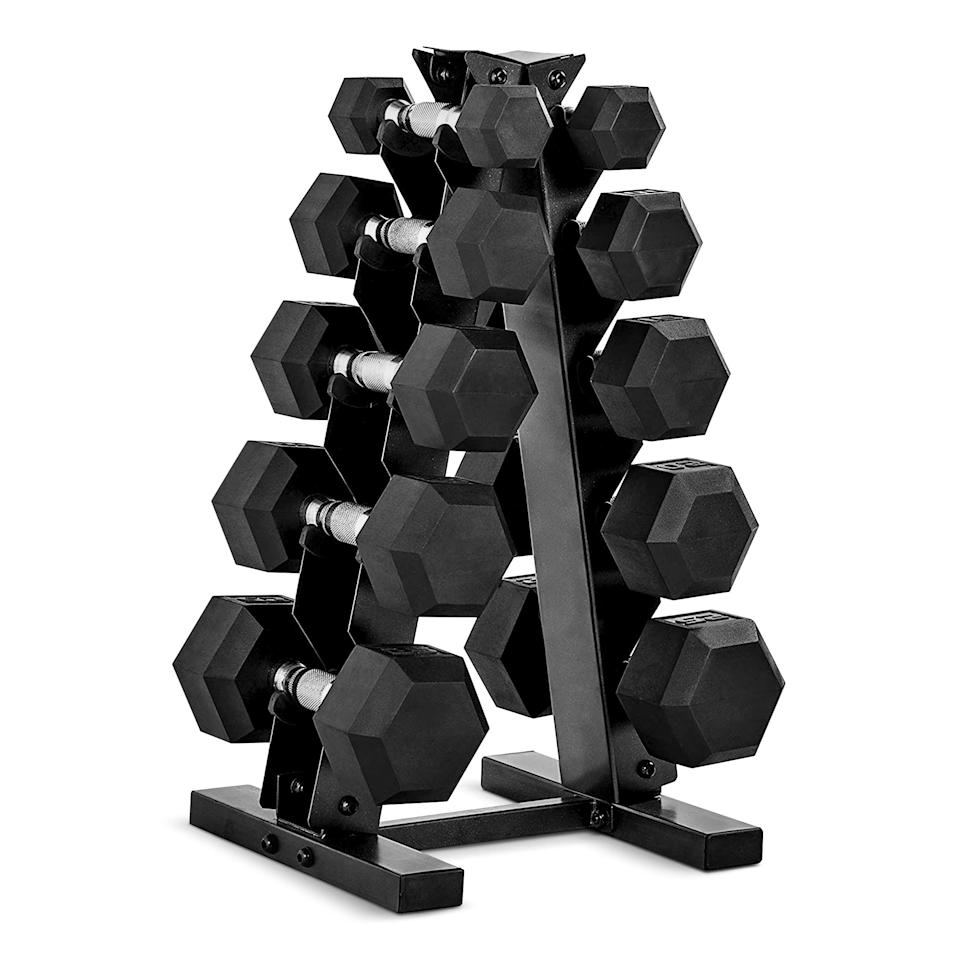
Hex Dumbbell Set with Vertical Rack (150 lb)
Progress Your Training
You don’t need to crush every single workout, but aim to do slightly more over time. Add a rep, increase the weight, slow the tempo for more control, shorten rest periods, or try to complete your circuit or flow a little faster with perfect form. Small, steady progressions are where the real gains happen.
Muscle After 40 At Home
28-Day Belly Fat Burner Workout
Weight Loss After 40
No Gym Required: Kettlebells
6-Week Lean Muscle Level-up
90-Day Transformation Challenge: Abs
Unstoppable After 40
The Lose Your Gut Guide
You Might Also Like
-
The Best Hair Growth Shampoos for Men to Buy Now
-
25 Vegetables That Are Surprising Sources of Protein