

Protein advice has gotten louder in recent years. Social media pushes high-protein everything, while longevity discussions sometimes warn against eating too much. It leaves a lot of people wondering whether they should be adding shakes — or cutting back.
The reality is simpler: protein matters more as you age, but not in the way extremes suggest.
Why Needs Change Over Time
Protein helps maintain muscle, bone, and immune function. The catch is that our bodies gradually become less efficient at using it. After midlife, the same amount of protein you ate comfortably in your 20s may no longer be enough to maintain muscle and strength.
Researchers call this anabolic resistance the body needs a stronger signal to build and repair tissue. That’s why adults, especially after 50, often benefit from slightly higher protein intake and from spreading it across meals rather than eating most of it at dinner.
This is less about bodybuilding and more about everyday function. Maintaining muscle supports balance, recovery after illness, and metabolic health — factors closely tied to healthy aging.
Where the Confusion Comes From
High-protein messaging often implies that more is always better. But the evidence doesn’t really support chasing extreme intakes.
Very low protein can accelerate muscle loss.
Very high protein doesn’t appear to add additional longevity benefit for most people. Large reviews of aging nutrition suggest moderate intake supports muscle maintenance without requiring excessive amounts of protein in older adults.
What appears to matter most is adequacy and consistency — eating enough protein regularly so the body has what it needs to maintain tissue over time.
Diet quality also plays a role. Protein works best as part of a balanced pattern that includes fiber-rich plants, healthy fats, and enough overall calories. Focusing only on protein while crowding out other nutrients misses the point.
What This Means in Practice
Instead of calculating precise numbers, a few simple habits tend to work well:
-
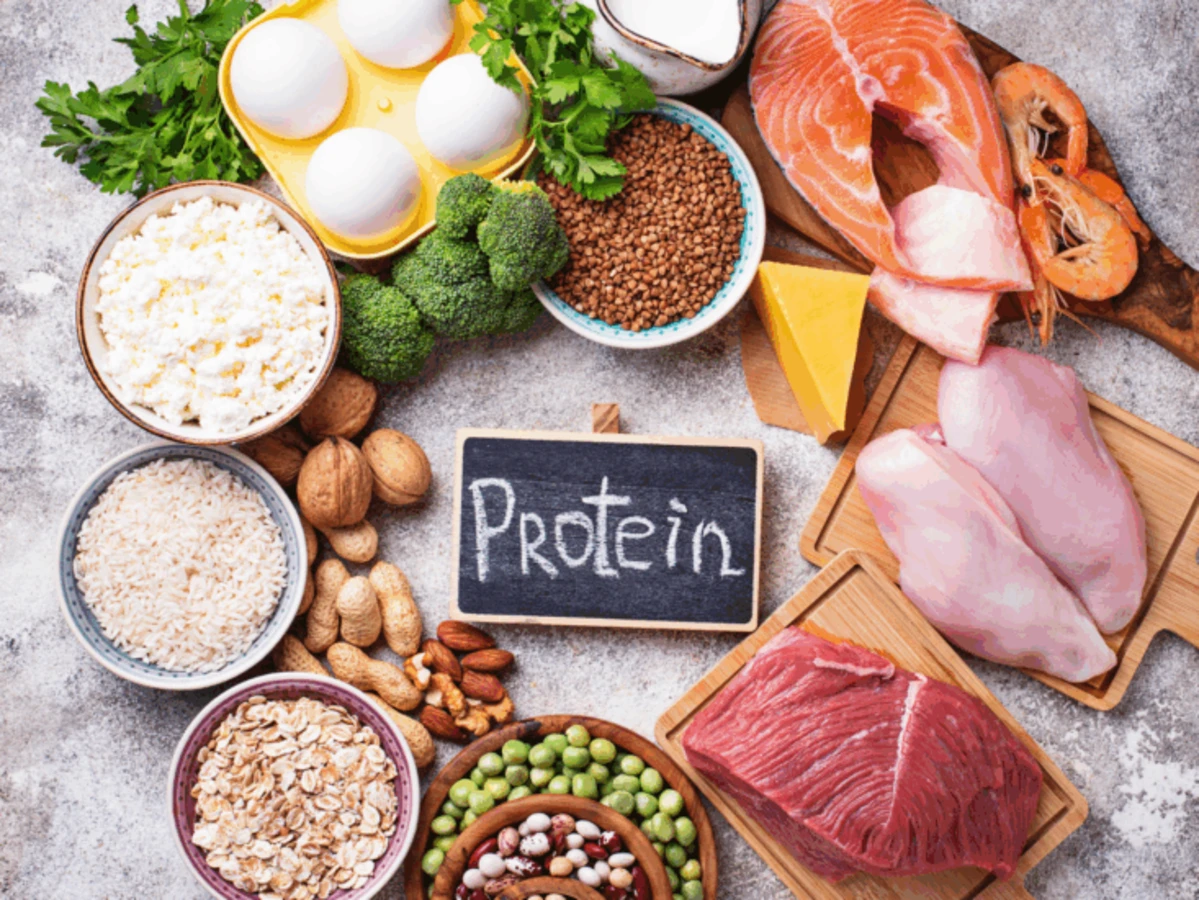
Include a meaningful protein source at each meal (eggs, fish, poultry, dairy, tofu, beans, or lentils)
-
Don’t save all your protein for dinner
-
Pair protein with plant foods rather than replacing them
-
Prioritize strength or resistance activity — muscles use protein more effectively when they’re challenged, a finding shown repeatedly in exercise studies in older adults
People who are physically active, recovering from illness, or over 65 may benefit from paying closer attention to intake. Those already eating balanced meals and maintaining strength usually don’t need supplements or very high-protein diets.
The Takeaway
Protein plays an important role in aging, but the goal isn’t maximizing it — it’s supporting function. Enough protein helps preserve muscle and resilience; excessive focus on it adds little.
For most adults, steady intake from varied whole foods, spread across the day, does more than either extreme. It’s less about hitting a perfect number and more about giving your body regular building material so it can keep doing what you ask of it over time.
The post How Much Protein Do You Really Need For Longevity? appeared first on Clean Plates.