

Unrelenting heat, wind and lack of rain can create inhospitable conditions for plants, as well as humans. But a simple…
Unrelenting heat, wind and lack of rain can create inhospitable conditions for plants, as well as humans. But a simple change in mulch can help gardeners mitigate damage from those conditions, and wildfires too.
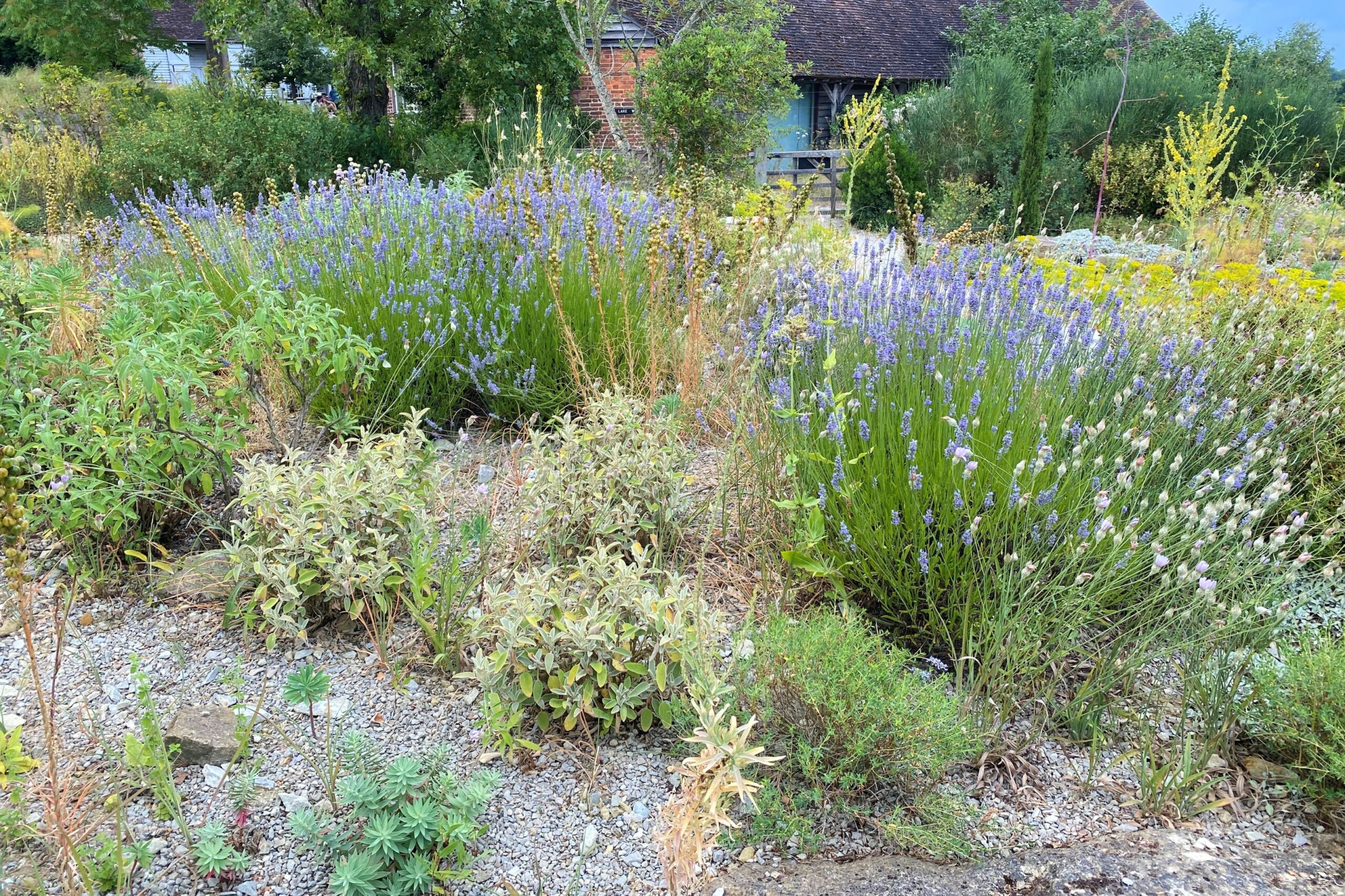
That’s one reason so-called “gravel gardens” are growing in popularity.
When airborne embers land on plant-based garden mulches like pine bark, straw or wood chips, they ignite quickly and risk spreading fire. These organic mulches can even trap heat and combust spontaneously.
Manyhigh-risk municipalities actually discourage or restrict organic mulches within a specified distance from homes and buildings. And gardeners in fire-prone areas have long embraced covering bare soil with inorganic, aggregate materials, such as 1/4-inch pea gravel, tumbled granite or brick chips.
Now, that strategy is becoming trendy to other regions. In addition to addressing fire-safety concerns, using such aggregate 4 inches deep in beds and borders also helps prevent weeds from taking root, improves drainage and reduces runoff, which helps cut back on water waste.
To be clear, organic mulches are the gold standard for many applications. They nourish the soil as they decompose, improve moisture retention and also suppress weeds. Organic mulch is also more beneficial to plants with high water and nutrient needs outside fire zones.
But in at-risk areas, gravel serves as an exceptional substitute, and its use around drought-tolerant, native plants elsewhere facilitates drainage, weed suppression and moisture retention without needing regular replacement.
How to do it
Instead of applying gravel around existing plants, you should apply gravel first, and then plant through it.
Begin by removing weeds, roots and all, and carefully digging up any existing plants in the chosen bed. Trees, of course, cannot be easily removed, so leave them be.
Enrich the soil by spreading 2 inches of compost or well-rotted manure throughout the bed, then use a garden fork to gently turn it in.
Define the bed with metal, brick, stone or paver edging that’s tall enough to keep the gravel in place.
Next, lay 4 inches of your chosen aggregate over the soil and, if trees are present, push the material several inches away from the bottoms of their trunks.
Do not use landscape fabric beneath the gravel; it won’t perform as you hope it will. Instead of preventing weeds, it will create heat pockets, restrict the flow of water and oxygen to the soil, trap carbon, and kill microbes, earthworms and beneficial insects.
Then it will slap you in the face and watch for your reaction as the weeds you tried to block grow right through it. They’ll be near-impossible to remove, as their roots become intertwined with the fabric’s weave. Then, the weathered material will tear into shreds and mock you as its edges poke through your once-lovely gravel garden.
Choose drought-tolerant, native plants
Select drought-tolerant, sun-loving perennials, ideally species native to your region. These plants also tend to thrive in nutrient-poor soil. Just ensure they are suited to your horticultural zone.
Buy plants in 3½-4½-inch pots, as their roots will be the perfect size for the application. Before bringing them to the planting area, scrape off the top layer of soil from each plant to lower the risk of any present weed seeds sprouting, then water each pot well.
Remove plants from their containers and transport them to the planting bed on trays or in a box to prevent loose soil from falling onto the gravel, where airborne weed seeds may take root.
To plant, remove a small area of gravel equal to the width of the plant’s original container and 4 inches deep to the soil surface. Then drop the moistened, soil-covered roots into the hole. Replace the gravel, and repeat with your other plants, spacing them according to their expected mature sizes.
Water them well
It’s important that you water the plants frequently and regularly throughout their entire first season. This could be daily or even twice a day, depending on the climate and weather. Remember, the only water they will be able to access during their first year will come from the soil clinging to their roots, so it’s important to keep it moist.
As they grow, those roots will reach and penetrate the soil beneath them.
A few weeds might poke out during the first growing season; pull them immediately.
Once your drought-tolerant, native plants are fully established, they will seldom, if ever, require supplemental watering. They won’t likely need fertilizer, either, and the bed won’t require string-trimmer edging or regular weeding.
And that’s a win for your garden, the environment and you.
___
Jessica Damiano writes regular gardening columns for The Associated Press. She publishes the award-winning Weekly Dirt Newsletter. Sign up here for weekly gardening tips and advice.
___
For more AP gardening stories, go to https://apnews.com/hub/gardening.
Copyright
© 2026 The Associated Press. All rights reserved. This material may not be published, broadcast, written or redistributed.