


A Canyon That Inspires Beyond the View
When Julie and I first visited Grand Canyon National Park, it was our third national park and the first after leaving our corporate jobs to pursue travel storytelling. We stayed for sunset inside the park, watching the canyon walls glow in shifting hues. Driving back to our hotel, we noticed something we hadn’t expected: the stars. The night sky was so vivid, so full of constellations, that we pulled off the road to take it in. For the rest of our Arizona trip, stargazing became a nightly ritual.
That experience changed how we travel. Now, whenever we visit national parks, we make stargazing part of the journey. And in gateway towns, we often seek out art galleries, admiring how artists capture nature’s beauty in their work. Both art and astronomy deepen our connection to landscapes, which is why the Grand Canyon Conservancy’s Residency Program feels so exciting.
About the Residency Program
Grand Canyon Conservancy’s Residency Program supports the park’s priorities of dark sky preservation and inclusive storytelling. By welcoming artists and astronomers from across the country, the program creates opportunities for visitors to engage with the canyon in new ways. Residents lead public programs, share their disciplines, and contribute to the Grand Canyon’s cultural and scientific legacy.
The Artist in Residence program invites creators to produce site‑specific work that reflects the canyon’s environment and heritage. The Astronomer in Residence program brings scientists and dark‑sky advocates to share knowledge under one of the most pristine night skies in the United States. Together, they highlight the canyon’s environmental, spiritual, and cultural impact.
2026 Calendar Highlights
The 2026 lineup includes:
-
Nicole Banowetz & Devin Reilly (March 8–May 9): Inflatable sculptures exploring ecological stories and climate change.
-
Orquidia Velasquez (April 15–May 15): Salvage textile art sessions with visitors, weaving the canyon’s diversity into fiber works.
-
Dr. Logan Pearce (May 15–July 24): Talks on exoplanets, aliens, and dark skies, plus an Astronomy on Tap event.
-
Alessandra Vertrees (August 29–October 25): Food storytelling rooted in ancestral memory and local ingredients.
-
Summer Ash (August 30–September 27): Guided stargazing, solar meditations, and cosmic storytelling.
-
Dr. Amy Sayle (November 4–December 2): Programs blending science with sky lore, plus work on her novel set in the canyon.
Beyond the dates and names, here’s why these residencies matter to anyone planning a visit.
Why This Matters for Travelers
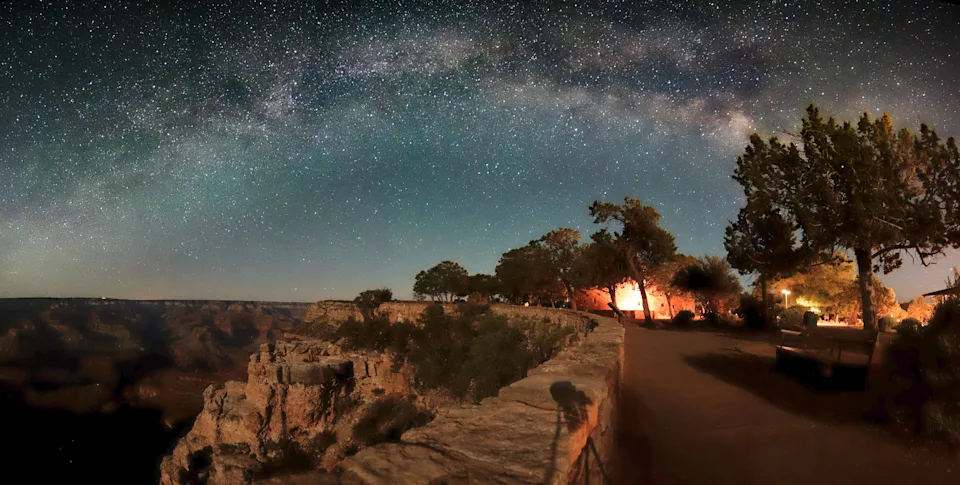
The Milky Way arcs above the Grand Canyon’s timeless rim.
(Big B Photography via Getty Images)
For visitors, these residencies mean more than scheduled events. They represent a chance to see the Grand Canyon through fresh lenses. Stargazing programs remind us of the importance of preserving dark skies, while art workshops invite us to reflect on heritage, ecology, and identity.
When Julie and I first pulled over to admire the stars, we didn’t realize we were experiencing one of the canyon’s greatest treasures. Programs like these ensure future visitors won’t miss it. They’ll have astronomers guiding them through constellations and artists helping them interpret the canyon’s beauty in new forms.
Connecting to Travel Trends
This initiative also reflects broader travel trends. Many travelers are seeking experiential journeys — trips that go beyond sightseeing to include learning, creativity, and reflection. Astronomy tourism is growing, with destinations like the Grand Canyon recognized for their pristine skies. Likewise, art residencies and cultural programming are increasingly valued for connecting visitors to places.
For national park gateway towns, where art galleries already thrive, the residency program feels like a natural extension. It bridges the creative energy of local communities with the grandeur of the canyon itself.
And for travelers already dreaming of their next trip, 2026 offers something special.
Planning Ahead for 2026
If you’re considering a Grand Canyon trip in 2026, the residency calendar offers a unique reason to time your visit. Imagine watching the sunset over the South Rim, then joining an astronomer for a guided stargazing session. Or spending the day hiking, then participating in a hands‑on art workshop that helps you see the canyon’s textures and colors in a new way.
These programs are included with park admission, making them accessible to all visitors. For families, couples, or solo travelers, they add layers of meaning to an already iconic destination.
Why It Resonates Personally
For me, the Grand Canyon has always been about more than the view. It was the first park we visited after changing our lives, and it taught us to slow down, to notice the stars, to seek out art. Seeing the Conservancy embrace both astronomy and artistry feels like validation of that journey.
Conclusion: A Canyon of Stars and Stories
Grand Canyon Conservancy’s 2026 Residency Program ensures that future visitors will experience the canyon not only as a natural wonder but as a place of stories, science, and starlight. Whether you’re drawn to the night sky or the creative voices interpreting the landscape, 2026 promises to be a year when the canyon inspires in new ways.