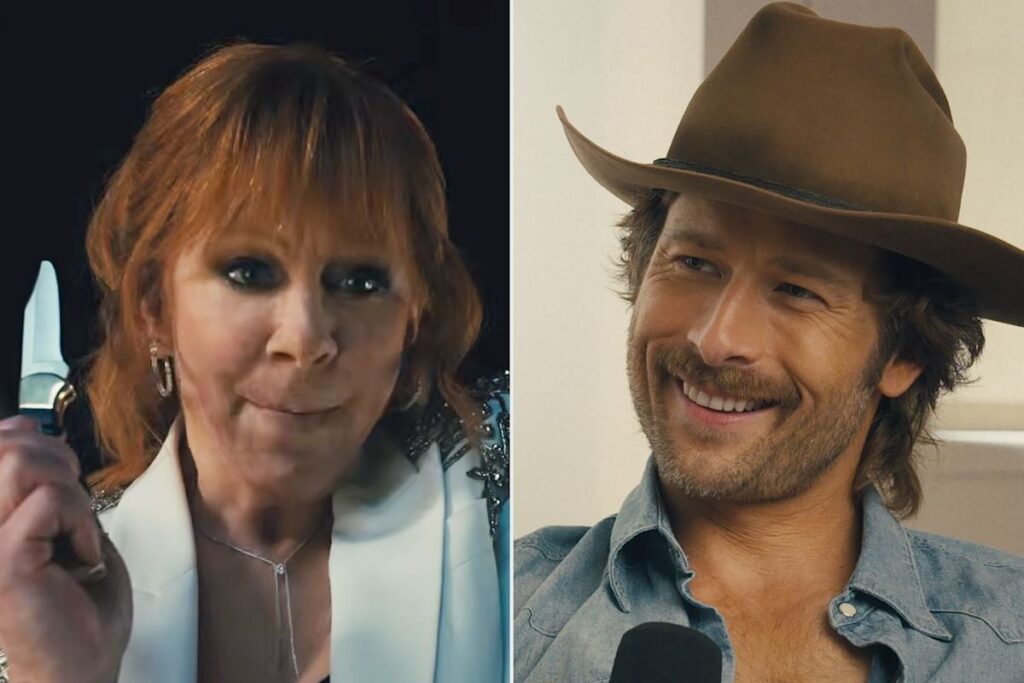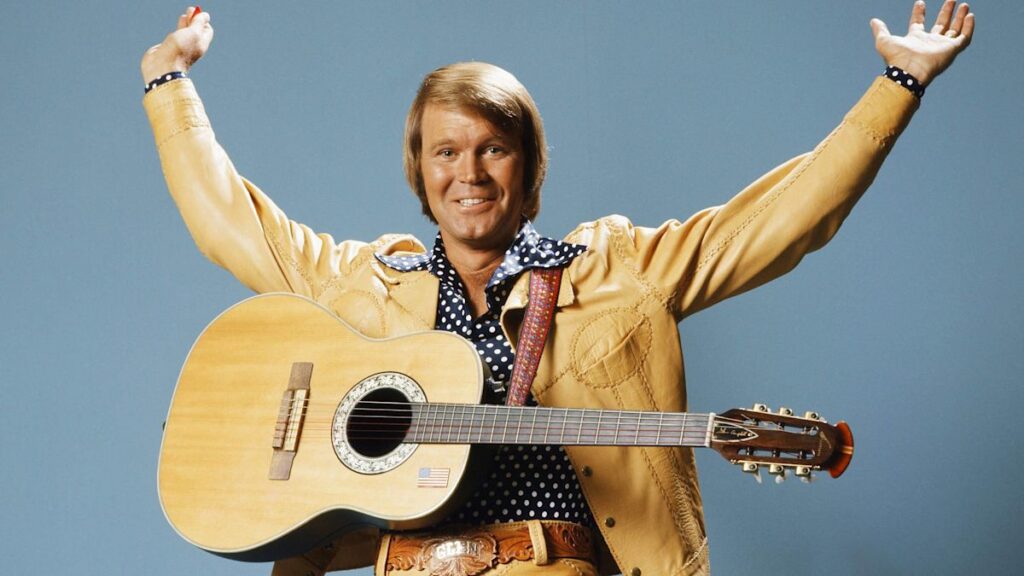
More than 50 years after Glen Campbell took “Rhinestone Cowboy” to the top of the charts, the country classic is back in the spotlight.
The 1975 hit recently landed at No. 7 on TuneFind‘s trending songs chart, thanks to its appearances in Marvel‘s new series, VisionQuest.
🎬 SIGN UP for Parade’s Daily newsletter to get the latest pop culture news & celebrity interviews delivered right to your inbox 🎬
The Disney+ series has introduced the song to a new audience, giving it a memorable role in two episodes, including a particularly unexpected moment in the season finale.
Glen Campbell’s Hit Appears in Two ‘VisionQuest’ Episodes
“Rhinestone Cowboy” first appears in the seventh episode, “Immolation,” which debuted Nov. 3. The song plays from a record in a loft, but the record keeps skipping, making the familiar tune part of the scene’s background.
The song returns in the eighth and final episode, “Forever,” which arrived Nov. 10. This time, it gets a much bigger moment when James Spader‘s character, Virgil Horton, dances with Jocasta, played by T’Nia Miller, in an unexpected sequence.
Related: Grand Ole Opry Announces Special Tribute to Richard Sterban After Oak Ridge Boys Legend Dies at 83
In a Nov. 11 interview with Marvel.com, series creator Terry Matalas explained why he chose the song, revealing that it had a personal connection.
“A lot of the music in the show was songs that my father used to play on road trips,” he said, naming “Rhinestone Cowboy” alongside John Denver’s “Calypso” and Roger Whittaker’s “The Last Farewell.”
Matalas also liked the idea of using an unexpected song for an action sequence and getting Spader to dance with Miller.
“It’s unexpected and a little weird,” he said, adding that the cast and crew had fun making the scene.
The Story Behind Glen Campbell’s ‘Rhinestone Cowboy’
Although Campbell made “Rhinestone Cowboy” famous, he wasn’t the first artist to record it. Songwriter Larry Weiss wrote the song and released his own version in 1974 on his album Black and Blue Suite.
In a 2013 interview with The Guardian, Weiss explained that the song was a somewhat autobiographical reflection on pursuing the American dream. Having moved with his family from New York to California, he drew on his own experiences trying to make a name for himself.
The phrase “rhinestone cowboy” had stuck with him, and his childhood love of Western movie stars and singing cowboys, including Roy Rogers, Gene Autry and Hopalong Cassidy, helped shape the song’s imagery. Weiss also said the chorus was inspired by the 1944 film Buffalo Bill.
“To me, the singing cowboys were the rhinestone cowboys,” he said.
Related: Classic Movie Cowboy William Boyd Sold Everything to Save His Most Famous Character; the Gamble Made Him So Famous He Turned Down the Biggest Role of 1956
Campbell discovered the song while driving in Los Angeles and hearing Weiss’ recording on the radio. He later recalled that he was so taken with it that he pulled over to find out how to get a copy. As it happened, Capitol Records executive Al Coury eventually played him the very same song when Campbell visited his office.
Released in 1975, Campbell’s recording became his first solo No. 1 on the Billboard Hot 100, where it spent two weeks at the top. It also reached No. 1 on the country chart, cementing its place as one of his signature songs.
Now, more than five decades later, “Rhinestone Cowboy” is finding another audience through VisionQuest. Thanks to Matalas’ family memories and an unexpected dance from Spader and Miller, Campbell’s old favorite is once again shining like a diamond in the spotlight.
Related: 2014 Drama Named Greatest Coming-of-Age Movie Ever in List That Completely Ignores John Hughes

This story was originally published by Parade on Nov 17, 2026, where it first appeared in the Entertainment section. Add Parade as a Preferred Source by clicking here.