

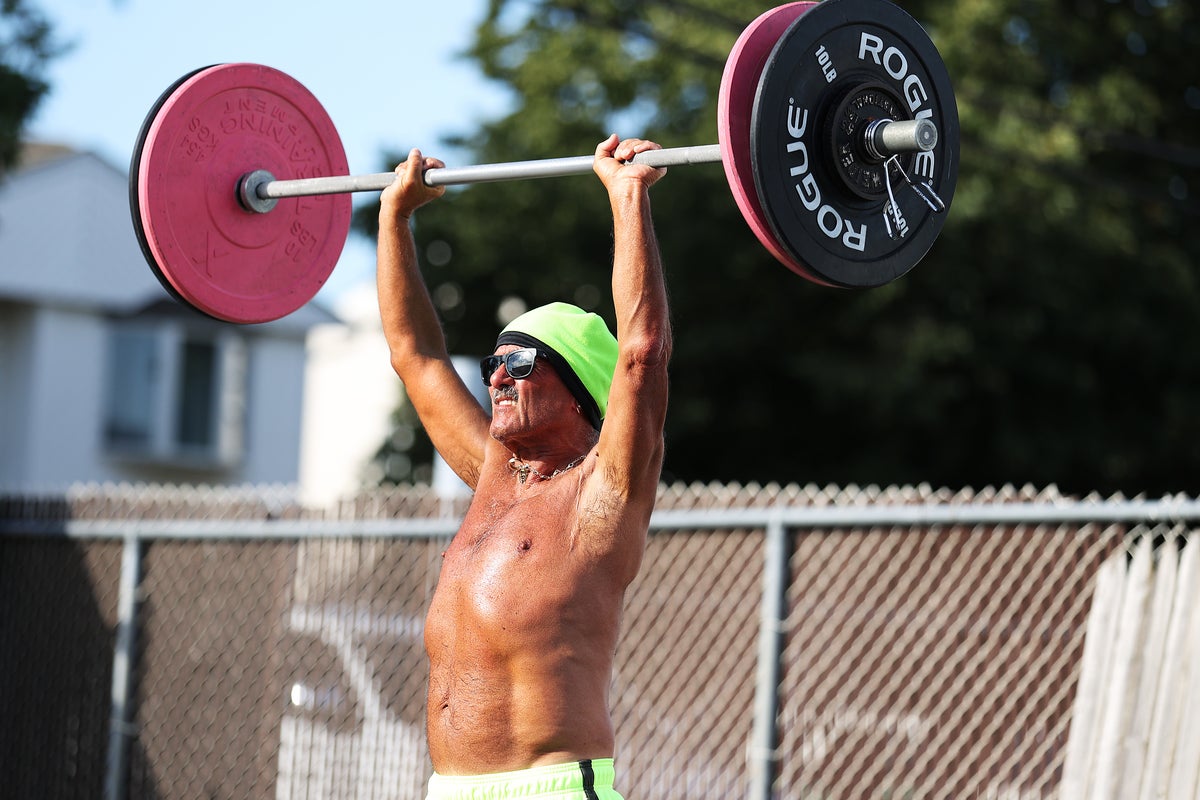
Building muscle can help you to lose weight. So can cutting the amount of calories you eat in a day.
But the golden question is, can you do both without sacrificing one benefit: Can you bulk up during a cut?
Experts say you can – but only if you do it right.
If you can keep lifting weights and maintain a calorie deficit, your body will be able to pull from its fat stores to achieve both goals, according to Briana Silvestri, a physician assistant with Banner – University Orthopedic and Sports Medicine Institute in Phoenix, Arizona.
“Essentially yes, people are capable of doing both, but it’s not a very easy thing to do,” she said in a statement.
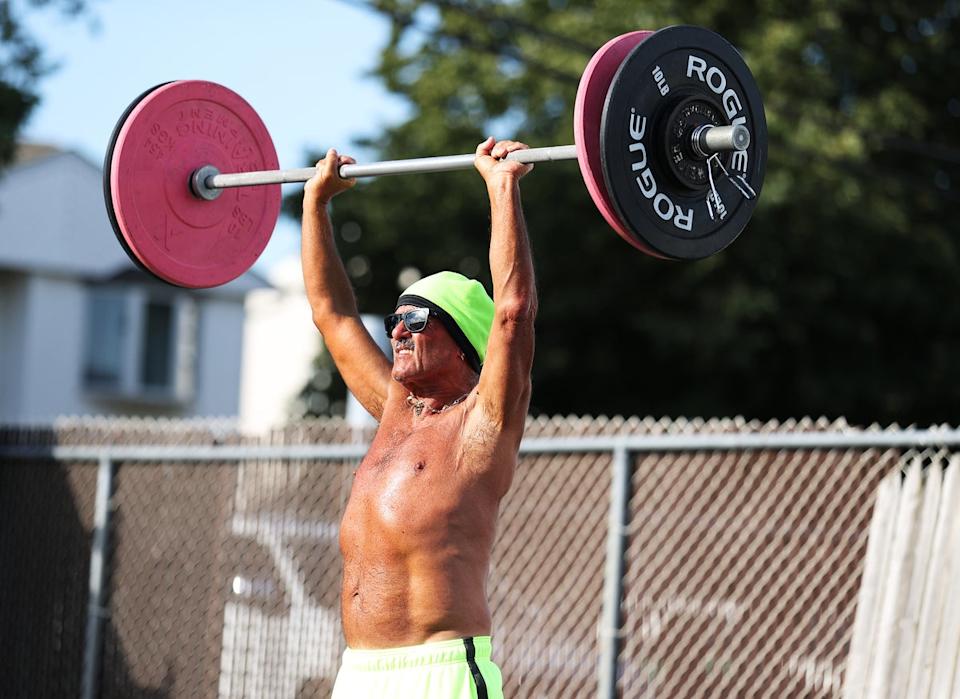
Can you cut calories while you’re trying to build muscle? It’s a delicate balance – but experts say it can be done (Getty Images)
This may seem counterintuitive because the body needs to be well-fed to gain muscle, with calories providing the energy necessary to build muscle mass. To lose weight, you must be burning more calories than you are taking in so that the body taps into fat for fuel.
But, keeping a moderate calorie deficit while weight training allows the body to function well while supporting weight loss, registered dietitian Lauren Manaker told Prevention.
Consistency and balance are key, incrementally progressing to heavier weights and eating more protein-rich whole foods over time. Protein, like meat, fish or plant sources, helps you feel fuller for longer and helps to build muscle and promote lean body mass – especially when eaten after a workout.
Some of the healthiest lean protein sources to add to your diet include Greek yogurt, edamame, tuna, salmon and egg whites.
People should aim to reduce their calorie intake by a limit of 250-500 daily calories, according to registered dietitian Lauren O’Connor. That ensures less muscle loss than with more extreme diets.
“It is important that certain individuals identify foods that will be low in caloric intake but also high in nutritional value to allow your body and cells to be fed appropriately but not swing you out of your caloric deficit,” Silvestri said.
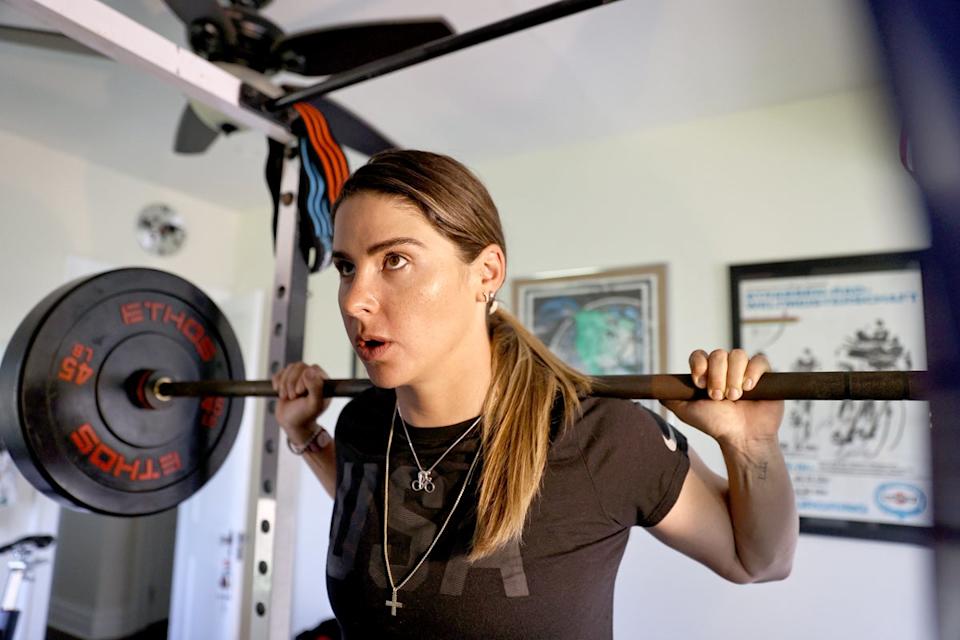
Federal health guides recommend that people get in two sessions of resistance training each week (Getty Images)
And, one type of exercise is superior for sustained weight loss. Resistance training using exercise bands, free weights or body weights helps to make you stronger as well as burn calories.
“Not only are you burning calories while actively using your muscles, but muscles continue to consume calories during rest and recovery,” Matthew Solan, the former executive editor of Harvard Men’s Health Watch, wrote earlier this year.
People should get at least two sessions of resistance training in a week to maintain optimal health, along with 150 minutes of moderate exercise, according to the Centers for Disease Control and Prevention.
People should talk to their trainer or doctor before starting any new exercise regimen.
Also, remember: weight loss and muscle gain do not happen overnight. Silvestri recommends weight loss plans with goals of losing no more than a couple of pounds a week.
“As you get closer to your goal, it’ll become progressively more difficult to increase muscle while losing fat but don’t get discouraged,” she said. “Gradual loss ensures that you’re mostly losing fat instead of muscle. If done too quickly, it could be detrimental to your health goals and or muscle growth.”