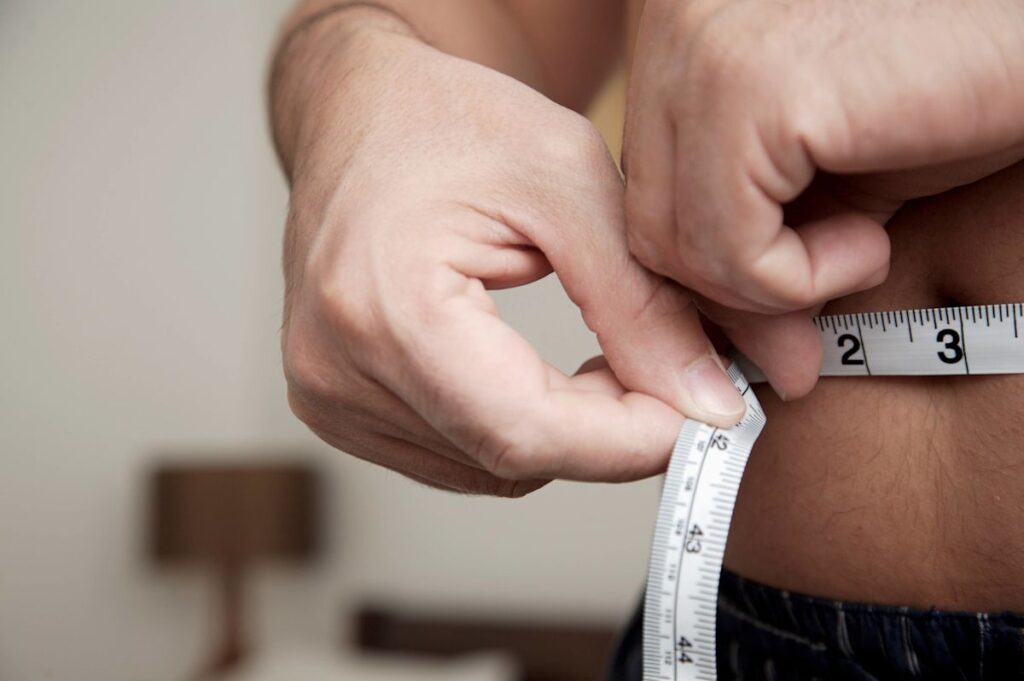
Weight-loss medications have become increasingly popular, particularly with the growing use of GLP-1-based treatments such as semaglutide and tirzepatide. While these medications have demonstrated substantial benefits for weight management, researchers are beginning to examine an important consideration: what happens to skeletal muscle during rapid weight loss?
Losing weight and losing fat are not necessarily the same thing. When body weight decreases, individuals may lose both fat mass and lean tissue, making muscle preservation an important component of long-term metabolic and physical health.
Understanding Muscle Loss During Weight Reduction
Weight loss occurs when the body experiences a sustained energy deficit. Although the goal is typically to reduce excess body fat, some loss of lean tissue often accompanies the process.
Advertisement
Advertisement
Medications that reduce appetite and food intake can create substantial calorie deficits, particularly when individuals struggle to consume adequate amounts of protein.
Skeletal muscle is metabolically active tissue involved in glucose regulation, movement, and maintaining physical function. Preserving muscle becomes especially important as individuals age, when the natural decline in muscle mass and strength can increase the risk of functional limitations.
Although weight-loss medications can improve several markers of metabolic health, reductions in muscle mass may become an unintended consequence if physical activity and nutritional intake are not adequately addressed.
New Research Highlights the Importance of Resistance Training
Recent research has investigated whether resistance training can help preserve muscle during treatment with tirzepatide, a medication that targets receptors involved in appetite regulation and glucose metabolism.
Advertisement
Advertisement
In one clinical trial involving 120 adults, participants received tirzepatide for 40 weeks. One group also completed supervised resistance training three times per week, while the other continued their usual activities.
Both groups experienced substantial weight loss, but participants who performed resistance training lost significantly less lean tissue. They also demonstrated improvements in muscular strength, while those receiving medication alone experienced reductions in strength.
These findings suggest that resistance training may help protect physical function during medication-assisted weight loss without compromising reductions in body fat.
Why Resistance Training Makes a Difference
Resistance exercise creates mechanical tension within skeletal muscle, stimulating cellular processes involved in muscle protein synthesis and adaptation.
Advertisement
Advertisement
When the body is in a calorie deficit, maintaining muscle can become more challenging because energy availability is reduced. However, consistent resistance training provides a physiological signal that encourages the body to preserve muscle tissue.
Adequate protein intake is another important consideration. Dietary protein supplies the amino acids necessary for muscle repair and maintenance, making it particularly valuable when appetite suppression limits overall food consumption.
Together, resistance training and appropriate nutrition can help improve the quality of weight loss by prioritizing reductions in fat mass while minimizing unnecessary losses in lean tissue.
Looking Beyond the Number on the Scale
The growing popularity of weight-loss medications has brought renewed attention to the importance of body composition.
Advertisement
Advertisement
For men, maintaining muscle is not simply an aesthetic concern. Muscular strength contributes to metabolic regulation, physical independence, and overall quality of life.
While medications can be effective tools for managing obesity, they do not replace the physiological benefits of exercise.
Ultimately, successful weight management should involve more than reducing total body weight. Preserving strength, supporting metabolic health, and maintaining physical function are equally important components of long-term health.
This story was originally published by Men’s Fitness on Nov 10, 2026, where it first appeared in the News section. Add Men’s Fitness as a Preferred Source by clicking here.