


By Julie Gill Shuffield, Special for CalMatters
This commentary was originally published by CalMatters. Sign up for their newsletters.
Guest Commentary written by
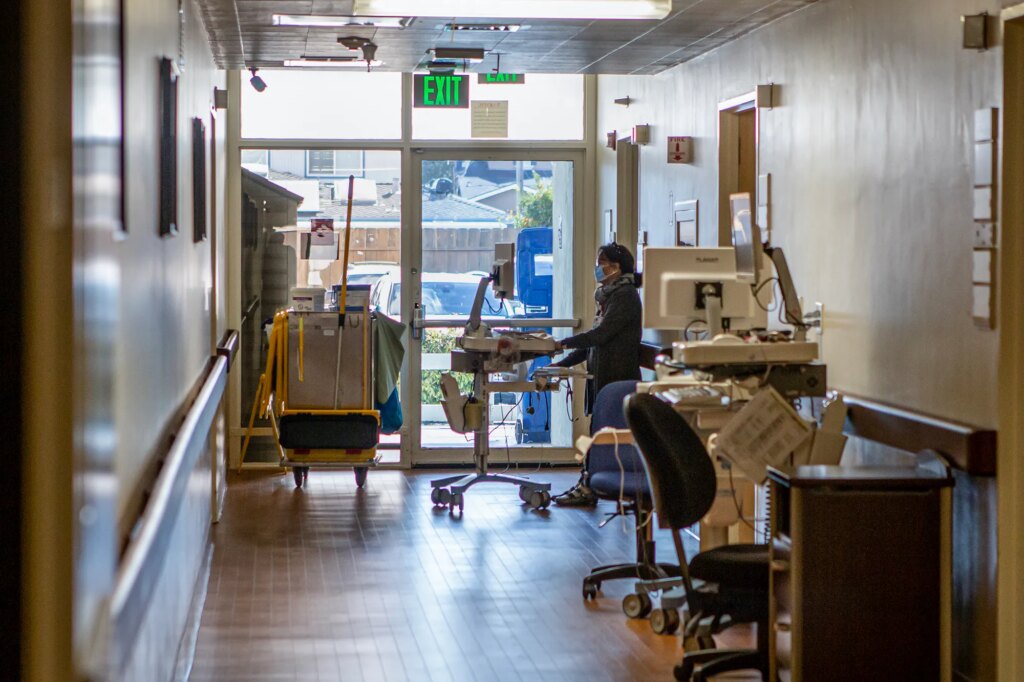
California’s rural hospitals are facing multiple, steep challenges providing patients with access to care. Glenn Medical Center in Willows, located 75 miles north of Sacramento, is at the center of this access crisis.
Though it shuttered its doors in October 2025, Glenn Medical has since restored its status as a “critical access” facility through congressional action. That is only the beginning of the discussion on how to keep this struggling, rural hospital’s doors open. Undoing the closure is complicated and will involve short-term funding.
As decision-makers grapple with the challenge, it is important to look at what programs are working and what requires greater oversight and transparency.
One key place to look is the federal 340B program.
The 340B program was created in 1992 with the intention of benefiting the most vulnerable, underserved patients who can’t afford healthcare. Section 340B of the Public Health Service Act requires pharmaceutical makers to sell drugs at discounts to health care organizations that serve large numbers of uninsured and low-income patients. That includes critical access hospitals in rural areas.
But the 340B program’s lack of transparency has allowed it to be preyed upon by large players in the healthcare system, such as hospitals and big insurers.
As the program ballooned, it became a flashpoint in the battle over rising drug costs and their impact on hospital budgets. Without congressional oversight, this program will continue to fail the patients most in need.
The 340B program’s concept is simple — hospitals are able to leverage the drug discounts on behalf of medically underserved populations. One would think the cost of medicines would go down for these patients.
But often the savings do not reach patients. In fact, the hospitals abusing the program buy deeply discounted prescription drugs and, instead, charge patients and insurance companies inflated prices and pocket the difference.
Amid the national debate over 340B, Minnesota in 2023 took the bold step of becoming the first state to implement reporting requirements for participating hospitals. Its Legislature recently received the first 340B report, which demonstrated that qualified pharmacies hospitals use are purchasing drugs at discount rates, then billing patients the full cost.
In 2024 qualified pharmacies there spent $1.53 billion purchasing drugs and then billed private insurers and government programs $3.04 billion, resulting in excess revenues of about $1.34 billion.
The intended savings are lining hospitals’ pockets.
As local regional hospitals continue to close, care is becoming increasingly concentrated in the hands of a small number of large health systems. This consolidation reduces the number of providers able to treat patients and exposes a troubling reality — the discounts intended to support vulnerable demographic groups are often not reaching them.
In fact, only 35% of 340B hospitals are even located in medically underserved areas. Yet the remaining 65% of those hospitals continue receiving the discounts, while many low-income communities across the country see little or no benefit.
Addressing the rural healthcare crisis will require greater transparency of how these discounts are used, ensuring that the savings are directed to facilities that actually help medically underserved communities.
There has been progress in uncovering the many factors driving health care’s growing unaffordability and its widening health disparities. Taking a closer look at the complex web of funding streams is long overdue. Rural Californians need this help now. Their health and lives depend on it.
This article was originally published on CalMatters and was republished under the Creative Commons Attribution-NonCommercial-NoDerivatives license.