
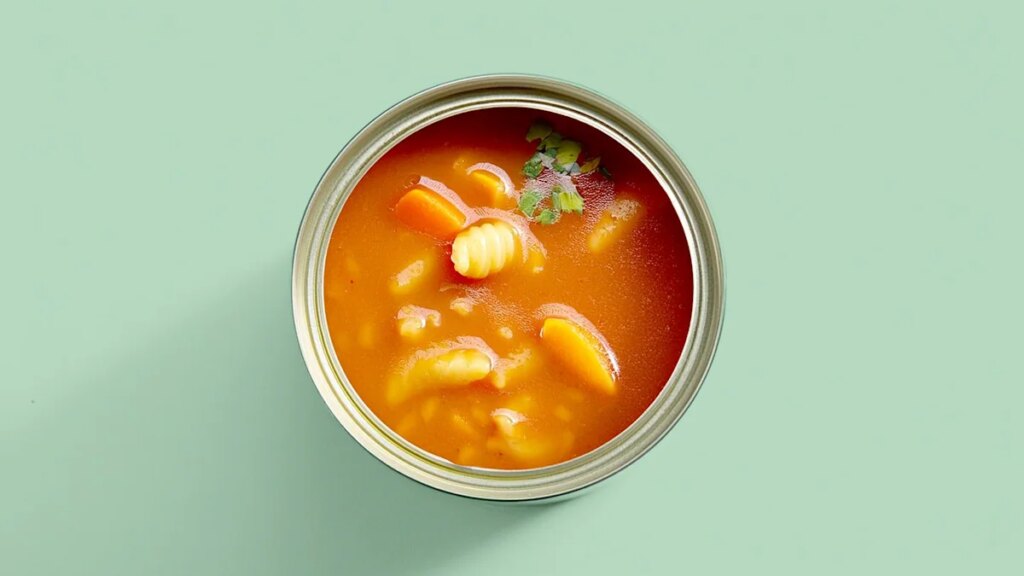


Nothing beats a bowl of homemade soup. But if you can’t whip up a batch from scratch during a busy week, store-bought soups offer a seamless, budget-friendly alternative.
“Store-bought soup can be a convenient way to get vegetables, beans, whole grains, and protein into a meal,” explains Johannah Katz, RD, an Orlando, Florida-based registered dietitian at the telehealth nutrition counseling platform Nourish who specializes in preventive health, weight management, and exercise performance.
The problem is that many store-bought soups are loaded with sodium and saturated fat. Too much sodium can raise your blood pressure and increase your risk of stroke and heart disease. Meanwhile, excess saturated fat can increase levels of “bad” low-density lipoprotein (LDL) cholesterol in your blood and contribute to obesity, type 2 diabetes, and metabolic dysfunction-associated steatotic liver disease (MASLD, or fat buildup in the liver).
Advertisement
Advertisement
To enjoy the convenience and flavor of store-bought soups without overdoing the sodium and saturated fat, check nutrition labels. To help you narrow your options, we asked RDs which soups to choose and which to avoid at the supermarket.
4 Healthiest Store-Bought Soups
A wise first step when you’re soup shopping is to check the sodium content. Katz says between 400 and 500 milligrams (mg) of sodium (or less) per cup is a sustainable target, with 300 to 400 mg the ideal. Then check the protein and fiber content to ensure your soup provides a well-balanced meal.
“For a soup I’m eating as a full meal, I generally like to see at least around 15 to 20 g of protein and 5 g of fiber. If a soup has less than about 10 g of protein or very little fiber, I would usually consider it more of a snack or side and add something to make the meal more filling and balanced,” explains Katz.
These soups stand out for their nutritious ingredients and low saturated fat and sodium content. Whether you’re in the mood for something hearty or light, these RD-approved picks deliver on both flavor and nutrition.
1. Amy’s Organic Minestrone Soup, Light in Sodium
Nutrition Information
Serving Size 1 can (about 1½ cups)
Fat 5g (0g saturated fat)
Advertisement
Advertisement
If you’re a fan of hearty soups, Mackenzie Burgess, RDN, a registered dietitian nutritionist in Los Angeles and a recipe developer at Cheerful Choices, says Amy’s Organic Minestrone, Light in Sodium, is a must-try. This savory pick blends organic tomatoes, onions, carrots, potatoes, celery, leeks, green beans, peas, beans, pasta, and tomato broth. It also contains 50 percent less sodium than the brand’s regular minestrone soup.
“Since this soup is lighter and has 6 g of protein, you can always add some extra protein to make it more satiating,” Burgess says. She suggests stirring in shredded rotisserie chicken or a scoop of white beans, or serving it with a protein-filled panini on the side for a complete meal.
2. Pacific Foods Organic Chicken and Wild Rice Soup
Nutrition Information
Fat 4g (1g saturated fat)
Advertisement
Advertisement
Katz chose Pacific Foods Organic Chicken and Wild Rice Soup because it’s a low-sodium option with nutritious ingredients.
“I like this soup because it combines chicken with wild and brown rice and vegetables, giving you a mix of protein, whole grains, and fiber in one convenient option. It is also relatively low in saturated fat,” Katz says.
One serving supplies 4 g of fiber and 12 g of protein. Research shows that higher intakes of fiber and protein – and regular exercise – can blunt increased cravings and hunger during weight loss, which may promote better heart, blood, and blood vessel health.
Katz would consider this pick a hearty snack rather than a full meal. To round it out, she suggests adding no-salt-added beans or extra shredded chicken for more fiber and protein. Alternatively, pair it with a piece of fruit, salad, or another vegetable.
3. Campbell’s Chunky Healthy Request Old Fashioned Vegetable Beef Soup
Nutrition Information
Fat 2g (1g saturated fat)
Advertisement
Advertisement
When you crave a hearty bite, Ramona Ramdath, RD, PhD, a registered dietitian in Phoenix and the owner of Ménière’s Dietitian, recommends reaching for Campbell’s Chunky Healthy Request Old Fashioned Vegetable Beef Soup, which features carrots, green beans, peas, cabbage, diced tomatoes, celery, corn, and potatoes.
A 1 cup serving provides 3 g of fiber and 7 g of protein, along with 960 mg of potassium (20 percent of your daily value). Potassium helps regulate blood pressure and support blood health. A diet rich in this essential mineral may also reduce the risk of age-related bone loss and kidney stones.
According to Dr. Ramdath, this soup makes an ideal meal with a salad that adds fiber and vegetables.
“I would suggest something that would add extra protein, such as a three-bean salad, or a green salad with cucumber and chickpeas or edamame,” she says. “This would add some veggies that aren’t included in the soup, as well as additional vitamins and minerals.”
4. Old El Paso Chicken Tortilla Soup
Nutrition Information
Fat 1g (0g saturated fat)
Advertisement
Advertisement
If you’re in the mood for subtle spice and smoky flavors, Ramdath suggests Old El Paso Chicken Tortilla Soup. This Tex-Mex staple includes chicken broth, chicken, green sweet peppers, tomatoes, corn, black beans, and a variety of spices.
“The protein is a little low, but the other good qualities of low sodium, high fiber, and plenty of vegetables nutritionally make this a healthy choice,” Ramdath says.
It has the lowest calories per serving on our list of healthy soups, so pairing it with a nutritious side makes a wise choice for a full meal.
“Since the sodium content is about 620 mg, which is good for an overall meal, I would suggest pairing this soup with something with not much added sodium, such as a spinach, carrots, and zucchini salad with a creamy yogurt dressing,” Ramdath says. “I would also add some no-salt-added pinto beans or tofu if soy is a preference for extra protein.”
4 Worst Store-Bought Soups
These are the store-bought soups RDs say to leave on the supermarket shelf. Each packs a wallop of sodium and saturated fat, often with little protein or fiber.
Advertisement
Advertisement
One of the main things to watch for when reading nutrition labels is sodium. “I become particularly cautious around 700 to 800 mg or more per cup, because one serving can provide roughly one-third of the 2,300 mg daily value,” Katz says. The soups below all contain more than 700 mg of sodium per cup.
“Excess sodium can raise blood pressure and, over time, contribute to cardiovascular risk,” Katz adds, pointing to a review and meta-analysis showing that reducing sodium lowers systolic and diastolic blood pressure and likely reduces major cardiovascular events.
1. Campbell’s Condensed Chicken Noodle Soup
Nutrition Information
Fat 2g (0.5g saturated fat)
Advertisement
Advertisement
You might have fond memories of chicken noodle soup. But not all varieties of this nostalgic meal are nutritious. Ramdath shares an example you may want to skip.
Campbell’s Condensed Chicken Noodle Soup is high in sodium (840 mg per ½ cup serving), yet provides 0 g of fiber. In fact, the soup offers little nutrition besides 3 g of protein.
“As a meal, this soup is a less-healthy choice because it is very high in sodium,” Ramdath says. She notes that it’s also low in fiber and protein – key nutrients that provide the fullness you expect from a balanced meal.
If you’re craving chicken noodle soup, Ramdath suggests choosing a lower-sodium variety and pairing it with a side of vegetables for a well-rounded meal.
2. Campbell’s Chunky Old-Fashioned Potato Ham Chowder
Nutrition Information
Fat 9g (2g saturated fat)
Advertisement
Advertisement
Potato ham chowder is an indulgent, warming choice to dig into. Sadly, Katz warns this pick isn’t the healthiest.
“Campbell’s Chunky Old-Fashioned Potato Ham Chowder contains 790 mg of sodium per cup, and the full can has about 1,720 mg. That makes it easy to consume most of a day’s recommended sodium at one meal,” Katz says.
As for saturated fat, this soup contains 2 g per serving. The AHA recommends getting fewer than 6 percent of your total calories from saturated fat, or roughly 13 g or less of saturated fat per day.
3. Panera Bread New England Clam Chowder
Nutrition Information
Fat 16g (10g saturated fat)
Advertisement
Advertisement
While a bowl of clam chowder can be soothing on a crisp day, Burgess isn’t a fan of Panera Bread’s New England Clam Chowder because of its high fat and sodium content. Just 1 cup has 16 g of fat, 10 g of saturated fat, and 740 mg of sodium.
“Panera’s New England Clam Chowder is best seen as an occasional comfort food rather than an everyday soup,” Burgess says. “Enjoy it as a treat, but for a regular soup habit, broth- or bean-based options usually give you a much better balance of sodium, saturated fat, fiber, and protein.”
4. Panera Bread Broccoli Cheddar Soup
Nutrition Information
Fat 14g (9g saturated fat)
Panera’s Broccoli Cheddar Soup is a beloved classic. Don’t let the vegetables fool you, though. Katz added this soup to the “worst” list, noting, “Despite having broccoli in the name, 1 cup contains 990 mg of sodium and 9 g of saturated fat – that’s 43 percent and 45 percent of your daily values.”
The saturated fat doesn’t just come from the cheddar cheese. This dairy-forward soup puts high-fat ingredients like heavy cream, milk, butter, and milk fat front and center, Katz notes. “Those sources of dairy fat add up quickly, which helps explain why the saturated fat is considerably higher than in a broth-based soup,” she says.
That doesn’t mean you can never enjoy it. But Katz notes that it’s a solid example of why a cream-based soup doesn’t provide the same nutritional benefits as a vegetable-rich broth-based soup.
The Takeaway
Store-bought soups can be nutritious and convenient, but many are high in sodium and saturated fat. RDs recommend 400 to 500 mg of sodium or less per cup and minimal saturated fat.
The best picks feature broth or bean bases with plenty of vegetables, while cream-heavy and condensed soups tend to be the worst offenders.
No store-bought soup is perfect, but if you add protein or a vegetable side, you can make it a more balanced meal.
EDITORIAL SOURCES
Everyday Health follows strict sourcing guidelines to ensure the accuracy of its content, outlined in our editorial policy. We use only trustworthy sources, including peer-reviewed studies, board-certified medical experts, patients with lived experience, and information from top institutions.
Resources
Guarneiri LL et al. Protein, Fiber, and Exercise: A Narrative Review of Their Roles in Weight Management and Cardiometabolic Health. Lipids in Health and Disease. July 12, 2025.
The Power of Potassium: Why You Need This Essential Mineral. Cleveland Clinic. March 25, 2024.
Meet Our Experts
See Our Editorial Policy Meet Our Health Expert Network
Sylvia E. Klinger, DBA, MS, RD, CPT
Medical Reviewer
Sylvia Klinger, DBA, MS, RD, CPT, is an internationally recognized nutrition expert who is relentlessly passionate about helping people fall in love with creating and enjoying deli…
See full bio
Alexa Mellardo
Alexa Mellardo
Author
Alexa is a content strategist, editor, and writer based in Greenwich, Connecticut, with more than 12 years of experience contributing to top lifestyle, wellness, fitness, and food …
See full bio
See Our Editorial Policy Meet Our Health Expert Network
Source link


