


For many retirees, affordability and quality of life matter just as much as sunshine. A growing number of Americans are deciding that instead of squeezing into a high-priced condo in Florida or stretching a fixed income in California, they can live more comfortably by spending part — or even most — of the year abroad. The trend is driven by rising cost of living, access to lower-priced healthcare, and the desire for a lifestyle that feels more fulfilling than simply waiting out winter.
Warm-weather destinations around the world now offer retirement visas, long-stay residency programs, and investment pathways that make it legal and surprisingly seamless to retire abroad on a budget. Some programs are designed specifically for older adults receiving Social Security benefits. Others reward investment or homeownership with the right to stay longer and return every year. In the right place, monthly expenses can drop significantly — allowing retirees and part-time snowbirds to stretch their income further while enjoying beaches, culture, and year-round outdoor living.
From English-speaking Belize to Europe’s most affordable coastal country, here’s exactly how much it costs to retire overseas — and what to know before making the move.
Mexico: Accessible residency with familiar comforts
Mexico remains one of the most popular places for Americans to retire overseas thanks to its proximity, established expat hubs, and excellent private healthcare. The Temporary Resident Visa allows stays of up to four years and can lead to permanent residency.
Applicants typically need $4,000 to $4,400 in monthly income or $70,000 to $75,000 in savings, depending on the consulate. Many qualify using Social Security or pensions. Modern hospitals, fresh markets, and affordable coastal living make Mexico especially appealing for part-time snowbirds who want the flexibility to fly home easily.
Belize: Caribbean beach life with simple residency and English as the official language
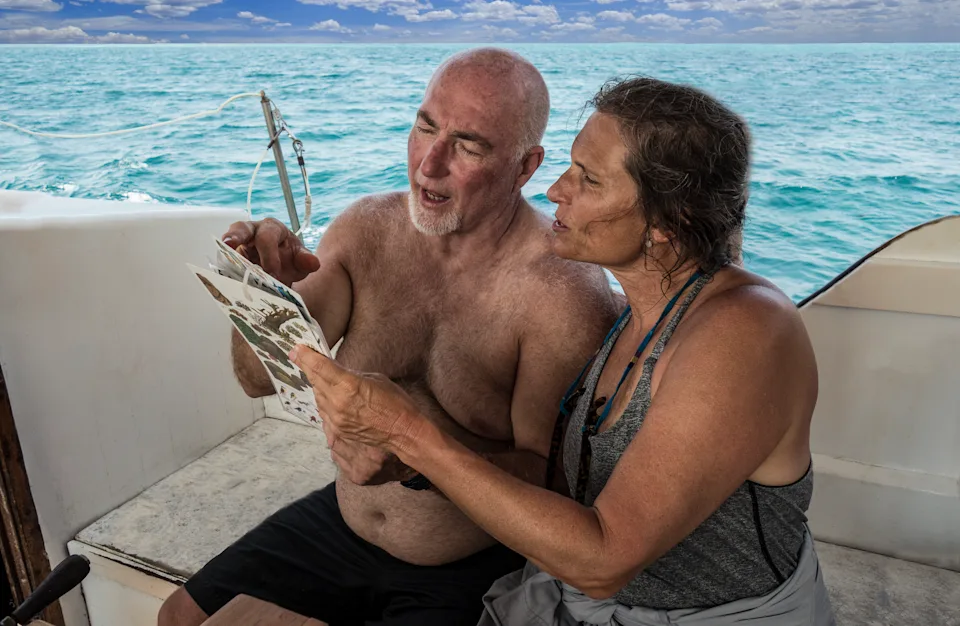
Belize attracts many U.S. retirees with its warm Caribbean waters, English-speaking communities and simple long-stay residency program.
(CampPhoto via Getty Images)
Belize’s Qualified Retired Persons (QRP) Program is tailored specifically to retirees. Applicants must be 40 or older and show at least $2,000 per month in guaranteed income. QRP status also includes duty-free import of personal belongings in the first year.
If you are worried about healthcare, know private healthcare is expanding, especially in beach communities like Ambergris Caye and Placencia. While English-speaking locals and friendly expat networks make the transition smooth for retirees seeking Caribbean living without a language barrier.
Costa Rica: Nature, safety, and a simple path to residency
Costa Rica’s well-known Pensionado Program requires $1,000 a month in steady retirement income, often satisfied by Social Security alone. The residency can be renewed long-term and eventually lead to permanent status.
Healthcare is a major draw, with both public and private systems that many retirees find high-quality and budget-friendly. Whether you are settling in coastal towns for beach living or mountain regions for cooler air, Costa Rica offers a warm and active retirement lifestyle.
Panama: Generous retiree benefits for long-term living
Panama’s Pensionado Visa remains one of the world’s most generous retirement programs. It requires $1,000 per month in lifetime pension income — making it widely accessible — and offers steep discounts on healthcare, domestic travel, dining, and entertainment.
Panama uses the U.S. dollar, simplifying finances. Retirees can choose between urban living in Panama City with international hospitals or quieter, temperate communities in the highlands.
Dominican Republic: Affordable beaches and straightforward residency
The Dominican Republic offers a retiree residency option that typically requires about $1,500 in monthly verifiable income. Processing is generally faster for those with pension income.
Private hospitals in Santo Domingo and Santiago are modern and affordable, and rental prices in coastal hubs like Punta Cana and Cabarete remain much lower than U.S. beach towns. It’s a strong choice for retirees who want Caribbean living without luxury price tags.
Portugal: Europe’s easiest retirement residency

Portugal has become a favorite for U.S. retirees seeking an affordable European lifestyle with coastal beauty and simple residency pathways.
(Gabriel Mello via Getty Images)
Portugal’s D7 Passive Income Visa is one of Europe’s most accessible residency pathways. Applicants must demonstrate about $750 per month in stable passive income for a single person (more for couples), plus modest savings deposited in a Portuguese bank. After several years of residency, retirees may be eligible for permanent residency or citizenship, unlocking visa-free travel to the EU.
Portugal also retains its Golden Visa for those who make eligible economic investments — typically requiring six-figure capital commitments. Beaches in the Algarve and oceanfront towns near Lisbon provide a warmer, more affordable version of European retirement.
Turks & Caicos: For those ready to invest in island living
The Turks & Caicos Islands offer residency options tied to property or business investment. The Homeowner Program generally requires a qualifying real estate purchase in the hundreds of thousands (USD), while permanent residency through investment requires higher minimums.
With turquoise water, strong property values, and short flights to the U.S., it’s a lifestyle-driven option for those prioritizing beauty, safety, and ease of travel. Places like Rock House and South Bank Resort offer upscale, stunning investment opportunities.
How to choose where — and how — to retire abroad
Choosing the correct country is about more than meeting a visa requirement. Climate, healthcare access, language, community, and cost of living will shape everyday life. Some retirees want walkable coastal towns with plenty of English speakers. Others seek a dramatic change — a mountain village where they learn a new language and build friendships with locals.
Some Americans simply want a part-time retirement abroad — escaping snow and stretching their dollars each winter. Others prefer to stay closer to home and spend those months in warm U.S. destinations that offer lower living costs, while still enjoying sunshine and an active lifestyle.
Either way, today’s retirees have more choices than ever before. With the right match of resources, residency, and environment, retiring overseas can feel not just financially savvy — but personally rewarding.