

All products featured on Condé Nast Traveler are independently selected by Condé Nast Traveler editors. However, when you buy something through our retail links, Condé Nast may earn an affiliate commission.
Chris Schalkx
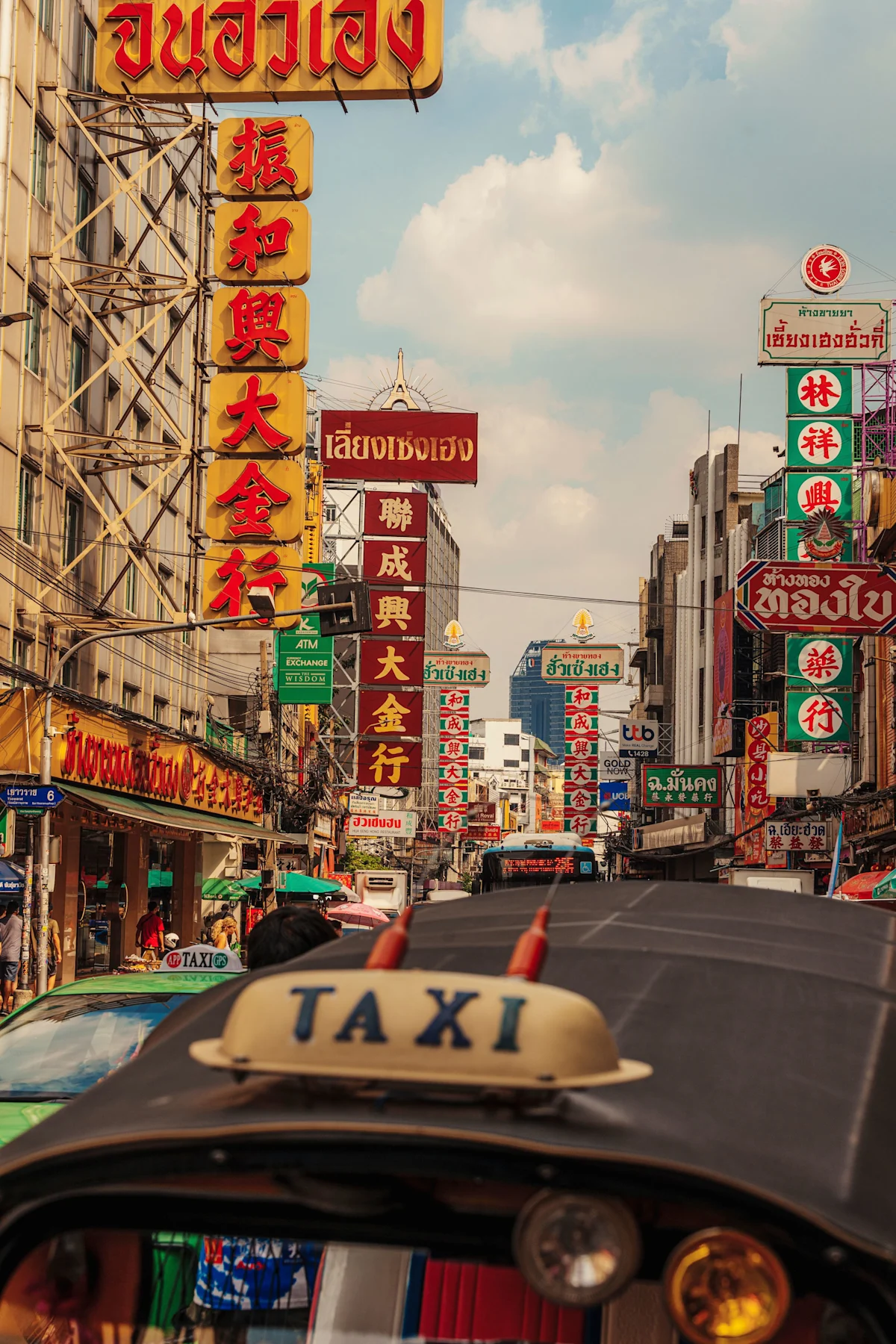
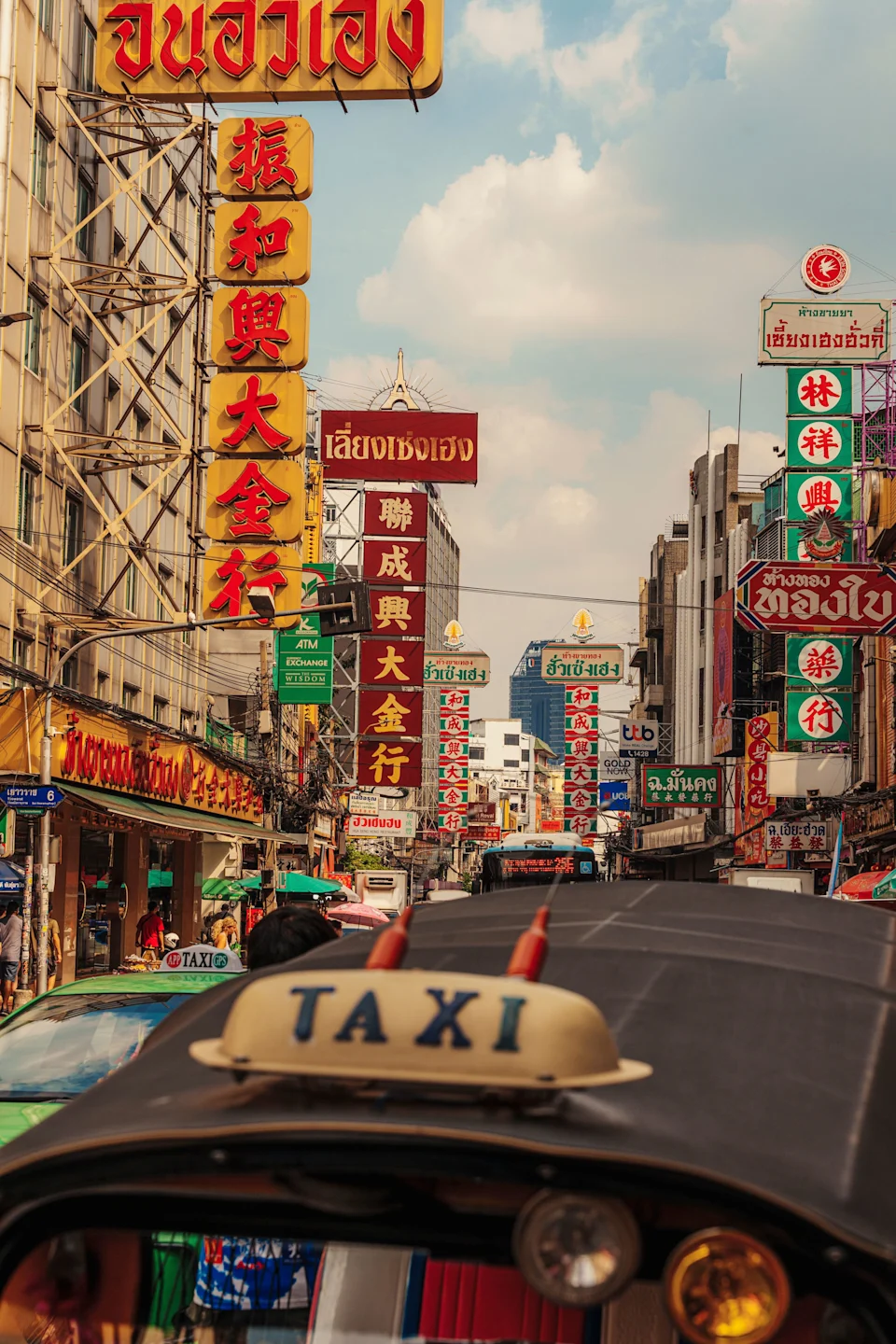
Bangkok’s Chinatown has long had a vibrant pulse, but for years the cool crowd clustered around Soi Nana, a lantern-strung side street packed with galleries and cocktail bars. Now the action has spilled onto its main drag, Yaowarat, and the waterfront lanes of Song Wat, where neon signs flicker above timeworn shophouses remade as boutiques, bars, and restaurants. Go soon to experience the neighborhood at its most authentic: With several big-brand hotels, including a Ritz-Carlton and an InterContinental, set to rise nearby, this appealingly gritty corner of town is sure to evolve in the years to come.
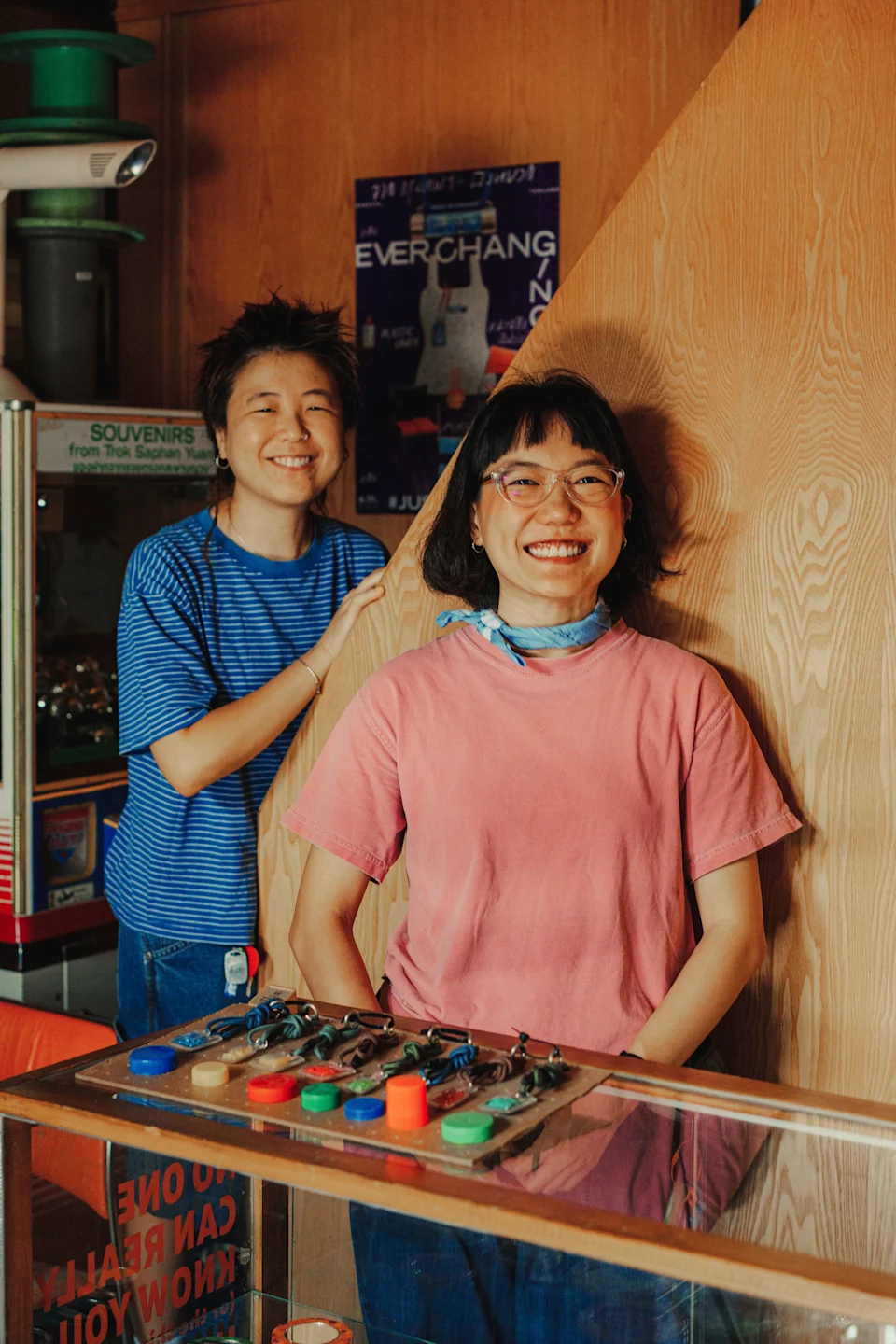
Piyapa Vichiansan and Pim Chalocha, owners of boutique A Thing Snuk, unveil their product drops on Instagram.
Chris Schalkx
Where to get unique, upcycled souvenirs
Discarded bottle caps, bags, and other plastic waste get a second life at A Thing Snuk, a stamp-size boutique selling colorful hair clips, coasters, and desktop accessories made from terrazzo-and marble-like sheets of compressed plastic scrap. Keep an eye on the shop’s Instagram page for fresh product drops and craft workshops held at the studio next door.
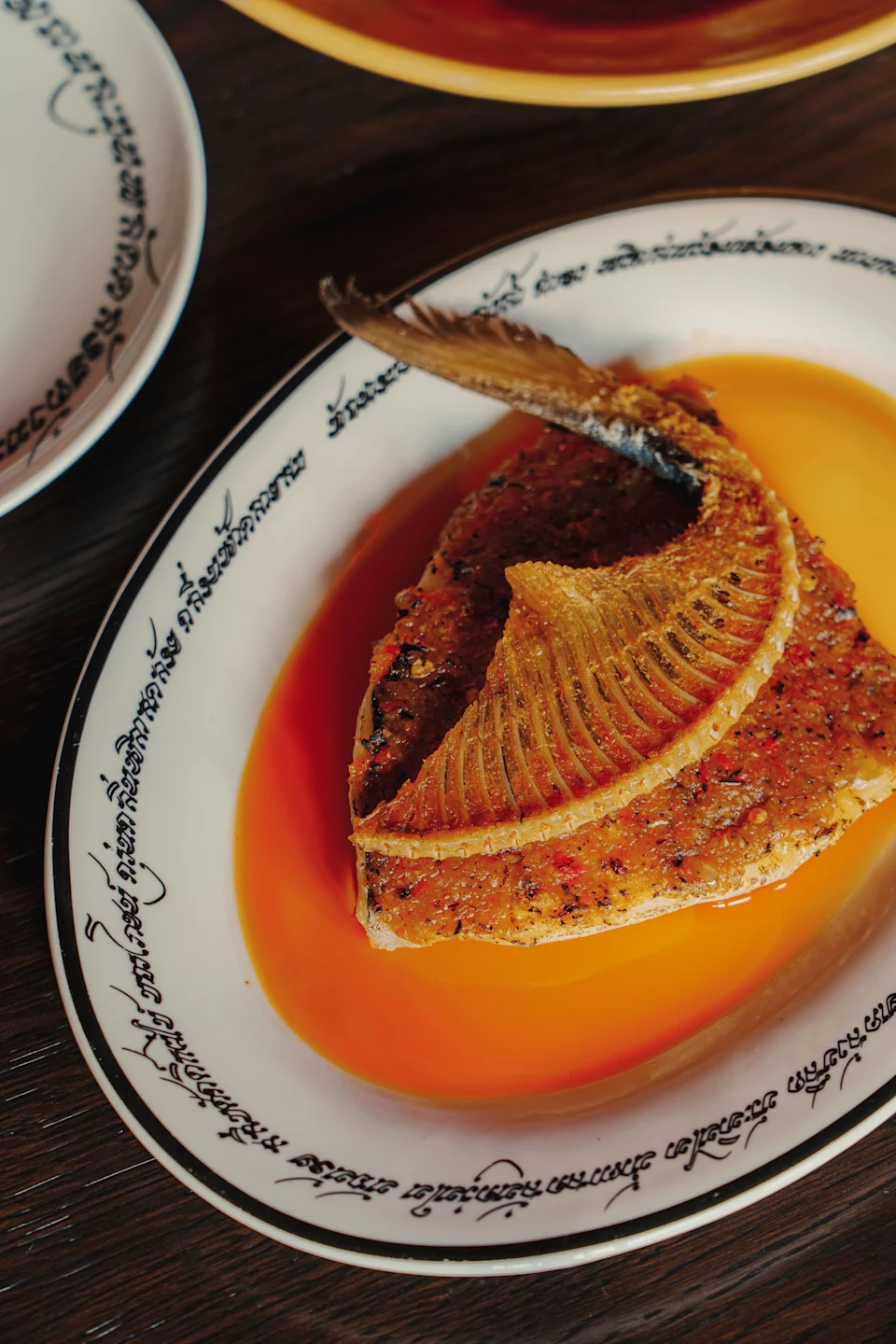
Khao San Sek’s menu revolves around the most characteristic local ingredients—rice, chile, coconut, fish sauce, and palm sugar.
Chris Schalkx
Where to dine
In 2021, Chef Pichaya “Pam” Soontornyanakij put Chinatown on the global gourmet map by transforming her great-grandparents’ herbal medicine dispensary into Potong, a Thai-Chinese fine dining spot that has received endless accolades. Her new Khao San Sek, set in a jumbled shophouse down the road, drops the haute polish to offer Thai cooking at its essence, with a menu revolving around the most characteristic local ingredients—rice, chile, coconut, fish sauce, and palm sugar—served in fiery curries, punchy relishes, and charcoal-grilled seafood.
Where to shop for art
Chinatown’s rough-edged energy inspired the duo behind TARS Unlimited (short for The Artist Run Space) to relocate their decade-old downtown gallery to an early-19th-century factory off Song Wat Road. A rotating roster of mostly Thai artists treats the weathered building as part of their work, with site-specific pieces that incorporate Buddhist posters left by prior tenants or the afternoon light that filters through the windows. Stop by for limited edition caps and shirts made in collaboration with the exhibiting artists.
Where to grab all-day eats
Landing a last-minute table at Charmgang or Charmkrung, chef Aruss “Jai” Lerlerstkull’s hot-ticket Thai diners on Charoen Krung Road, is not an easy task, but his new casual spot, Charmkok, is more accessible. By day the restaurant serves Southern Thai lunch staples such as Hat Yai karaage chicken, rice noodles with crab curry, and melt-in-your-mouth pork belly smoked with sugarcane. After dark, the space transforms into a standing bar with a craft-beer-heavy drink list and a menu of kap klaem (“drinking foods”).
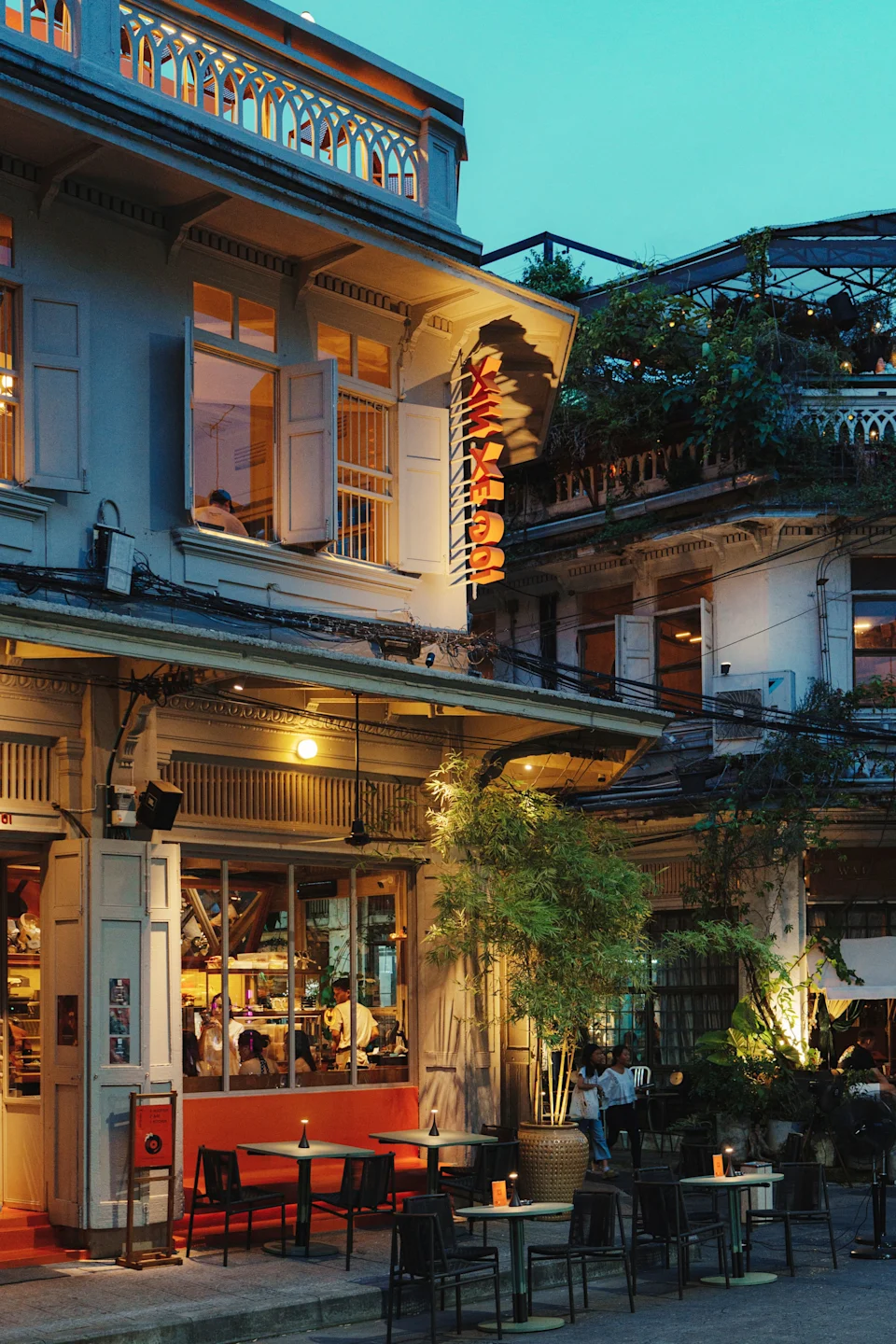
The restaurant Xin Xe Goi evokes the Hainanese cookshops that thrived in the district in the early 20th century.
Chris Schalkx
Where to get a sundowner
Across the street from Ba Hao, a fixture on Chinatown’s pioneering bar strip Soi Nana, the same team has added Xin Xe Goi, which tips its hat to the Hainanese cookshops that thrived here in the early 20th century. The open kitchen turns out Western dishes through a Thai-Chinese lens: spaghetti with smoked duck in peanut butter sauce, braised beef tongue with creamy potato mash. Head to the snug rooftop terrace early for a sundowner.
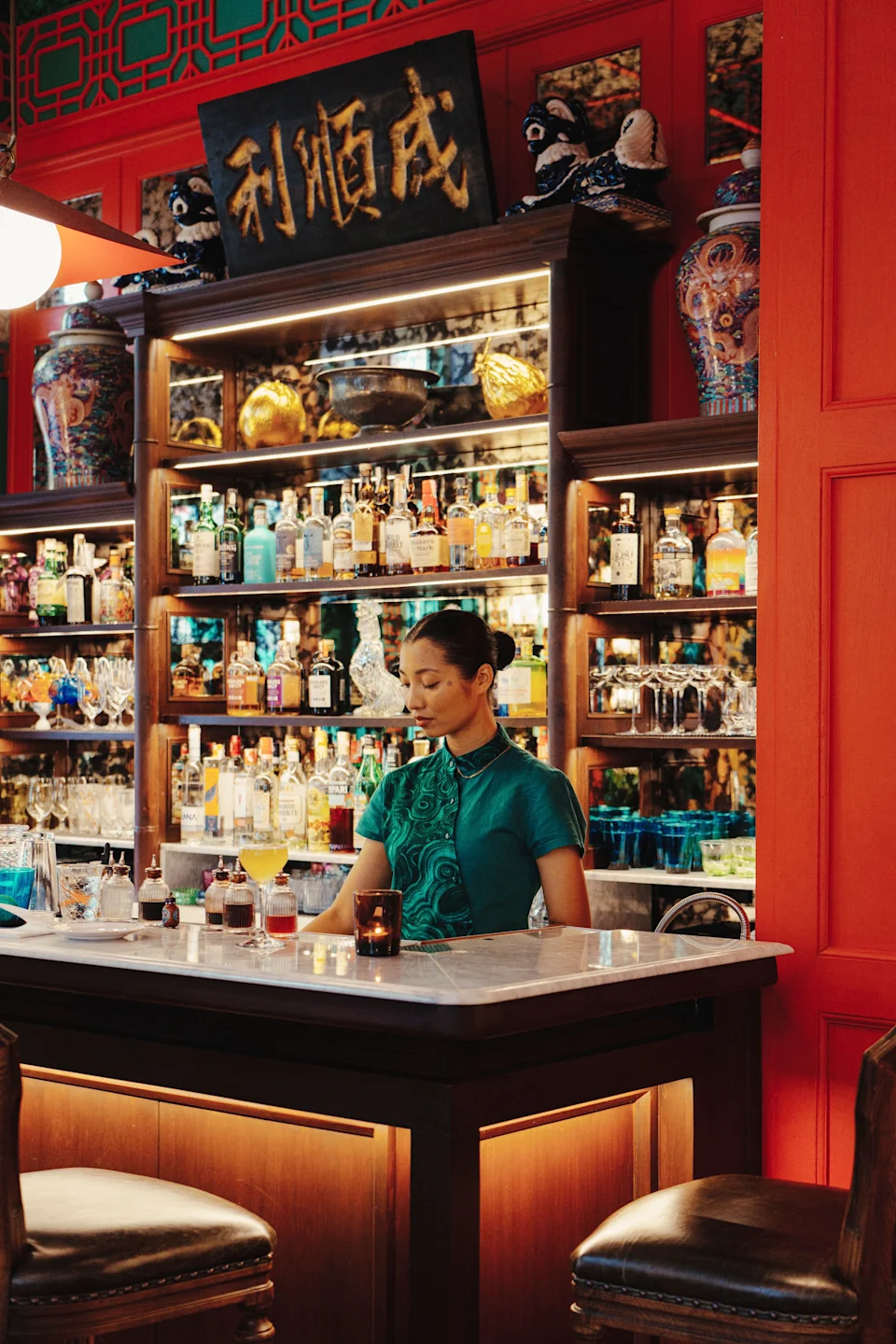
Goldsmith (named for the building’s past life as a goldsmith) nods to the Chinese spice emporiums that still pepper the neighborhood.
Chris Schalkx
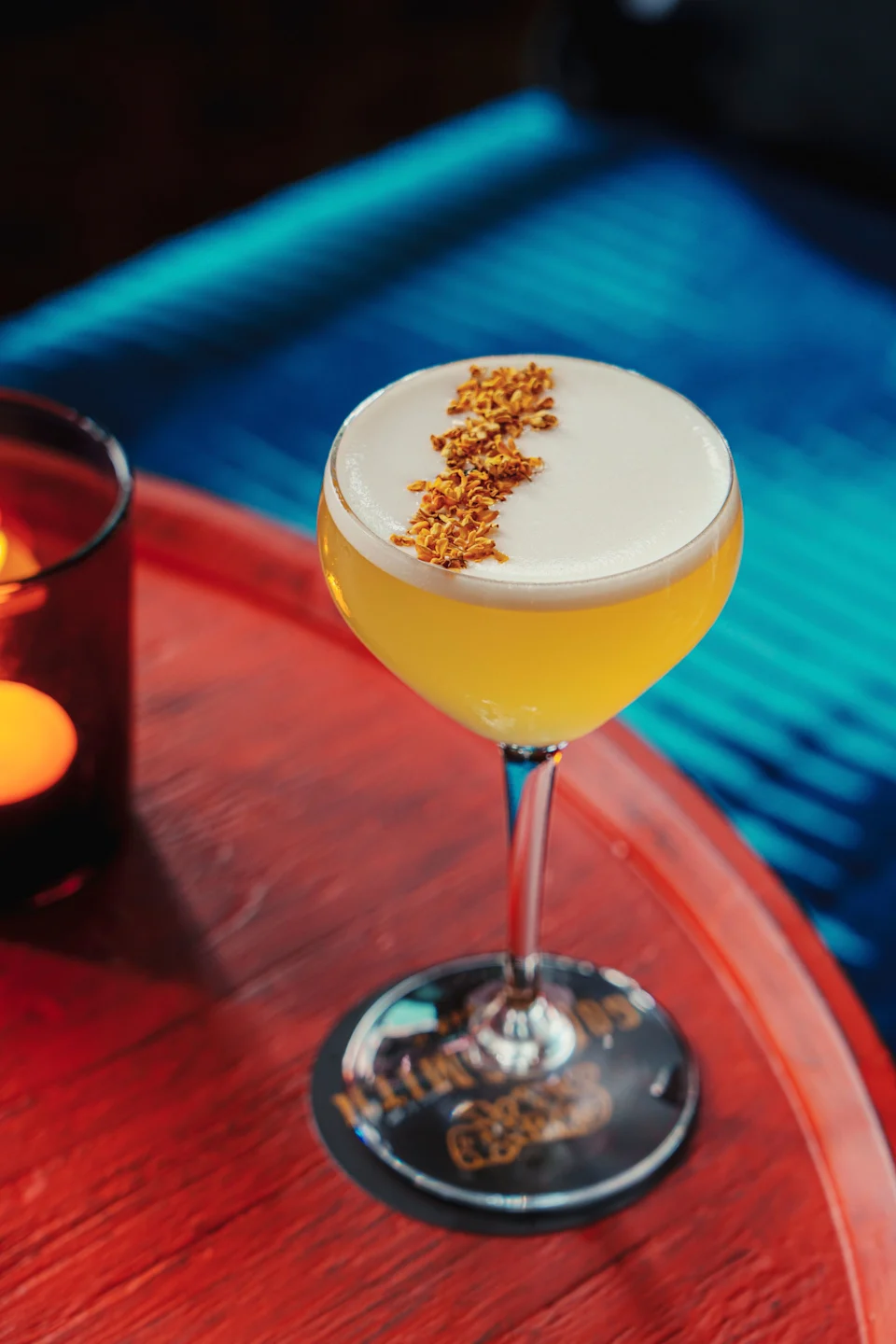
The spirit-forward cocktail list makes great use of salted plum, osmanthus, and other market finds.
Chris Schalkx
Where to drink
Hidden above Chop Chop Cook Shop, Australian chef David Thompson’s latest restaurant on Chinatown’s neon-lit main drag, the Sino-chic Goldsmith (named for the building’s past life as a goldsmith) nods to the Chinese spice emporiums that still pepper the neighborhood. The tight spirit-forward cocktail list makes ample use of salted plum, osmanthus, and other market finds that Thompson has powdered, fat-washed, or infused. Arrive hungry enough to enjoy the bar snacks, especially the honey-glazed bak kwa pork jerky with spicy dipping sauce.
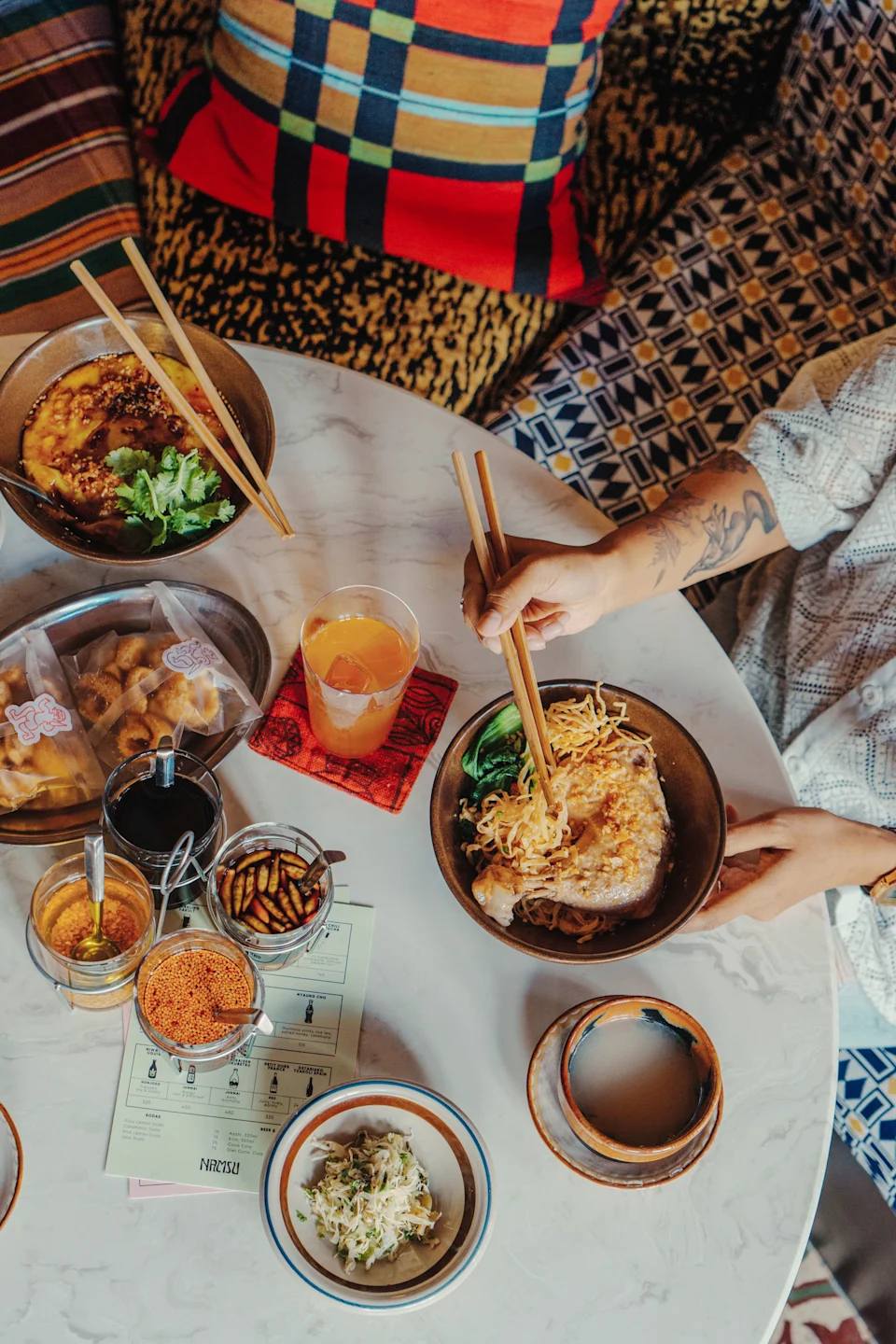
Namsu features modern takes on recipes from Myanmar’s Shan State: Kachin curry clams, fermented tea-leaf salads, and chicken wings stuffed with sticky rice.
Chris Schalkx
Where to try Myanmar cuisine
With Baan Trok Tua Ngork, four creative siblings have breathed new life into their great-grandparents’ century-old home, transforming the four-story building into a community hub of bars, bistros, and pop-up markets. Chief among them is Namsu on the second floor, where modern takes on recipes from Myanmar’s Shan State—Kachin curry clams, fermented tea-leaf salads, and chicken wings stuffed with sticky rice—come paired with one of Bangkok’s most extensive collections of artisanal sakes.
This article appeared in the December 2025 issue of Condé Nast Traveler. Subscribe to the magazine here.
Originally Appeared on Condé Nast Traveler
Trending Travel Destinations