Can Ashwagandha Actually Increase Testosterone?
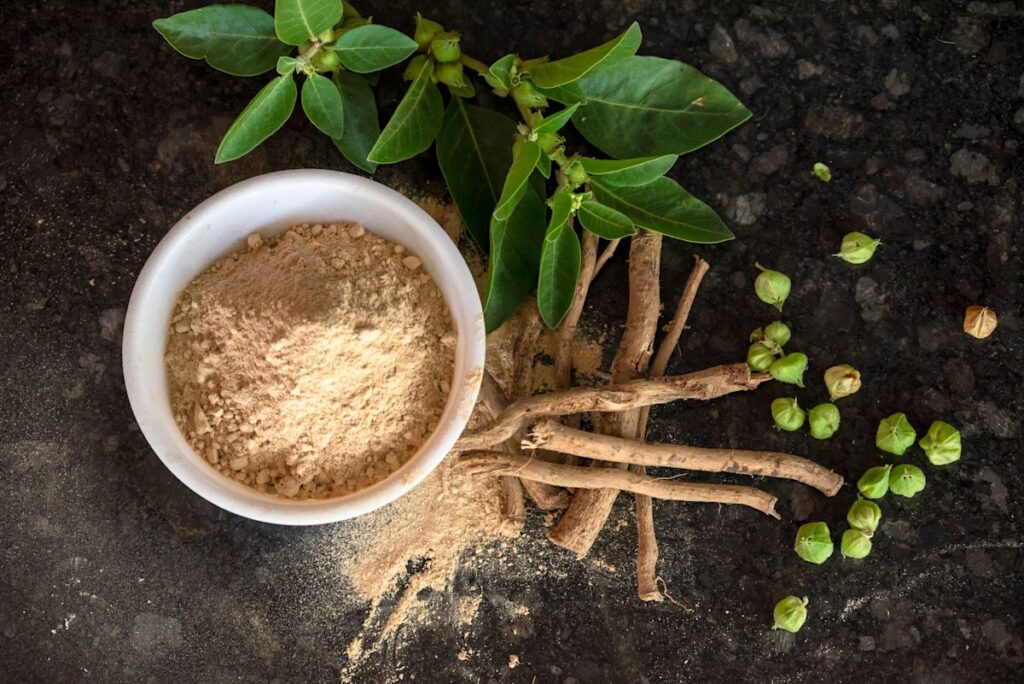
Ashwagandha has become a popular supplement among men looking to improve testosterone levels, reduce stress, and support exercise recovery. Traditionally used in Ayurvedic medicine, the plant contains naturally occurring compounds known as withanolides, which are believed to contribute to many of its physiological effects.
Much of the interest surrounding ashwagandha stems from its potential influence on cortisol production. Considering the relationship between chronic stress and reproductive hormone function, researchers have questioned whether reducing stress through supplementation could also influence testosterone concentrations.
The Relationship Between Cortisol and Testosterone
Cortisol is a steroid hormone produced by the adrenal glands in response to signals from the hypothalamic-pituitary-adrenal (HPA) axis. It plays an important role in glucose regulation, immune function, and the body’s ability to respond to physical and psychological stress.
Advertisement
Advertisement
Temporary elevations in cortisol are a normal physiological response to exercise. However, persistently elevated cortisol associated with chronic stress may interfere with reproductive hormone regulation.
Prolonged stress can disrupt the hypothalamic-pituitary-gonadal (HPG) axis, which regulates testosterone production. Changes in hypothalamic and pituitary signaling may reduce the stimulation of Leydig cells within the testes, potentially contributing to lower testosterone concentrations.
Chronic stress can also indirectly influence hormonal health by disrupting sleep, altering appetite, and compromising exercise recovery. For physically active men, these factors can become particularly problematic when combined with inadequate caloric intake and excessive training volume.
Can Ashwagandha Meaningfully Increase Testosterone?
Several clinical studies have reported reductions in perceived stress and circulating cortisol concentrations following ashwagandha supplementation. Some have also observed increases in testosterone among men participating in resistance training or experiencing symptoms of stress and fatigue.
Advertisement
Advertisement
However, the relationship between these findings is not necessarily straightforward. One study involving middle-aged and older men found that ashwagandha supplementation increased testosterone concentrations without producing a significant reduction in cortisol compared to a placebo. This suggests that other mechanisms may be involved.
Another consideration is the population being studied. Men experiencing chronic stress, inadequate sleep, or compromised hormonal function may respond differently to supplementation than healthy individuals who already have normal testosterone concentrations.
Much of the available research has involved relatively small sample sizes and supplementation periods lasting only a few months. It remains unclear whether the reported hormonal changes are sustained over longer periods or substantial enough to produce meaningful improvements in muscular development, libido, or physical performance.
Ashwagandha is also not without potential side effects. Gastrointestinal discomfort and drowsiness have been reported, along with rare cases of liver injury. The supplement may also influence thyroid hormone concentrations and interact with certain prescription medications.
Advertisement
Advertisement
For men interested in supporting testosterone production, addressing the underlying causes of chronic stress may be considerably more beneficial than relying on supplementation alone. Consistently sleeping fewer than six hours, consuming insufficient calories, and training beyond the body’s recovery capacity can all contribute to an unfavorable hormonal environment.
It is also worth recognizing that cortisol is not inherently detrimental to muscular development or male hormonal health. The body requires cortisol to maintain normal physiological function, and suppressing its production unnecessarily is not a desirable outcome.
Ashwagandha may have a place in stress management, particularly for individuals experiencing persistent psychological stress. However, its reputation as a natural testosterone booster is somewhat ahead of the available evidence. Men experiencing symptoms of testosterone deficiency should pursue appropriate medical evaluation rather than attempting to correct a potential hormonal imbalance through supplementation alone.
This story was originally published by Men’s Fitness on Nov 27, 2026, where it first appeared in the Wellness section. Add Men’s Fitness as a Preferred Source by clicking here.