 3 min read
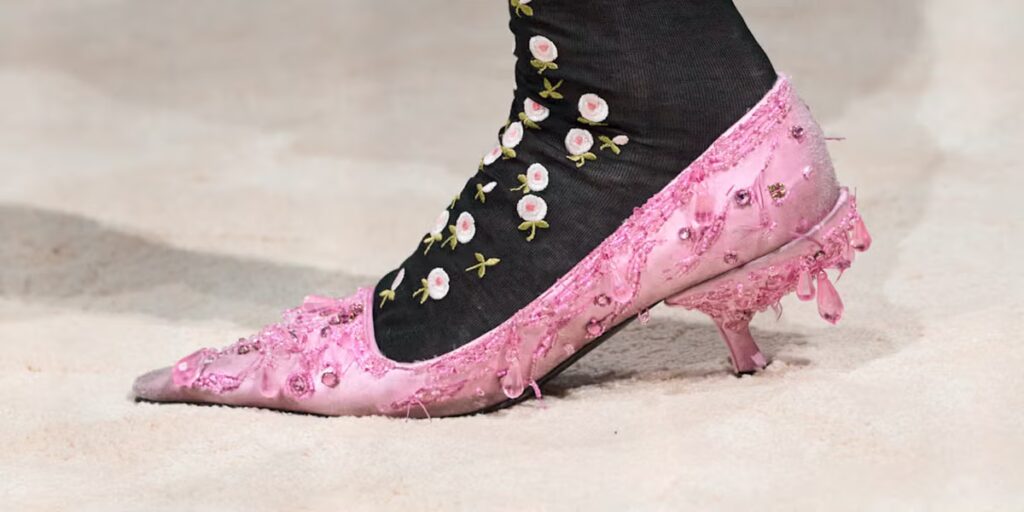
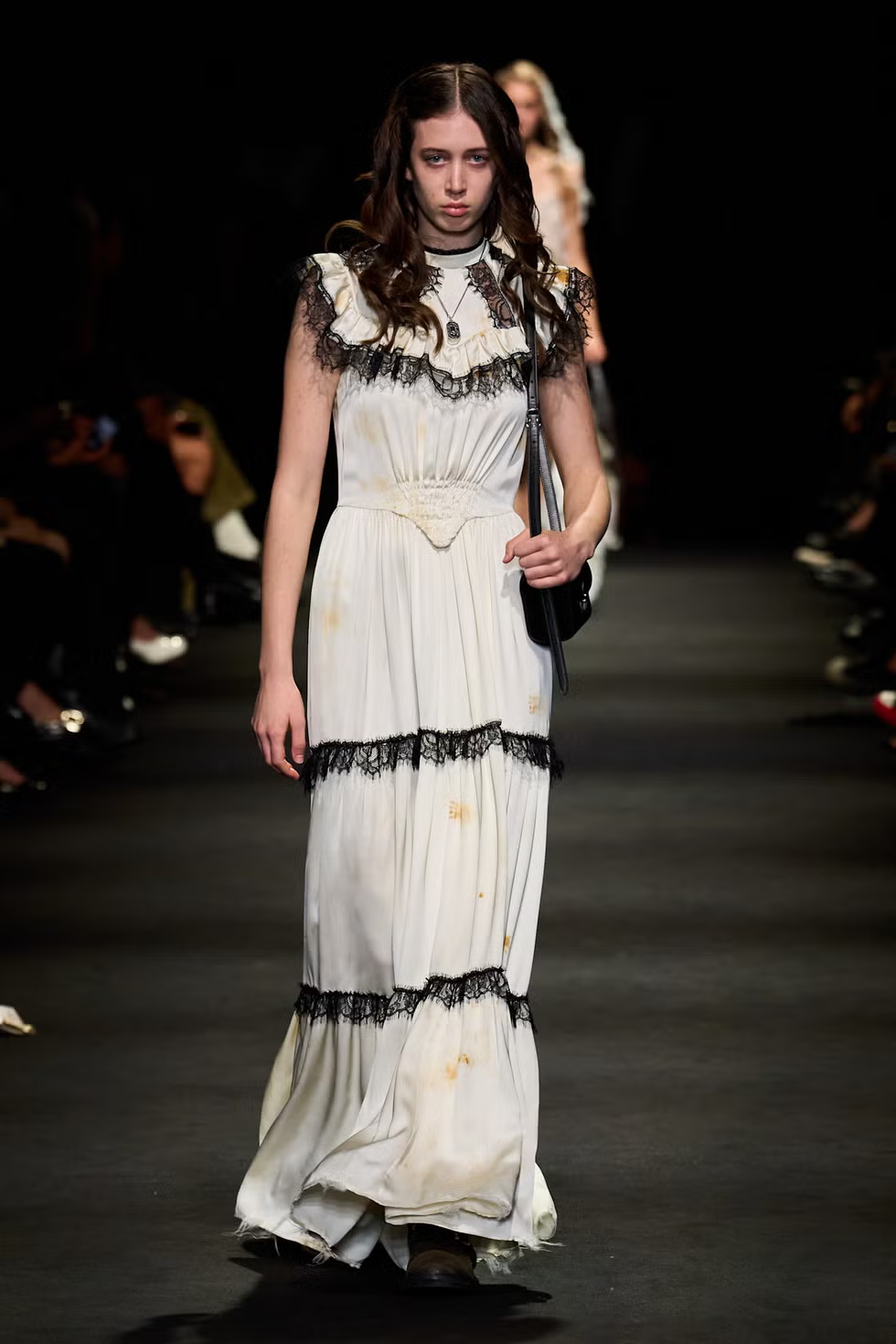
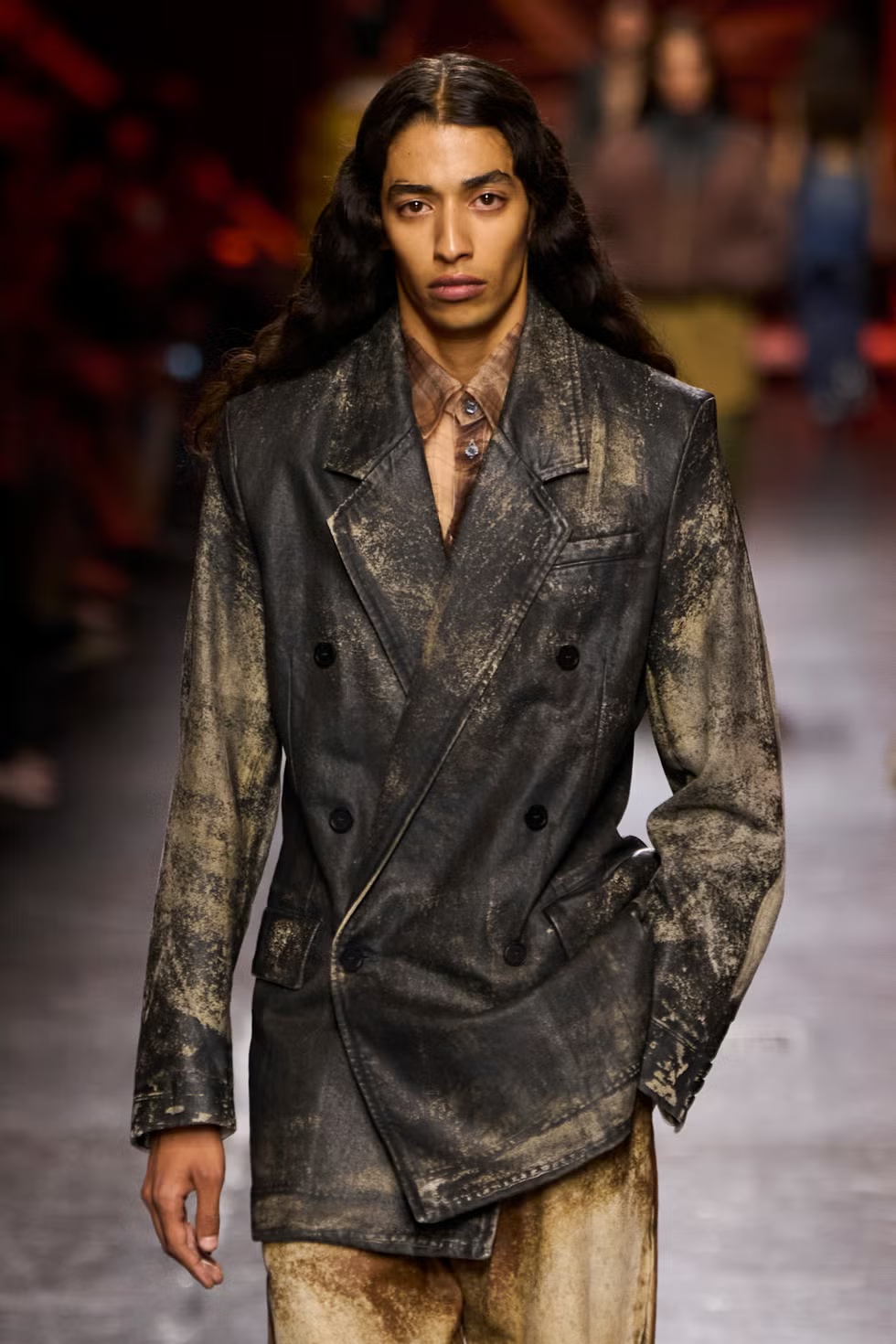
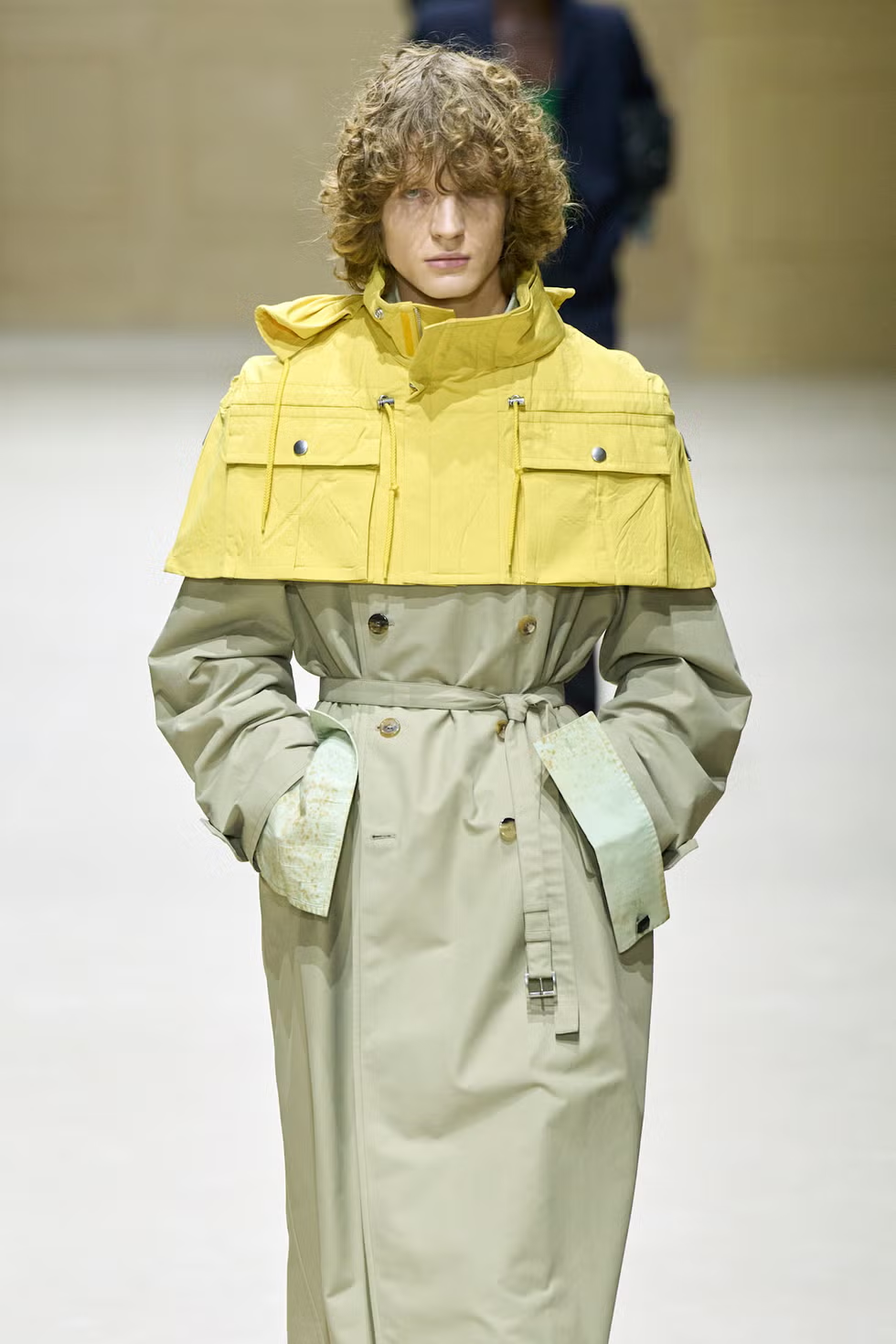
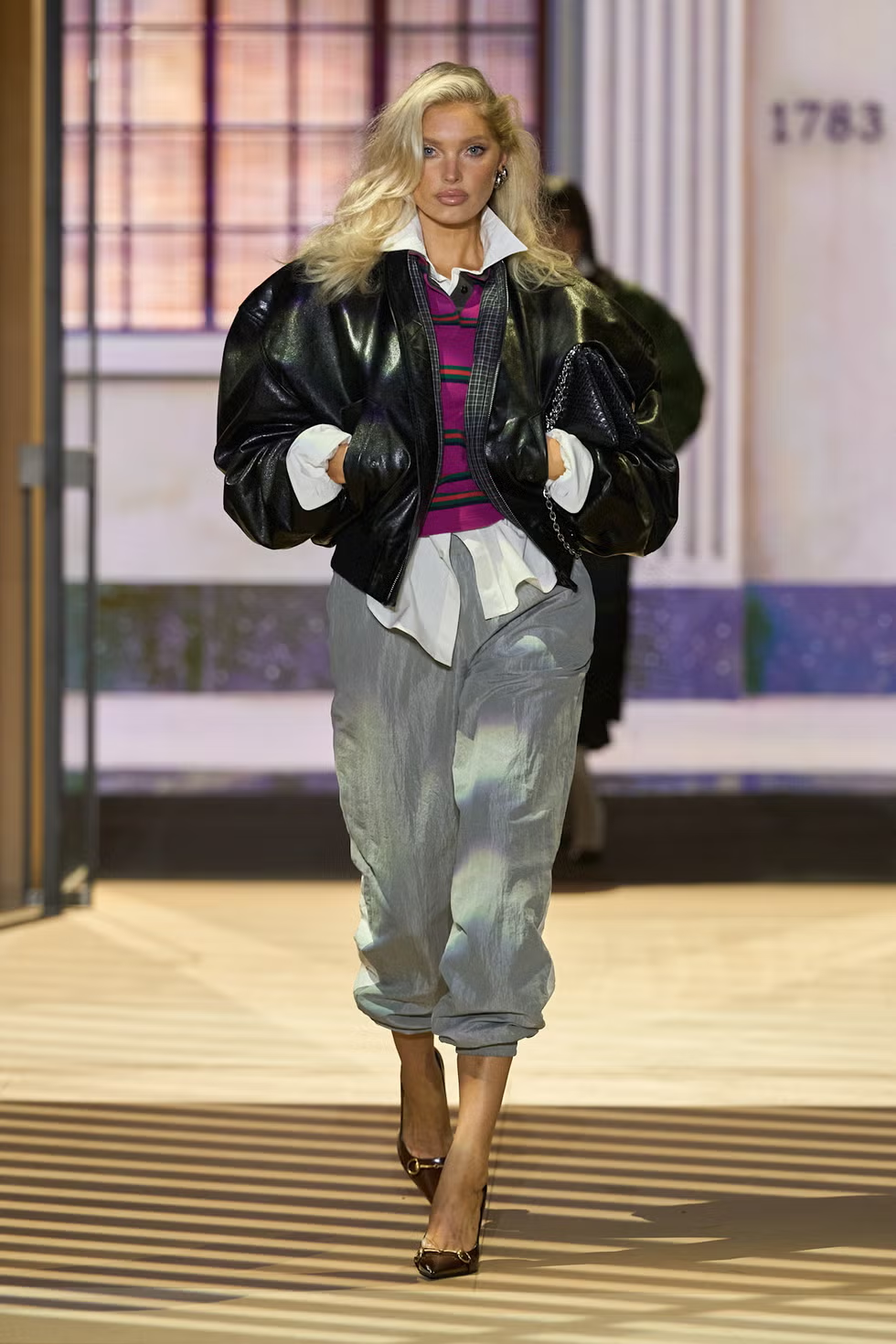
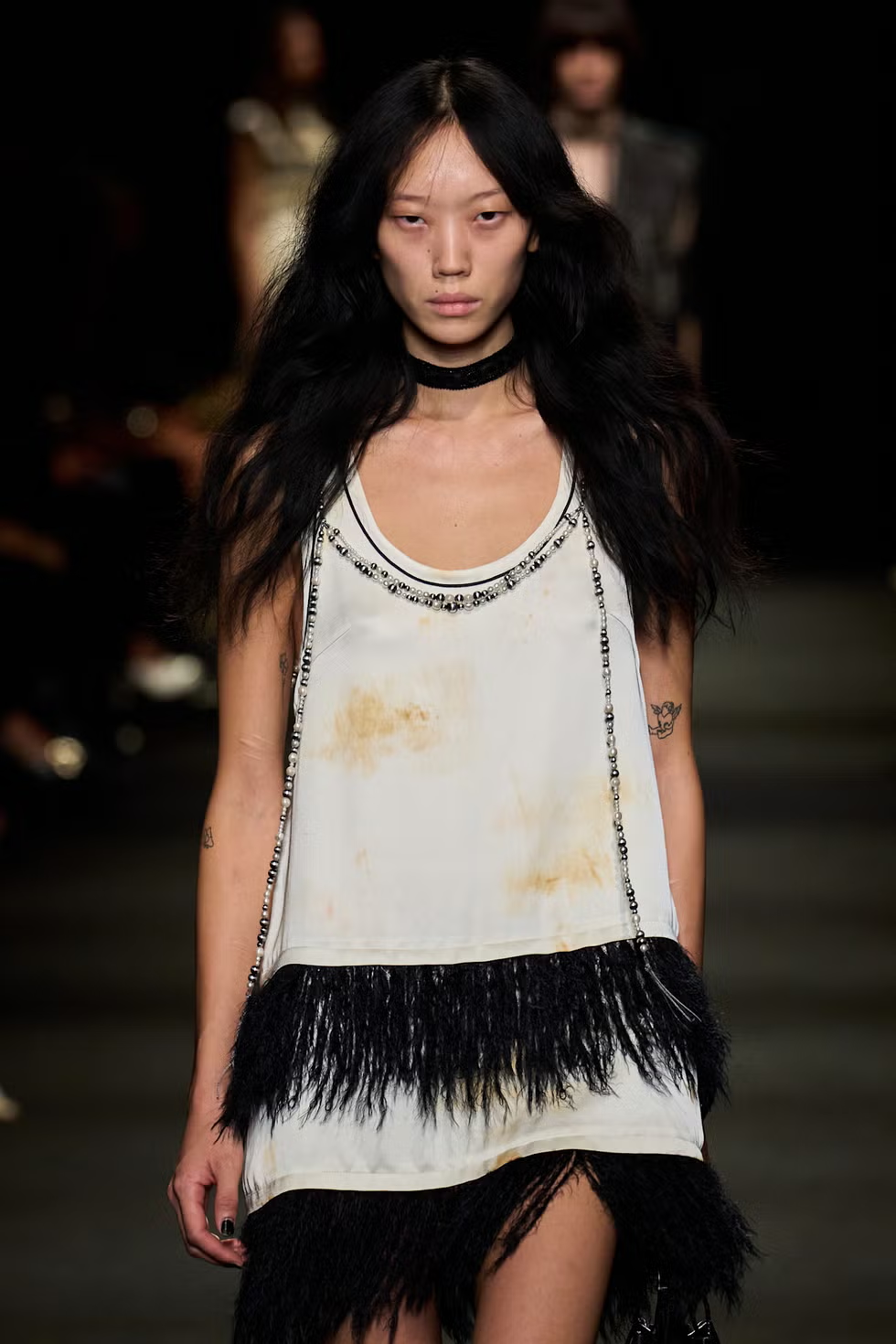
In 2026, the runways are ripe with notes of distressing and deconstruction. For fall/winter 2026, Prada sent crystal-covered embellished heels down the runway with perfectly pointed toes that looked as if they had just accidentally graced a puddle of distinctly dirty New York City rainwater. The same is true for the label’s menswear collections: deliberate stains, frayed fabrics, and wrinkles were intentional and core to the aesthetic. At Miu Miu and Coach, leathers were aged. And for spring/summer 2027, Louis Vuitton, Gucci, Valentino, Diesel, and JW Anderson showcased elements of worn-in style, with damaged, repaired, dirty, and distressed looks dominating. After seasons of quiet luxury defined by minimal, poised, and perfected aesthetics, something about fashion’s new love affair with mess feels refreshing.
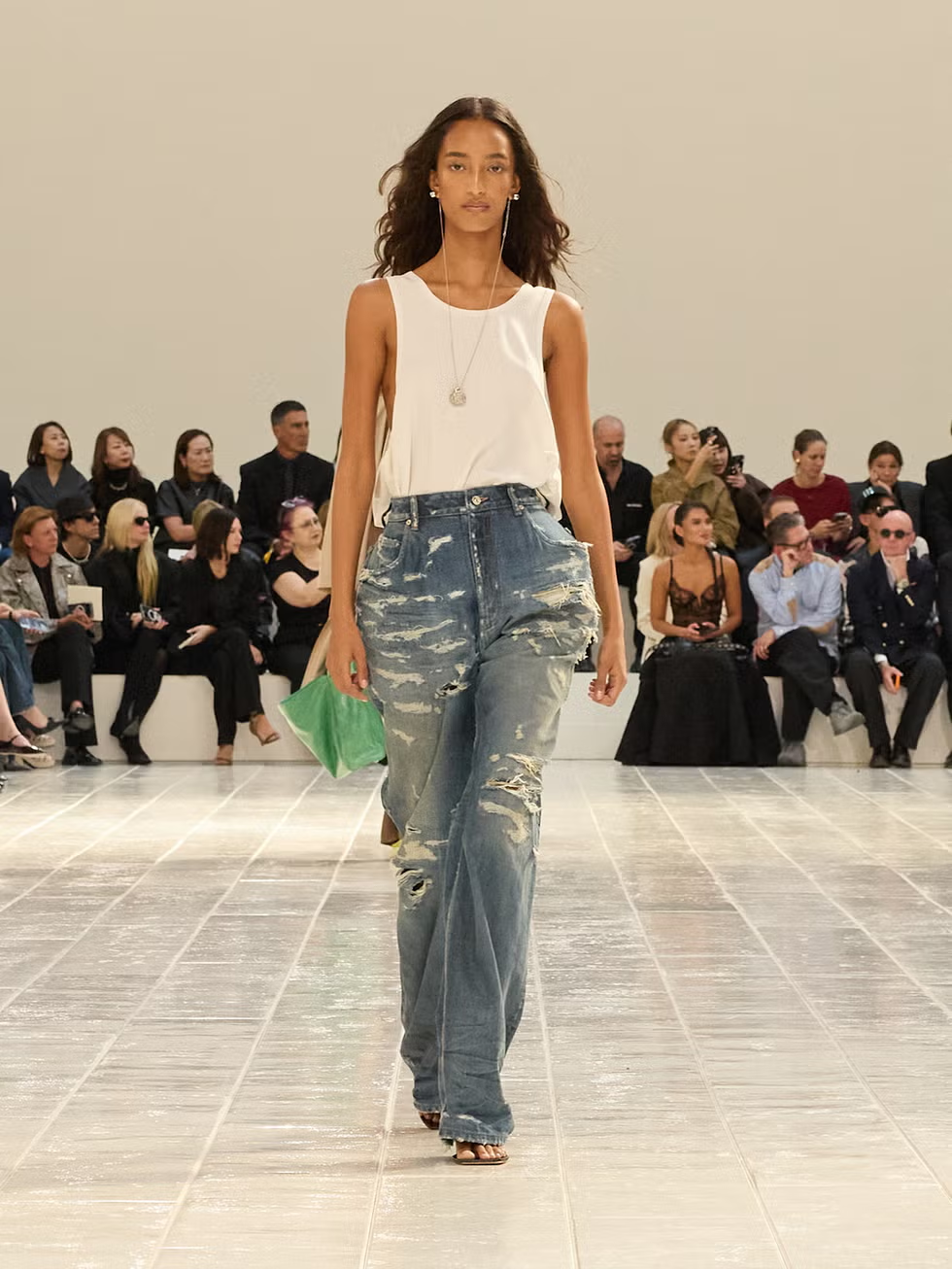
With 2008 fashion on the rise, too, maybe we’re closer than we ever thought to going back to ripped jeans. Ann Demeulemeester, Balenciaga, and Diesel seem to think so, as all of these labels put frayed jeans on the runway for the spring/summer 2027 season. Ann Demeulemeester creative director Stefano Gallici brainstormed his new collection on a journey through the Californian desert, and in the show notes mentioned intentional wear, via “Ceremony tailoring worn to death, or to eternity.”
Ann Demeulemeester spring/summer 2027.
Diesel spring/summer 2027.
Prada fall/winter 2026 menswear.
But why is fashion obsessed with looking worn out right now? Valerie Steele, director and chief curator of The Museum at the Fashion Institute of Technology, thinks there’s never been a better time for it. “There is kind of a crisis in fashion right now,” she tells ELLE. “Fashion has started to seem really out of touch with real life and real people.” One example: luxury fashion’s pricing is so high right now that some brands, like Gucci, have announced that they’ll be reducing prices by as much as 30 percent. Also: “There is kind of more of an interest in what ‘real people’ wear. You know, what does it mean to be authentic? I mean, in many ways, I would say that authenticity is a chimera. You know, it’s a mythical beast that doesn’t really exist in a totally commodified, late capitalist world,” says Steele.
Steele notes the damaged jeans of the Y2K era, ’90s grunge moments, and earlier punk movements as similar examples. Deliberate distressing has also been famously done and documented by some of the greats, like Vivienne Westwood, Rei Kawakubo, and even Alber Elbaz, also coinciding with unique moments in time when economics and politics made it all the more interesting and, in some cases, ironic. “Fashion is supposed to be new and transgressive,” says Steele. “So, if scuffing your shoes is gonna make them more fashionable, then you go for it, right?”
Intentionally distressed, messy fashion has been around for hundreds of years, however. “We also saw it actually with some male dandies in the second half of the 19th century,” says Steele. “You also had some of that sensibility in New England in the late 19th century when wealthy people in Boston would go to Paris and buy their couture clothes, and then they just keep them in a trunk for a year, so they wouldn’t be so new when they were worn for the first time. It has a lot to do with the idea that the sort of shiny newness of fashion may seem a little bit fashion victim-y. They weren’t having to show off that it was brand new.”
Gucci spring/summer 2027.
Ann Demeulemeester spring/summer 2027.
Balenciaga spring/summer 2027.
In case there was any doubt that the distressed effect is just another example of insular runway fashion, people are actually buying ripped, stained, destroyed clothes outside of the designer space, too. Just look at Distressed Fest, a biannual, bicoastal vintage clothing pop-up event focused on heavily worn, threadbare, and destroyed garments that are sold for a premium. Scuffs, rips, stains, and all: as ironic as it may be, fashion’s current status symbol now is looking like you’ve been through something.
Source: ELLE
Source link