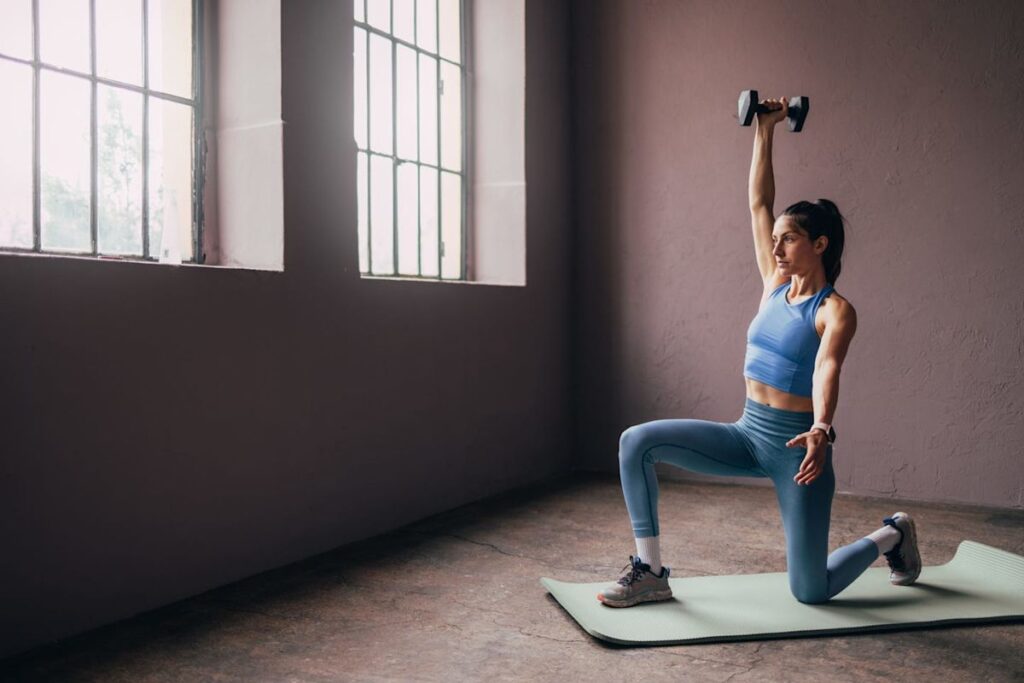
Committing to any level of exercise isn’t easy, even whether you’re a gym regular. But a recent Penn State College of Medicine study may be music to the ears of anyone looking to get active with minimal effort—especially older adults. The findings suggest that four minutes a day of strength training helped improve leg strength and balance in adults 65 and older. The benefits are significant for study participants, but whether the results translate to younger folks is up for debate. Dr. Harry Pino, director of human performance and exercise physiology at Yunara, unpacks if four minutes of exercise can help make gains or if it’s all too good to be true.
What kind of exercises are most effective in a short period of time?
Time may not matter as much as you think. But before diving into the details of your workout, Pino suggests figuring out your goals and assessing your current fitness level. If you’re unsure which exercises work best for your end results, Pino offers this breakdown:
-
High-Intensity Interval Training (HIIT): Alternating vigorous activity with recovery can efficiently improve cardiovascular fitness.
-
Circuit Training: Combining exercises that target different muscle groups builds muscular endurance while challenging the cardiovascular system.
-
Mini Workouts: Short bursts of movement throughout the day can improve health and help offset prolonged sitting.
-
Strength Training: Compound movements like squats, lunges, and push-ups engage multiple muscle groups, making them efficient for building strength.
Advertisement
Advertisement
“The best four-minute workout is one that challenges your body appropriately. Intensity matters, but consistency and progressive improvement are what drive long-term results,” Pino tells ELLE.
What can four minutes of exercise do for the body?
It may seem insignificant and the warm-up may take longer than the exercises themselves, but Pino says four minutes can make a measurable difference, especially for someone who’s been sedentary. “Research shows that brief daily strength workouts can improve balance, leg strength, and mobility in older adults. These improvements directly support physical function and independence as we age.”
Are four minutes of exercise effective?
The good news is yes, absolutely. According to Pino, exercise benefits are cumulative, and even brief sessions can stimulate positive adaptations when performed consistently. “Four minutes won’t replace a comprehensive fitness routine, but it’s an excellent starting point. Small, sustainable habits often produce the greatest long-term impact,” he says.
How should you put together a four-minute workout routine?
Focus on exercises that match your goals and fitness level. Pino’s recommendation is to start with a simple routine that might include 30 seconds each of squats, push-ups, step-ups, and resistance band rows, alternating with 30 seconds of recovery. “Prioritize proper form and gradually increase the challenge as your fitness improves,” he specifies.
What should you do before and after a short workout to optimize results?
Even a short workout benefits from a warm-up, particularly at higher intensities. Start with gentle movement to prepare your muscles and joints. Afterward, prioritize hydration, adequate nutrition, and quality sleep. Pino notes that exercise provides the stimulus, but recovery allows the body to adapt.
How does body type play into a short workout routine?
There is no one-size-fits-all workout routine, no matter your body type or how active you are. “Fitness level, strength, and mobility are much more important than body shape when designing a workout. Beginners may benefit from modified movements, while more experienced individuals can increase resistance or intensity. The goal is to challenge the body safely and progressively,” says Pino.
Are shorter workouts more beneficial for older people?
The Penn State study only studied an older set of adults, primarily to understand how to prevent falls and balance concerns that can come with age. While Pino explained that these findings can have a positive impact for anyone looking to get active, he agrees that short workouts can be especially valuable for older adults. “They’re accessible and easier to maintain consistently. Even a few minutes of daily strength training can improve balance, mobility, and functional strength. These improvements are critical for preserving independence and quality of life as we age,” Pino says.
You Might Also Like