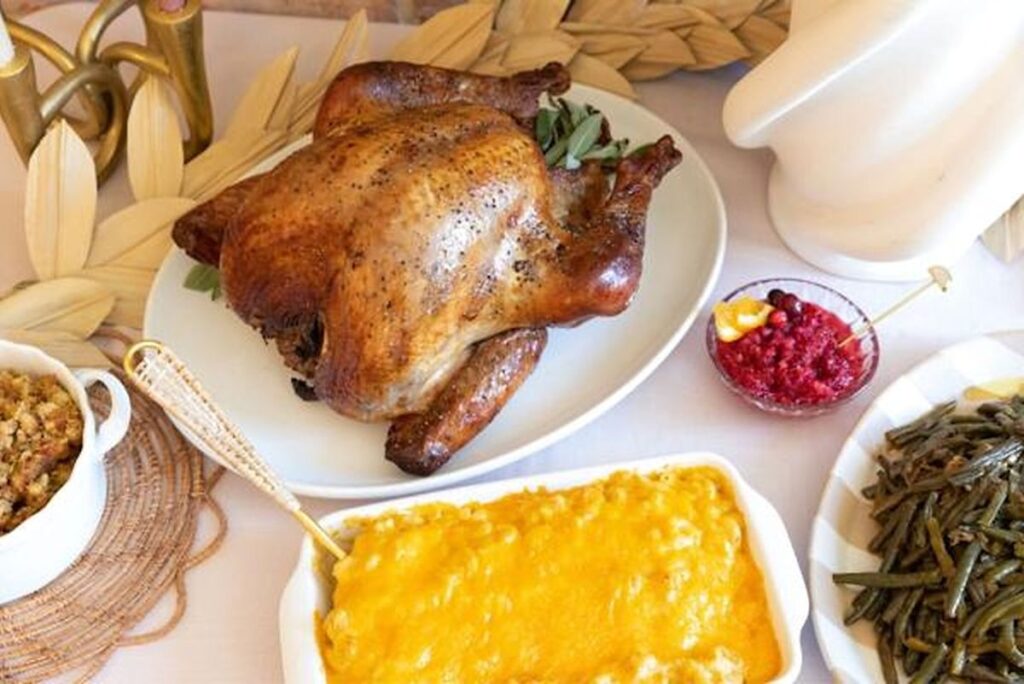
Thanksgiving and other big holiday meals can be tricky for those taking popular GLP-1 weight loss drugs or others on special or restricted diets. But there is a way to navigate the feast and stay on track.
It takes some planning and prioritizing, dietitians said. For hosts, it might mean taking into account people who have different dietary needs and making adjustments or offering alternatives, experts said.
Thanksgiving has long reigned supreme as the biggest and grandest meal most Americans have in a year. For many, it is spectacular day of indulgence and feasting. But for people on weight-loss drugs or those with stricter nutritional needs, that traditional heavy meal may not work for them.
Advertisement
Advertisement
Clinical dietitian Abigail Reau of Roper St. Francis Physician Partners Bariatric Surgery leads a bariatric support group for patients. The discussion this time of year is on navigating holiday family meals.
“There are definitely some guidelines” for those patients, she said. The first thing is not to feel guilt or remorse about taking part in the big holiday meal, Reau said.
“It is still a holiday, so I always encourage people to focus on spending time with their family and friends versus focusing and worrying about the food aspect,” she said.
But when it comes to the actual eating, it helps to have a smart strategy when approaching the table. One is called the plate method.
The plate method
Take your plate and split it into one half and then the other half into two quarters. Cover half the plate with vegetables that are not starchy, such as green beans or salad rather than mashed potatoes, for instance, said Alaine Mills, a registered dietitian at the Health and Wellness Institute at MUSC Health.
Advertisement
Advertisement
A quarter of the plate should be devoted to lean protein. Both turkey and ham qualify, she said. The remaining quarter can be for carbohydrates.
“So potatoes, stuffing, any sort of grains are going to go there,” she said.
It isn’t really a magic formula so much as “a guide to help them with portion sizes and build more of a balanced plate,” Reau said.
But it can help patients, particularly those on GLP-1s, prioritize what they are eating, which is important, Mills said. Those on the drugs tend to “get really full, really fast,” and in fact may even have an aversion to food, which would make them not want to eat, she said.
Advertisement
Advertisement
Knowing they might not consume as much makes it more important they go to the foods they need most first, Mills said.
That means “prioritize the protein and the vegetable,” she said.
One side effect of eating less is those patients may not get enough protein in their diets, she said. That could mean lean meats but it also could mean things like beans, which are high in both protein and fiber. That fiber is also an important aspect of vegetables.
The fiber is needed especially for GLP-1 patients. The drugs slow down digestion, so patients feel full longer, which is a good thing, Mills said. But it can also lead to constipation, which fiber can help.
Advertisement
Advertisement
If you are hosting a Thanksgiving meal, try to find out if guests have any dietary restrictions or special needs beforehand. While their numbers are small, about 6 percent of Americans identify as vegetarians and 4 percent as vegans. About 1 in 10 adults and 1 in 13 children have some form of food allergy.
Dietitians have what is called “the big nine” or most common foods that trigger a reaction, Reau said.
Those are:
• Milk
• Eggs
• Peanuts
• Wheat, or Gluten
• Tree nuts
• Soybeans
• Fish
• Shellfish
• Sesame
Keeping dishes more simple, maybe sautéing green beans in olive oil instead of a heavy green bean casserole, can help with guests who can’t eat or are avoiding certain things. While gluten may seem like a tough one to get around, there are actually some items in the traditional Thanksgiving meal that are gluten-free, such as potatoes, turkey and green beans, Mills said.
Advertisement
Advertisement
For those on GLP-1s, approaching the meal with the right attitude can also help, she said. For instance, trying to savor every bite.
“It helps you slow down and do a little more mindful eating,” making every bite count, Mills said.
There will probably be pie or other rich desserts there, and that is OK, too, Reau said. Eating in moderation, maybe a smaller piece of pumpkin pie, can be fine if you are enjoying it in the moment, she said.
“The meaningfulness comes from eating it with your family and friends,” Reau said. “You can still wake up the next morning and get back to your regular meals that are going to be more aligned with your health goals.”