Navigating international entry requirements often traps travelers in a bureaucratic maze of overlapping requirements.
For Americans heading to India, securing the correct paperwork historically meant battling dozens of rigid visa sub-categories that penalized itineraries.
That notorious bottleneck is ending.
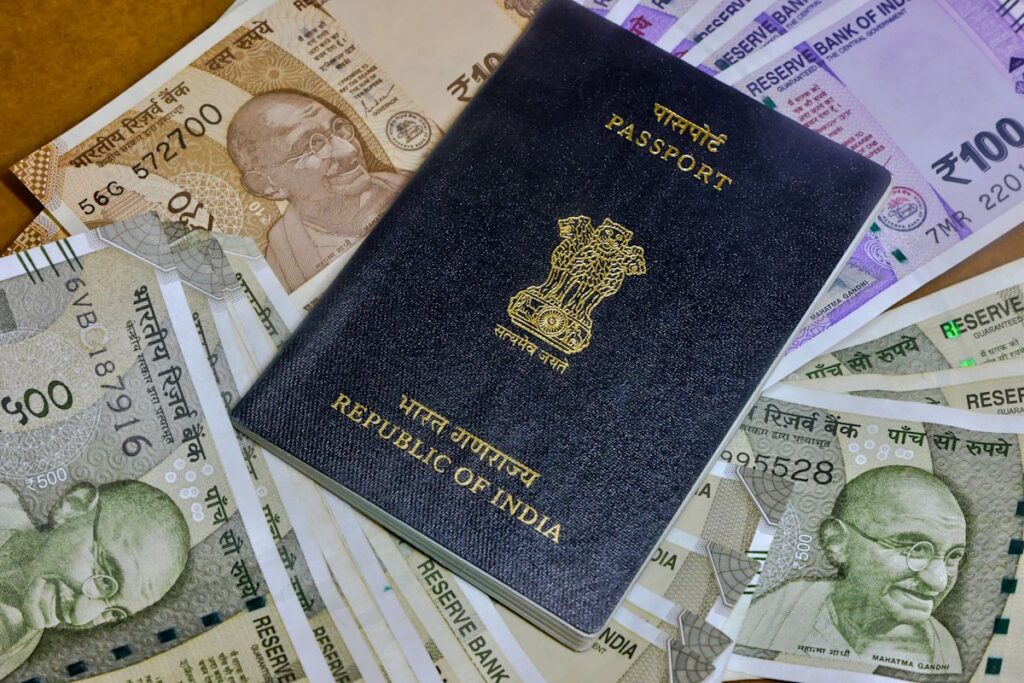
The Indian government just initiated an overhaul of its entry protocols, slashing application paperwork and officially scrapping the traditional tourist visa to change how foreigners access the country.
Ministry of Home Affairs Nov. 11 Plan Cuts 49 Sub-Categories to 23
India’s Ministry of Home Affairs has reduced the number of main visa categories from 13 to 9 and the number of sub-categories from 49 to 23.
Advertisement
Advertisement
The government announced the changes on November 11, following the latest revision undertaken on August 27, 2026.
The nine categories are Business, Diplomatic, Work, Journalist, Medical, Official, Student, Visitor and Miscellaneous visas.
The government has also reduced the number of information fields required across the 23 application sub-categories by between 65% and 70%. According to the Ministry of Home Affairs’ announcement, the aim is to reduce the time and effort required to complete applications and make visa processing more efficient.
For tourists, one of the biggest changes is the replacement of the Tourist Visa with a Visitor Visa. The new category accommodates activities beyond conventional sightseeing, including eligible business meetings, medical consultations, wellness retreats, and short courses in Indian languages, music, art, and crafts.
Advertisement
Advertisement
The Visitor Visa will have two classifications:
-
V-1 Visa: A 30-day, multiple-entry option covering eligible short-term visits and activities.
-
V-2 Visa: Longer-term options with validity of one, five, or 10 years, depending on the visa granted. It covers the activities permitted under V-1, as well as mountaineering.

M-1, S-1, and AYUSH Tags Split Medical, Student, and Business Entry
The revised framework also reorganizes visas for foreign nationals visiting India for healthcare and education.
Medical visas will distinguish between conventional medical treatment and India’s traditional AYUSH systems, which include Ayurveda, Yoga, Naturopathy, Unani, Siddha, and Homeopathy. M-1 visas cover treatment outside AYUSH systems, while M-3 visas cover AYUSH treatment.
Advertisement
Advertisement
Both will ordinarily receive one-year, multiple-entry validity. Corresponding M-2 and M-4 visas are available for accompanying medical attendants.
Student visas are being consolidated into S-1 and S-2 categories. S-1 covers school, graduate, and postgraduate education, while S-2 includes PhD research, visiting faculty, internships, research visits, and exchange programs.
Business visas will similarly distinguish between longer-term and shorter-term activities. B-1 covers longer-term, license-based business activities, including establishing industrial or commercial ventures. B-2 covers shorter-term, contract-based activities, conferences, sports, performances, filmmaking, and production investment.
The government has also introduced a specific pathway for foreign technical specialists and engineers working on industrial projects in India through the Production Investment Business Visa under B-2.
Late 2026 Rollout Keeps U.S. Citizens on Existing e-Visa Portals
The Ministry of Home Affairs is updating its technology systems to accommodate the changes, with visa issuance under the revised framework scheduled to begin by the end of 2026.
Advertisement
Advertisement
For now, travelers should continue to check the official Indian e-Visa application portal for the current application procedures and requirements.
For Americans, the announcement does not introduce visa-free access to India. U.S. citizens will still need the appropriate Indian visa or e-Tourist Visa before traveling. The proposed improvements concern how applications are organized and the information applicants must provide.
The reforms are part of India’s efforts to encourage international tourism, medical travel, education, and business activity.
Related: 17% Airfare Surge Fails to Break an 81-Million-Person Travel Crush
This story was originally published by TravelHost on Nov 21, 2026, where it first appeared in the News section. Add TravelHost as a Preferred Source by clicking here.