Booking an airline ticket requires travelers to hand over sensitive financial data and agree to rigid security protocols.
One major carrier is now enforcing those protocols by blocking a rising class of third-party programs from touching its reservation systems.
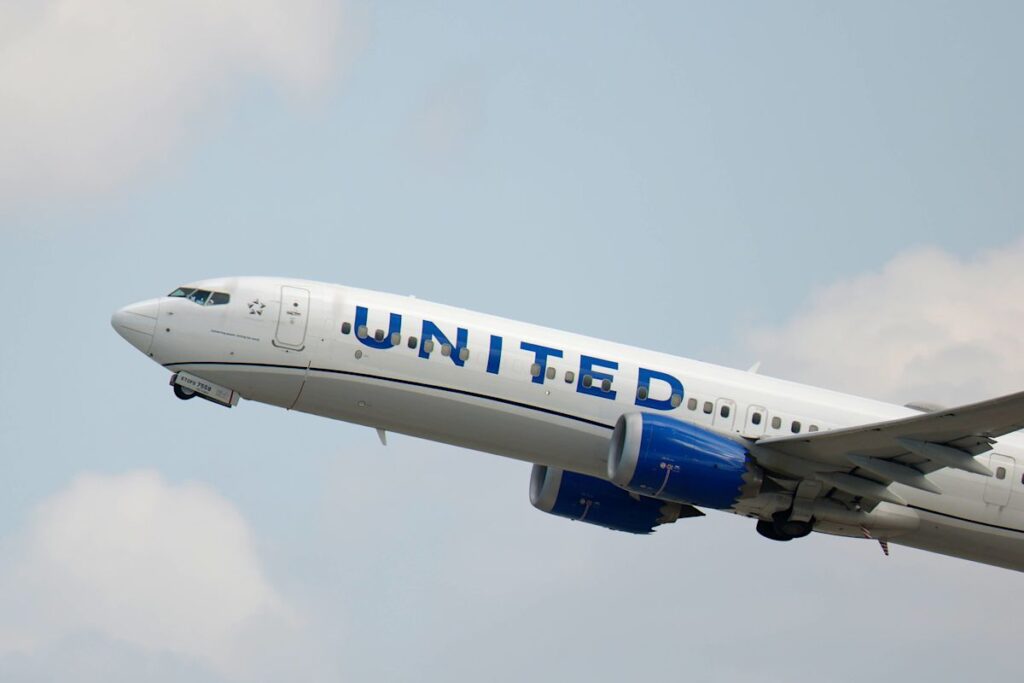
United Airlines updated its digital policies 1 to ban unauthorized artificial intelligence agents from accessing its booking platforms.
The restriction allows the airline to cancel tickets purchased or modified by autonomous assistants without prior notice to the passenger.
Nov. 11 United.com Ban Targets MileagePlus and Check-In Risks
United announced on November 11, 2026, that it is restricting unauthorized third-party AI agents from accessing its digital platforms.
Advertisement
Advertisement
The restrictions extend beyond United.com and its mobile app to travel agencies and booking aggregators that distribute the airline’s flights.
The changes cover booking, ticketing, and distribution policies.
They target personal AI assistants that act autonomously or semi-autonomously on behalf of travelers, including tools that access accounts, search for flights, make purchases or modify existing reservations.
United’s concerns include the possibility that customers could expose sensitive account credentials, trigger unintended purchases, change reservations or allow assistants to spend MileagePlus miles without properly understanding the consequences.
Advertisement
Advertisement
The airline also cited aviation safety requirements.
Flight check-in, for example, requires passengers to personally acknowledge that their checked baggage does not contain prohibited substances such as explosives. United argues that automated check-in could bypass the required human acknowledgment.
The airline’s updated Digital Trust Center guidance provides additional details about the restrictions.

Kevin Carter / Getty Images
Pre-Nov. 11 AI Bookings and Accessibility Tools Escape Limits
The policy does not prevent passengers from using AI for general travel research or planning. However, United draws a distinction between getting recommendations from an assistant and allowing that assistant to interact with its booking systems.
Advertisement
Advertisement
According to the airline’s guidance, customers can still use AI to research trips as long as the tool does not access United.com or the United app.
Unauthorized agents also cannot retrieve information from those platforms, search fares or manage reservations on a customer’s behalf.
Travel agencies and booking platforms face similar restrictions. They cannot supply United’s travel information to third-party personal AI agents for searching, booking, ticketing or servicing reservations without authorization.
United’s updated Contract of Carriage also identifies reservations made, modified or serviced by AI agents as bookings the airline may cancel without notice.
Advertisement
Advertisement
There are two important qualifications:
-
Bookings made by AI agents before November 11, 2026, will not be canceled under the new policy. United nevertheless recommends checking that those reservations were properly booked and ticketed.
-
Assistive technology used by customers with disabilities is not affected by the restrictions, according to United’s customer guidance.
The airline says it does not currently work with any third-party AI agents. Travel agencies seeking to use their own AI systems must obtain specific permission from United.
Oct. 6 Southwest ChatGPT Integration Bypasses United’s Approach
United’s decision comes as airlines explore how automated assistants could influence the booking process. Its competitors have not adopted the same blanket restrictions.
Advertisement
Advertisement
Southwest Airlines launched a ChatGPT integration on October 6, allowing customers to discover destinations and explore flight options through the platform as part of a phased AI-powered booking initiative.
Delta Air Lines takes a different approach, supporting certain interactions with AI assistants when customer credentials can be properly authenticated. American Airlines has also acknowledged that some AI tools can facilitate ticket purchases through authorized distribution arrangements.
In an interview with The Verge, United CEO Scott Kirby explained his resistance to adding another intermediary to the booking process: “To be honest, I don’t want to create another middleman.”
His position reflects an airline-industry question about who controls customer relationships, booking information and transactions as AI-powered shopping develops. Fast Company reported that Delta and American remain open to certain authenticated AI interactions.
Google Flights and Kayak Anchor Approved Flight Search Channels
The restriction does not eliminate traditional online travel agencies or human-operated booking channels.
Advertisement
Advertisement
United flights remain available through conventional flight-search and booking platforms, including Google Flights, Kayak and Hopper, according to aviation analyst Henry Harteveldt, who spoke to CBS News.
United says it will continue evaluating third-party AI technology as security protections develop.
For now, travelers who use automated assistants to manage their flights will need to pay attention to which services have permission to access their airline accounts.
This story was originally published by TravelHost on Nov 18, 2026, where it first appeared in the Airlines section. Add TravelHost as a Preferred Source by clicking here.