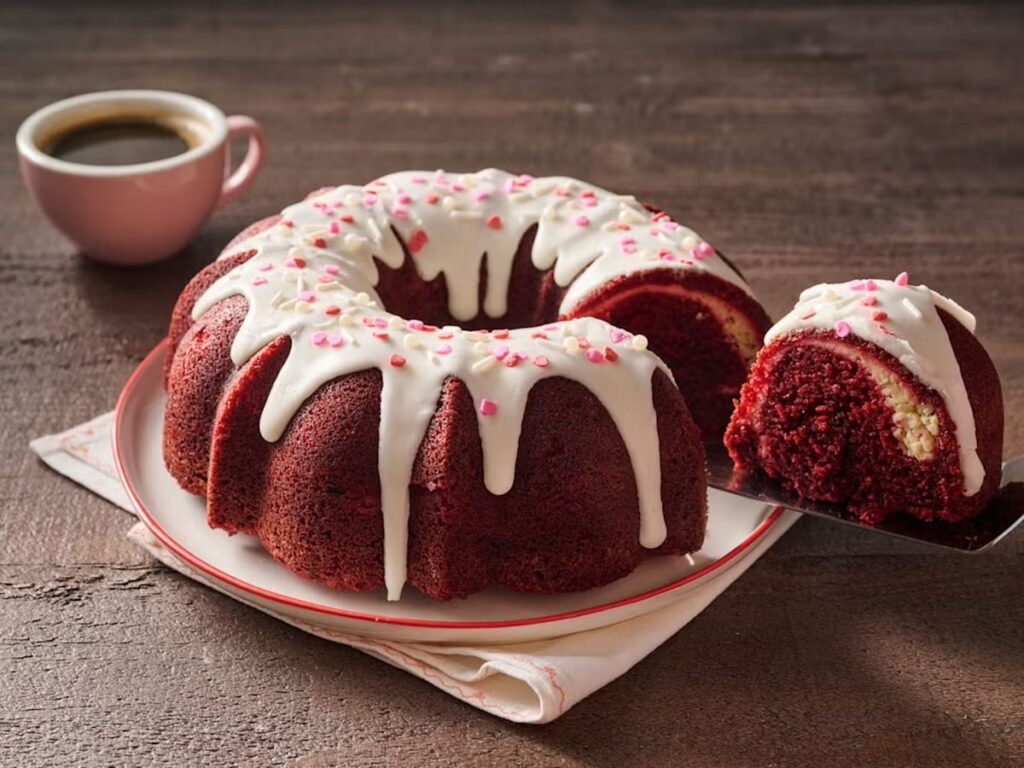
Red velvet has long been a favorite in the South, but these days, it’s one of the most popular types of dessert across the country. Its vibrant red color certainly makes it stand out, especially when you cut into that first slice, but there’s more to love than its looks. Red velvet also has a distinctive flavor and delicate texture that set it apart from other baked goods.
And it isn’t just a layer cake anymore! You’ll find red velvet in everything from sheet cakes to cookies to brownies and more. Its festive color makes it perfect for just about any occasion, too. You can serve it as a colorful Christmas dessert, fall in love with it all over again come Valentine’s Day, or incorporate it into a red, white, and blue dessert spread for a summer celebration.
But what exactly is red velvet? There’s got to be more to it than simply adding red food coloring, and indeed, that’s true! To understand what makes this American classic so special, let’s take a little trip back in time.

What is Red Velvet?
Red velvet is traditionally an American-style cake made with a vanilla buttermilk base and a small amount of cocoa powder. (There’s often some food coloring added, too, but we’ll get to that in a moment!) The cocoa gives it a subtle chocolate flavor without making it a full-blown chocolate dessert, while the buttermilk helps create its signature soft, tender crumb. In fact, the term “velvet” was used as far back as the Victorian era to describe cakes with this delicate texture.
Today, red velvet means more than just cake. The same combination of a little cocoa and that signature color can be incorporated into all kinds of baked goods. And who says velvet has to be red? You can make pink velvet, blue velvet, and other colorful variations by switching up the food coloring.
How Does Red Velvet Get its Color?
When red velvet was first gaining popularity, cocoa powder was often less processed than the Dutch-processed varieties available today. Natural cocoa contains pigments that can produce a reddish tint when combined with acidic ingredients like vinegar or buttermilk, giving early versions of the cake their distinctive reddish-brown color.
Of course, those early cakes weren’t nearly as bright as the red velvet we know today. As cocoa processing methods changed in the early 20th century, bakers began experimenting with ingredients like beet juice to maintain the color. Eventually, commercial red food coloring became a popular way to achieve that vibrant hue, which is why you’ll find it in most modern recipes.
What Flavor is Red Velvet?
Despite the cocoa powder, red velvet doesn’t have the rich chocolate flavor you might expect. Instead, it has a subtle hint of cocoa and a slight tang from the buttermilk, along with that wonderfully moist, delicate crumb. Think of it as vanilla’s colorful cousin with a bit more attitude. And while it pairs well with other frostings like buttercream, there’s a reason cream cheese frosting is such a popular choice. Its rich, sweet-tangy flavor is the perfect complement!
You Might Also Like