Enjoy the benefits of running barefoot without getting your feet dirty or risking injury by wearing barefoot shoes.
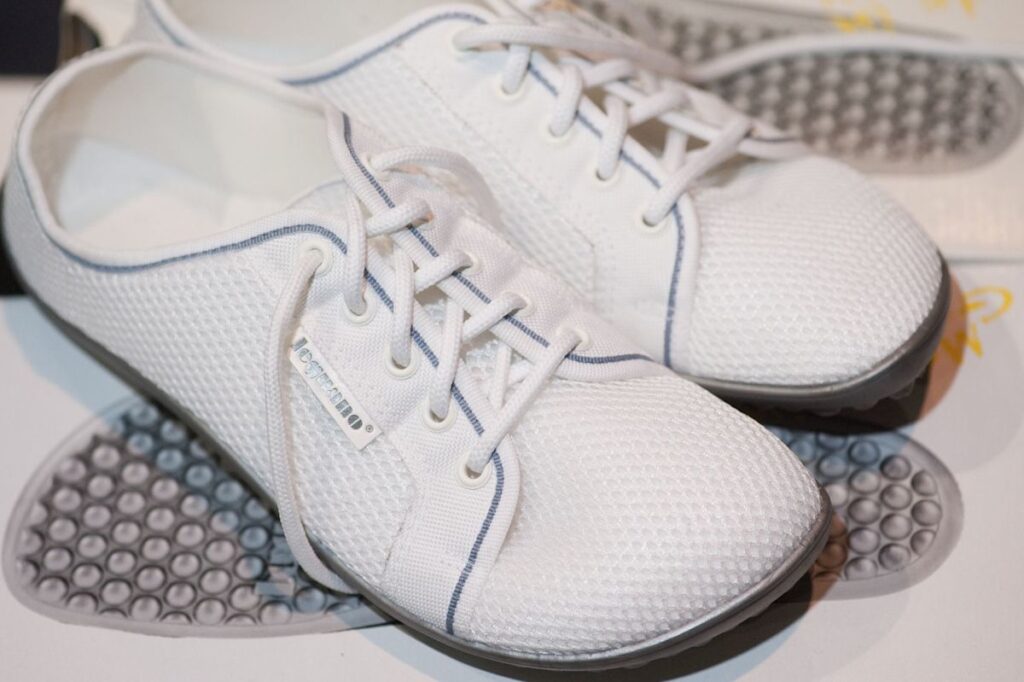
These shoes have thin, flexible soles and the toe area is comparatively roomy. Also, barefoot shoes lack a heel-to-toe drop, meaning the difference in height between the heel and the forefoot.
“This means that the natural movement of the foot is less restricted and the foot muscles are worked harder,” says Mellany Galla, a specialist in orthopaedics and trauma surgery.
Advertisement
Advertisement
Just like walking barefoot regularly, this can benefit your foot health, as it strengthens the many small muscles in the foot. “For people without significant foot problems, barefoot shoes can be a way of specifically training foot function. However, no general health benefit for everyone can be scientifically established,” says Galla, whose focus is on ankle and foot surgery.
Foot shape, fitness level, body weight, and any pre-existing conditions affecting the foot or ankle – all these factors determine whether, and to what extent you can benefit from barefoot shoes.
If in doubt, talk to an orthopaedic surgeon.
In some cases, it is better to be careful and essentia to consult a doctor is essential. This applies to:
Advertisement
Advertisement
reduced sensitivity to pain in the feet, for example as a result of diabetes. A condition known as polyneuropathy can mean that those affected do not initially notice injuries or pressure points on their feet – and these are treated too late.
pronounced foot deformities such as a flat foot with a collapsed arch. “Some people affected need stabilising shoes or orthopaedic insoles to reduce discomfort,” says Galla.
People with advanced osteoarthritis in the foot or ankle area. In such cases, walking in barefoot shoes can cause pain because the foot cannot cope with this type of strain.
Make the switch step by step
If you have bought barefoot, avoid going on very long walks while breaking them in to avoid overburdening your feet.
Advertisement
Advertisement
Start with a relatively short wearing time of 30 to 60 minutes a day, and gradually increasing this over the following weeks.
“When switching to barefoot shoes, the structures around the foot and ankle – such as the Achilles tendon, the plantar fascia and the small foot muscles – have to work significantly harder,” says Galla.
Many people get a tight feeling under their foot sole or around their Achilles tendon when switching to barefoot shoes. Muscle soreness in the calves and feet is also a common complaint.
“If you notice barefoot shoes are causing you severe pain, stop wearing them until you have sought orthopaedic advice,” Galla says.