When I think about Día de Muertos, or Day of the Dead, my mind immediately goes to Mexico City, with its colorful celebrations, elaborate altars and streets filled with marigolds.
But after spending five nights at Fairmont Mayakoba in Mexico’s Playa del Carmen, I realized that some of the most meaningful cultural experiences can happen in places you least expect them.
And sometimes, a luxury resort can offer far more than beautiful accommodations and an escape from everyday life. It can become a gateway to understanding the people, traditions and history that make a destination so special.
Advertisement
Advertisement
Set across 594 acres of lush mangroves, winding waterways and Caribbean coastline, Fairmont Mayakoba feels like its own little world. But what impressed me most wasn’t simply the resort’s natural beauty or luxurious amenities. It was how thoughtfully the property brought the surrounding culture into the guest experience.
For Día de Muertos, celebrated each year on November 1 and 2, Fairmont transformed its grounds into a celebration of life, memory and the enduring connection between generations.
Throughout the property, colorful decorations, traditional ofrendas and carefully curated experiences introduced guests to the significance of the holiday. Even the smaller details, from Day of the Dead-inspired desserts to local culinary specialties, felt intentional.
There was something beautiful about seeing a holiday centered around death approached with so much color, warmth and joy.
Advertisement
Advertisement
In many cultures, death is something we struggle to talk about. We mourn privately, often focusing on the sadness of losing someone rather than celebrating the memories they left behind. Día de Muertos offers a different perspective, one that reminds us that remembering someone can be an act of love rather than simply an expression of grief.
One of my favorite elements of the celebration was the resort’s ofrenda, a traditional altar created to honor those who have passed away.
Before our arrival, Fairmont invited guests to submit photographs of loved ones they wanted to remember. Those photographs were then incorporated into the resort’s altar, surrounded by flowers, candles and other meaningful offerings.
It was such a simple gesture, but one that made the celebration feel incredibly personal.
Advertisement
Advertisement
Rather than simply observing a tradition as a visitor, guests were invited to participate in it and bring a piece of their own family history into the experience.
I had never experienced anything quite like it.
There was something comforting about the idea that, even while traveling far from home, the memories of people we love could still have a place alongside us. The holiday wasn’t about forgetting the sadness of loss. It was about remembering the happiness, love and experiences that made those relationships meaningful in the first place.
That same feeling of connection carried throughout the resort’s programming, particularly during one of the most extraordinary musical performances I’ve ever attended.
Advertisement
Advertisement
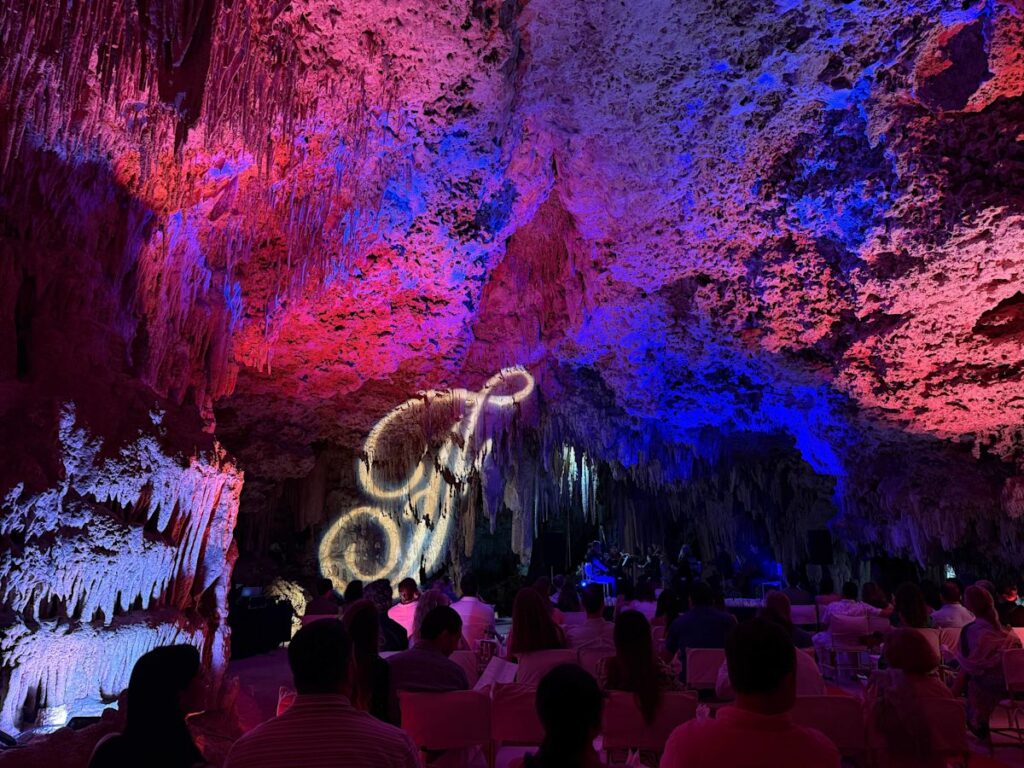
Deep within the Riviera Maya jungle, Fairmont hosted its Symphony in a Cenote, transforming a natural limestone cavern into an intimate concert venue.
Getting there was an experience in itself.
After traveling into the jungle, we made our way down a winding path toward the cenote. Outside, a woman performed a traditional smoke-cleansing ritual, setting the tone for what felt like entering a space deeply connected to the region’s history and spiritual traditions.
From there, we descended into the cavern, where candles illuminated the ancient limestone formations and a red carpet welcomed guests into an almost otherworldly setting.
Advertisement
Advertisement
I couldn’t help but think about the effort that went into creating the experience. Every candle, piece of equipment and musical instrument had to make its way into the natural space, just as we had.
Champagne and canapés were served as guests settled in for a live performance by a professional string ensemble. The musicians performed contemporary arrangements, with the acoustics of the cenote carrying the music throughout the cavern.
At one point, I found myself listening to Daft Punk’s “Get Lucky” echo through a cave in Mexico, something I certainly never imagined experiencing.
It was an incredible contrast between the ancient natural environment and modern music. Somehow, the two worked together beautifully.
Advertisement
Advertisement
I’ve attended plenty of concerts and live performances, but there’s something different about hearing music in a setting where the environment itself becomes part of the experience.
It wasn’t just about the performance. It was about feeling connected to the place where it was happening.
Fairmont also incorporated Mexican culinary traditions throughout the celebration, offering guests opportunities to explore the country’s regional ingredients and cooking techniques.
A culinary masterclass at El Pueblito brought together Michelin-starred chefs Roberto Alcocer and Esteban Lluis alongside Fairmont’s culinary team, giving guests an inside look at the creativity and traditions behind Mexican cuisine.
Advertisement
Advertisement
The experience was complemented by an elaborate tasting dinner that celebrated the country’s culinary heritage through contemporary interpretations of traditional flavors.
As someone who loves trying new foods when traveling, I especially appreciated the opportunity to explore local ingredients and delicacies, including crickets served during one of the traditional Mexican dinners.
It was another reminder that traveling is often most rewarding when you’re willing to step outside your comfort zone.
Of course, not every memorable moment involved an elaborate dinner or exclusive event.
Some of my favorite experiences were simply wandering around the property, stopping at Café Maya for a surprisingly good cup of iced coffee or spending time observing the wildlife.
Advertisement
Advertisement
My accommodations featured a spacious balcony overlooking the water and mangroves, and I quickly became familiar with some of the resort’s smaller residents.
Mischievous coatis would regularly make appearances near my villa, while raccoons, lizards and enormous iguanas could be spotted throughout the grounds.
I loved it.
There’s something incredibly special about staying somewhere that doesn’t feel completely separated from its natural surroundings. The wildlife wasn’t simply part of the scenery. It was a reminder that the resort exists within a much larger ecosystem.
Even the occasional mosquito made the experience feel grounded in the reality of being in Playa del Carmen.
Advertisement
Advertisement
Between the waterways, jungle and tropical wildlife, I often felt more connected to nature than I do during a typical luxury hotel stay.
That connection extended to a boat excursion through Mayakoba’s waterways, where the region’s natural landscape became the backdrop for a celebration of local history and Día de Muertos traditions.
Throughout the festivities, guests could also participate in interactive cultural experiences, including traditional music, artistic activities and elaborate La Catrina face painting.
Multiple makeup artists were available to transform guests into the elegant skeletal figures associated with the holiday, and the experience was offered complimentary to resort guests.
It was a fun, accessible way to participate in the celebrations while learning about the imagery and traditions surrounding Día de Muertos.
But perhaps the experience that challenged me the most was a temazcal ceremony at the Fairmont Spa.
A temazcal is a traditional Mesoamerican sweat-lodge ritual that uses steam, heat and guided ceremonial practices to encourage reflection and renewal.
Our particular group happened to be entirely women, which created an intimate environment for an experience that quickly became much more emotional than I had anticipated.
To enter, we had to crawl into a small, dark, enclosed space, where heated volcanic rocks were used to generate steam.
I’m not going to pretend I immediately found it relaxing.
In fact, I initially felt incredibly anxious.
Sitting on the ground in a dark, increasingly warm space, with limited visibility and little familiarity with what was about to happen, was intimidating. For a moment, I wasn’t entirely sure I would be able to settle into the experience.
But as the ceremony continued, I focused on my breathing and allowed myself to become more present.
Gradually, the initial discomfort gave way to a feeling of calm.
There was something powerful about sitting in that space with other women, sharing an experience centered around reflection, release and connection.
By the time we emerged, I felt as though I had experienced something far more meaningful than a traditional spa treatment.
I had entered the ceremony feeling anxious and uncertain, and left with a greater appreciation for the importance of slowing down, allowing ourselves to be vulnerable and making space for personal reflection.
Experiencing the ritual during Día de Muertos made it feel particularly special, as the entire weekend had been centered around the relationships between life, memory and renewal.
But beyond the activities themselves, what stayed with me most was the sense of community I encountered throughout my stay.
I spoke with multiple employees across the property, often before they even knew I was visiting as a journalist, and was struck by how genuinely connected they seemed to the Fairmont brand.
Several spoke warmly about their experiences working for the company and the opportunities and support they felt it had provided them.
Of course, every workplace is different, but hearing that sense of pride expressed so naturally made an impression on me.
It also helped explain why the entire property felt so welcoming.
Luxury hotels can sometimes feel like beautiful spaces that exist separately from the communities surrounding them. Fairmont Mayakoba felt different.
There was a sense that the people working there weren’t simply providing a service. They were helping share the culture, natural beauty and traditions of a place they genuinely cared about.
And throughout the Día de Muertos celebration, that connection felt particularly meaningful.
The resort could have approached the holiday as another opportunity for elaborate decorations, themed cocktails and social media-worthy experiences.
Instead, what I appreciated most was how the programming encouraged guests to engage with the deeper significance of the traditions.
From honoring loved ones through a personal ofrenda to learning about regional cuisine, participating in ancestral rituals and celebrating the natural beauty of the Riviera Maya, the experience offered several different ways to connect with Mexican culture.
It also reminded me that cultural travel doesn’t necessarily require abandoning comfort or luxury.
Sometimes the most meaningful experiences come from staying somewhere that thoughtfully introduces you to the traditions and people around you, while still allowing you the space to relax and appreciate your surroundings.
I arrived at Fairmont Mayakoba expecting beautiful beaches, exceptional food and a few unforgettable experiences.
I left with a deeper appreciation for Día de Muertos, the people who keep its traditions alive and the idea that remembering those we’ve lost doesn’t always have to be surrounded by sadness.
Sometimes it can be filled with music, candles, laughter, family photographs and even a little dancing.
And perhaps that’s the most beautiful thing about Día de Muertos.
It’s a celebration that reminds us that the people we love remain part of our lives through the stories we tell, the memories we share and the traditions we continue.
For a holiday devoted to honoring the dead, I can’t think of a more beautiful reminder to appreciate being alive.

This story was originally published by Men’s Journal on Nov 15, 2026, where it first appeared in the Travel section. Add Men’s Journal as a Preferred Source by clicking here.