

Addiction is not commonly talked about in agriculture, yet nearly half of all alcohol-related deaths occur in rural areas. We likely all know people who over-indulge as a way to handle the stress of agriculture.
I recently talked with Shelby Denker in Iowa about her journey in alcoholism. She openly shared why she’s so passionate about mental wellness in agriculture and bringing together those suffering from addiction. This my interview with Shelby — in her own words.
AGDAILY: What’s been your experience in agriculture and how did you find yourself dealing with alcohol addiction?
DENKER: I have been involved in agriculture my whole life. I was raised on a corn, soybean, hay, cow/calf and Paint horse operation in western Iowa. After graduating with an agronomy and range science degree, I began my full-time career in agriculture. Since then, I’ve become a bit of a jack-of-all-trades in ag sales, working primarily in ag tech across both the livestock and row crop sectors.
Advertisement
Advertisement
I have always had a “work hard, play hard” mentality. Some of that came from growing up raising livestock, working alongside my family, and helping build our own farming legacy. Like a lot of small-town kids, I spent college and my twenties working hard and having fun. But somewhere in my late twenties, what I thought was unwinding and enjoying time with friends started becoming something different.
The difficult thing was that my drinking never really fit the stereotype I had of alcoholism. I still showed up to help on the farm, I advanced my career, grew my business acumen, and became a better salesperson. From the outside, I was functioning.
But my world was getting smaller, and alcohol’s place in it got bigger.
Shelby Denker was raised on a corn, soybean, hay, cow/calf and Paint horse operation in western Iowa.
The pandemic really strengthened alcohol’s place in my life, and by 2022, I had become a shell of a person.
Advertisement
Advertisement
My career was going well enough, but work was almost all I had. I had become synonymous with my job — it was my ego. When work became difficult or the hill became really steep, I coped in the way I knew how.
In April 2024, something happened that finally forced me to admit what I had been too afraid to say to myself for a long time. “I am an alcoholic.”
That August, I made it three months without drinking, but I did it without help or support. I was hanging by a thread the entire time, barely making it through each drinking trigger. I relapsed that November and wouldn’t begin another meaningful period of sobriety until September 2025.
I’ll never forget when things finally changed for me then. It was just the right combination of disgust with how bad things had become and, somehow, still having enough belief in myself to think I could turn it around.
Advertisement
Advertisement
Around that time, my TikTok feed had started showing me sober and recovery content. One recovery account announced an online group beginning in September, and I joined.
Over a year later, it is one of the best things I have ever done for myself.
AGDAILY: Could you share three specific ways others have helped you while you were experiencing alcohol addiction?
DENKER: First, they gave me community. I joined an online support group where I had access to a peer recovery specialist and a group of women going through early sobriety alongside me. For the first time, I was surrounded by people who understood what was happening without requiring me to explain or defend it.
Advertisement
Advertisement
Second, they helped me see myself differently. Many of those women became friends, a few of them close friends, and we constantly reminded one another of the versions of ourselves that WE saw and appreciated. They helped me understand that I was more than my job, more than our farming operation at home and certainly more than my addiction. We offered each other kindness, understanding and practical tricks of the trade for staying sober. We got to know each other and gave each other hope and perspective, reminding one another that what we were going through was just a chapter.
Third, they taught me how to have hope for someone I hadn’t met yet: my future self.
I learned that if I couldn’t find a reason to do this for myself today, I could do it for the Shelby of three months from now, a year from now or ten years from now. I started treating her almost like someone I was working for — someone I had a responsibility to hand a better life to.
Support for alcoholism and other addictions is crucial. (Image by Dragon Images, Shutterstock)
That realization was profound for me. I am not just who I am in this particular moment. I am all of the life I have lived so far, and I have the ability right now to influence what the rest of it looks like. After all, life is long, and I still have a lot of it ahead of me.
Advertisement
Advertisement
Someday, the future version of me will look back on this small moment in time and be endlessly grateful for every little effort I made to get her there.
AGDAILY: What do you really wish people knew about alcohol addiction?
DENKER: I wish people knew that addiction doesn’t erase all of the other things that are true about a person.
You can be strong, successful, dependable, intelligent, and hardworking and still struggle with alcohol. You can show up to work every day. You can take care of your livestock. You can make sales calls, hit goals, help your family and look completely fine from the outside.
Advertisement
Advertisement
And I wish people struggling with it knew how important it is to be kind to themselves. That sounds cliché, but for me, there was always this little voice working tirelessly to figure out when I would drink again, how I would drink and how much. It fed off negative emotions — hopelessness, anxiety, stress, anger, shame and doubt — and used them as ammunition.
Eventually, I learned to separate that voice from who I actually was.
Image by lenakorzh, Shutterstock
At your core, addiction is not the entirety of who you are. You’re more than your business. You’re more than your operation. You’re more than what your balance sheet looked like this year, how many acres you farm, or how successful you appear from the road.
You are a person who is valued, appreciated and loved by the people who matter to you. You are more than your addiction, and you are worth fighting your way out of it.
AGDAILY: Why do you think this is a problem in agriculture?
DENKER: I think the problem in agriculture is threefold: culture, stress and access.
Advertisement
Advertisement
First, there is still a stigma around asking for help for yourself. Think about how farming families have endured for generations. We learned to band together through bad winters, crop failures, droughts, fires, and floods. We help our neighbors through harvest, hay season, branding, doctoring and shipping cattle. We take care of every head of livestock, every acre of crop, and every inch of topsoil.
Somewhere in there, taking care of ourselves became an afterthought.
Second, agriculture carries an enormous amount of stress. You’re not simply doing a job. You may be running a business, working with family, carrying generations of legacy, managing debt, dealing with markets and weather you cannot control, caring for livestock whose lives depend on you, and trying to feed a family of your own. Working and living in agriculture can be competitive and incredibly isolating.
Third, we have an education and access problem. Mental health and addiction resources simply aren’t as visible in many rural communities as the other services we use. We see advertisements for seed, insurance, equipment, crop inputs and every other solution imaginable. How often do we see something telling us where to go when the stress becomes too much? Where to turn when we’re worried about our drinking? Or simply who to call when we need someone to talk to?
Mental health and addiction resources simply aren’t as visible in many rural communities as they are elsewhere. (Image by PeopleImages, Shutterstock)
If I see enough advertisements for a certain Ariat fleece jacket on Facebook or Instagram, eventually I might convince myself I need that jacket. That’s how visibility works. We need mental health and recovery resources to become just as visible and normal.
Advertisement
Advertisement
People can’t choose a resource they don’t know exists, or one they’ve never learned to see as a solution meant for them.
We have spent generations becoming incredibly good at taking care of the farm. I think it’s time we become just as intentional about taking care of ourselves. It is just as good of an investment.
AGDAILY: How do you hope to help others struggling with stress, addiction and other mental health challenges in agriculture?
DENKER: I hope that by being willing to talk about my own experience, I can help make these conversations a little more normal in agriculture.
I want regular people in agriculture to feel comfortable sharing their stories – stories of mental battles, addiction, recovery, sacrifice and sometimes choosing to outlive a generational cycle.
Advertisement
Advertisement
Agriculture talks a lot about legacy. I think we can expand what we mean by that.
The survival of a farming legacy sometimes has to begin with the survival of the person carrying it.
The same grit our ancestors used to till up prairie and scrubland, build a boundary fence, survive drought and build an operation from nothing can also be used to ask for help, walk into a recovery meeting, call someone on a terrible night or make it through one more day sober. It’s the same toughness.
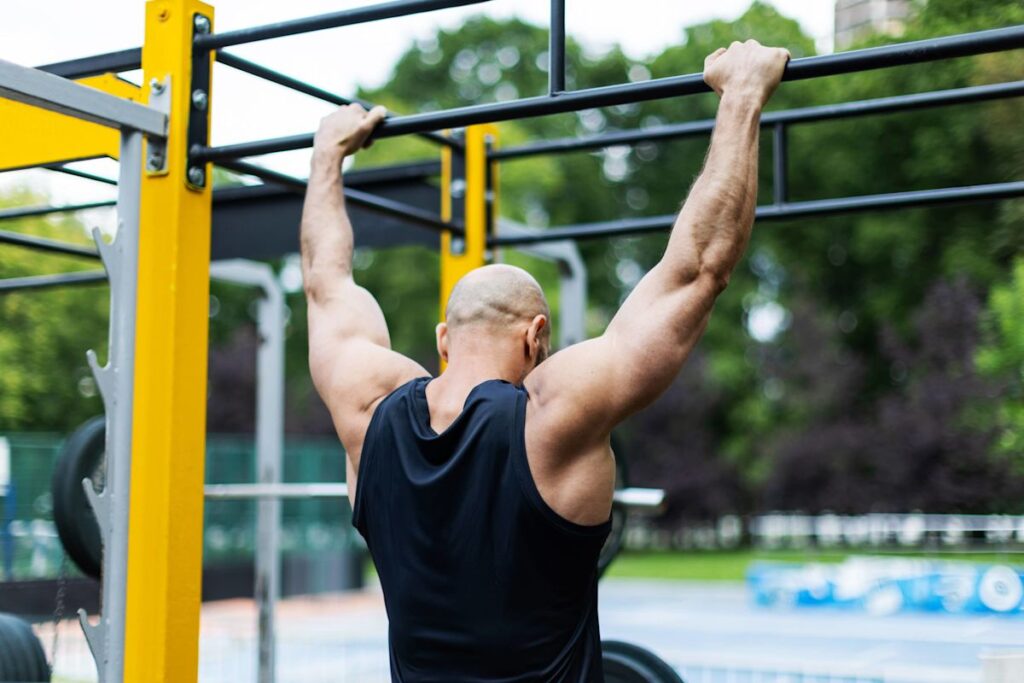
Agriculture is an industry built on hard work and grit. (Image by GSPhotography, Shutterstock)
I also want people to understand that the weight of a family legacy doesn’t have to be measured entirely in output or success. Sometimes continuing the legacy means taking care of yourself well enough to still be here for it.
If talking openly about my experience helps someone sitting alone in the pickup, feed truck, tractor cab or hotel room on the road realize, “Maybe I’m not the only one. Maybe I can do this too,” then telling my story is worth it.
AGDAILY: Where do you recommend families and those struggling with addiction find help?
DENKER: My biggest recommendation is: Don’t try to determine whether you’re “bad enough” to deserve help.
You don’t have to lose your job, your farm, your marriage or everything you’ve built before you’re allowed to ask for support. If you’re questioning your relationship with alcohol, that’s enough reason to talk to somebody.
For me, peer support was transformative. Finding people who understood addiction from lived experience removed so much of the shame. I would encourage people to explore different kinds of support — peer recovery specialists, recovery groups, counseling, treatment programs, AA or other recovery communities — until they find something that connects with them. There isn’t one pathway that works for everybody.
For families, I think education is incredibly important. Learn about addiction, learn what support looks like and understand that you cannot simply love, argue or shame someone out of a substance-use disorder. Families deserve support of their own, too.
Image by Zoteva, Shutterstock
And for those of us in agriculture, I would especially encourage people not to let geography stop them. An online recovery community changed my life. Living miles from the nearest treatment center or support meeting doesn’t mean you’re out of options anymore.
Most importantly, tell someone. You don’t have to solve the rest of your life that day. You just have to let another human being know that you’re struggling.
I spent a long time believing I had to get myself out of the hole before anyone could see that I was in it.
I didn’t.
I needed people to help me climb.
Special thanks to Shelby for sharing to help others. Common signs of substance use disorder among farmers may include the following, according to DetoxRehabs.net:
reduced care for and condition of crops, domestic animals, and/or farm
increase in farm accidents or injuries
changes in typical routines
withdrawing from social events, gatherings, or prior social responsibilities
decline in the appearance and/or condition of the farm
increased prevalence of or worsening health problems
signs of stress in children
Mental Health America notes, “People with mental health conditions are at higher risk for developing a substance use disorder. Some may choose to drink alcohol or take drugs to alleviate stress or emotional pain, but doing so can often worsen mental health conditions.”
If you or a loved one may be experiencing a substance use problem, you can take a quick and confidential screening. It’s not a diagnosis, but may help you understand if your symptoms are having enough impact that you should seek help from a doctor or other professional. Visit www.mhascreening.org to take a test.
As Shelby’s story illustrates, grit and a sense of community are traits prevalent in agriculture. How can we put those to work to help with addiction and improve mental wellness?
Michele Payn speaks and writes to help the people of agriculture have tough conversations about managing stress, make sense of science, and think critically around food. Learn more at causematters.com or follow @mpaynspeaker on social media.
The post Alcohol addiction in agriculture: One woman’s journey to recovery appeared first on AGDAILY.
Source link