Whether you’re in the air for two hours or 12, all commercial flights have one thing in common: dozens or even hundreds of strangers of different ages, cultural backgrounds, travel styles and expectations are all sharing one confined space.
“The aircraft is not just a bus in the sky,” says Sophie Vancaeneghem, a former flight attendant for Air Belgium and Qatar Airways. “It’s a temporary city.”
Flight attendants say the difference between a pleasant flight and a chaotic one can come down to a few passenger behaviors, and first and foremost is courtesy. “My best flights weren’t necessarily the flights that ran on schedule. They were the flights where people remembered how to be human,” Vancaeneghem explains. “Air travel becomes significantly better when we stop seeing everyone else as obstacles and start seeing them as fellow travelers.”
Advertisement
Advertisement
Wondering what you can do to keep things smooth in the sky? Here are the etiquette and safety tips former flight attendants wish every traveler knew.
1. Boarding isn’t a race
As eager as you may be to claim that overhead bin space, flight attendants agree that you’re better off observing the boarding flow rather than trying to beat it.
“I’ve seen passengers push others to be first in line, only to spend twenty minutes standing in the aisle waiting for everyone else,” says Vancaeneghem. “Experienced travelers understand that calm beats speed.”
Advertisement
Advertisement
Remember, getting on the plane sooner doesn’t mean you’ll get to your destination any faster. Listen for your row, zone, or group to be called and avoid crowding the gate, which can actually make the process take longer, says former flight attendant LaWana Boone.
2. Prepare for the first five minutes before you even step onto the plane
The easiest way to avoid becoming an aisle bottleneck? Make it a point to have everything you’ll need during the flight within easy reach before you board.
“If you know you’ll need headphones, a book or medication, take it out of your carry-on or personal item before boarding so everyone behind you can keep moving,” says Saskia Jackson, a former flight attendant, travel adviser and owner of World Travels with Saskia.
Having your boarding pass ready to scan can also speed up the boarding process. “A few seconds of hesitation multiplied by 300 people becomes a delayed departure,” adds Vancaeneghem.
3. Flight attendants aren’t to blame for delays and other things they can’t control

When a plane is delayed, flight attendants often can’t control what’s causing the hold-up.
(skynesher via Getty Images)Travelers often assume that flight attendants have more control over issues like maintenance delays, baggage loading problems or catering shortages, says Vancaeneghem. But the reality is a different story.
Advertisement
Advertisement
“Flight attendants often become the face of problems they did not create — and usually experience the exact same challenges,” she explains. “A delayed flight is delayed for everyone, including the crew.”
What flight attendants can help with is resolving conflicts between passengers, assisting with overhead bin space and supporting in-flight comfort whenever possible — for example, by providing seatbelt extenders, earplugs or Band-Aids for minor cuts.
“We can’t control the weather … or magically produce extra chicken meals when all that’s left is pasta,” adds Jackson. “We can’t make another aircraft wait just for one passenger. We wish we had that kind of power, but we don’t!”
4. Politely share the space
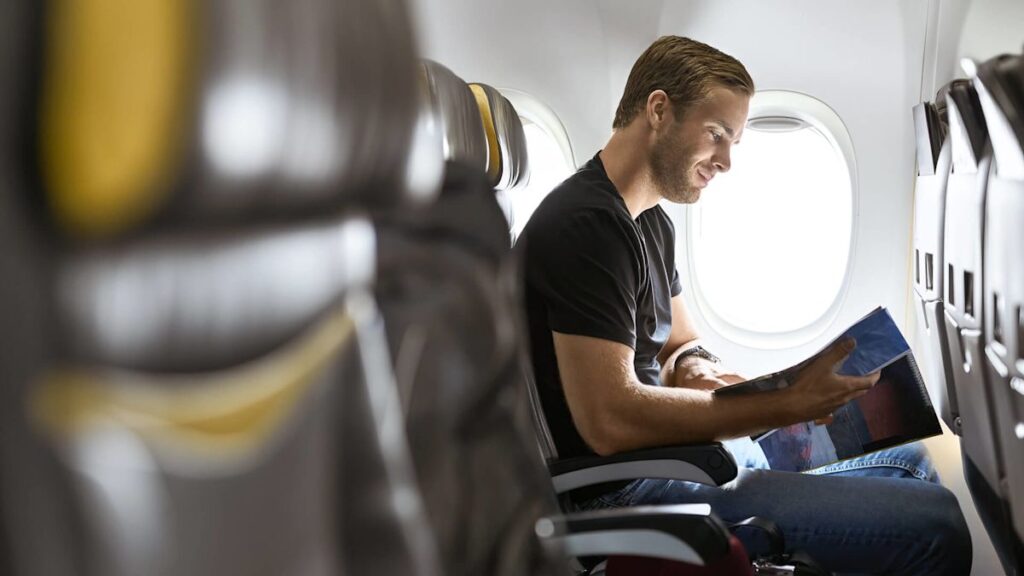
“Every seat is someone’s entire world for the next few hours,” says Vancaeneghem. That’s why little acts of courtesy — like leaving the tuna sandwich at home and wearing headphones — matter even more. “Small actions feel much bigger at 35,000 feet because there’s nowhere else to go,” she adds.
Advertisement
Advertisement
But some courtesies aren’t as obvious. For example, Boone suggests giving a warning to the passenger behind you before reclining your seat, keeping your feet out of the aisles and not monopolizing both armrests. Also, keep in mind that aggressively pressing on the seatback screen to change volume, shaking your leg and tapping on the tray table can be disruptive to the people around you.
5. Flight attendants are safety professionals first — and servers second
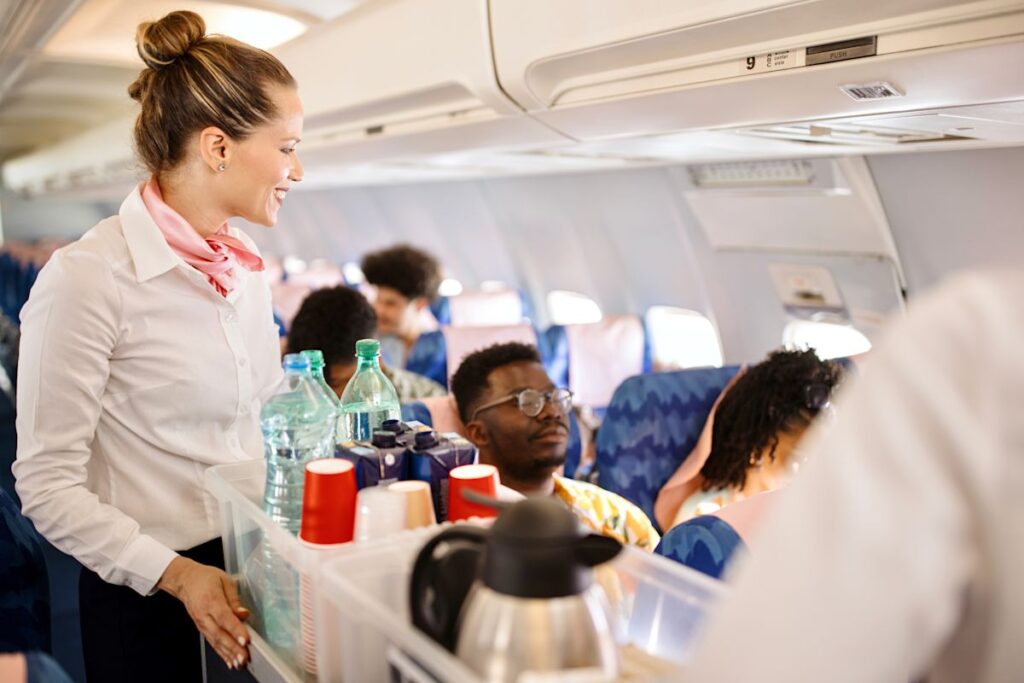
While many people assume a flight attendant’s job is to hand out meals and drinks, Jackson says their primary responsibility is actually safety.
“Most passengers see the coffee, meals and smiles — they don’t see the emergency training, security procedures, medical response skills, conflict management, firefighting drills, evacuation training and countless hours preparing for situations everyone hopes never happen,” adds Vancaeneghem.
“We’re trained to evacuate hundreds of people in 90 seconds under extreme conditions,” Jackson says. “During a security threat, our responsibility is to protect the cabin and the cockpit, often putting our own safety on the line.”
6. Paying attention pays off
According to Vancaeneghem, the best travelers are those who are aware of what’s happening around them. Seemingly small actions, like having your documents ready, saying hello to the crew and waiting your turn to deplane, can go a long way toward ensuring a smooth, pleasant experience for everyone.
Advertisement
Advertisement
As tempting as it may be to dive into a book or pop in your earbuds during the safety demonstration, flight attendants agree it’s well worth paying attention. Even if you aren’t interested in the information yourself, don’t talk through the demonstration because, as Boone notes, your neighbors might be.
“Many people would like to look, listen and learn, as the information could save their lives,” she says. It’s especially important to pay attention if you’re seated in an emergency exit row, Boone adds, because you’ll be responsible for assisting the crew during a potential evacuation.