
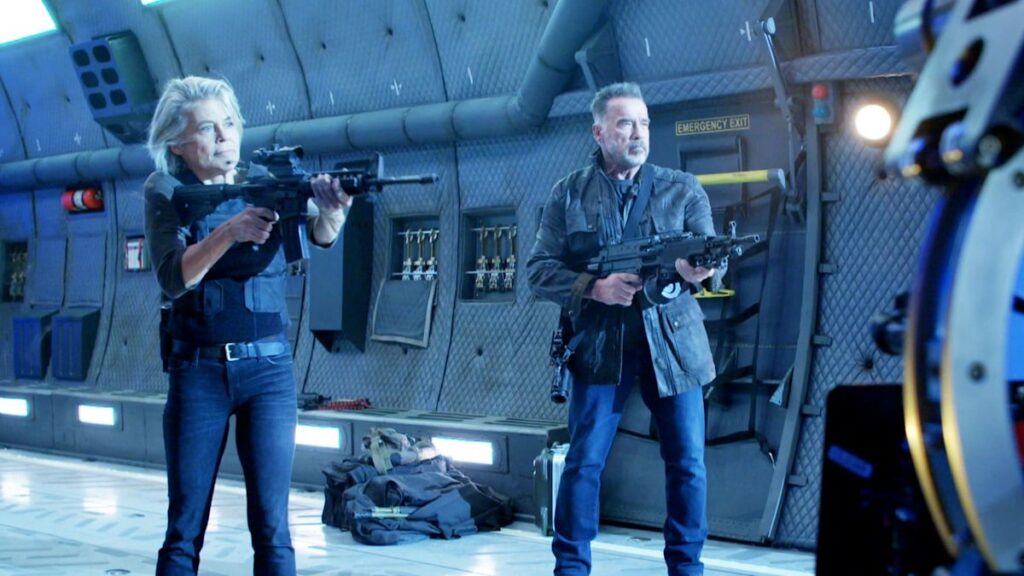
The action movies of the 1980s and 1990s followed a wonderfully simple formula. Give a muscular hero an enormous weapon, surround him with seemingly endless enemies and let the explosions begin. Stars such as Arnold Schwarzenegger, Sylvester Stallone and Jean Claude Van Damme became closely associated with movies built around physical spectacle and larger than life heroes. Modern cinema certainly has not abandoned action, but the straightforward standalone action movie has become much less common.
Part of the change came from repetition. Once Hollywood discovered how popular the formula could be, studios produced countless variations on the seemingly unstoppable hero. Eventually audiences became familiar with the ingredients, encouraging filmmakers to combine action with other genres. The Bourne series emphasized espionage, conspiracy and a more immediate fighting style, while the modern James Bond films increasingly combined traditional spy spectacle with more personal and grounded storytelling.
Contemporary filmmakers also look for distinctive settings and ideas that can separate one action movie from another. The Fall Guy, for example, builds its story around Hollywood stunt performers, allowing its action sequences to become part of a larger celebration of stunt work. Superhero movies, science fiction adventures and fantasy films have similarly expanded what action cinema can look like, mixing fights and chases with elaborate fictional worlds.
Technology has transformed the genre as well. Earlier action movies relied heavily on practical effects, stunt performers, real vehicles, miniature work and carefully controlled explosions. Modern productions still use those techniques, but digital visual effects can extend environments, remove safety equipment and create sequences that would be extremely difficult or impossible to film practically. The result gives filmmakers more freedom, although many audiences and directors continue to value the physical impact of real stunt work.
Perhaps the biggest change, however, involves Hollywood economics. Major studios increasingly invest their largest theatrical budgets in established franchises, sequels, adaptations and recognizable intellectual property. Familiar characters can provide an existing audience when hundreds of millions of dollars may be at stake. Smaller productions can sometimes manage financial risk through limited budgets, leaving traditional mid budget movies in a more complicated position.
Streaming has further changed that equation by reshaping how audiences discover and watch films. Many types of movies that once depended on theatrical releases now compete for attention across streaming platforms and home entertainment.
Old fashioned action has not disappeared completely. Its influence remains visible in modern franchises and filmmakers who emphasize practical stunts and physical performances. The genre simply evolved. The lone hero with unlimited ammunition may be less dominant today, but Hollywood’s appetite for spectacular action is still very much alive.


