Sweden has never struggled to export its culture. From ABBA and Swedish design to Nordic noir and the ritual of fika, elements of Swedish life have become familiar far beyond Scandinavia.
Increasingly, though, Americans aren’t consuming Swedish culture at home. They’re traveling across the Atlantic to experience the country for themselves.
In particular, Stockholm is having a moment with American travelers. Flight searches from the U.S. to the Swedish capital have almost doubled over the past year, according to Skyscanner’s newly released Travel Trends 2027 report.
Advertisement
Advertisement
Stockholm ranks sixth among destinations recording the fastest growth in U.S. search interest, with searches up 99%. While flight searches don’t necessarily translate into bookings, the trend is backed up by actual visitor numbers, too.
Americans generated 1.71 million commercial guest nights in Sweden in 2025, an increase of 11% in one year and 58% compared with 2019, according to figures highlighted by Visit Sweden.
That growth continued this summer. Americans accounted for more than 743,000 guest nights between June and August 2026, up 10.5% on the previous summer.
Yet perhaps the most interesting number is this: most American travel to Sweden isn’t happening during summer at all.
Sweden Beyond The Summer
Around 60% of U.S. guest nights in Sweden during 2025 took place outside June, July and August.
Advertisement
Advertisement
Compared with 2019, American guest nights during those off-season months have increased 65%, versus 49% growth during summer. That’s significant for a northern European country traditionally associated with long summer days and outdoor vacations.
Sweden has also benefited from growing interest in so-called coolcations, as travelers consider northern European destinations as alternatives to the intense summer heat experienced in parts of southern Europe.
But it would be simplistic to attribute America’s growing interest in Sweden entirely to the weather.

Summer in the Stockholm archipelago is popular with locals and tourists alike.
Fall brings foliage and fewer visitors to the cities, while winter offers Christmas markets, snow-based activities and northern lights trips in Arctic Sweden. Spring works well for city breaks before the main European summer vacation period gets underway.
Advertisement
Advertisement
The numbers suggest Americans are increasingly comfortable experiencing Sweden at all of those times.
Stockholm Leads The Way In Sweden
Stockholm remains the country’s biggest draw for Americans, accounting for more than half of U.S. guest nights in Sweden.
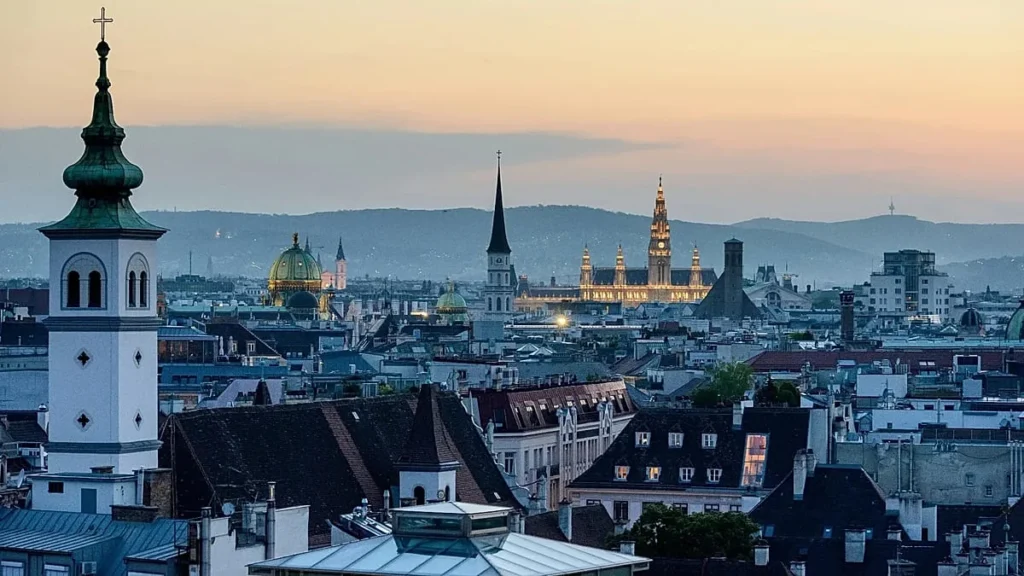
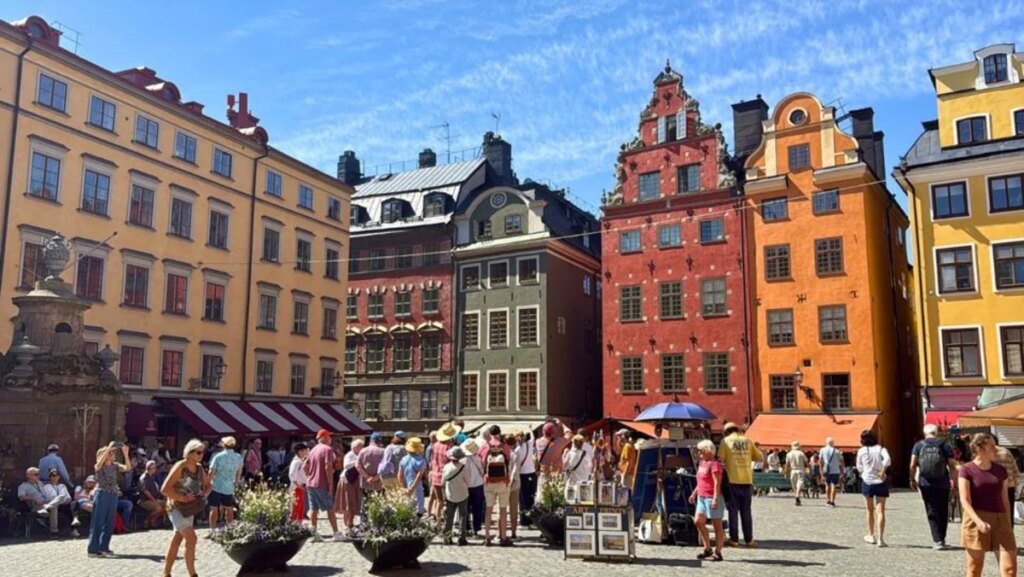
It’s easy to understand the appeal. The compact center combines the historic streets of Gamla Stan with major museums and a strong food scene, while Stockholm’s vast archipelago puts thousands of islands within reach of the city.
For Americans considering a first trip to Scandinavia, the Swedish capital offers an accessible introduction without requiring an itinerary built around long distances. But the growth isn’t confined to Stockholm.
Advertisement
Advertisement
Sweden’s smaller cities and regional destinations are benefiting too. Visit Sweden says 27% of American guest nights in 2025 took place outside the country’s three biggest metropolitan areas of Stockholm, Gothenburg and Malmö.
West Sweden and Skåne in southern Sweden are among the regions attracting the highest numbers of American visitors. In Skåne, the U.S. was the third-largest international tourism market in 2025.
The far north is also becoming more prominent, including Arctic destinations Kiruna and Abisko and experiences ranging from hiking under the midnight sun to seeking out the northern lights.
A Broader Travel Trend Beyond Sweden
Sweden isn’t alone in attracting more international visitors to northern Europe. Airline SAS reported passenger volumes to Scandinavian destinations are up more than 10% year-over-year, while Sweden, Norway and Denmark all recorded their highest-ever number of tourist overnight stays in 2025.
Advertisement
Advertisement
“What we’re seeing is a shift in how people travel, rather than a shift away from other destinations,” said SAS Chief Commercial Officer Paul Verhagen in a press release, pointing to a growing interest in nature, space and outdoor experiences as part of what is drawing travelers north.
There is also evidence of a broader shift away from the traditional European summer peak. Luxury travel network Virtuoso reported that bookings to Europe for fall 2026 were up 49%, even as hotel rates increased by more than 7%.
Sweden is particularly well placed to benefit from both trends.
The country still receives considerably more American visitors during the warmer months than at any single other time of year. But the gap between summer and the rest of the year is becoming less pronounced.
Advertisement
Advertisement
For Sweden’s tourism industry, that’s arguably as important as the overall growth. And with Stockholm searches from American travelers now almost double what they were a year ago, there is little sign that interest in Sweden has peaked.
MORE FROM FORBES
The Best Part Of A Stockholm Cruise Call Comes After Departure
Enjoy The Scandinavian Summer In Sweden’s Stockholm Archipelago
Why Sweden’s Smaller Cities Deserve More Attention
This article was originally published on Forbes.com