Scientists analyzed the exercise habits of more than 96,000 adults and uncovered a surprising longevity finding: How hard you move may matter more than how long you exercise.
In a 2026 study published in the European Heart Journal, researchers found that adults who performed more than 4% of their total physical activity vigorously had 29% to 61% lower risks of eight major chronic diseases and premature death than those who performed no vigorous activity, even after accounting for total activity volume.
Next: Harvard Researchers Say There’s a Strength Training ‘Sweet Spot’ for Longevity
Why Exercise Intensity May Matter More Than Duration

Researchers examined wrist-tracker data from 96,408 UK Biobank participants, whose average age was approximately 62. They compared total movement with the proportion performed vigorously, then examined subsequent disease diagnoses and deaths.
Advertisement
Advertisement
The strongest associations involved inflammatory conditions, major cardiovascular events, respiratory disease, and dementia. For diabetes, kidney disease, and fatty liver disease, both intensity and total activity volume appeared important.
“We were struck by how much more important intensity was than total volume,” study researcher Minxue Shen, PhD, told NPR.
The findings are observational, meaning they cannot establish that vigorous exercise directly prevented disease.
Next: Study of Nearly 88,000 Adults Finds a Surprising Exercise Benefit as You Get Older
The Surprising Benefit of Just a Few Minutes
The encouraging finding is that vigorous activity doesn’t necessarily require an exhausting gym session.
Advertisement
Advertisement
According to the European Society of Cardiology, even 15 to 20 minutes of vigorous movement per week was associated with meaningful health benefits.
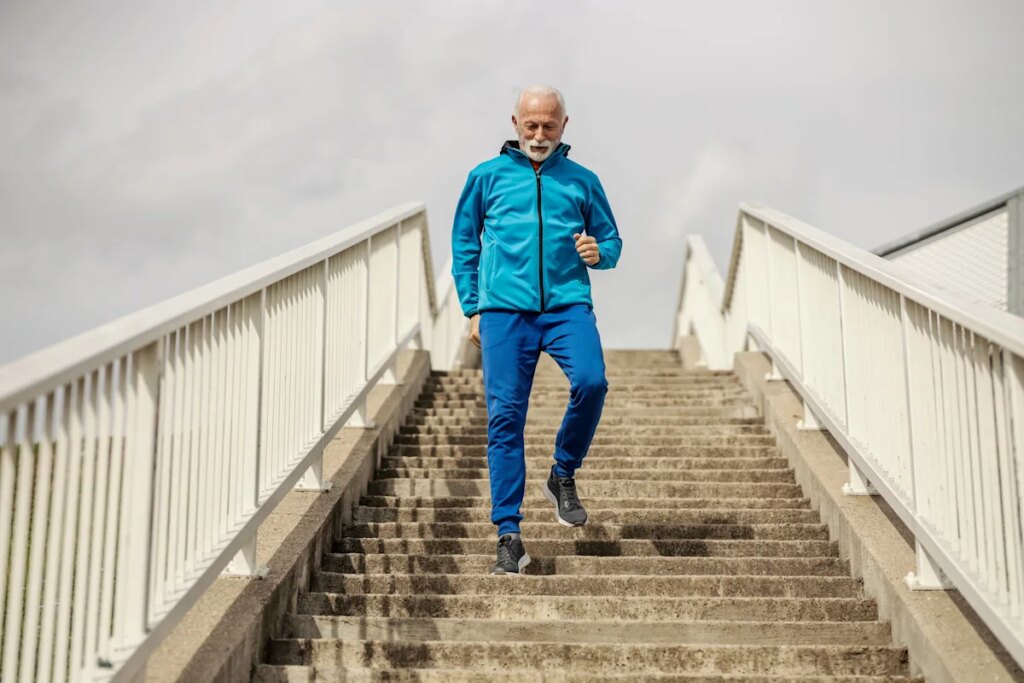
Quickly climbing stairs, walking uphill, or cycling hard enough to become breathless are practical examples.
“This doesn’t require going to the gym,” Shen explained in the society’s research announcement.
The researchers emphasized that small bursts of intensity could fit into activities people already perform, rather than requiring additional workout time.
Related: Doctors Say You’re Tracking the Wrong Smartwatch Data—Here’s What Actually Matters
Next: I’m a Trainer: New Research Shows Short Bursts of Activity Could Help You Live Longer
What This Means for Your Next Workout
The findings don’t suggest abandoning walking, strength training, or longer aerobic sessions. Instead, they support adding manageable periods of higher-intensity movement when appropriate.
Advertisement
Advertisement
People with cardiovascular conditions, limited mobility, or other medical concerns should discuss vigorous activity with a qualified clinician before increasing intensity.
The takeaway: Consistent movement still matters, but occasionally challenging your breathing may offer additional long-term health benefits without spending another hour exercising.
Next: Longevity Doctor Mark Hyman Warns One Everyday Habit May Be Aging You Faster
Related: Your Body Starts Losing Strength Earlier Than You Think, Even if You Exercise

This story was originally published by Men’s Journal on Oct 26, 2026, where it first appeared in the Health section. Add Men’s Journal as a Preferred Source by clicking here.