

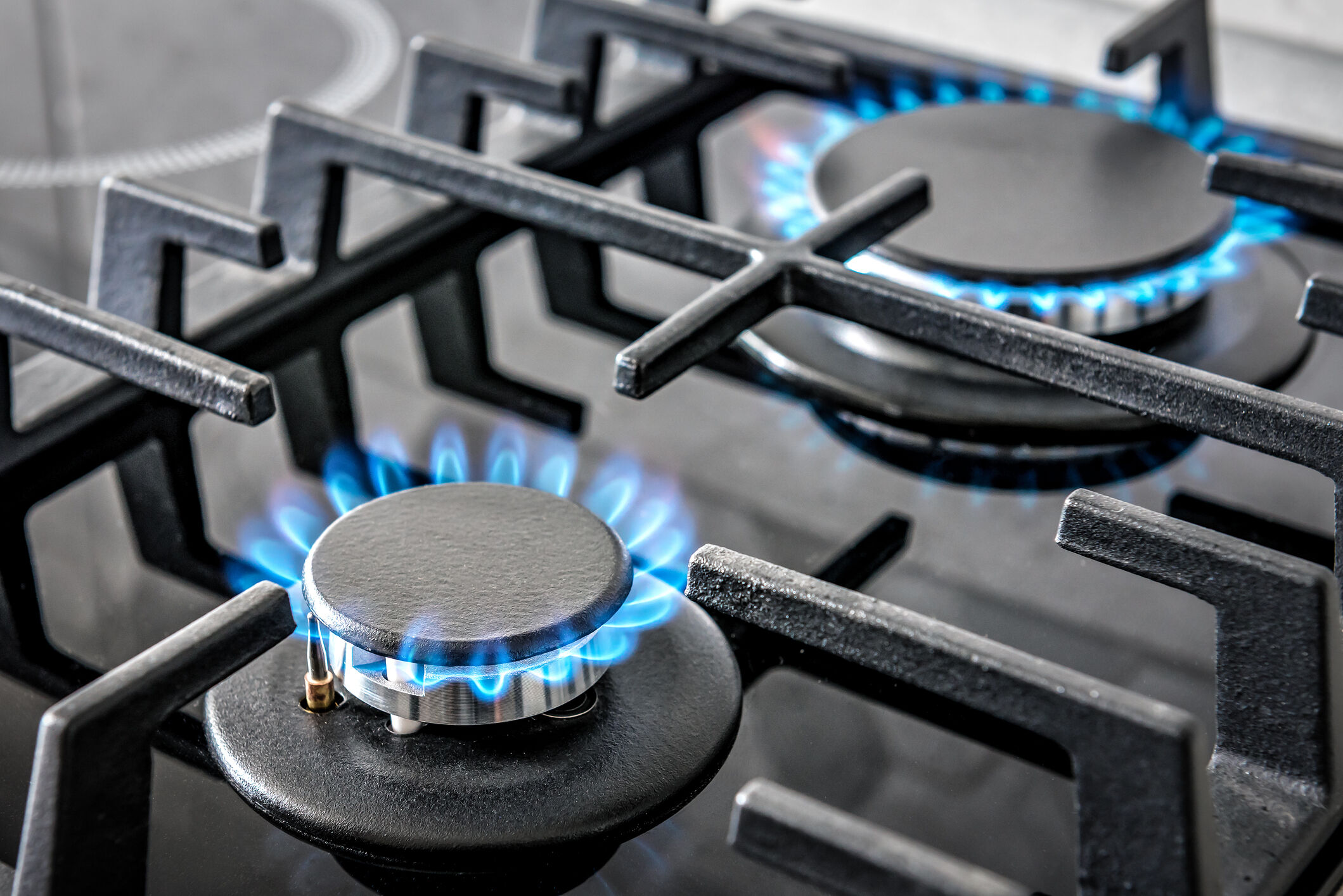
Natural gas began in early 19th-century America as a public utility used mainly for streetlights and industrial purposes, with the Gas Light Company of Baltimore leading the way in 1816. Over decades, expanding pipelines, improved safety standards and new appliances gradually brought gas indoors.
As the United States marks its 250th anniversary, WTOP presents “250 Years of America,” a multipart series examining the innovations, breakthroughs and pivotal moments that have shaped the nation since 1776.
The American Petroleum Institute is proud to partner with WTOP to bring you this series.
Using natural gas today is as routine as turning on the stove or switching on the heat when the temperature drops. But for much of the 19th century, it wasn’t something Americans associated with life at home.
They encountered it outside, glowing in streetlamps or fueling furnaces in factories. It was largely seen as for industrial use.
Now, natural gas is built into everyday life: heating houses, cooking meals and providing us hot water.
That shift from a public fuel source to something people use daily in their personal lives didn’t happen overnight. It unfolded over decades of innovation which gradually brought gas indoors.
Baltimore sets the stage
When natural gas first started showing up in American cities in the early 1800s, it was all about streetlights.
On June 17, 1816, the Gas Light Company of Baltimore became the nation’s first natural gas company.
Not long after the company’s founding, a gas lamp was lit at the corner of Holliday and Baltimore streets near the Inner Harbor, a spot that still marks that moment in the city’s history.
At the time, Baltimore was the third largest city in the country. New York and Philadelphia were among the other major cities that also adopted gas lighting.
Brighter streets meant people could stay out later. Businesses could stay open longer, and city life no longer came to a halt when the sun went down.
Inside the home, most Americans were relying on wood and coal for heat. Cast-iron stoves and fireplaces kept rooms warm, and cooking meant open flames with smoke and ash.
It was a messy and sometimes dangerous combination, but gas appliances were costly and still untested on a large scale.
Things began to change as gas pipeline networks expanded in the late 1800s and early 1900s, making it possible to move natural gas over longer distances.
Homes begin to change
Gas stoves began showing up in middle-class kitchens around the turn of the 20th century.
They offered immediate heat and better temperature control, and it wasn’t hard to notice the difference in convenience and cleanliness.
Gas water heaters followed, allowing for hot water without needing to light a fire first.
Home heating was a tougher sell, though. Coal furnaces were deeply ingrained in American life, and people worried about gas leaks and explosions.
Attitudes about that shifted as safety standards improved and thermostats made gas furnaces easier to control, and by the 1920s and 1930s, gas heat was becoming commonplace.
Then World War II sped everything up.
Investments in pipelines connected Texas, with its booming oil and gas industries, and the Southwest to the Midwest and the East Coast.
After the war, those same lines helped fuel a housing boom as millions moved into new suburbs.
Entire subdivisions were built around gas service, with central heating, gas ranges and water heaters sold as symbols of modern American living and independence.
By the 1950s, natural gas was a dominant fuel in many homes.
What started as a way to light streets and power factories had officially moved indoors.
The transition to natural gas was not just a technological shift but a cultural one, redefining what Americans expected from their living spaces and the energy that powered them.
Get breaking news and daily headlines delivered to your email inbox by signing up here.
© 2026 WTOP. All Rights Reserved. This website is not intended for users located within the European Economic Area.