


Dr Simon Feldhaus, the chief medical officer of The Balance Rehab Clinic’s Swiss hub and the president of the Swiss Society for Anti Aging Medicine and Prevention (SSAAMP), has spent 15 years specialising in longevity. Contrary to the modern belief that abstinence is best for health, the 58-year-old enjoys occasionally drinking beer and wine with friends. He lives in Brunnen with his wife and has four children, ages 8 to 22.
Doing all that we can to achieve good health is sensible – who doesn’t want to enjoy life for as long as possible? Yet what is the point of living a long life if it is one of restriction and abstinence, not joy? At the age of 58, some of my fondest times with friends have certainly included wine or beer. Spending time eating, drinking, laughing and swapping stories has brought me much pleasure over the years, so I have no plans to stop.
While I’m not suggesting that alcohol is necessary, or risk-free, I do believe that our relationship with it is more nuanced than the current fear-driven narrative it’s become fashionable to push.
So much of modern medicine is motivated through fear. Fear of food, fear of alcohol, fear of life. Three decades of being a doctor, however, has taught me that of all the emotions humans experience, fear itself is the most toxic for the body.
Alcohol is a toxin, but there are nuances
That said, there’s no excuse for abusing our bodies. There’s no escaping the fact that alcohol is a toxin, with no essential biological role in the human body. The World Health Organisation concludes that there is no safe amount to drink.
However, what we forget – often deliberately in modern health debates – is that alcohol is not an alien substance. Fermentation happens naturally; leave fruit on the ground long enough and it will produce alcohol. When we drink freshly pressed apple juice, our gut bacteria will generate small amounts of alcohol during digestion. Even animals encounter it: there are well-documented cases of primates becoming intoxicated after eating fermented fruit. Humans evolved in this environment, so our bodies recognise alcohol and know how to deal with it.
What’s more, toxicity, in biology, is never a simple yes-or-no question. It is always a question of dose. After all, eight litres of water can kill you, and even oxygen becomes toxic at the wrong concentration. Almost nothing in nature is harmless in unlimited quantities, and alcohol is no different.
While I personally enjoy a drink, I don’t consume alcohol very frequently – perhaps on average it would be a total of six to eight times a month. Each time, I’ll usually have one or two bottles of beer, or two glasses of wine. I don’t drink to get drunk. Some people may call this discipline, but I see it more as enjoyment with boundaries.
And from a toxicological perspective, alcohol is not the most demanding substance the liver processes – not even close. Many commonly prescribed medications place a far greater burden on liver enzymes. Statins, blood pressure drugs, anticoagulants and sleeping pills are all foreign chemicals that require complex detoxification and often compete for the same liver enzymes to do this. Add grapefruit juice, supplements or multiple prescriptions, and these detox pathways can be inhibited. Yet we rarely warn patients about this complexity. Instead, we tell them, “Never drink a glass of wine.”
The liver of a person who drinks one glass of wine per month but takes three medications every day may be under far more strain than someone who drinks moderately (as I do) and who (like me) isn’t on medication. This is not an argument for drinking, but just offering some perspective.
Our genetics influence how much alcohol we can handle
Your liver is not like mine, and that matters. The body’s detoxification capacity is highly individual – and is largely determined by genetics.
The liver relies on enzymes – most famously the cytochrome system – to perform chemical conversions, and the instructions for building these enzymes are written in our DNA. Some people produce enzymes very efficiently and can tolerate a sensible amount of alcohol perfectly well, while others produce them poorly or simply lack certain enzymes almost entirely. This is known as genetic polymorphism, and it explains why two people can live identical lifestyles yet respond very differently to alcohol, medication or supplements.
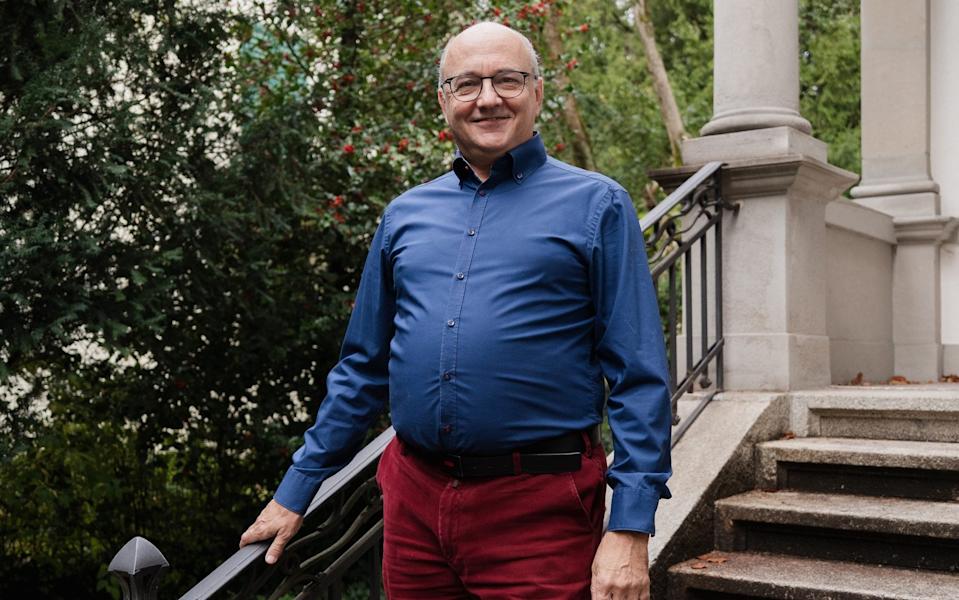
Toxicity, in biology, is never a simple yes-or-no question, Dr Feldhaus says, but rather a question of dose – Ola Fras
The enzyme specifically responsible for detoxifying alcohol is called alcohol dehydrogenase. This is often lower, or works more poorly, in people of East Asian descent. When they drink alcohol, acetaldehyde – a highly toxic byproduct of alcohol metabolism – builds up, triggering histamine release. The result is flushing, headaches, palpitations, nausea and fatigue. For people affected this way, I would strongly advise lowering your alcohol dosage, as it will have a stronger negative effect on you than those that do not have the genetic variation – especially if they drink a lot over a sustained period of time.
Most of us intuitively know how we process alcohol, but if you’re unsure, there’s a test, the detoxification genetic test, which provides this information [the test is available at various places in the UK including Embracing Nutrition, where it costs £379].
Individuals with an ALDH2*2 gene variation may have reduced capacity to metabolise acetaldehyde, placing them at higher risk of oxidative stress or a build-up of damaging free radicals during alcohol metabolism.
We know that oxidative stress plays a major role in the development of cardiovascular disease and is also involved in the processes that can contribute to certain cancers. However, when looking at the root cause of diseases, it is never only down to someone’s alcohol intake. An individual’s broader nutritional intake, physical activity and lifestyle patterns also have an impact.
The most well-established risk of heavy drinking is liver damage, particularly the development of conditions like fatty liver, alcoholic hepatitis and, eventually, cirrhosis. This link is well established. Meanwhile, the development of cancer or cardiovascular disease is the combination of multiple high-risk factors. For example, there are many people in their later 70s or 80s who drink heavily but do not develop cancer or heart disease.
As a longevity and preventive medicine physician, I avoid fear as much as possible. The reason I recommend these genetic tests is to provide a road map for where our preventative focus should be. More important than the test, however, is how people can prevent the negative effects of alcohol on their bodies, even if they have a harder time detoxing genetically.
Protecting yourself from alcohol damage
While you cannot change your genes, we are learning ever more about epigenetics – how you can work with genes by making changes in your environment and lifestyle.
It is sometimes possible to improve a reduced alcohol tolerance. For instance, if the enzyme exists but works inefficiently, it can often be supported with specific micronutrients such as vitamins B2 and B3, zinc, magnesium and molybdenum (a trace element).
At the very minimum, you need to take vitamin D and omega-3 supplements, which are important for reducing inflammation and support in the processing of alcohol too. Certain foods (like broccoli, Brussels sprouts, watercress and radish) also support liver pathways. However, if the enzyme is completely absent, alcohol will never feel good – and that is the body giving a clear sign that it’s not for you.
How, where, and with whom we drink alcohol affects longevity
France is a country renowned for its wine. People who live there are proud of their world-famous vineyards and enjoy drinking the produce. If alcohol was really so bad for you in all scenarios, France would be a nation who died young. It isn’t, however, and I believe this is because their attitude towards drinking is far healthier.
In France, alcohol is usually paired with food (and generally has a lower alcohol content at around 12-13 per cent, compared to 13.5-15 per cent for many New World wines). It’s a mindful activity, not binged. In Britain, drinking can be the main event of the night. Often, it’s used as an emotional coping mechanism to numb feelings, or to mask social awkwardness, rather than to really connect on any meaningful level with the people you love.
Alcohol does not act in isolation. A glass of wine consumed anxiously, alone, as self-medication has a very different physiological impact than the same glass shared over a meal with friends. The context in which we drink actually changes biology.
I best describe my own drinking habit as “deliberate” – by which I mean that I drink intentionally, never in front of the television, never to relax or to escape or when I’m stressed. Research shows time and again that connection supports health and lifespan, while isolation increases inflammation. Within reason, I’d say intention matters as much as the units consumed.
I drink only beer or wine, and almost always with food, so alcohol is part of a meal. But even doctors aren’t perfect. There is one exception in the year when I throw caution to the wind happily. During the annual German beer festival Oktoberfest, I enthusiastically – and unashamedly – enjoy drinking beer by the litre. Because life is too short not to have fun.
As told to Susanna Galton
Try full access to The Telegraph free today. Unlock their award-winning website and essential news app, plus useful tools and expert guides for your money, health and holidays.