

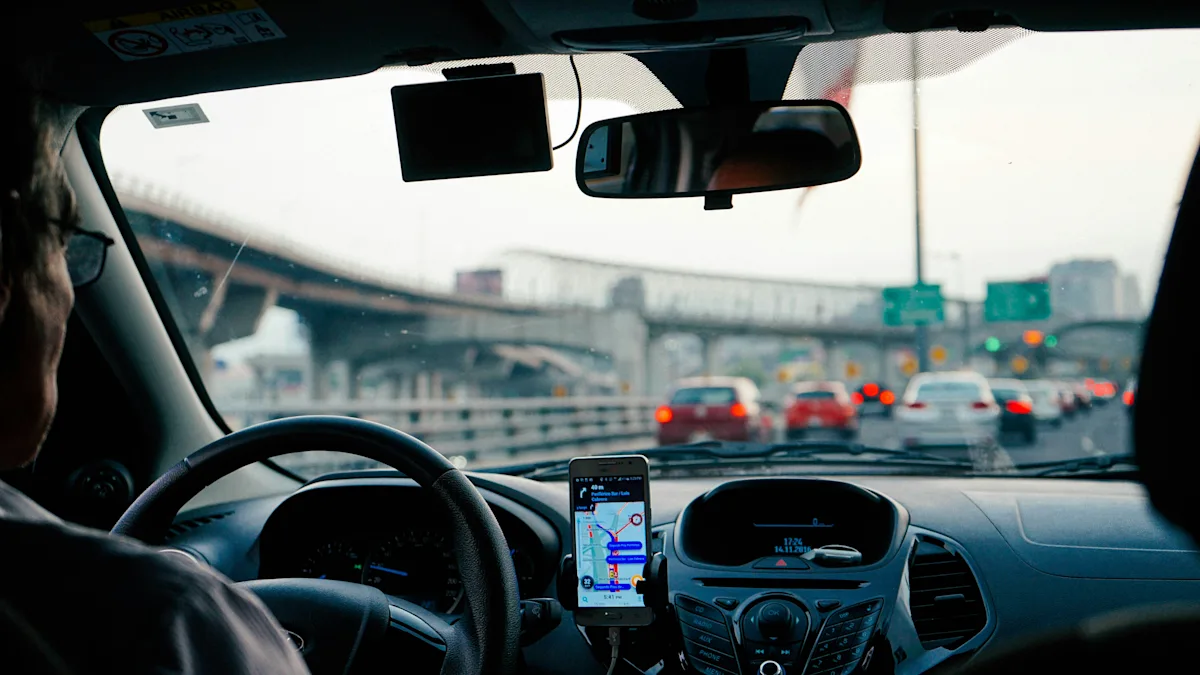
Like most people trying to exist in an economy where prices for everyday things seem to balloon to ever-more shocking levels every day, I’m always looking for the tiny habits that make a meaningful dent in my budget. One of those things is rideshare, which I rely on occasionally in my hometown of Los Angeles — especially when I’m getting to and from the airport. It can get super expensive, so I stay vigilant. One thing I never do: book a ride without checking both Uber and Lyft first.
I have both apps installed and open them side-by-side every single time I need a ride. After years of doing this, I’ve noticed a pattern: around my home turf, Lyft is typically cheaper, especially for longer stretches like airport runs.
But this is absolutely not a universal rule — and whenever I’m traveling, the price comparison becomes even more essential. I’ve seen Uber undercut Lyft by a few dollars in some cities, and the reverse in others. You truly never know until you look.
Now there’s data confirming that this little habit does in fact totally pay off… and that most people aren’t doing it.
According to a new study from the National Bureau of Economic Research cited in Travel + Leisure, a staggering 84 percent of Uber and Lyft users book a ride without checking the other app first.
That means the vast majority of riders are potentially overspending on every single trip. Researchers found that the average price difference between the two services is 14 percent, and at least one of the apps offered a ride that was $1 cheaper 75 percent of the time.
It doesn’t sound like much in isolation, but it adds up fast. That 14 percent price gap translates to about $3.50 saved per ride if you simply toggle back and forth before booking — it takes me 10 seconds. Multiply that across even a month’s worth of travel — airport drop-offs, concerts, work events — and you’re suddenly talking real money. According to the researchers, riders in New York City alone could have collectively saved $300 million if everyone had done this quick comparison. (Let that sink in.)
And it gets better (or worse, depending on how you look at it): The longer your ride, the bigger the price gap tends to grow. For those extra-long airport hauls, the savings potential becomes even higher.
The research team, which included economists from Harvard University, Johns Hopkins University, and Theia Insights, analyzed publicly available data from the New York City Taxi & Limousine Commission alongside mobile behavior data from Comscore.
Interestingly — and importantly — they also found no consistent winner between Uber and Lyft. Neither app was reliably cheaper, which is exactly why checking both consistently is so important.
So yes, it takes a few extra seconds. But those seconds translate directly into lattes… or whatever little treats mean to you. If you’re part of the 84 percent of people skipping this step, consider this your sign to switch things up.