

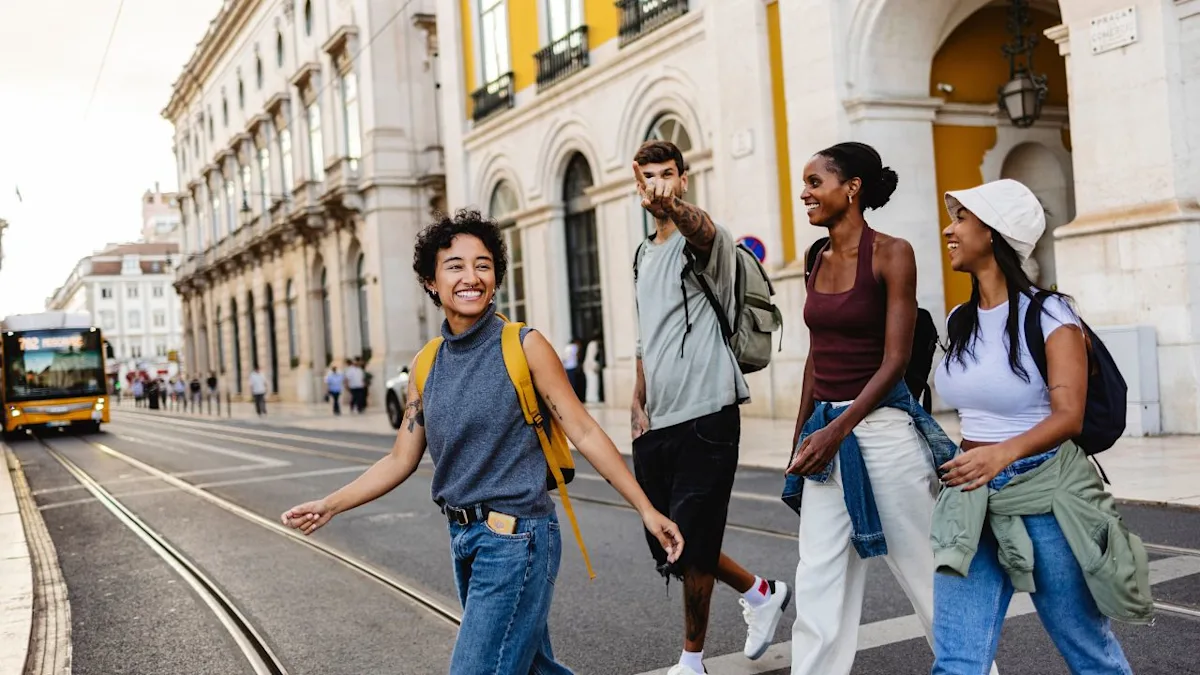
Gen Z has rapidly changed the travel landscape, often confusing older generations with habits that seem unusual, overly casual, or even impractical at first glance. Yet behind these “weird” behaviors lies a mix of creativity, resourcefulness, and a strong desire for meaningful experiences over traditional luxury.
Their approach prioritizes value, sustainability, and personal satisfaction in a way that challenges outdated travel norms. In many ways, Gen Z may actually be shaping the future of stress-free, culturally connected travel.
What makes their habits so genius is the balance between digital fluidity and emotional intelligence. They blend online tools with real-world curiosity to maximize every moment of their journey. Instead of collecting brag-worthy photos, they focus on community, slow exploration, and authentic encounters. By understanding their travel mindset, even older generations can pick up powerful lessons for smarter, more fulfilling trips.
Choosing Off-Season Travel to Save More and Stress Less

Image Credit:Shutterstock.
Gen Z increasingly avoids peak tourist months, opting for cooler prices and quieter destinations. This strategy not only reduces travel costs but also makes attractions far more enjoyable. Off-season travel provides better opportunities for meaningful interactions with locals who aren’t overwhelmed by crowds. As a result, they experience deeper cultural immersion without stretching their budget.
By traveling off-peak, Gen Z ensures more flexibility and spontaneity in their plans. They can stay longer, explore more, and tailor experiences without fighting long lines or fully booked tours. This habit also helps them discover hidden gems that remain overlooked during busy months. Ultimately, it leads to richer memories and smoother travel days.
Booking Digital-Nomad-Friendly Stays Instead of Hotels

Image Credit:Shutterstock.
Gen Z loves accommodations that combine comfort, community, and workspace, making co-living spaces a top choice. These environments offer shared kitchens, high-speed Wi-Fi, and lounges designed for remote work. Instead of feeling isolated in hotel rooms, they build friendships with travelers who share similar lifestyles. This sense of community enhances both productivity and enjoyment.
Additionally, co-living options often cost significantly less than traditional hotels. Longer stays unlock deeper discounts, and shared amenities reduce day-to-day expenses. The result is a travel style that feels modern, sustainable, and socially connected. For many, these spaces become second homes around the world.
Preferring Walkable Cities Over Car-Heavy Destinations
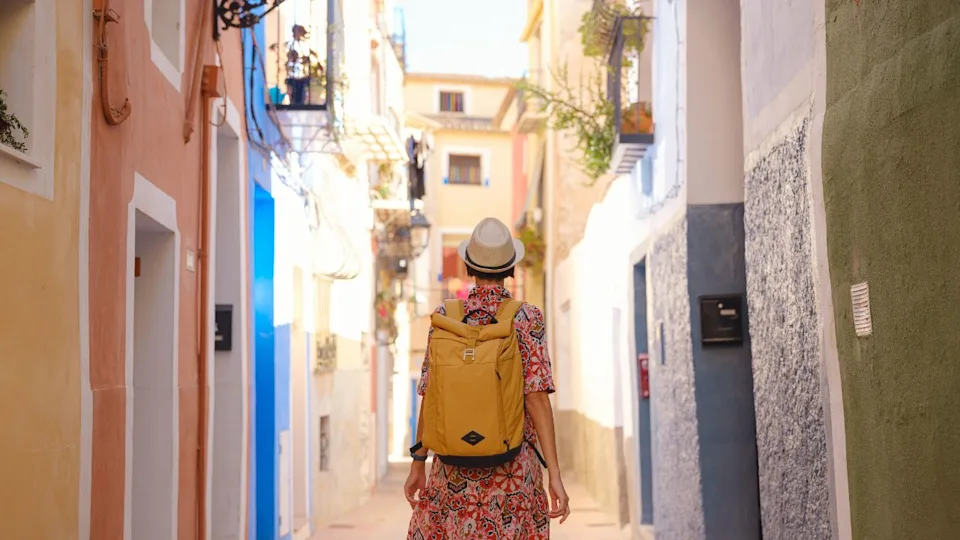
Image Credit:Shutterstock.
Gen Z prioritizes destinations where public transit is reliable and neighborhoods can be explored on foot. Walking makes travel more spontaneous, allowing them to stumble upon cafés, markets, and street art that guidebooks ignore. This eco-friendly habit reduces carbon footprints and creates more memorable travel days. It also helps them stay active without planning expensive excursions.
Walkability provides a sense of freedom and safety that enhances the overall travel experience. Instead of dealing with rental cars or parking fees, they navigate cities with ease and confidence. This lifestyle encourages slow travel and deeper connections with local communities. For Gen Z, exploring on foot is both practical and enriching.
Packing Ultralight to Stay Fully Mobile
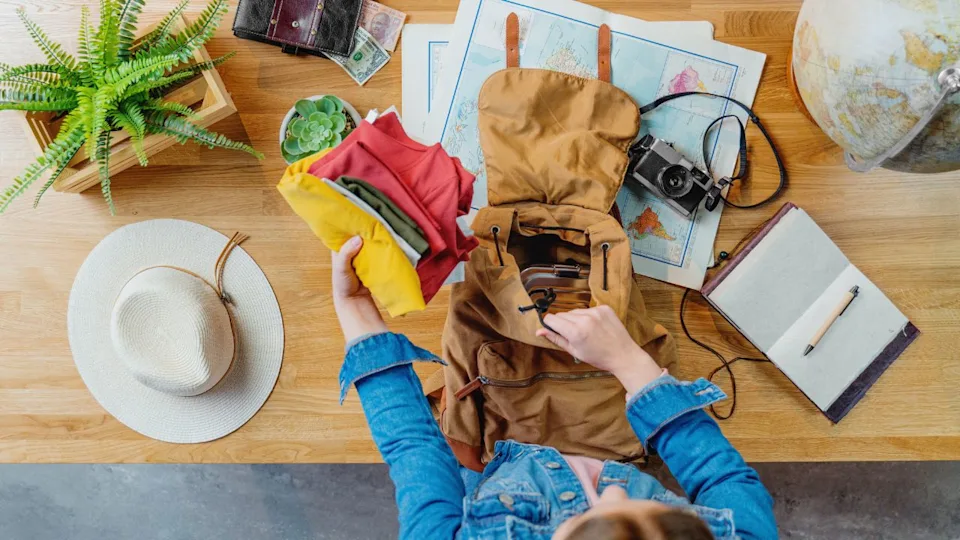
Image Credit:Shutterstock.
Rather than lugging around oversized suitcases, Gen Z travels with small backpacks or carry-ons. This minimalist approach saves time at airports, reduces stress, and eliminates baggage fees entirely. It also encourages them to focus on essentials rather than overpacking clothing they won’t wear. With lighter luggage, every part of the journey feels more flexible.
Ultralight packing aligns with the generation’s preference for mobility and efficiency. They can switch accommodations quickly, hop on last-minute transport, and navigate crowded streets with ease. With less stuff to worry about, they devote more energy to the experience itself. This trend proves that simplicity often leads to richer travel.
Choosing Experiences Over Souvenirs

Image Credit:Shutterstock.
Instead of buying trinkets, Gen Z invests in cooking classes, outdoor adventures, and cultural workshops. Memories, skills, and personal growth are seen as more valuable than objects that gather dust at home. This mindset shifts travel from a shopping trip to a transformative journey. It also creates deeper connections with the people and traditions they encounter.
Experiences offer emotional fulfillment that physical items rarely match. They generate stories worth sharing and skills worth keeping long after the trip ends. By focusing on meaningful activities, Gen Z stretches their budget more effectively. Their “weird” preference turns out to be a smart investment in lifelong value.
Eating Where Locals Eat Instead of Trendy Tourist Spots
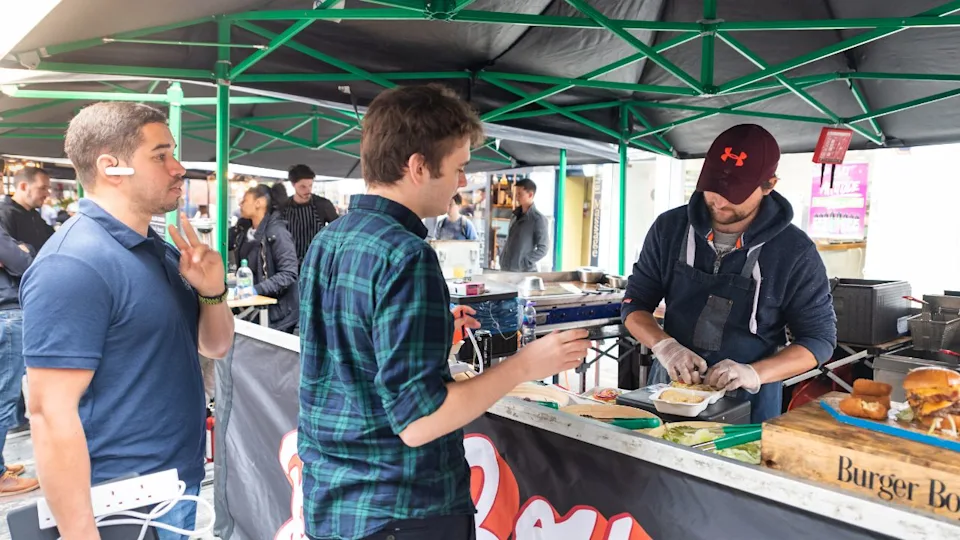
Image Credit:Shutterstock.
Gen Z avoids overpriced restaurants designed for tourists, choosing small neighborhood cafés and food stalls instead. These places reflect the true culinary culture of a city and offer authentic flavors at affordable prices. Street food markets become their favorite dining rooms, full of diversity and local energy. This habit leads to more memorable meals without financial strain.
By supporting local vendors, they help keep community-based businesses thriving. It also allows them to interact with residents who know the area best. This exchange often reveals tips, hidden spots, and genuine hospitality. Gen Z’s food choices are not only budget-savvy but culturally immersive.
Using Social Media for Planning but Not for Showing Off

Image Credit:Shutterstock.
Although heavily online, Gen Z often uses social media quietly, to research trips, not flaunt them. They scroll through travel creators, local residents, and niche hashtags to uncover hidden gems. Instead of posting every activity, many prefer private photo dumps or offline albums. This makes their trips feel intimate rather than performative.
This trend helps them enjoy the moment without pressure to impress followers. It also reduces travel FOMO and encourages authentic exploration. Social media becomes a tool for inspiration, not validation. In the end, it leads to lower stress and greater satisfaction.
Asking Locals for Advice Instead of Relying Only on Apps

Image Credit:Shutterstock.
Gen Z is surprisingly social when traveling, often striking up conversations with baristas, hosts, or street vendors. These interactions reveal restaurants, viewpoints, and activities missing from standard travel websites. Locals offer context, culture, and stories that technology cannot replicate. This makes the trip feel more personal and grounded.
By trusting community knowledge, Gen Z avoids tourist traps and overpriced attractions. They discover smaller, more authentic parts of a destination. The result is a trip shaped by real human connections. This habit proves that genuine curiosity is a powerful guide.
Embracing Slow Travel Instead of Rushing Itineraries
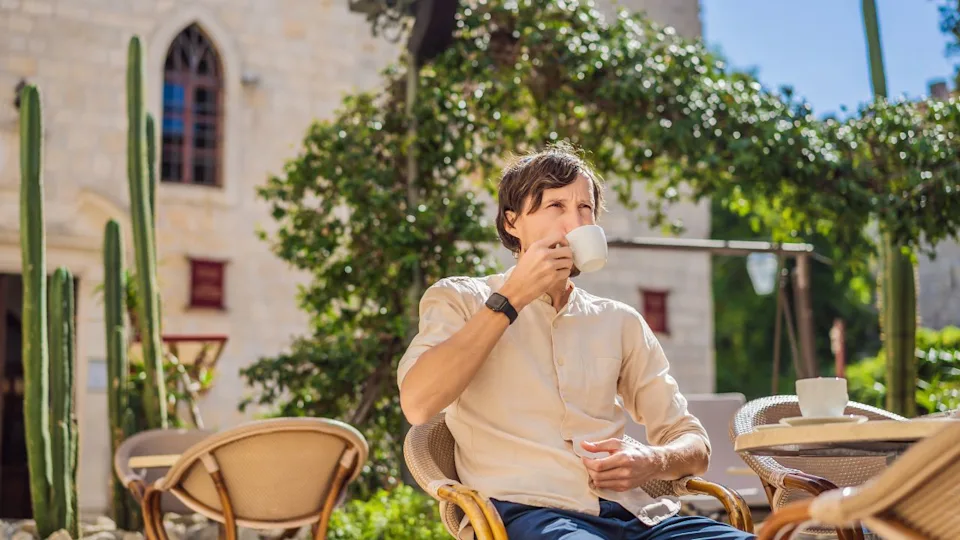
Image Credit:Shutterstock.
Gen Z increasingly chooses longer stays in fewer destinations. Rather than racing through cities to check off bucket-list items, they prefer absorbing the local rhythm. This slow approach helps them build routines, find “favorite” spots, and understand a place more deeply. It turns travel into temporary living rather than sightseeing.
Slow travel reduces burnout and expands the potential for meaningful encounters. It also supports sustainable tourism by minimizing constant transportation. With more downtime, travelers can reflect, recharge, and enjoy the unexpected moments. Gen Z’s relaxed style ultimately delivers a richer experience.
Choosing Night Buses and Trains to Save Money
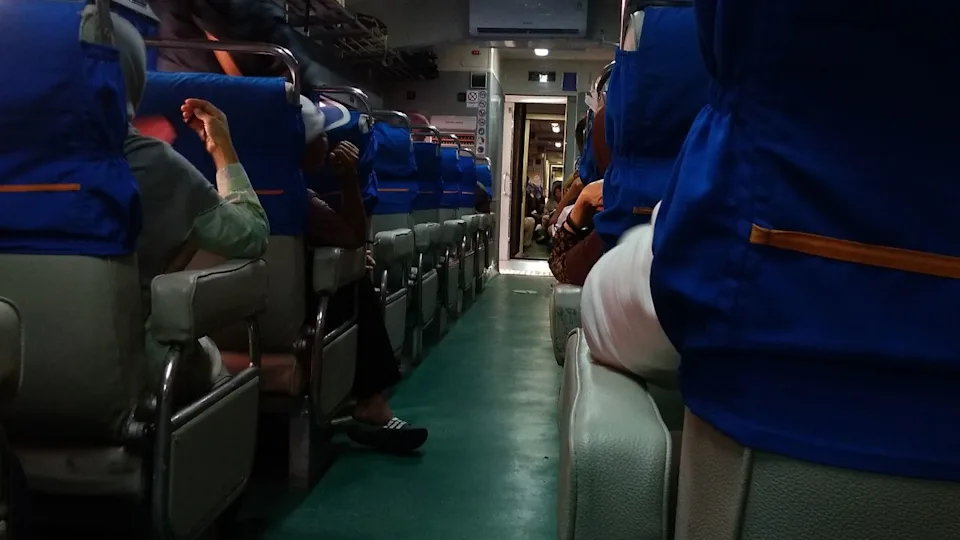
Image Credit:Shutterstock.
To stretch their budget, Gen Z often opts for overnight transport, combining travel and accommodation into one. This reduces hotel costs and frees up daylight hours for exploration. Night travel feels adventurous, efficient, and surprisingly comfortable for many young travelers. It reflects their willingness to trade minor inconvenience for major savings.
The habit also supports eco-friendly travel options like trains, which produce fewer emissions than flights. Overnight journeys become part of the experience rather than just a transfer. With proper planning, it can be both practical and exciting. Gen Z proves that smart budgeting doesn’t require sacrificing adventure.
Supporting Eco-Friendly Stays and Responsible Tourism

Image Credit:Shutterstock.
Gen Z gravitates toward hostels and guesthouses that champion sustainability. They value recycling programs, local sourcing, and low-waste operations. This reflects a broader desire to travel ethically without raising costs. It also ensures that their presence benefits the communities they visit.
Eco-friendly stays often offer vibrant community events, workshops, and social spaces. Travelers enjoy meaningful connections with others who share similar values. This focus on sustainability enriches the overall experience. Ultimately, it fosters responsible habits that future generations can follow.
Traveling for Mental Health, Not Just Sightseeing
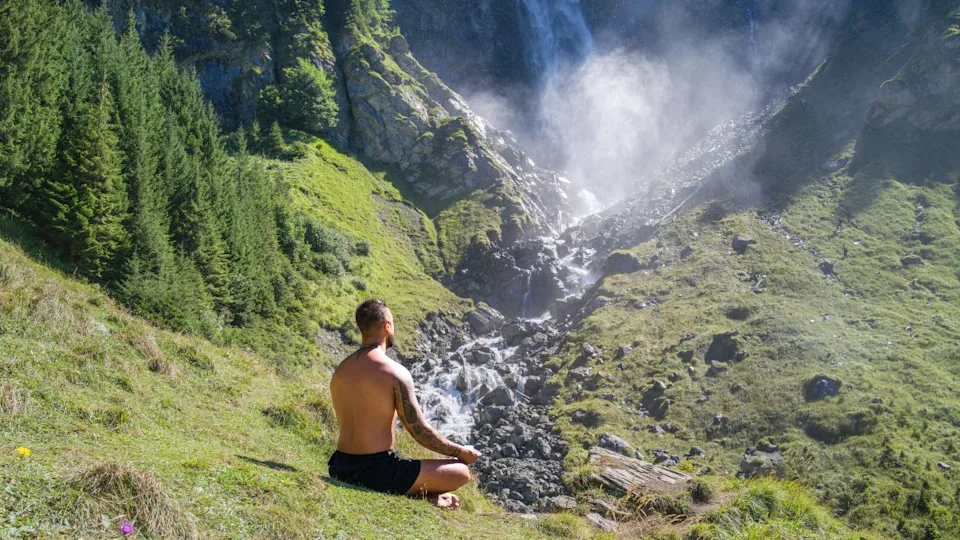
Image Credit:Shutterstock.
Gen Z uses travel as a way to reset, heal, and gain perspective. Instead of jam-packed itineraries, they prioritize nature, cafés, and quiet corners of cities. This mindful approach reduces anxiety and increases enjoyment. It reframes travel as self-care rather than a checklist.
By focusing on emotional well-being, they choose destinations that align with personal needs rather than trends. This makes travel deeply restorative rather than exhausting. It also encourages healthier routines and balanced experiences. Gen Z’s mindset demonstrates that mental health deserves a place in every journey.
Mixing Solo Travel with Micro-Groups

Image Credit:Shutterstock.
Many Gen Z travelers start solo but join pop-up groups, workshops, or meetups along the way. This hybrid style allows independence without loneliness. They enjoy flexibility while still forming short-term communities. It’s a modern form of socializing that makes travel safer and more dynamic.
These micro-groups often lead to new friendships, shared meals, and spontaneous day trips. They create support systems without the commitment of permanent travel partners. This trend suits the generation’s fluid and adaptable lifestyle. Ultimately, it offers the best of both worlds.
Prioritizing Free Activities Over Expensive Attractions

Image Credit:Shutterstock.
Gen Z makes full use of parks, viewpoints, public art, and community events. They know that the most memorable parts of a city often cost nothing. Instead of splurging on pricey attractions, they invest time exploring neighborhoods and natural landscapes. Their curiosity compensates for any financial limitations.
Free activities encourage deeper engagement with local culture. They reveal daily life in a way guided tours often overlook. This approach also reduces financial pressure and increases spontaneity. Gen Z proves that wonder doesn’t require a high price tag.