

Japan’s most iconic sights often overshadow an entirely different world hidden beyond the bright lights and famous temples. Travelers rushing between Tokyo, Kyoto, and Osaka rarely pause to explore the quieter regions where traditions are stronger, landscapes more dramatic, and daily life far less touched by mass tourism. These lesser-known destinations reveal a slower and more intimate version of Japan, where ancient customs continue naturally and without performance.
Visitors who venture into these areas discover a country that feels deeper, richer, and more personal than what appears in typical guidebooks. The contrasts between serene rural towns, mystical forests, coastal villages, and cultural enclaves offer a refreshing new way to experience the country.
Leaving Tokyo’s intensity behind opens the door to regions shaped by history, mythology, volcanic forces, and generations of craftsmanship. Here, travelers encounter a Japan where small details matter: the scent of cedar in wooden bathhouses, the soft crunch of gravel in temple courtyards, or the distant sound of waves breaking against remote shorelines.
These places allow visitors to slow their pace and understand Japanese culture on its own terms rather than through the lens of tourism. They also introduce landscapes so varied that each stop feels like stepping into a new world, lush islands, samurai towns, alpine valleys, creative hubs, and spiritual sanctuaries. For travelers seeking authentic immersion, these destinations redefine what “discovering Japan” truly means.
Kanazawa, Ishikawa
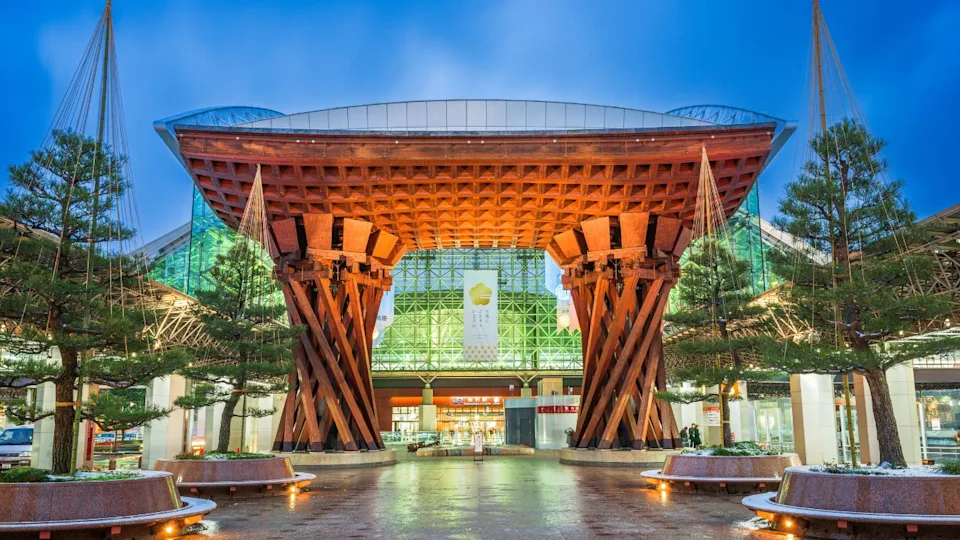
Image Credit:Shutterstock.
Kanazawa blends history, artistry, and sophistication in a way that rivals Kyoto but with far fewer crowds, creating a deeply immersive experience for visitors seeking authenticity. Its beautifully preserved geisha districts and samurai neighborhoods feel like living museums, offering rare insight into Edo-period life. Kenrokuen Garden, one of Japan’s three great landscape gardens, transforms with each season, offering ever-changing scenes of elegance and tranquility.
Local artisans continue traditional crafts like gold-leaf production and delicate lacquerwork, giving the city a refined creative energy. Even a simple walk through Kanazawa brings a sense of calm and cultural depth that resonates with travelers.
Away from the famous sites, Kanazawa maintains a quiet charm expressed through its markets, cafés, and riverfront scenery. The Omicho Market showcases some of Japan’s freshest seafood, presenting flavors that reflect the region’s coastal identity. Small teahouses tucked into narrow alleyways invite visitors to slow down and savor the city’s refined atmosphere.
Contemporary museums like the 21st Century Museum of Modern Art add a modern contrast to the historic architecture. Together, these elements make Kanazawa a place where tradition and innovation coexist effortlessly.
Yakushima Island, Kagoshima
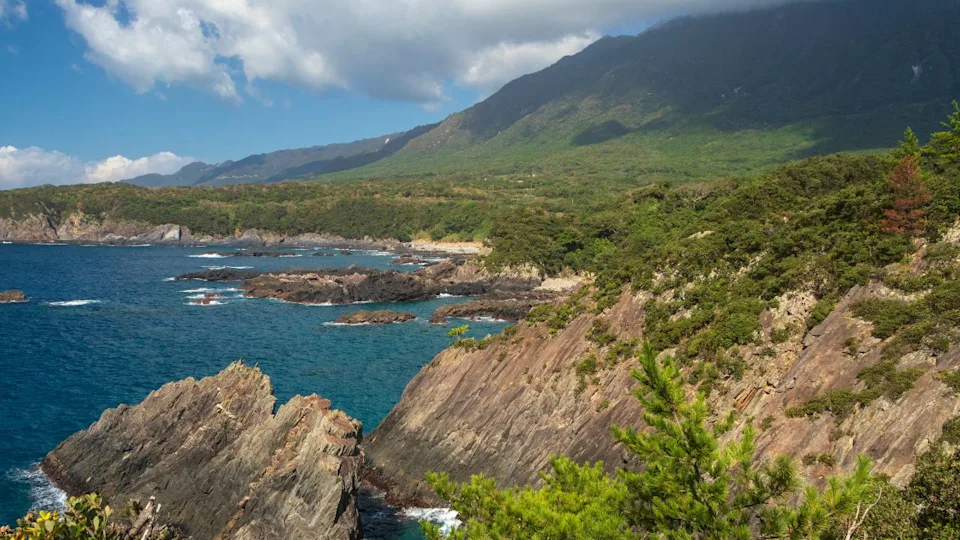
Image Credit:Shutterstock.
Yakushima is a mystical, rain-drenched island covered in ancient forests that feel almost otherworldly, offering one of Japan’s most powerful nature experiences. Massive cedar trees, some thousands of years old, rise like natural monuments in a landscape that seems untouched by time.
Thick moss blankets stones and roots, while mist drifts through the forest to create scenery reminiscent of a fantasy world. Hiking trails wind through deep green valleys, thundering waterfalls, and rugged mountain passes. For many visitors, Yakushima becomes a spiritual retreat that reconnects them with nature.
Life on the island moves at a gentle rhythm shaped by weather, tradition, and the ocean. Locals maintain a close relationship with their environment, practicing sustainable fishing and forestry methods passed down for generations.
Small inns and hot spring baths provide warm hospitality after long days of exploring the wilderness. The surrounding waters are home to sea turtles and diverse marine life, adding another layer of natural beauty to the island. Yakushima is not just a destination, it is an experience that stays with travelers long after they leave.
Takayama, Gifu
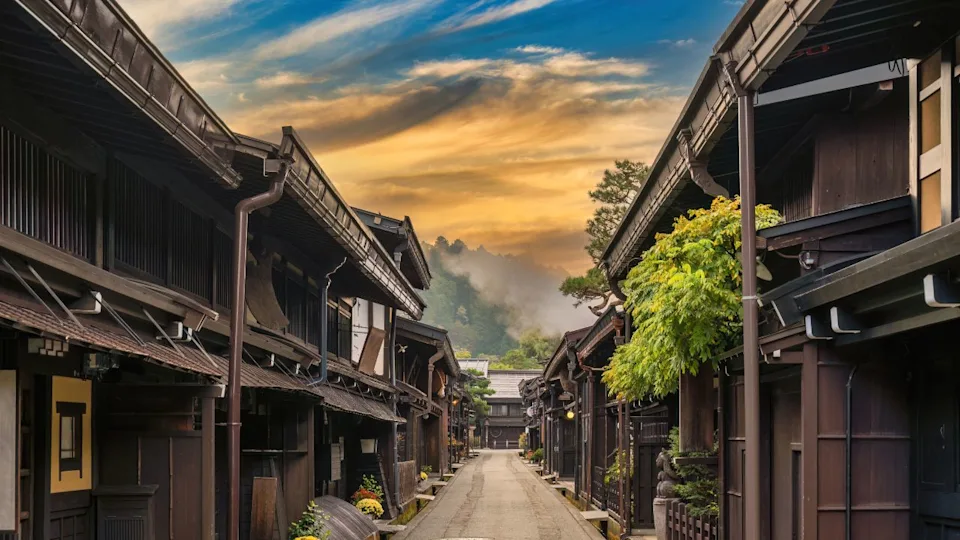
Image Credit:Shutterstock.
Takayama offers a remarkably preserved old town that feels like stepping into a postcard version of historical Japan, complete with wooden merchant houses and atmospheric streets. Morning markets along the riverside bring local farmers and artisans together, offering regional specialties like mountain vegetables and handcrafted goods.
The city’s traditional sake breweries produce some of the finest rice wine in the country, inviting visitors to sample flavors that reflect the region’s pure mountain water. Takayama’s seasonal festivals showcase centuries-old traditions, creating a lively cultural backdrop. Everywhere you go, the town’s warmth and heritage are impossible to ignore.
Beyond its historical center, Takayama acts as a gateway to the remote villages of the Japanese Alps. Travelers can venture into Shirakawa-go, a UNESCO site known for its steep-roofed farmhouses designed to withstand heavy snowfall.
Mountain trails reveal dramatic landscapes and quiet shrines hidden deep among the trees. The region’s cuisine emphasizes hearty, rustic flavors like Hida beef and vegetable hot pots. Takayama’s combination of natural beauty and cultural richness makes it one of Japan’s most rewarding off-the-beaten-path destinations.
Naoshima, Kagawa
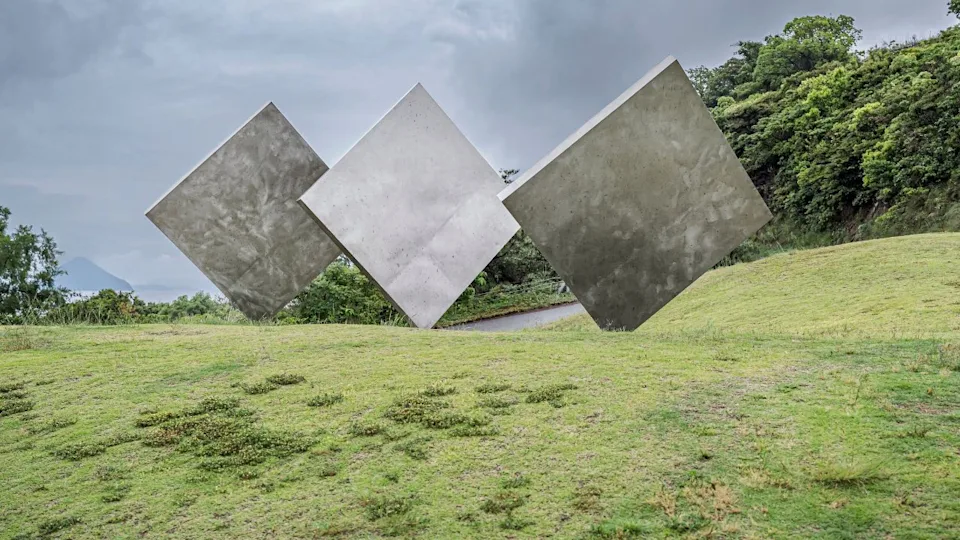
Image Credit:Shutterstock.
Naoshima stands as Japan’s leading art island, transforming contemporary creativity into a landscape-wide experience unlike anywhere else. Striking museums designed by architect Tadao Ando blend seamlessly with nature, creating minimalist spaces that feel both peaceful and monumental.
Outdoor sculptures appear unexpectedly along coastal paths, turning the entire island into an open-air gallery. Visitors can explore abandoned buildings converted into art installations that challenge traditional boundaries between architecture and sculpture. Naoshima’s unique concept invites travelers to reflect, wander, and interpret art in their own way.
Life on the island remains simple and slow, providing a perfect environment for contemplation. Small cafés and guesthouses maintain a friendly, local atmosphere where creativity feels woven into everyday life. The island’s beaches offer moments of quiet between museum visits, showcasing clear waters and gentle breezes. Local residents support the art communities while preserving the island’s maritime identity. Naoshima proves that art can transform not only spaces but the entire spirit of a destination.
Matsue, Shimane
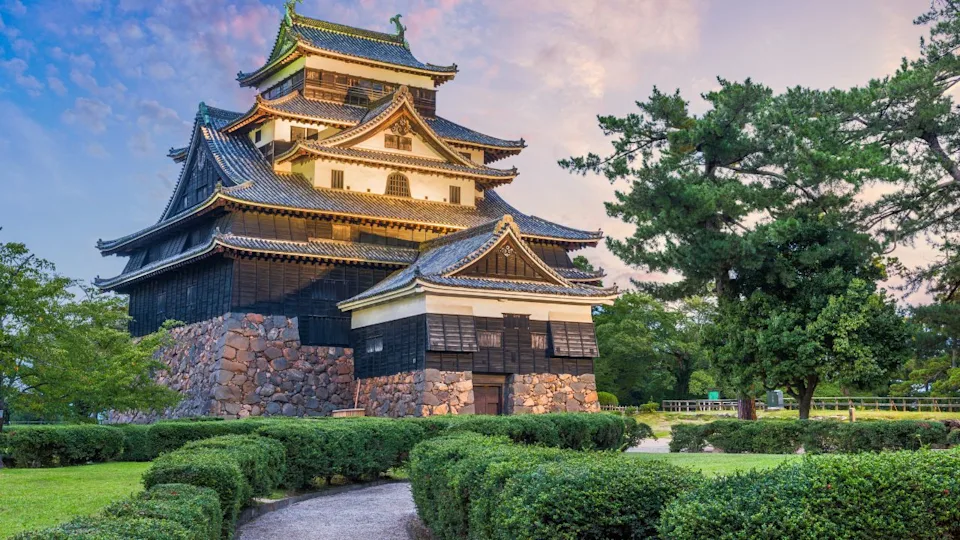
Image Credit:Shutterstock.
Matsue is known as Japan’s “City of Water,” offering scenic canals, a beautifully preserved castle, and romantic lakeside views that evoke timeless tranquility. Its samurai neighborhoods are among the best preserved in Japan, lined with elegant residences that reflect a refined way of life. Visitors can cruise along the city’s waterways to experience its historic landscapes from a peaceful vantage point.
Matsue Castle stands proudly as one of Japan’s few remaining original castles, showcasing exquisite wooden interiors and panoramic views. Literary traditions also thrive here, inspired by author Lafcadio Hearn who once called the city home.
The surrounding region reveals further layers of cultural and natural beauty. Lake Shinji glows at sunset, drawing photographers and travelers seeking serene moments by the water. Nearby shrines and hot spring towns offer glimpses into longstanding spiritual and wellness traditions.
Matsue’s culinary culture highlights fresh seafood sourced from its lakes and coastline. Throughout the city, a gentle, poetic atmosphere encourages visitors to slow down and appreciate the quiet details. Matsue is a destination where history and nature blend effortlessly.
Kiso Valley, Nagano
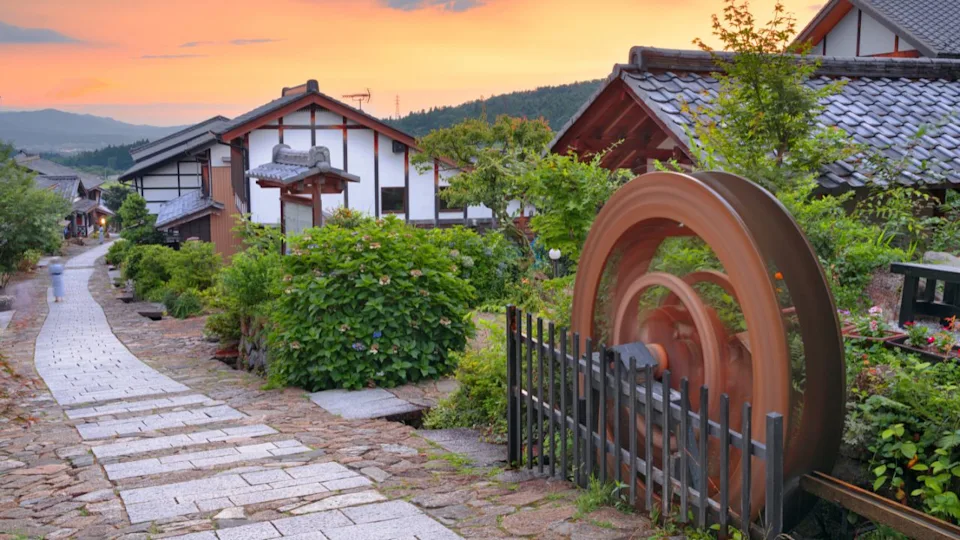
Image Credit:Shutterstock.
Kiso Valley preserves some of Japan’s most atmospheric Edo-period trail towns, offering travelers the chance to walk historic routes once used by samurai and merchants. The towns of Magome and Tsumago maintain strict preservation rules, keeping signage, architecture, and streets exactly as they appeared centuries ago. Walking between the towns along the Nakasendo Trail reveals forests, waterfalls, and mountain vistas that echo the footsteps of history.
The valley’s wooden inns, known as ryokan, serve hearty regional meals and provide warm hospitality. Everything about Kiso Valley immerses visitors in a world that feels untouched by modern time.
This region is ideal for travelers seeking peace, nature, and meaningful experiences over high-speed tourism. Small workshops demonstrate traditional crafts like lacquerware and wood carving, offering insight into local artistry. The trail’s quiet beauty allows space for reflection and connection with nature. Seasonal changes, from cherry blossoms to snow-covered rooftops, add dramatic charm to the valley. Kiso Valley’s authenticity makes it one of Japan’s most captivating rural escapes.
Hagi, Yamaguchi
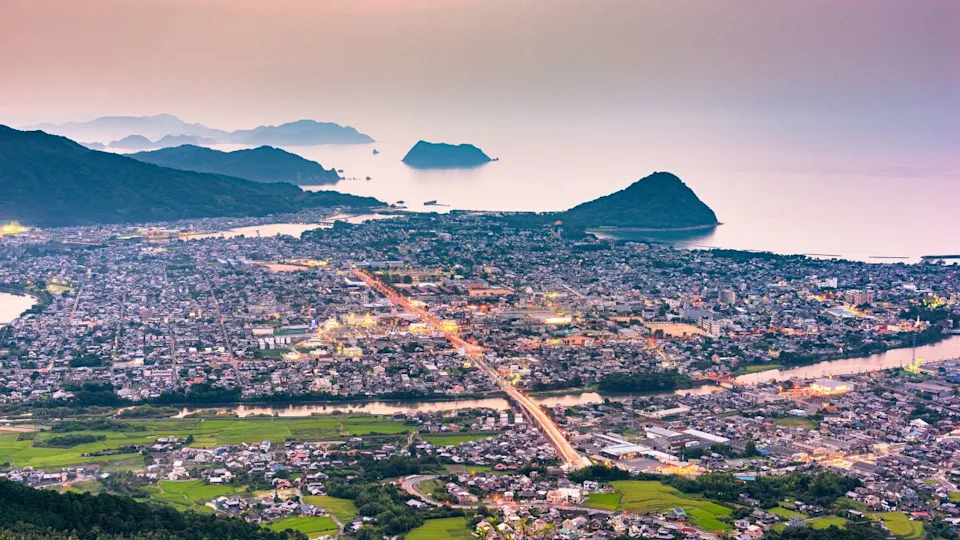
Image Credit:Shutterstock.
Hagi is a coastal town known for its samurai history and distinctive pottery traditions, offering experiences rich in culture and artistic expression. Its old streets remain laid out in the original grid pattern from the feudal era, giving visitors a rare, intact look at early Japanese urban planning. Samurai residences, merchant homes, and castle ruins tell the story of a town shaped by political power and craftsmanship. Hagi’s pottery, recognized worldwide for its soft, earthy tones, can be seen in workshops throughout the city. Museums and historical sites help preserve the stories of influential families who once ruled the area.
The town’s coastal location adds natural beauty to its deep historical identity. Quiet beaches and scenic fishing villages give travelers a chance to appreciate Yamaguchi’s maritime culture. Fresh seafood and regional dishes offer an authentic taste of local life. Seasonal festivals bring the community together with dances, ceremonies, and traditional performances. Hagi’s combination of history, artistry, and seaside atmosphere creates a peaceful destination filled with understated charm.
Nikko, Tochigi
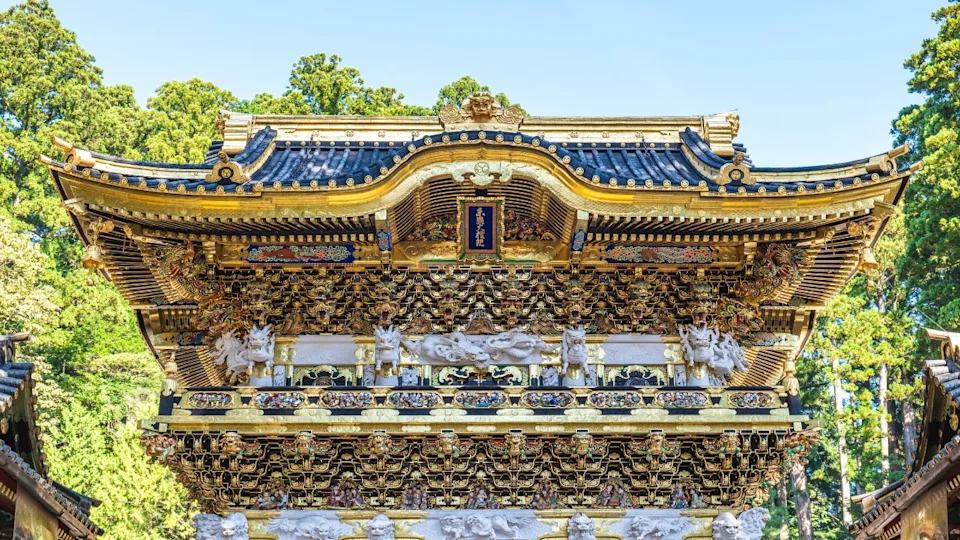
Image Credit:Shutterstock.
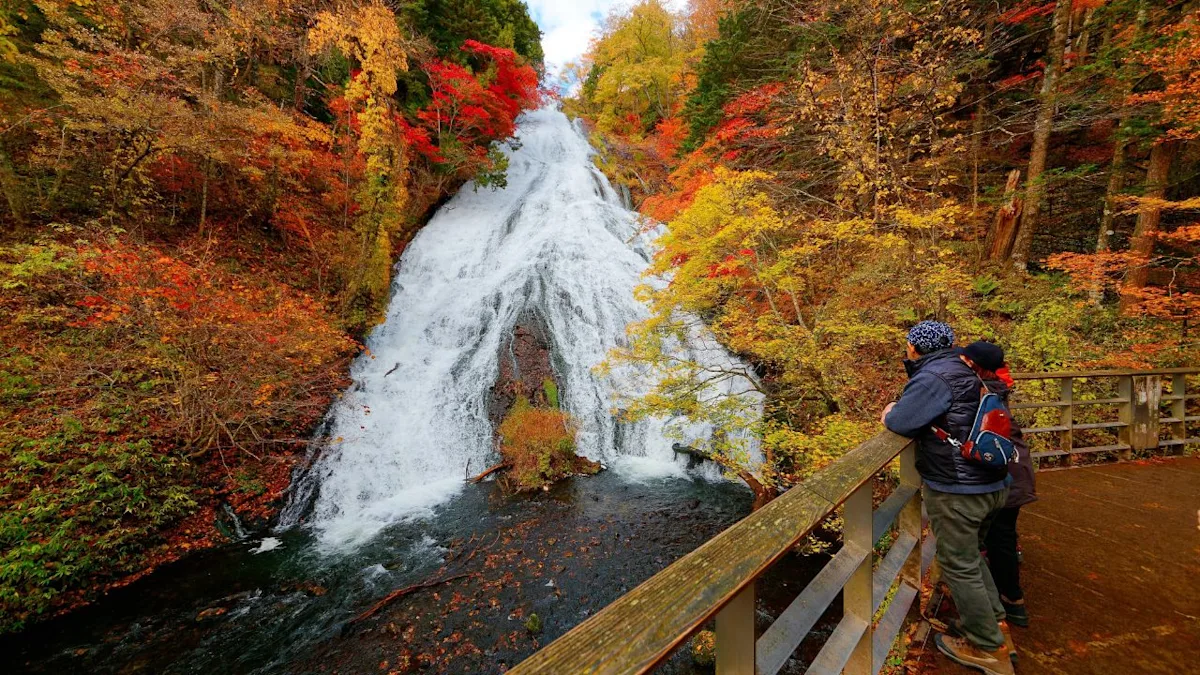
Nikko is a spiritual mountain town known for its lavish temples and dense forests, offering travelers a powerful blend of nature and sacred architecture. The ornate Toshogu Shrine, with its vibrant carvings and gold leaf details, stands as one of Japan’s most impressive cultural sites. Mountain air, cedar-lined paths, and towering structures create an atmosphere of reverence and serenity. Nearby waterfalls and lakes deepen the region’s natural appeal, drawing visitors who appreciate scenic beauty. Nikko’s rich history and breathtaking surroundings make it an unforgettable stop.
Beyond its famous shrines, Nikko reveals quieter corners that immerse visitors in nature and tradition. Hiking trails lead to volcanic landscapes, hot springs, and panoramic viewpoints. Local inns offer traditional cuisine made from mountain vegetables and freshwater fish. Seasonal changes transform the region dramatically, with autumn foliage particularly renowned. Nikko’s remote atmosphere gives travelers a sense of discovery even near well-known landmarks. It is a destination where the spirit of old Japan remains profoundly alive.
Shodoshima, Kagawa

Image Credit:Shutterstock.
Shodoshima is known as the “Olive Island,” blending Mediterranean influences with distinctly Japanese landscapes. Rolling hills, olive groves, and coastal cliffs create a picturesque setting unlike anywhere else in the country. Visitors can explore artisanal olive oil farms, taste local produce, and enjoy peaceful seaside drives. The island’s traditional soy sauce breweries add a deeper cultural layer, revealing centuries of craftsmanship. Shodoshima’s warm climate and gentle pace appeal to travelers seeking relaxation.
Natural beauty extends across the island in dramatic forms. The Kankakei Gorge offers breathtaking views, especially during autumn when the leaves explode in color. Beaches and small fishing villages invite quiet exploration. Hiking trails weave through forests and rocky passages, rewarding travelers with sweeping vistas. Local accommodations emphasize hospitality and fresh cuisine sourced directly from the island. Shodoshima’s unique blend of cultures and landscapes makes it an unforgettable hidden destination.
Aomori, Aomori Prefecture
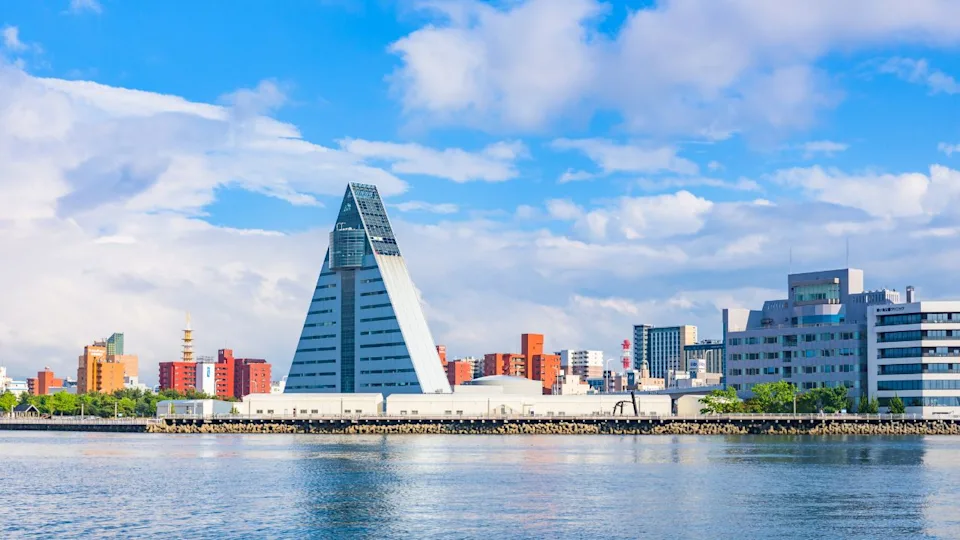
Image Credit:Shutterstock.
Aomori showcases dramatic natural scenery shaped by snow, mountains, and rugged coastlines, offering a distinctly northern atmosphere that feels far removed from Japan’s urban centers. Winter transforms the region into a snowy wonderland, giving rise to incredible festivals featuring monumental lanterns and artistic snow sculptures.
Museums celebrate the region’s spiritual traditions and mythological roots, deepening travelers’ understanding of northern Japanese culture. Aomori’s apple orchards and fresh seafood highlight its rich agricultural heritage. Throughout the year, the city hosts events that reflect centuries of tradition.
Beyond the city, the prefecture offers breathtaking landscapes that appeal to nature lovers. Lake Towada and Oirase Gorge create some of Japan’s most scenic views, combining crystal-clear waters with lush forest pathways. Remote hot springs allow visitors to bathe in steaming pools surrounded by untouched wilderness. Mountain trails offer panoramic vistas and a chance to connect with the region’s rugged terrain. Traditional inns provide hearty meals and warm hospitality after a day of exploration. Aomori’s combination of natural beauty and cultural depth makes it a rewarding off-the-radar destination.
Beppu, Oita
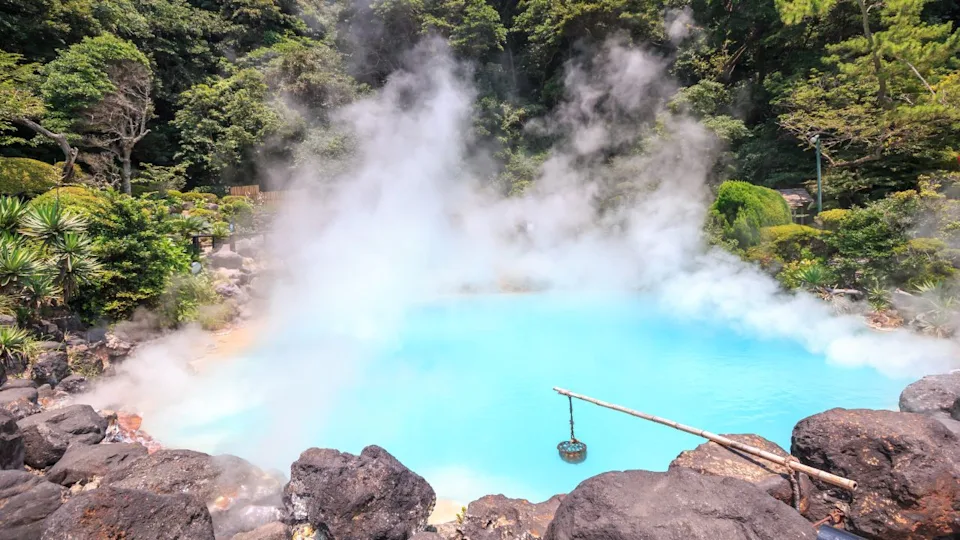
Image Credit:Shutterstock.
Beppu is Japan’s most famous hot spring city, offering a landscape that appears to breathe with geothermal activity. Steam rises from countless vents across town, creating an atmosphere that feels almost volcanic in its intensity. Traditional bathhouses provide a variety of unique experiences, from mud baths to sand steam treatments. The “Hells of Beppu,” a collection of dramatic geothermal pools, add color and spectacle to the city’s identity. Visitors seeking wellness and relaxation find endless opportunities to unwind.
Despite its popularity among domestic travelers, Beppu maintains an authentic charm. Neighborhood restaurants serve regional specialties like toriten, lightly fried chicken, and fresh seafood. Coastal views and nearby mountains create natural contrast with the urban hot spring scene. Beppu’s friendly local culture welcomes visitors into a slower, more contemplative rhythm. The surrounding area offers additional hot spring towns, hiking trails, and scenic viewpoints. Beppu remains one of Japan’s most unique and rejuvenating destinations.
Iya Valley, Tokushima
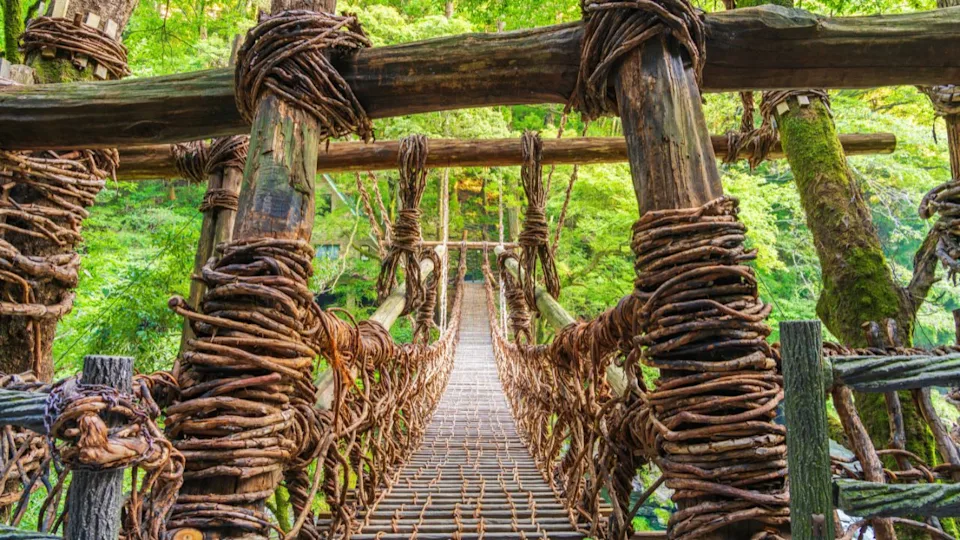
Image Credit:Shutterstock.
Iya Valley is one of Japan’s most remote and dramatic landscapes, characterized by deep gorges, vine bridges, and mountain villages suspended on steep slopes. The region’s ancient vine bridges, once vital for survival, now offer thrilling crossings with breathtaking views below. Traditional thatched houses provide insight into rural life preserved by generations. Misty mornings and emerald rivers create an atmosphere of pristine isolation. Nature dominates every corner of the valley.
The valley’s remoteness is part of its appeal, offering a break from crowds and modern distractions. Local cuisine highlights mountain vegetables and hearty regional dishes. Hiking trails trace cliffs, forests, and scenic viewpoints that change beautifully through the seasons. Small inns provide warm hospitality with panoramic views of the valley. Iya Valley offers peace, adventure, and cultural authenticity in one unforgettable package.
Kagoshima City, Kagoshima
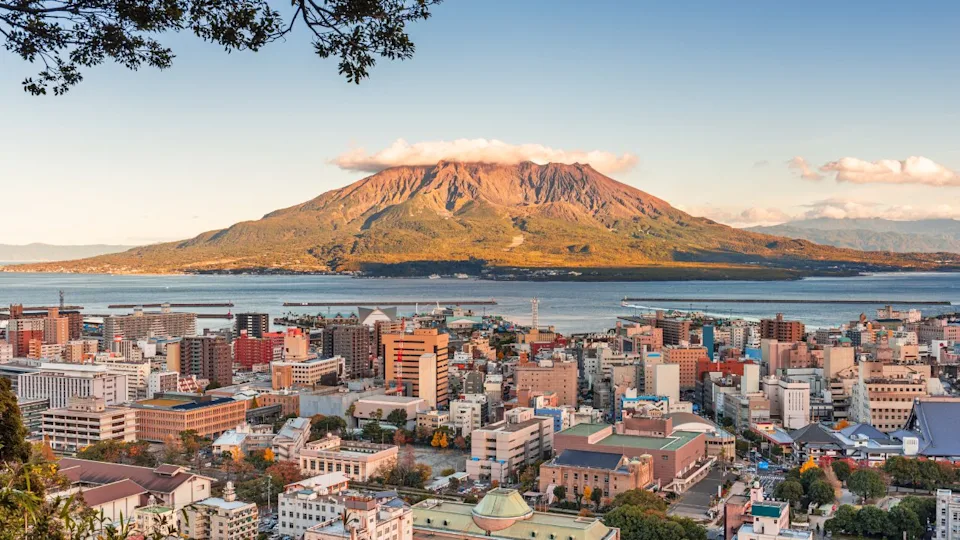
Image Credit:Shutterstock.
Kagoshima feels like Japan’s version of Naples, sitting beneath the shadow of a powerful, smoking volcano called Sakurajima. The city’s dramatic landscape gives it a unique identity shaped by geothermal forces and maritime culture. Hot spring baths overlook volcanic scenery, creating unforgettable moments of relaxation. Kagoshima’s cuisine, influenced by its southern climate, features flavorful dishes unique to the region. Cultural traditions remain strong, reflected in festivals and local arts.
Across the bay, Sakurajima provides opportunities for close-up exploration of volcanic trails and scenic viewpoints. Visitors can see steam vents, lava fields, and geological formations that shape the region’s character. Beaches, botanical gardens, and coastal drives add layers of natural beauty. The city’s lively atmosphere offers a balance between modern comfort and rugged landscape. Kagoshima provides a dynamic and striking alternative to Japan’s more familiar urban centers.
Hakodate, Hokkaido

Image Credit:Shutterstock.
Hakodate combines historical charm, coastal scenery, and northern culinary traditions to create a deeply atmospheric destination. Its morning market showcases fresh seafood, including the region’s famous squid and crab. The historic Motomachi district features Western-influenced architecture that reveals the city’s trading past. Cable cars lead to Mount Hakodate, offering one of Japan’s most celebrated night views. Everywhere you go, the city’s blend of cultures and landscapes is evident.
Beyond the city center, Hakodate’s surroundings offer serene nature and hidden attractions. Nearby hot springs provide peaceful retreats with ocean views. Forested hills and quiet harbors reveal a slower pace of life. Seasonal festivals bring color and energy to the northern climate. Local cuisine, shaped by cold waters and rich farmland, offers some of the freshest flavors in Japan. Hakodate’s mixture of history, scenery, and culinary excellence makes it a perfect final stop on a journey beyond Tokyo.