

When Katalina Mayorga, founder of El Camino Travel, received a travel-planning inquiry recently, something felt off.
The request sought unusually detailed budget breakdowns, the proposed guide’s name, credentials and educational background. It was an exhaustive list of questions, yet contained almost nothing about the traveler or what they actually wanted to experience.
Mayorga suspected she was dealing with an AI agent acting on someone’s behalf, rather than a prospective client. And she wasn’t particularly impressed.
Advertisement
Advertisement
“It was a cold, transactional laundry list,” she wrote in a LinkedIn post that attracted considerable attention. “I felt like the agent’s admin assistant, sourcing data.”
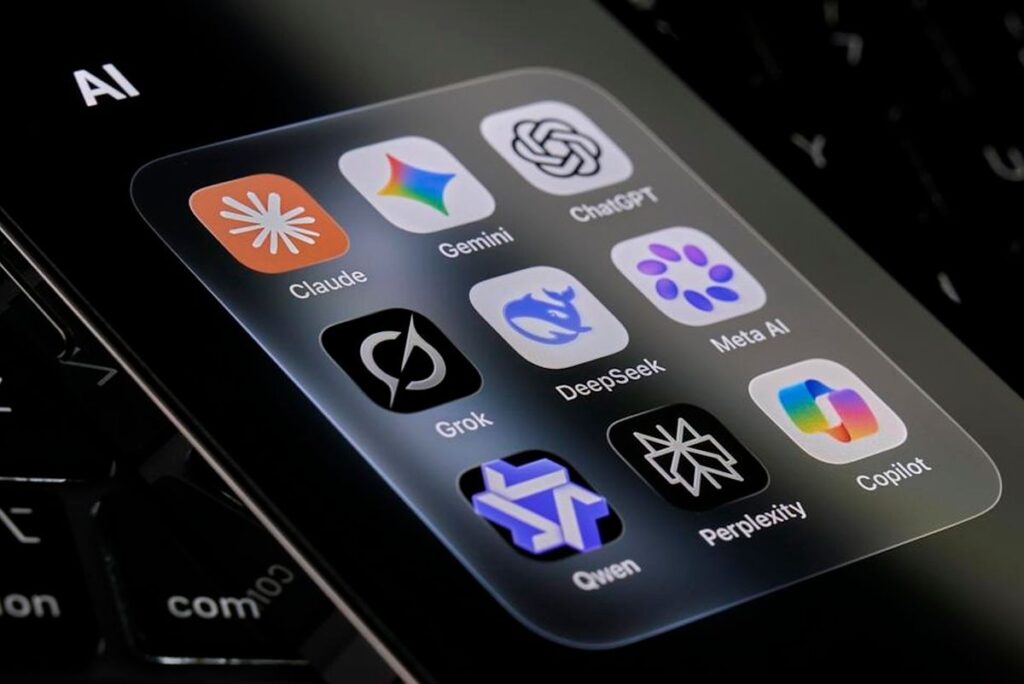
The experience raised an uncomfortable question for travelers experimenting with agentic AI, which goes beyond conversational tools such as ChatGPT or Claude by allowing software to contact businesses and take actions on a person’s behalf.
But what happens when your AI assistant makes a terrible first impression?
“Your agent is making a first impression on your behalf,” Mayorga cautioned. “You only get one chance at that, and your bot might be blowing it.”
Advertisement
Advertisement
As explored in my earlier Forbes reporting on AI commerce and trust, consumers are increasingly comfortable letting AI influence purchasing decisions, but less willing to relinquish control when substantial amounts of money are involved.
According to the WTM Global Travel Report 2026, produced with Tourism Economics, 24% of travelers used AI chatbots when planning or booking their last international trip, up from 10% in 2024. Yet while 58% trust AI to compare prices and 53% to make recommendations, only 36% trust it to complete a booking on their behalf
In simpler terms, last year Worldpay’s consumer research found that only 2% to 3% of respondents would permit an AI agent to execute travel purchases exceeding £5,000.
Earlier, I argued in Luxury Travel Advisor that AI would change the work travel professionals do without eliminating the need for their judgment.
Advertisement
Advertisement
While the travel industry itself is embroiled in theoretical debates about the future of AI in travel, we are beginning to see some practical lessons and questions emerge.
So how should travelers use AI constructively when working with a professional? I asked luxury travel advisors and agency owners across several markets for their advice.
From left: Lauren Raps of Alchemist Travel in Singapore, Katalina Mayorga of El Camino Travel in Washington, DC, and Jennifer Jacob of Tique HQ.
1) Do Your Homework Before Calling An Advisor
The strongest consensus was straightforward: Use AI to research destinations, explore possibilities and clarify your preferences before approaching a professional.
Lauren Raps, Singapore-based founder and managing partner of Alchemist Travel, says clients who arrive with AI-assisted research often give her team a more useful understanding of what they’re seeking.
Advertisement
Advertisement
“We absolutely embrace our clients using AI for initial research for their trip,” she says, explaining that clearer briefs can reduce back-and-forth with destination management companies and help finalize arrangements faster.
“But definitely fact check it, ” she added.
Jennifer Jacob, Founder and Chief Growth Officer of travel-advisor education company Tique HQ, suggests another approach: Ask AI how to prepare for your first consultation, or use voice dictation to articulate what you loved—and disliked—about previous vacations.
AI can even help consumers find the right professional for them.
Sarah Ives, founder of Sarah Ives Luxury Travel, says she converted eight of ten inquiries referred through ChatGPT last year, with an average booking value of $50,000.
Advertisement
Advertisement
“These tools are often pointing clients in the right direction to an agent who would work well for them,” she says.
That self-reported sample is not the only one reported to Forbes. And it illustrates how AI discovery can complement professional travel planning, and actually empower travel agency business.
2) Don’t Let Your Bot Build The Relationship
Mayorga’s experience introduces a newer consideration: Researching an agency with AI isn’t the same as sending an autonomous assistant to interrogate it.
She says El Camino uses an application process for certain trips and evaluates whether prospective travelers are a good fit. An impersonal request demanding extensive information before establishing any relationship can be mistaken for spam—or simply discourage a response.
Advertisement
Advertisement
“Hospitality is about making people feel important, seen, and taken care of,” she wrote in the LinkedIn post.
But Mayorga is no opponent of AI and reports that it has transformed her business. Her objection lies with letting automation run a what should be a personal exchange–an important way travel specialists learn what matters to clients.
“We want to work with humans. That’s why we are in hospitality. We did not get in hospitality to work with robots or bots,” she pointed out.
From left: Sarah Ives of Sarah Ives Luxury Travel, Siddika Jaffer of Safari Circle, and Justin Huxter of Cartology Travel.
3) Understand The Difference Between Verification And Validation
Siddika Jaffer, founder of Safari Circle, an affiliate of 360 Private Travel, recently described being on the phone with a client who was simultaneously checking her advice against ChatGPT.
Advertisement
Advertisement
The conversation eventually worked out, but it begs the question: Are clients verifying factual information, or seeking validation for an answer they already prefer?
Justin Huxter, co-founder of Cartology Travel, finds the practice frustrating when clients treat an AI response as more authoritative than professional experience.
“Checking us against AI is like going to your doctor for a consultation and then getting a second opinion from your dentist,” he says.
At the same time, scrutiny doesn’t necessarily convey distrust. Particularly when spending six figures on a vacation, travelers have every reason to question recommendations and understand what they’re paying for.
Advertisement
Advertisement
Plus, with rates historically high, even clients that are typically not price sensitive have become increasingly value sensitive.
Suzanne Aaronson, founder of the luxury travel platform Mavalis, says affluent customers increasingly challenge the value of expensive itineraries, which sometimes include layers of opaque markups depending on how the booking was made.
“I don’t think it matters at all how much money somebody has, whether they made it or they inherited it. They really dislike getting ripped off, as they should.”
At the same time, an AI-generated estimate cannot establish what an itinerary should actually cost. It might omit contracted rates, private guides, cancellation provisions, or special agreements or services available only to travel agencies and withheld from public booking channels, such as Expedia or Booking.com.
Advertisement
Advertisement
Brass tacks: ask your advisor to explain the differences rather than treating an AI estimate as proof of overcharging.
From left: Megan Mack of Heirloom Adventures, Susanne Aaronson of Mavalis.
4) Don’t Confuse A Convincing Itinerary With A Workable One
Jacob recalls a client requesting a one-day adjustment to an Italian itinerary that would have placed a Florence museum visit on the first Sunday of the month, risking long queues on a day that has free admission. Moving it another day could have encountered Monday closures.
“AI will happily make a change like that based on logistics alone,” she says.
Megan Mack, founder of Heirloom Adventures, encountered a similar problem when a client sent her an AI-generated restaurant guide. Most of the suggested establishments were closed or unsuitable for the group.
“AI is a very useful tool, but it is a tool and doesn’t replace my thought process,” Mack says.
Nor can a chatbot necessarily tell you whether connecting hotel rooms actually connect, whether a complicated transfer is worth the savings or who will intervene when something goes wrong.
Those are questions worth putting to the professional responsible for the trip.
The Final Dos And Don’ts
Do:
Use AI to explore destinations, prepare questions and communicate your preferences.
Verify factual claims, compare options and ask your advisor to explain pricing or recommendations.
Keep a professional involved in important decisions, especially expensive or complex arrangements.
Don’t:
Treat AI-generated itineraries, prices or recommendations as gospel.
Let an autonomous agent conduct an impersonal interrogation of someone you’re hoping to work with.
Confuse a chatbot’s agreement with independent evidence that your advisor is wrong.
Share private information with an AI platform.
To be clear, this isn’t about choosing between artificial intelligence and professional expertise.
You can use AI to become a more informed client, then give your advisor the opportunity to demonstrate why their judgment is worth paying for–to an extent.
Just remember, if you’re hiring someone for their relationships, don’t send a robot to build yours.
This article was originally published on Forbes.com
Source link