

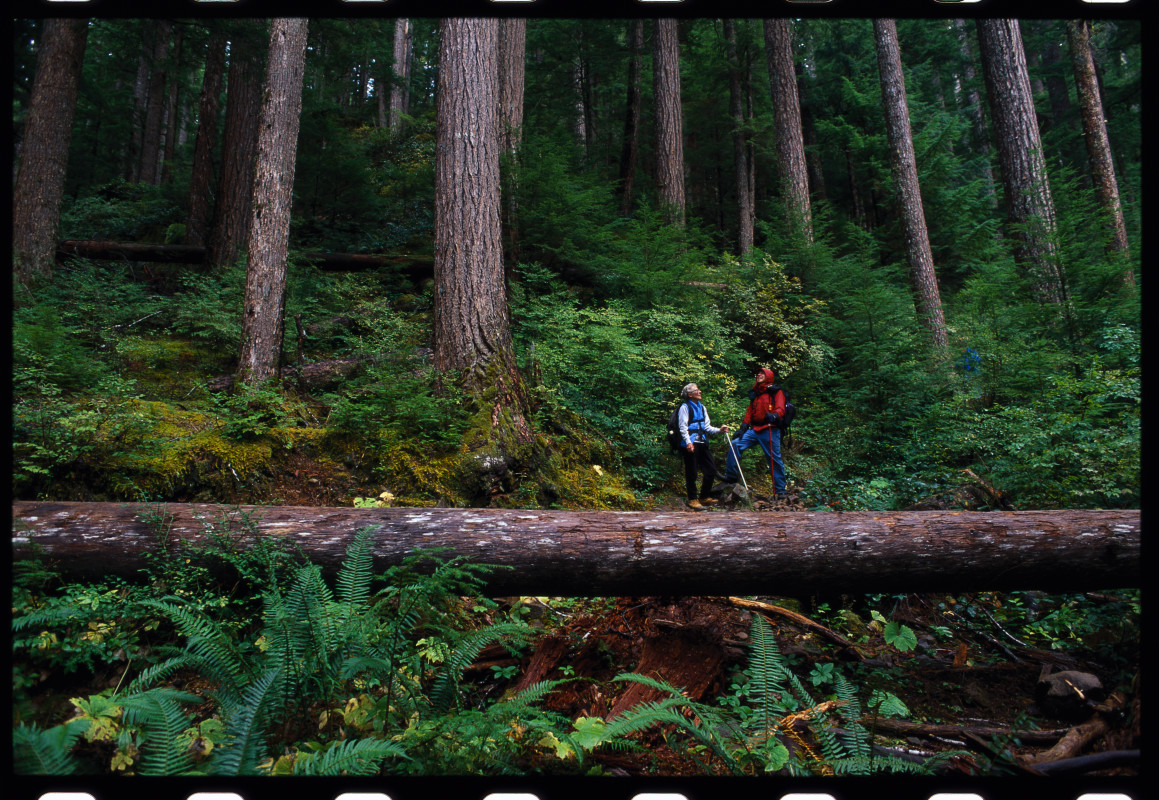
Olympic National Park is located in the state of Washington. And, just like so many other parts of the Pacific Northwest, the area offers visitors a lot of stunning scenery. The national park is so much more than hiking trails and massive trees though, since the beautiful and expansive area (the park takes up almost a million acres) has three different ecosystems tucked into it.
They allow visitors to experience a rainforest, alpine forests, and coastal views during a single day. Curious how you can see all the stunning sights within the park? Keep reading as we break down the nine places you need to visit while you’re there, including details from the National Park Service (NPS) about what makes these spots a must-see.
Sign up for our newsletter and get hidden gems, travel secrets, and stories like this delivered straight to your inbox!
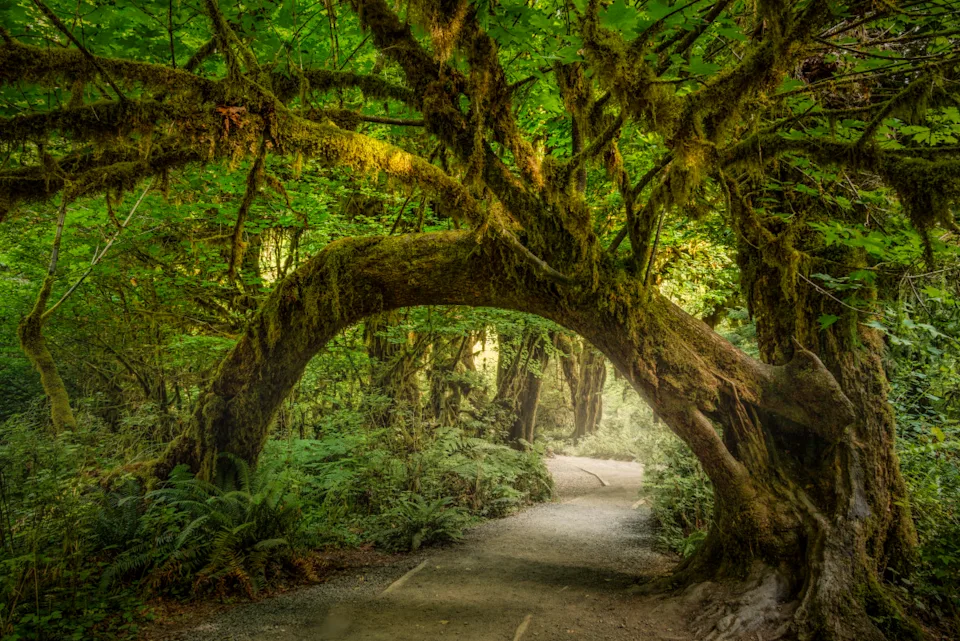
Photo by Cavan Images / Shawna Kozel on Getty Images
Hoh Rain Forest
If you want to experience the beauty of the rain forest without having to travel across the world, consider popping over to the Hoh Rain Forest. This part of the park remains one of the most accessible temperate rain forests on the planet, and visitors can witness some of the beauty that includes things like the Hall of Mosses, which feature noteworthy flora and fauna like massive logs covered in mosses and Roosevelt elk.
The region has accessible restrooms and both the Hall of Mosses and the Spruce Nature Trail are easy for beginner hikers. Planning a trip? Summer mornings offer quiet beauty as the sun breaks through the thick trees in some areas.
Quinault Valley
Visitors to the Quinault Valley, which is located in the southwestern area of the park and about three hours from Port Angeles, will find a massive expanse of wilderness in the alpine meadows of the park. This section of Olympic National Park is full of stunning lakes and massive ice-carved peaks, according to the NPS.
Visitors hoping to get lost in the majesty of the park can take part in the Wilderness Portal, a four or five day hike that submerges visitors in the park, allowing them to experience it as the indigenous tribes did. Those looking for a bit of a shorter hike can enjoy many of the other shorter scenic loop trips instead.
Because of the wild nature of this part of the park, winter isn’t typically a good time to visit, since the roads can be impassible thanks to snow and ice. Instead, late spring and through early fall are better times to come out.
Sol Duc Valley
The waters that run through the Sol Duc Valley are just part of the thing that makes this lush part of the forest such a desirable location. The region is home to the Sol Duc River, which the NPS notes is full of coho salmon, which is the perfect spot for anglers hoping to snag dinner (just remember to get your fishing license and read up on daily catch limits before casting a line).
Then the Sol Duc Hot Springs make for a warm and inviting spot to head if you want to relax after a day of hiking through the picturesque landscape. Located less than 40 minutes from Port Angeles, this area could make a good starting point for your Olympic Park adventure, or the perfect place to wrap your trip up.
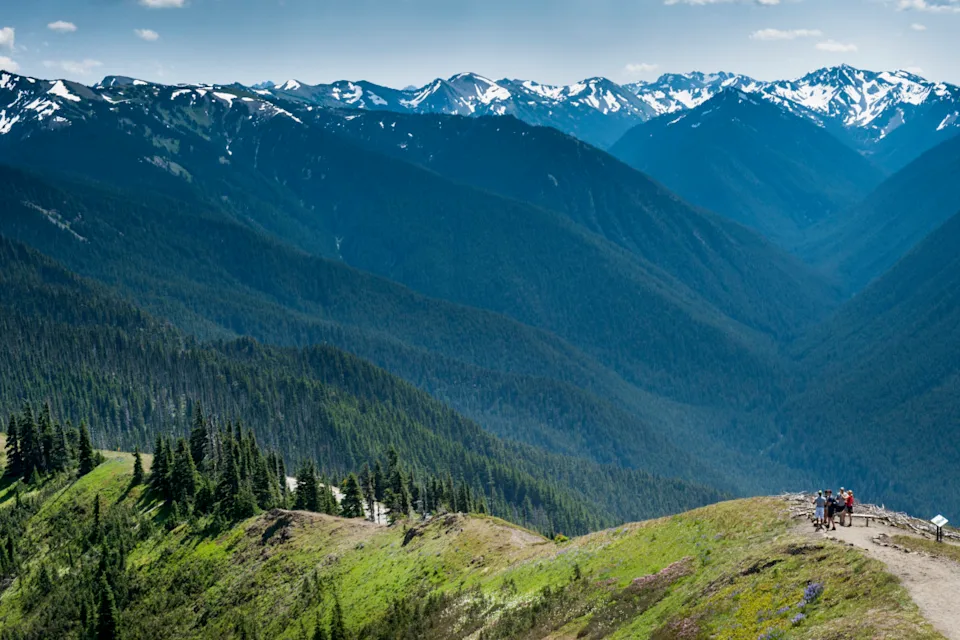
Photo by Ted Horowitz Photography on Getty Images
Hurricane Ridge
Located in the park’s subalpine region, Hurricane Ridge is arguably one of the best places to go if you want to see the alpine views of the park. Not only will you see plenty of the tall trees, but you’ll also be able to catch a glimpse of the snow-capped peaks, wildflowers, and animals.
Visitors will have access to a number of paved paths when they arrive, which may make this area more accessible for some. Located 17 miles from Port Angeles, this portion of the park is best viewed during the late summer and early fall, which allows you to avoid many weather-related issues that can close the roads. Pro tip: Head to this part of the park during sunrise or sunset for dramatic views.
Lake Crescent
You won’t have to head deep into the mountains to view this alpine section of the park, according to the NPS, which says the region was formed after a landslide some 7,000 years ago. Instead, you can find the lake at the foothills of the Olympic Mountains, which is just 18 miles west of Port Angeles.
The water of the lake, which was carved by glaciers, are stocked with Crescenti and Beardslee trout, which have made genetic adaptations that are unique to the region. Early mornings are best for this part of the park, which can be enjoyed almost year-round since you don’t have to head deep into the park via sometimes impassable roads to get there.
Related: 4 underrated small towns to visit during winter
Obstruction Point
Another alpine gem, Obstruction Point features the highest trail in the entire park and it’s located around 45 minutes from Hurricane Ridge. The 7.4 mile run varies from 6,100 feet to 5,400 feet above sea level. As such, visitors have a pretty small window to access it, and the best season to head here is July through October, according to the NPS.
Additionally, because of the narrow and unpaved paths and roads, this area is best viewed on foot, and may not be accessible for wheelchair users.

Photo by James Randklev on Getty Images
Ruby Beach
Want to end your trip to the mountains with a day at the beach? You can do that at Ruby Beach, where driftwood piles and ruby-colored sand make this spot a must-see. Some of the standouts from this section of the park include the wildlife that calls the area home, including:
-
Whales which can sometimes be seen swimming off the shore
The best time to head here is during low tide, since that will allow you to get a better view of the marine life that call the tide pools home. This beach is located about an hour and a half from the Hoh Rain Forest, making this a great second stop.
Rialto Beach
If you’re looking to see the awesome power of the ocean, you may want to head to Rialto Beach, where massive waves pound the rocky offshore islands called “seastacks.” This area can feel loud and overwhelming (especially if you have small children), so it may be a better way to end your day than begin it.
Located about 36 miles from Lake Crescent, this must-see stop is beautiful during the sunset, and can be accessed most of the year, although it will be far colder in the winter months.
Related: This national park outranks the Grand Canyon and Yellowstone
Second Beach
The coast combines with the mountains at this location, where visitors can see the tree lines as well as “seastacks,” ocean views, and many of the birds that call the region home (including bald eagles). Visitors may also catch a glimpse of some other marine life if they head to the beach during March/April, which is when the whales migrate past the coastline.
According to the NPS, April through October is the best time to head to this part of the park, although with the ocean views, we have to imagine that this is another spot best enjoyed during sunrise or sunset.
It doesn’t matter which part of the park you visit when you head to Olympic National Park, it’s clear that the diverse (and massive) area has something for everyone, just about any time of year, making this park a bucket list destination for many.
This story was originally published by TravelHost on Dec 7, 2025, where it first appeared in the Attractions section. Add TravelHost as a Preferred Source by clicking here.