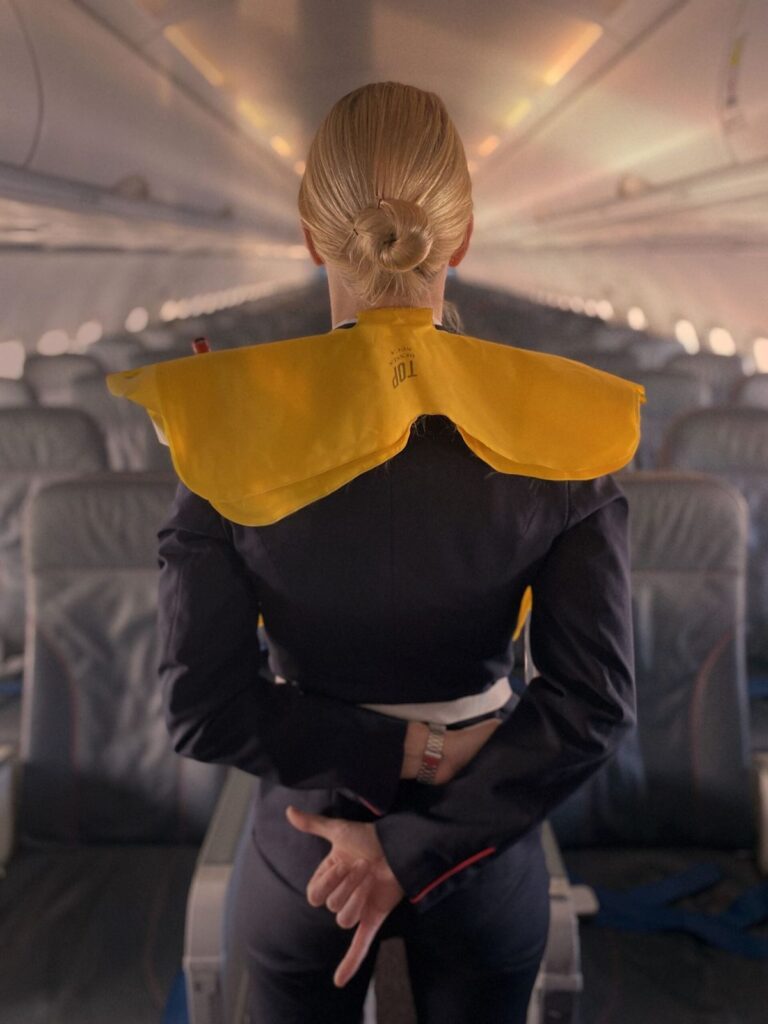


Most passengers never think about how the cabin crew decides where to put their attention. Flight attendants are working through boarding, safety checks, meal service and the odd surprise. Still, they’re human, and several of them have said publicly that some passengers are simply easier and nicer to look after.
Nothing here is a guarantee of upgrades or free drinks. Safety always comes first, and crews are there to help everyone on board. These habits come from flight attendants’ own accounts in recent interviews, podcasts and social posts. They’re mostly about courtesy and cooperation, and they make a hard job a little smoother.
1. Say Please and Thank You, and Mean It
1. Say Please and Thank You, and Mean It (Image Credits: Unsplash)
One flight attendant writing for Simple Flying said crew members love a simple “please” and “thank you.” She also noted that good manners have become something of a rarity. She described a genuine smile and general politeness as meaning much more to crews than people might guess. In her words, flight attendants like pleasant, low-maintenance passengers, and if they’re treated well, they’ll look after those passengers in return.[1]
Advertisement
Advertisement
The courtesy doesn’t end at your seat. Reader’s Digest quotes crew members who suggest thanking everyone on your way off the plane. That includes the pilots, who may be out of sight but are part of the same team. A quick, sincere word at the door costs you nothing and leaves a good impression.
2. Follow Crew Instructions Without a Fight
2. Follow Crew Instructions Without a Fight (Image Credits: Unsplash)
Flight attendants are on board primarily for safety, and that’s why they sometimes ask for small things. They might ask you to stow a bag, raise a tray table or put your seat upright. The Simple Flying piece points out that some passengers read these requests as the crew being difficult, simply because they’re inconvenient.
Cooperating quickly is one of the easiest ways to stand out in a good way. It saves the crew from repeating themselves and keeps the departure on schedule. A passenger who says “sure” and does it right away is much easier to help with other things later.
3. Get Their Attention Without Touching Them
3. Get Their Attention Without Touching Them (Image Credits: Pixabay)
Veteran crew members on the “Jumpseat Chronicles” podcast, covered by Fox News, called being poked and touched one of the most persistent frustrations of the job. They said passengers should use the call button, make eye contact or politely wave when they need help.[2] Another roundup of passenger habits notes that being touched while working in narrow aisles can be startling or uncomfortable.
Advertisement
Advertisement
It’s an easy habit to fix. A raised hand, a friendly “excuse me” or a glance when the crew member looks your way works fine. Passengers who do this come across as considerate, and crews tend to notice.
4. Use the Call Button Only When You Need It
4. Use the Call Button Only When You Need It (Image Credits: Unsplash)
The call button is meant for real needs. The Simple Flying writer said crew are happy to help at any time when they can. However, pressing the call bell repeatedly during service is a no-no unless there’s an emergency. Another list of “helpful” habits says a call light is a request for immediate help, so using it just to hand over trash annoys crews.
Try bundling your requests instead. When the crew passes with the cart or comes through for a trash round, ask for water, a blanket and anything else together. It saves everyone steps, and it shows you understand that other passengers need attention too.
5. Pay Attention During the Safety Demonstration
5. Pay Attention During the Safety Demonstration (Image Credits: Pexels)
Flight attendants often report that many passengers tune out during safety demonstrations. It’s understandable if you fly often. Still, the crew delivers those demos because they’re required, and they care about whether people are listening.
Advertisement
Advertisement
Putting your phone down for a minute, looking up and glancing at the safety card sends a clear signal. You’re treating the crew’s most important job seriously. That kind of respect tends to make a crew member warm to you, and it could matter in a real emergency.
6. Ask Clearly and Be Specific About What You Need
6. Ask Clearly and Be Specific About What You Need (By Gunawan Kartapranata, CC BY-SA 3.0)
Flight attendants often find that passengers are hesitant to voice their concerns or needs. Good communication, as one summary puts it, helps the crew manage the flight more effectively. If you’re nervous, cold, unwell or have a dietary issue, say so early and plainly.
Specific requests help too. A flight attendant named Moore said in a TikTok, reported by Travel+Leisure, that she loves it when coffee drinkers spell out exactly how they take it. Her example was two creams and two sugars. It sounds small, but it saves a back and forth during a busy service, which is probably why it earned a cheeky promise of extra treats.
7. Know Your Seat and Respect the Boarding Process
7. Know Your Seat and Respect the Boarding Process (Image Credits: Pexels)
Boarding and deplaning are two of the most chaotic moments of any flight. Crew members emphasize following the boarding order and staying patient while others get off the plane. Moore also said she’d rather passengers ask for help finding their assigned seat than sit wherever they like. Seating mix-ups can cause delays, and she noted that delays end up landing on the flight attendants.
Advertisement
Advertisement
If you’re confused, just ask. It’s much better than guessing and making the crew sort it out later. Being ready when you reach your row, with your bag in hand and your boarding pass handy, keeps the line moving and the crew less stressed.
8. Handle Your Own Bag and Leave the Bins to the Crew
8. Handle Your Own Bag and Leave the Bins to the Crew (Image Credits: Pixabay)
Lifting your own luggage is safer for everyone, and a roundup of “polite” habits that backfire makes this point. It says travelers should lift only what they can carry. The same article explains that attendants keep track of which bins are full for balance and safety reasons. Rearranging other people’s bags in the overhead bins may feel helpful, but it can work against the crew’s system.
A flight attendant quoted by Reader’s Digest said she’s on the smaller side and often has passengers offer to lift bags for her. She appreciates the instinct, but it isn’t always what she needs. Taking a bag you can truly manage, and asking a crew member when you’re stuck, is the more helpful move.
9. Offer a Small, Thoughtful Thank You
9. Offer a Small, Thoughtful Thank You (By Petar Milošević, CC BY-SA 4.0)
Crew members say tiny gestures go a long way. The Simple Flying writer said a handwritten thank-you note, or a small gift like a box of chocolates the crew can share, is always appreciated. Moore’s TikTok listed ideas such as hand sanitizer, lip balm, little snacks or a coffee gift card. She noted that attendants can spend many hours in the air.
Advertisement
Advertisement
Nobody’s required to bring gifts, and none of this guarantees anything extra. A friendly note or a snack for the crew doesn’t have to be fancy. It simply shows that you see the people behind the service, which is exactly what many flight attendants say they want.
Reading through these accounts, one thing stands out. None of the habits are tricks. They boil down to being courteous, cooperating on safety and communicating clearly. Flight attendants are individuals with their own preferences, and most of the evidence here is first-person experience rather than hard data. Still, the same themes come up again and again.
Next time you board, treat the crew the way you’d want to be treated on a long shift. You may not get a free drink, but you’ll make a demanding job a bit easier, and that’s worth doing anyway.
Source link