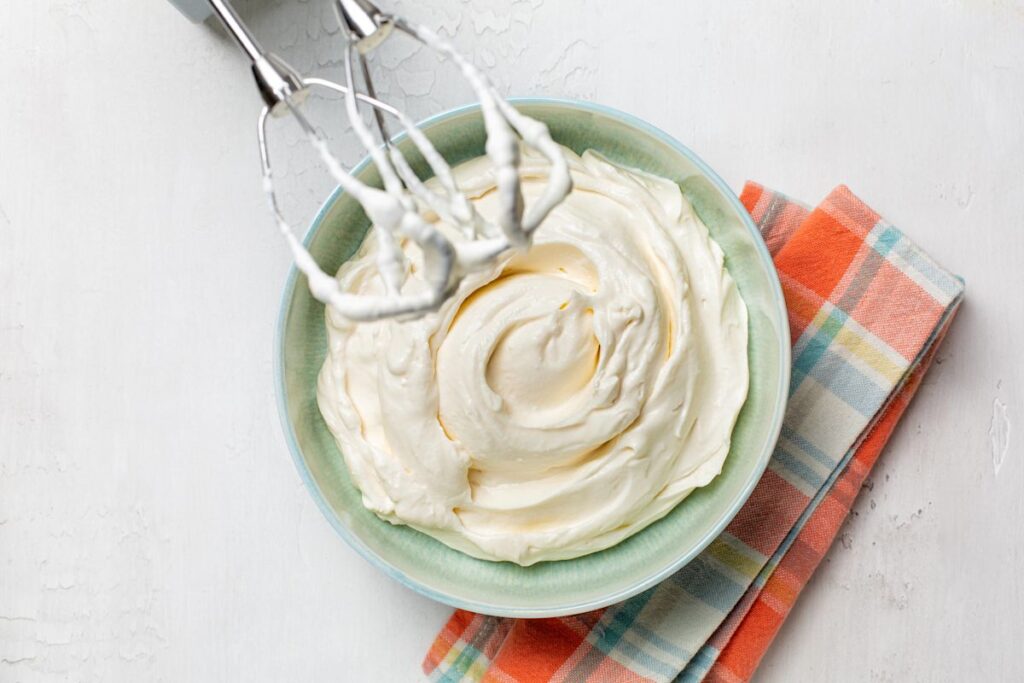


A splash of cream can turn a simple soup into something silky, give mashed potatoes extra richness or help transform chocolate into a smooth ganache. But when a recipe calls for heavy cream and your refrigerator contains only half-and-half or light cream, the substitution isn’t always straightforward.
The difference comes down largely to milk fat. Some types of cream contain enough fat to whip into fluffy peaks, while others are better suited to coffee, sauces or finishing a dish. Cultured varieties, including crème fraîche and sour cream, introduce another consideration: acidity.
Knowing which cream to use can make the difference between a beautifully smooth sauce and one that separates under heat. Here’s how eight common varieties of cream compare, along with practical tips for choosing the right one.
Related: Crème Fraîche vs. Sour Cream: Which One Should You Use?
What Are the Different Types of Cream?
Cream is the fat-rich portion of milk that is separated during dairy processing. Different varieties contain different percentages of milk fat, which affects their thickness, flavor and performance in recipes.
In the United States, several cream products have specific compositional standards established by the Food and Drug Administration. Heavy cream, for example, must contain at least 36% milk fat, while light whipping cream contains 30% to less than 36%.
Other products, including crème fraîche and clotted cream, may follow different manufacturing traditions or labeling conventions.
Here’s a comparison of eight types commonly used in cooking and baking.
Type of Cream | Typical Milk Fat | Best Uses |
|---|---|---|
Heavy cream | At least 36% | Whipped cream, ganache, sauces, soups |
Light whipping cream | 30% to less than 36% | Whipped toppings, desserts |
Light cream | 18% to less than 30% | Coffee, sauces, finishing dishes |
Half-and-half | 10.5% to less than 18% | Coffee, custards, lighter sauces |
Sour cream | At least 18% | Dips, baked goods, toppings |
Crème fraîche | Commonly 30–40% | Sauces, soups, desserts |
Clotted cream | Commonly 55–65% | Scones, desserts, spreads |
Double cream | Typically at least 48% | British desserts, whipping, rich sauces |
Percentages reflect U.S. standards where applicable and typical commercial ranges for other varieties. Exact fat content varies by product and country.
Related: Custard vs. Pudding: What’s the Difference
8 Types of Cream and When to Use Each One
1. Heavy Cream
Olga Mazyarkina / Getty Images
Heavy cream, also labeled heavy whipping cream, contains at least 36% milk fat in the United States. That relatively high fat content makes it one of the most versatile creams for cooking and baking.
It whips into stable peaks, adds richness to sauces and soups and combines beautifully with melted chocolate for ganache.
Heavy cream is also more resistant to curdling during cooking than lower-fat dairy products, although very high heat or acidic ingredients can still cause problems.
Best for: Whipped cream, chocolate ganache, creamy pasta sauces, ice cream and rich soups.
Related: The Easy Way To Make Stabilized Whipped Cream That Will Last for a Week in the Fridge
2. Light Whipping Cream
Light whipping cream contains 30% to less than 36% milk fat. It’s slightly less rich than heavy cream but still contains enough fat to whip.
The finished whipped cream may be softer and less stable than one made with heavy cream, particularly when it needs to hold its shape for several hours.
Light whipping cream works well for topping desserts, folding into certain fillings and preparing dishes that don’t require the higher fat content of heavy cream.
Best for: Fresh whipped toppings, mousses and lighter creamy desserts.
3. Light Cream
grandriver / Getty Images
Light cream, sometimes called coffee cream or table cream, contains 18% to less than 30% milk fat under U.S. standards. It’s richer than half-and-half but generally doesn’t contain enough fat to whip successfully.
Light cream adds a smooth texture to coffee, soups and sauces without the full richness of heavy cream.
Best for: Coffee, creamy soups, pan sauces and finishing vegetables.
4. Half-and-Half
Michelle Lee Photography / Getty Images
Half-and-half is a dairy mixture containing milk and cream, with 10.5% to less than 18% milk fat in the United States. It’s thinner and less rich than most other cream products, making it particularly popular in coffee.
Half-and-half can also be used in custards, quiches and lighter cream sauces. However, it won’t whip into stable peaks, and its lower fat content makes it more susceptible to curdling during aggressive heating.
Best for: Coffee, quiche, custards and lighter sauces.
5. Sour Cream
Iamthatiam / Getty Images
Sour cream is made by culturing cream with lactic acid-producing bacteria, which thicken it and create its characteristic tangy flavor.
Regular sour cream contains at least 18% milk fat under U.S. standards, although reduced-fat and nonfat varieties are also available.
Its acidity makes it especially useful in baking, where it contributes moisture and can react with baking soda. It’s also a familiar topping for baked potatoes, tacos and chili.
Sour cream can separate when boiled, so it’s usually best stirred into hot dishes over low heat or added near the end of cooking.
Best for: Dips, cheesecakes, coffee cakes, baked potatoes and finishing soups.
6. Crème Fraîche
Crème fraîche is a thick, cultured cream associated with French cooking. It has a pleasantly tangy flavor, although it’s generally less sharp than sour cream.
Commercial versions commonly contain around 30% to 40% milk fat, making them rich and smooth.
Because of its higher fat content, crème fraîche is often more stable than sour cream when gently heated. It can be stirred into sauces, spooned over fruit or served alongside desserts.
Best for: Creamy sauces, soups, fruit desserts and savory toppings.
7. Clotted Cream
Peter Carruthers / Getty Images
Clotted cream is an exceptionally thick, rich cream traditionally associated with southwestern England, particularly Devon and Cornwall.
It’s made by gently heating cream and allowing it to cool so that a thick layer forms on the surface. The finished product commonly contains around 55% to 65% milk fat.
Clotted cream has a dense, spreadable texture and a rich, subtly cooked dairy flavor. It’s best known as an accompaniment to scones and jam during afternoon tea.
Best for: Scones, fresh fruit, desserts and rich spreads.
8. Double Cream
Vlad Antonov / Getty Images
Double cream is a British dairy product typically containing at least 48% milk fat. It’s considerably richer than American heavy cream.
Its high fat content gives it a thick consistency and makes it suitable for whipping, pouring over desserts and enriching sauces.
Double cream can become very thick when whipped, so it’s important not to overbeat it.
It’s not widely available in ordinary American supermarkets, but heavy cream can often serve as a practical substitute in recipes that don’t depend on double cream’s exact fat content.
Best for: British desserts, whipped toppings, rich sauces and pouring over fruit.
Related: Regular vs. Blackstrap Molasses: Key Differences
Can You Substitute One Type of Cream for Another?
Yes, but the most successful substitutions depend on the recipe and whether the cream needs to whip, thicken a sauce or withstand heat.
Heavy cream and light whipping cream are often interchangeable in everyday cooking. Both can be whipped, although heavy cream generally produces firmer, more stable peaks.
Half-and-half or light cream can replace heavy cream in some soups and sauces, but the finished dish will be thinner and less rich. Neither is a dependable substitute when a recipe requires whipped cream.
Crème fraîche and sour cream can sometimes replace each other in dips, toppings and certain baked goods. However, crème fraîche generally tolerates gentle heating better, while sour cream has a sharper flavor and is more likely to separate.
Quick swap rule: Match the cream to its function. For whipping or ganache, use heavy cream. For coffee and lighter sauces, half-and-half or light cream may work. For tangy toppings and baked goods, sour cream and crème fraîche are sometimes interchangeable, but their fat and acidity differences matter.
What Is the Difference Between Heavy Cream and Heavy Whipping Cream?
In the United States, heavy cream and heavy whipping cream are two names for essentially the same standardized dairy product. Both must contain at least 36% milk fat.
The more meaningful distinction is between heavy whipping cream and light whipping cream, which contains 30% to less than 36% milk fat.
Higher fat content generally makes whipped cream easier to stabilize and helps it maintain its shape.
According to King Arthur Baking’s guide to whipped cream, cold cream and equipment help produce better results, while overwhipping can cause the mixture to become grainy and eventually turn into butter.
Related: I Tried 20 Popular Salted Butters To Find the Absolute Best
Which Cream Is Best for Cooking Without Curdling?
Heavy cream and crème fraîche are generally among the better choices for warm sauces and soups because their relatively high fat content helps them remain smooth.
Lower-fat dairy products, including half-and-half, are more likely to separate when exposed to high temperatures or acidic ingredients.
Cultured creams require particular attention. Sour cream contains acid and milk proteins that can coagulate when heated aggressively, so it’s best added near the end of cooking.
For smoother results, reduce the heat before adding cream, avoid prolonged boiling and gradually stir a little hot liquid into cold cultured cream before combining everything.
How Should You Store Cream?
Most fresh dairy creams should be refrigerated promptly and kept at 40°F or below. Follow the package’s use-by date and storage instructions, especially after opening.
The USDA’s FoodKeeper guidance provides storage recommendations for refrigerated dairy products, including cream and sour cream.
Freezing can change the texture of cream, sometimes causing separation after thawing. Previously frozen heavy cream may still work in cooked dishes, but it may not whip as reliably.
Clotted cream, crème fraîche and other specialty products may have different storage requirements, so check their labels.
For most home kitchens, heavy cream is the most versatile option to keep on hand when a recipe calls for richness. Half-and-half is useful for everyday coffee and lighter dishes, while sour cream and crème fraîche bring a tangy flavor that ordinary sweet cream can’t reproduce.
Related: 10 Types of Flour and When To Use Each One
This article was drafted with the assistance of AI and thoroughly reviewed, edited and fact-checked by Parade editors. See our complete AI Policy.

This story was originally published by Parade on Nov 10, 2026, where it first appeared in the Food & Drink section. Add Parade as a Preferred Source by clicking here.
Source link