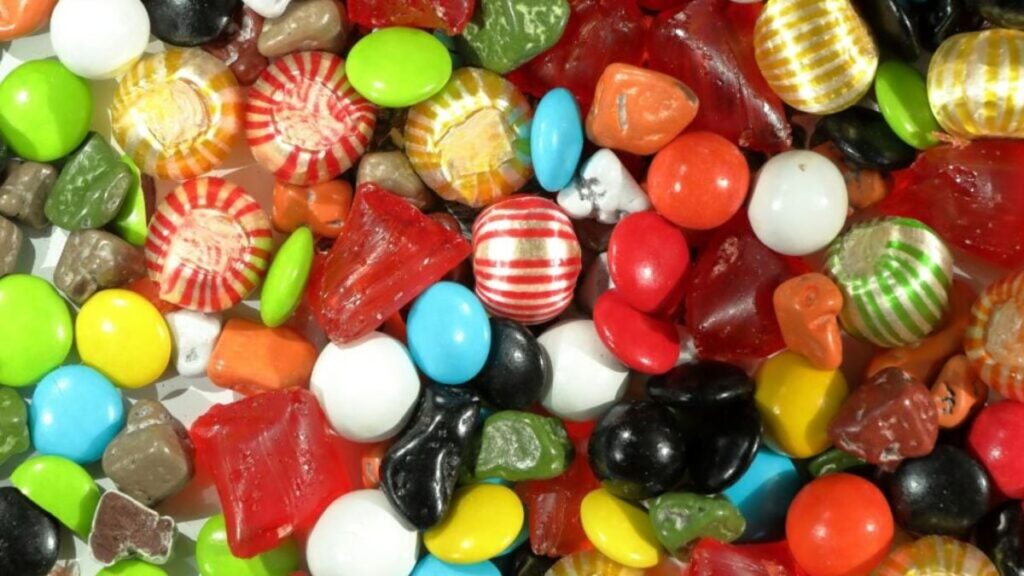


Halloween often brings plenty of candy, making it difficult for parents to limit how much sugar their children consume.
However, the bigger concern for children’s dental health is how often they eat sweets in the days and weeks after Halloween, rather than how much candy they consume on the night itself.
During TODAY’s series “Take It From Me,” pediatric dentist Dr. Lucienne Pino revealed eight Halloween candies that could harm children’s teeth.
According to Pino, the damage done by eating candy in one sitting is not as damaging as when you eat the candy throughout the day for several days. The more children dig into their Halloween candy containers, the more they put their teeth at risk of cavities.
Advertisement
Advertisement
Sugar causes minerals to leave the teeth, weakening their enamel. Children’s enamel is thinner than adult enamel, which makes their teeth more vulnerable to cavities.
Eating treats such as Twix or Skittles at different times throughout the day can also prevent saliva from protecting teeth and helping restore lost minerals.
With that in mind, here are eight Halloween candies the pediatric dentist recommended parents limit to help protect their children’s teeth.
1. Hard Candies and Lollipops
Hard candies and lollipops can keep sugar on children’s teeth for longer, increasing the risk of tooth decay. BY: UNSPLASH
Candies dissolve slowly, and that is the exact problem. The child’s teeth remain covered by the sugar from the candy for as long as ten to twenty minutes. Bacteria found in the mouth turn the sugar into acids that decay tooth enamel.
Advertisement
Advertisement
Children who crunch candies avoid that, but they face a new danger. Chipped teeth occur more often than one might believe.
2. Sour Candies
Sour candies can expose children’s teeth to sugar and acids that weaken enamel and increase the risk of cavities. BY: UNSPLASH
Sour candy attacks teeth from two sides. The California Dental Association (CDA) states that sour candies are high in dietary acids such as citric acid, which can cause enamel erosion.
Parents should also tell their children not to brush their teeth right after eating sour candies. According to the CDA, it is advised to rinse the mouth with water for 60 minutes prior to brushing teeth.
3. Taffy and Caramels
Sticky and chewy candies can cling to children’s teeth and leave sugar behind, increasing the risk of cavities. BY: UNSPLASH
Taffy sticks pack into the grooves of back teeth and stay long after the last bite, and a quick brush usually misses it. It also tugs at fillings and crowns. For a kid with braces, one piece can bend a wire or pop a bracket off.
4. Sticky/ Chewy Candy
Sticky, chewy candies can cling to teeth and damage braces, making them a treat children should limit. BY: UNSPLASH
Gummy worm candies can stick to teeth and hide in the gaps between teeth. Their chewy feel can hold sugar on teeth for a time, letting cavity-causing bacteria have more time to eat it.
Advertisement
Advertisement
These gummy worm candies are also hard to wash off with a quick rinse. Limiting chewy treats can help keep children’s teeth safe.
5. Licorice and Fruit Chews
Gummies and fruit snacks can leave sugary residue between teeth, making regular brushing and flossing especially important. BY: UNSPLASH
Many parents let fruit snacks slide because the box has a picture of fruit on it. Most of them are gummy candy in a healthier-looking costume.
They’re chewy and sugary, and they sink into the pits of the molars where saliva can’t rinse them out. A kid who nibbles a handful over an afternoon keeps their teeth coated for hours.
6. Candy Corn
Candy corn can coat children’s teeth with sugar, so parents should encourage them to enjoy it in moderation. BY: UNSPLASH
Candy corn is mostly sugar and corn syrup, packed, dense and sticky. Nobody eats just one. Kids grab a fistful. Pop them in a row so the sugar stays on their teeth the whole time.
Advertisement
Advertisement
Each piece clings a bit longer than a bite of chocolate would.
7. Powdery or Pure Sugar Candy
Sugary and clean sugar candies are able to rapidly cover the child’s teeth with sugar. Because candy dissolves slowly in the mouth, teeth are exposed to sugar longer and may develop more cavities.
Even without a child biting such candies, sugar may stick to his or her teeth and gums for some time.
8. Chocolate With Caramel or Nougat Filling
Chocolate candies with caramel or nougat fillings can stick to children’s teeth and may increase the risk of cavities. BY: UNSPLASH
Chocolate that contains nougat filling can be very hard on children’s teeth because it sticks so well. Caramel can cling to teeth and hide in tiny gaps, while nougat can stick along the gumline and between teeth.
These fillings can keep sugar on teeth for a time, more than plain chocolate. Children who eat these candies should rinse their mouths with water afterward. Brush their teeth when it is time.
Advertisement
Advertisement
Let your child enjoy sweets after a meal. That way, their mouth is already producing saliva, which helps wash away sugar. After eating sweets, make sure they drink a glass of water.
Don’t forget the basics. Brush twice a day. Floss every day after a night of sugar overload. If a tooth starts hurting in the days after Halloween, call the dentist. Don’t ignore it. Don’t wait it out.
Source link