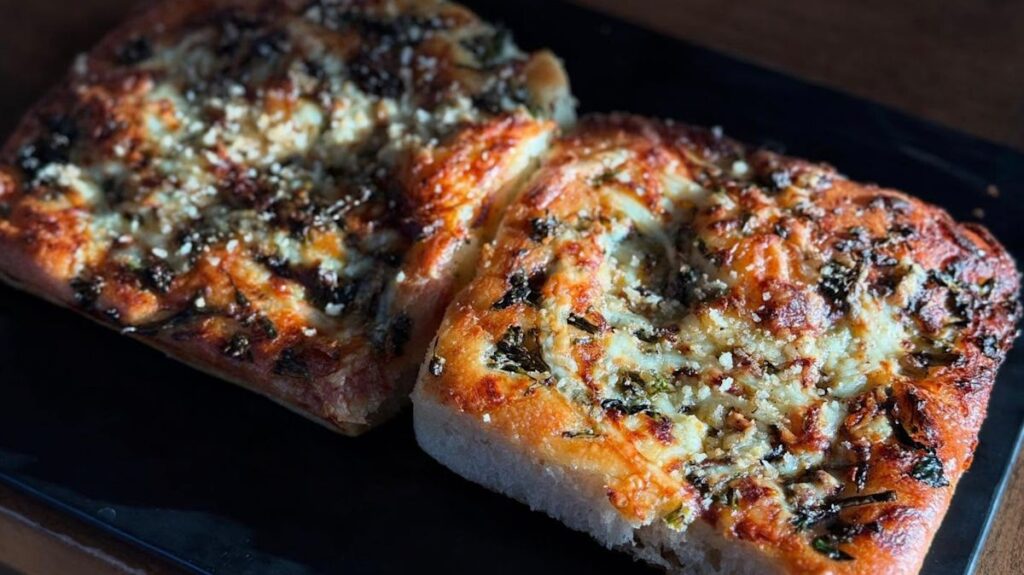
Sunday in an Irish-American parish neighborhood had a shape to it. Mass let out, the family walked home, and the kitchen was already working, with a pot of corned beef or bacon on the boil and bread either cooling on the counter or about to go into the oven. In South Boston, Chicago’s Bridgeport, and the Bronx, the midday Sunday meal was the week’s main event, not the evening one. Dinner meant something on the table by one o’clock.
The food that showed up on those tables was Irish in origin and American in adaptation. Boxty and champ came straight from the Irish countryside. Dublin coddle, a cheap layered pot of bacon rashers, pork sausages and potatoes, was a Saturday-night supper for the Dublin families who brought it over. Barmbrack, a dense fruit bread made with tea-soaked raisins, was the loaf cut for an afternoon cup of tea. None of these dishes required much money. Most of them required patience.
1. Bacon and cabbage with parsley sauce
Irish back bacon is not American bacon. It comes from the loin, not the belly, and it is usually sold unsmoked, so it eats closer to a lean ham than to anything from a breakfast skillet. In Ireland the Sunday pot held a rolled joint of it, brought up slowly from cold water with wedged cabbage going in toward the end and a parsley sauce poured over the plate. Back bacon was hard to find in American butcher shops, while corned beef was easy to come by, which is part of why so many Irish-American families in Boston and New York switched the same pot over to corned beef, while the ones who could find a cured pork joint kept to the old dish.
Back bacon is cured in brine, sometimes aggressively, and that salt carries straight into the pot if you skip the first step. The joint comes to a boil in cold water, that water gets poured off, and the cooking starts fresh in a second pot, which takes five minutes and keeps the finished dish from tasting harsh with salt. The parsley sauce is made while the bacon simmers in its second water, using some of that liquid as the base so the sauce carries the flavor of the meat. The cabbage goes in about 45 minutes into the simmer, not earlier, because 15 to 20 more minutes in barely simmering water is what keeps it tender without going gray.
Ingredients (Serves 4 to 6)
-
2 to 2 1/2 pounds Irish back bacon (cured pork loin joint, in one piece)
-
1 small head green cabbage (about 2 pounds), cut into 6 to 8 wedges
-
4 whole black peppercorns
-
3 tablespoons unsalted butter
-
3 tablespoons all-purpose flour
-
1 cup reserved bacon cooking liquid, hot
-
1/4 cup fresh flat-leaf parsley, finely chopped
-
Salt and white pepper to taste
Instructions
1. Place the bacon joint in a large pot and cover with cold water. Bring to a boil over high heat, then drain and discard that first water. This draws out excess salt from the cure.
2. Return the bacon to the pot. Add the bay leaf and peppercorns, then pour in enough fresh cold water to cover the joint by 2 inches. Bring to a boil over high heat, then reduce to a gentle simmer. Cook for 45 to 50 minutes.
3. While the bacon simmers, make the parsley sauce. Melt the butter in a small saucepan over medium heat. Whisk in the flour and stir for 1 minute. Ladle 1 cup of the hot bacon cooking liquid into the pan gradually, whisking constantly, then whisk in the milk. Cook over medium heat, whisking often, until the sauce coats the back of a spoon, about 5 to 6 minutes. Stir in the parsley. Season with white pepper, and taste before adding any salt, as the cooking liquid may already carry enough.
4. After 45 to 50 minutes of simmering, add the cabbage wedges to the pot. Continue simmering for 15 to 20 minutes, until the cabbage is just tender and a thermometer inserted into the thickest part of the bacon reads 145°F.
5. Lift the bacon from the pot and let it rest 5 minutes, then slice it against the grain. Arrange the slices on a platter with the cabbage alongside, and pour the parsley sauce over the top or serve it in a small pitcher on the side.
2. Dublin coddle
Dublin coddle never asked much of a household budget. In Dublin it was the Saturday-night pot, left over a low heat until late in the evening, and families from the city kept making it in some Irish-American kitchens on this side of the ocean. The four main ingredients were among the cheapest things a 1950s butcher and grocer sold: bacon rashers, pork sausages, onions and potatoes.
Coddle was thrifty even by the standards of thrifty cooking. It used no flour, no cream and no butter, and the only fat in the pot was what the sausages and bacon rendered on their own, so the broth came from that fat and whatever liquid was poured in to cover. Some grandmothers added a splash of stock if they had it; others poured in plain water and let the meat carry everything. What came out was a layered pot of potatoes gone soft and silky, onions nearly dissolved, and sausages that had given everything they had into the broth.
Ingredients (Serves 4 to 6)
-
1 pound pork sausages (bangers or breakfast sausages)
-
8 ounces thick-cut bacon rashers or strips, cut into 2-inch pieces
-
2 pounds russet or Yukon Gold potatoes, peeled and sliced 1/2 inch thick
-
2 medium onions, peeled and sliced into thin half-moons
-
2 cups chicken stock or water
-
1/2 teaspoon black pepper
-
2 tablespoons fresh flat-leaf parsley, chopped
Instructions
1. Preheat the oven to 325°F.
2. Place the sausages in a large Dutch oven over medium heat. Brown them on two sides, about 3 minutes per side. Remove and set aside. Add the bacon to the same pot and cook for 2 to 3 minutes until the edges begin to crisp. Remove and set aside with the sausages.
3. Pour off all but about 1 tablespoon of fat from the pot.
4. Arrange half the potato slices in an even layer across the bottom of the pot. Scatter half the onions over the potatoes. Season with half the black pepper and a pinch of salt.
5. Lay all the bacon pieces over the onion layer, then arrange all the sausages on top.
6. Spread the remaining potatoes over the sausages, then scatter the remaining onions on top. Season with the rest of the pepper and another pinch of salt.
7. Pour the stock or water over everything. It should come about three-quarters of the way up the layers. Add more water if it falls short.
8. Cover the pot tightly with a lid and place it in the oven. Cook for 2 hours, until the potatoes are completely tender when pierced with a knife and the sausages read 160°F on an instant-read thermometer.
9. Taste the broth and adjust salt. Scatter the parsley over the top and serve directly from the pot.
3. Shepherd’s pie with ground lamb
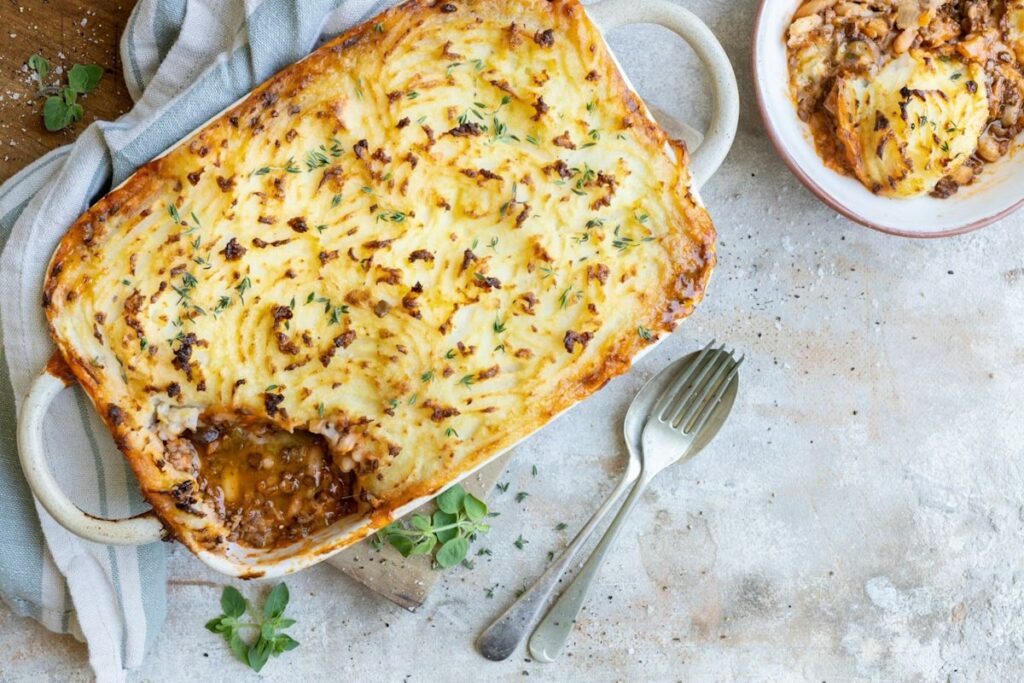
Shepherd’s pie came out of the oven heavy and steaming, the potato crust gone gold at the peaks and still soft in the valleys where it met the lamb. The meat underneath ran gray-brown with rendered fat, seasoned with onion, thyme and a splash of Worcestershire, the kind of dish that warmed you from the inside out on a gray November afternoon after the walk back from church.
The texture was the whole point: dense mashed potato above, loose braised ground lamb below, and a thin layer of gravy between them that had soaked upward into the potato as it baked. You could taste the salt of the lamb in every forkful. It wasn’t subtle. When the dish hit the table still bubbling from the oven, you let it sit for five minutes before cutting in, or the filling ran across the plate. The name points to the animal a shepherd tends, lamb or mutton. The two names were used for the same dish through the 1800s, and today many cooks keep shepherd’s pie for lamb or mutton and call the beef version cottage pie.
Ingredients (Serves 6)
-
1 medium yellow onion, finely diced (about 1 cup)
-
2 medium carrots, finely diced (about 3/4 cup)
-
2 tablespoons tomato paste
-
2 tablespoons all-purpose flour
-
1 tablespoon Worcestershire sauce
-
1/2 teaspoon black pepper
-
2 pounds russet potatoes, peeled and cut into 2-inch chunks
-
4 tablespoons unsalted butter
-
1/2 cup whole milk, warmed
Instructions
1. Put the potato chunks in a large pot and cover with cold water by an inch. Add 1 teaspoon salt and bring to a boil over high heat, then reduce to a steady simmer. Cook until a fork slides through without resistance, about 20 minutes. Drain well.
2. Return the drained potatoes to the pot and set over low heat for 1 minute to drive off any remaining moisture. Add the butter and warm milk and mash until smooth. Taste and adjust salt. Set aside.
3. Preheat the oven to 400°F.
4. Heat a large skillet over medium-high heat. Add the ground lamb and cook, breaking it up with a wooden spoon, until browned throughout and the fat has rendered, about 8 minutes. Spoon off all but about 1 tablespoon of the fat.
5. Reduce the heat to medium. Add the onion and carrots and cook, stirring occasionally, until softened, about 5 minutes. Add the garlic and cook 1 minute more.
6. Stir in the tomato paste and cook for 2 minutes, stirring to coat the meat. Sprinkle the flour over the mixture and stir to coat everything evenly. Cook 1 minute.
7. Pour in the beef stock and add the Worcestershire sauce, thyme, 1/2 teaspoon salt, and the black pepper. Stir well, scraping up any browned bits from the bottom. Simmer over medium heat until the sauce thickens and holds together when you drag a spoon through it, about 8 to 10 minutes.
8. Transfer the filling to an 11×7-inch or other 2 1/2- to 3-quart baking dish and spread into an even layer. Spoon the mashed potatoes over the top and spread to cover the filling completely. Drag a fork across the surface to raise ridges.
9. Bake at 400°F until the ridges are golden brown and the filling is bubbling at the edges, about 25 to 30 minutes. Let the dish sit for 5 minutes before serving.
4. Boxty potato pancakes
Boxty is a potato pancake built on two kinds of potato at once: raw potato, grated and wrung dry, folded into smooth cooked mash along with flour and a splash of milk. It fries up denser than a latke, with a crisp outer crust and a soft, starchy center that holds its shape on the plate. The dish comes from the north midlands and south Ulster, around Leitrim, Cavan and Fermanagh, where an old rhyme went: “Boxty on the griddle, boxty in the pan. If you can’t make boxty, you’ll never get a man.”
In the Irish-American homes where a grandmother from those counties did the cooking, boxty was more of a Saturday dish than a Sunday one. Sunday was for the big pot and the good plates after Mass, and Saturday was for using the week’s leftover mash before it went off, grating a couple of raw potatoes into it and frying the whole thing in butter. Grandmothers who had been making it since girlhood didn’t call it anything special, just potatoes. The fact that it was economical and fast and the children ate it without complaint was reason enough.
I’d never let the mash outweigh the grated raw potato, because the shreds give boxty its particular bite, while too much mash leaves the pancake soft all the way through. The grated potato gets wrung in a kitchen towel until it seems bone dry and then wrung once more, because any water left in those shreds steams the pancake from the inside and keeps the crust from forming. Medium heat, not high, and enough butter that the edges go golden in about four minutes.
Ingredients (Makes about 18 pancakes, serves 6)
-
1 pound russet potatoes (about 2 medium), peeled and grated raw
-
1 pound russet potatoes (about 2 medium), peeled, boiled, and mashed, cooled to room temperature
-
1 1/4 cups all-purpose flour
-
1 large egg, lightly beaten
-
4 to 6 tablespoons unsalted butter, divided, for frying
Instructions
1. Grate the raw potatoes on the large holes of a box grater. Wrap the grated potato in a clean kitchen towel and wring out as much liquid as you can. Wring it a second time; the shreds should feel nearly dry before they go into the bowl.
2. In a large bowl, combine the wrung-out grated potato and the mashed potato. Add the flour, baking powder, and salt and stir until evenly incorporated.
3. Add the beaten egg and the milk and stir until the mixture comes together into a thick, slightly sticky batter.
4. Melt 1 tablespoon of the butter in a large skillet over medium heat. Working in batches, scoop about 3 to 4 tablespoons (a generous 1/4 cup) of batter per pancake into the pan. Press each one gently into a round about 3 inches across and 1/2 inch thick.
5. Cook the pancakes for 4 to 5 minutes per side, until deep golden brown on both sides. A wooden skewer inserted in the center should meet no raw resistance.
6. Transfer the finished pancakes to a warm plate. Add butter to the pan between batches as needed, and keep completed batches warm in a 200°F oven while you finish the rest.
5. Champ
Champ is simpler than it looks and more welcome than almost anything else on a Sunday table. Two pounds of floury potatoes, a bundle of scallions steeped in hot milk, and enough butter to make a Continental cook look away: that’s the whole dish. In Irish-American parishes from South Boston to Chicago’s Bridgeport, it went down alongside boiled bacon, corned beef or a roast, and the pot was usually scraped clean by the end of the meal.
Cold champ was its own thing entirely. Grandmothers pressed leftover mash into thick patties the next morning and dropped them into a skillet with a spoonful of dripping or lard, cooking each side until it caught a dark, crackled crust. A fried egg on top and Monday breakfast was done before the kids were awake. Some families worked a spoonful of flour into the cold potato to help the patties hold; some didn’t bother, because a tight-packed cake holds fine when the pan is hot enough before it goes in.
The scallions can go in raw or barely cooked, and it changes the dish noticeably. Champ made with raw scallion has a grassier, sharper bite that suits adult palates. The version that warms the scallions in milk first comes out gentler, which is probably why it turned up more often when children were at the table. Either way, the butter goes in last, in amounts that might surprise anyone not raised on Irish cooking. The well pressed into the center of each serving isn’t decorative. It fills with melted butter and you leave it alone until the last few bites.
Ingredients (Serves 4)
-
2 pounds Russet or Yukon Gold potatoes, peeled and cut into 2-inch chunks
-
1 bunch scallions (about 8 scallions), thinly sliced
-
4 tablespoons unsalted butter, cut into pieces, plus extra pats for serving
-
1 teaspoon kosher salt, plus more to taste
-
1/4 teaspoon white pepper
Instructions
1. Put the potatoes in a large pot and cover with cold salted water. Bring to a boil over high heat, then reduce to a steady simmer and cook until a fork slides through without resistance, 18 to 22 minutes.
2. While the potatoes cook, combine the scallions and milk in a small saucepan. Warm over medium-low heat until the milk steams and the scallions soften, about 5 minutes. Remove from heat and set aside.
3. Drain the potatoes well. Return them to the empty pot and set it over low heat for 1 minute, shaking the pot occasionally, to drive off any lingering moisture.
4. Mash the potatoes with a potato ricer or hand masher until smooth. Avoid a food processor or stand mixer; both will work the starch and turn the potatoes gummy.
5. Pour the warm scallion milk over the mashed potatoes and stir until fully combined. Add the 4 tablespoons of butter and stir until melted through. Season with the salt and white pepper, taste, and adjust.
6. Divide among four bowls or plates. Press a well into the center of each serving, place a small pat of butter in the well, and serve immediately.
6. Irish brown soda bread
Soda bread has no yeast in it and asks for no rising time because the whole leavening comes from one pantry staple: baking soda, called bread soda in Irish kitchens, fizzing the moment it meets the acid in buttermilk. By the 1950s, commercial dairies had largely replaced true churn buttermilk with the thick cultured kind, and the cultured version holds enough acid to lift a loaf without fail. Whole wheat flour, coarser and earthier than the white flour most American mills favored, gave the bread its dense crumb and the faintly nutty flavor that separates it from white soda bread. The deep cross cut into the top before baking is not decoration: on a loaf that thick, it lets the center cook through.
Ingredients (Makes 1 loaf, serves 6 to 8)
-
1 1/3 cups buttermilk, plus up to 1/4 cup more if needed
Instructions
1. Preheat the oven to 425°F. Dust a baking sheet lightly with flour.
2. Whisk together the whole wheat flour, all-purpose flour, baking soda, and salt in a large bowl.
3. Pour in 1 1/3 cups buttermilk and stir from the outside in until a soft, shaggy dough forms. It should be sticky and slightly rough. If it seems too dry to come together, add buttermilk a tablespoon at a time.
4. Turn the dough onto a lightly floured surface. Pat it into a round about 7 inches across and 1 1/2 inches thick. Do not knead it.
5. Set the round on the prepared baking sheet. Using a sharp knife, cut a cross about 1/2 inch deep across the top, running all the way to the edges.
6. Bake for 30 to 35 minutes, until the crust is deep brown and the bottom of the loaf sounds hollow when tapped.
7. Transfer to a wire rack and cool for at least 15 minutes before slicing.
7. Barmbrack
Barmbrack is a speckled fruit loaf, and a slab of it sliced thick and spread with butter turned up on plenty of ordinary fall and winter afternoons. The yeasted barm brack was often a bakery loaf, and the version made at home in Ireland and in Irish-American kitchens was the tea brack, which needs only baking powder, a mixing bowl and a pot of strong tea for soaking the fruit overnight. In Ireland, the festival-day loaf was baked with small objects hidden inside: a ring, a coin, a rag, a thimble, and a pea, each one a forecast for whoever cut the slice that held it.
Ingredients (Makes 1 loaf, about 10 slices)
-
2 cups mixed dried fruit (raisins, currants, and golden raisins)
-
1 1/2 cups strong black tea, hot
-
1 3/4 cups all-purpose flour
-
1 1/2 teaspoons baking powder
-
1 teaspoon ground cinnamon
-
1/4 teaspoon ground nutmeg
-
1 large egg, lightly beaten
Instructions
1. Combine the dried fruit and sugar in a large bowl. Pour the hot tea over them and stir until the sugar dissolves. Cover and leave at room temperature for at least 8 hours or overnight.
2. Preheat the oven to 325°F. Grease a 9×5-inch loaf pan and line the bottom with parchment paper.
3. Stir the beaten egg into the soaked fruit mixture.
4. Sift the flour, baking powder, cinnamon, nutmeg, and salt over the fruit mixture. Stir until just combined; the batter will be thick and sticky.
5. Scrape the batter into the prepared pan and smooth the top.
6. Bake for 60 to 70 minutes, until a skewer inserted in the center comes out clean and the top is deep brown.
7. Let the loaf cool in the pan for 10 minutes, then turn it out onto a wire rack. Slice and serve with butter.
The dishes vary in effort, but they share the same logic: feed a lot of people from a modest pantry, and make it good enough that everyone remembers it.