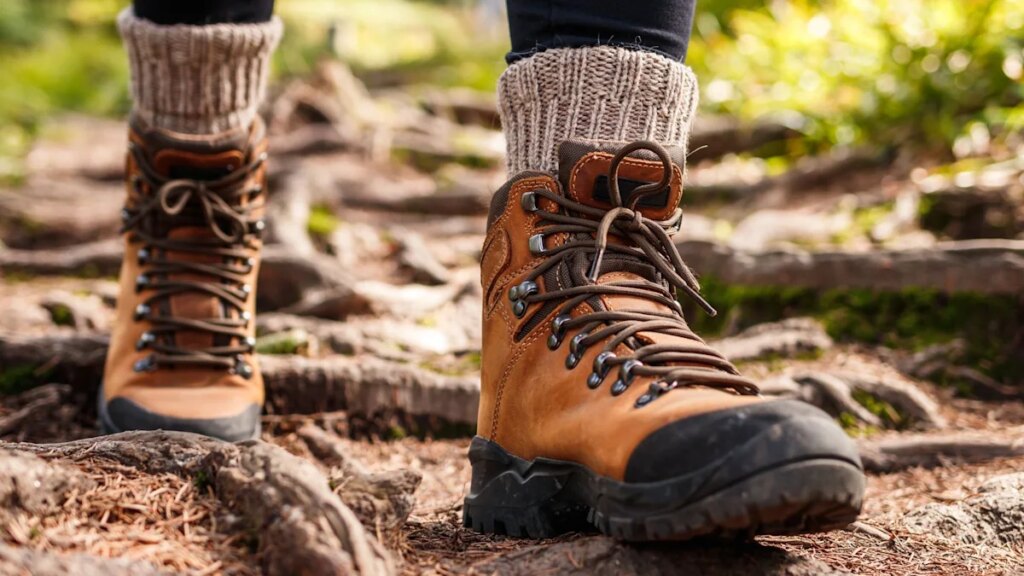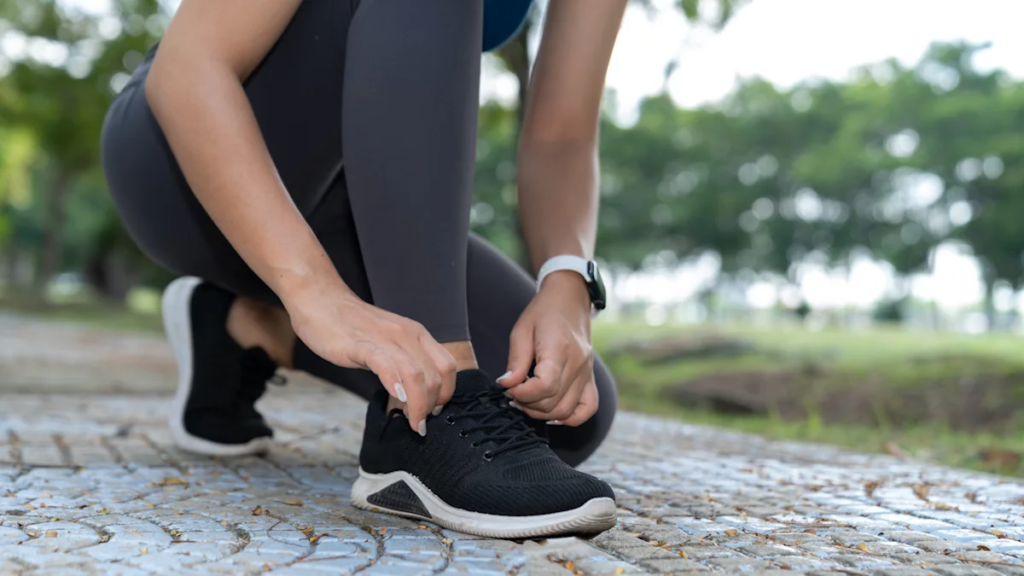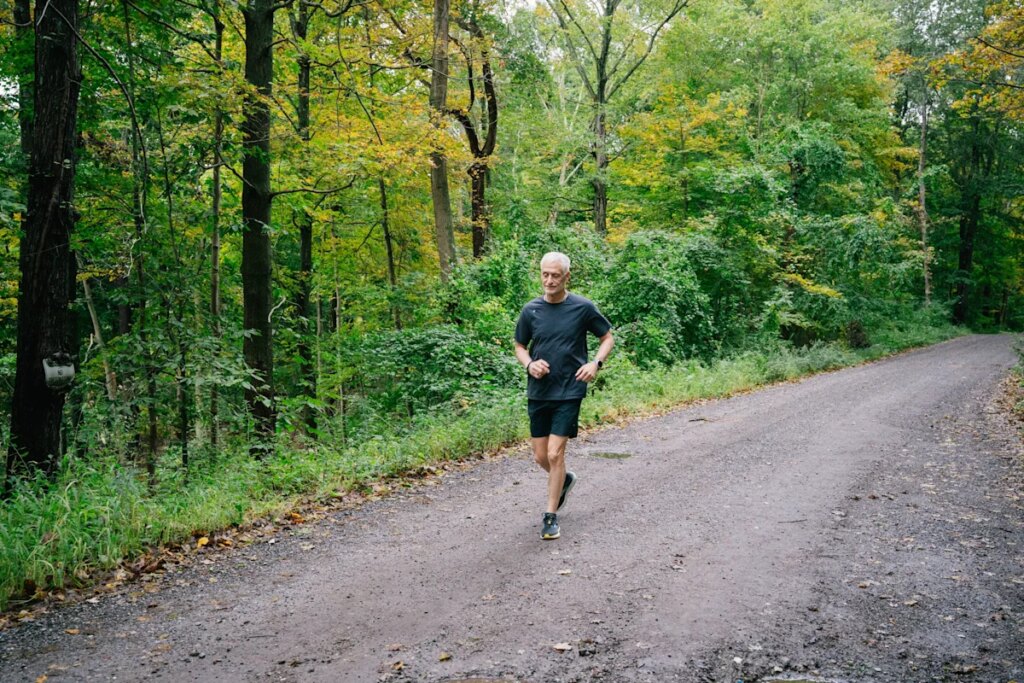


At 63, orthopedic surgeon Howard Luks has spent decades treating injured knees while putting his own through thousands of miles of running, hiking, and cycling. He has experienced meniscus tears and morning stiffness, the familiar complaints of aging joints.
Despite remaining fit and strong, however, he began noticing a weakness that conventional weightlifting had not addressed: his balance was becoming less reliable, and his ability to move with agility was not keeping pace with his strength.
His experience prompted him to rethink how he trained, developing a seven-exercise program with performance coach Brett Poniros and his partners specifically to improve knee strength, coordination, balance, and the ability to handle sudden changes in movement.
Older and Still Going Strong
The Washington Post / Getty Images
In an October 2026 feature, The Washington Post presented the exercises as a practical approach to maintaining mobility as people age. The underlying message is important: healthy knees require more than strong thigh muscles. They also depend on control, stability, coordination, and the capacity to absorb force safely.
Advertisement
Advertisement
Luks had continued bench pressing and deadlifting weights comparable to those lifted by many younger men. Yet he recognized that strength alone was not enough. His concerns were reinforced by seeing older friends and patients withdraw from activities they once enjoyed because they feared injuring their knees. Avoiding movement, however, can contribute to further weakness and reduced mobility.
Poniros explained the principle behind their approach: “You want the knee to be going through a full range of motion.” He added that people should develop “speed and balance” and learn to move in different directions under varying loads.
That sounds about right since walking up stairs, recovering from a stumble, and changing direction while exercising require different combinations of muscular strength and neuromuscular control. It makes sense that a training program that addresses these demands should help people remain active for longer, although no collection of exercises can guarantee injury prevention or reverse every form of joint damage.
As we present the seven exercises Luks uses, we’ll discuss why they matter and how to approach them safely.
1. Goblet Squat: Building the Foundation
madigraphics / Getty Images
The goblet squat strengthens the quadriceps, the large muscles at the front of the thighs that help straighten the knee and support movements such as standing, walking, and climbing stairs.
Advertisement
Advertisement
Luks describes these muscles as “so important” for knee health. Poniros adds that holding a weight against the chest helps maintain an upright torso and engage the core.
How to do it:
Stand with your feet shoulder-width apart or slightly wider, toes angled outward. Hold a kettlebell, light dumbbell or suitable household object against your chest. Bend your hips and knees as though sitting in a chair, keeping your back upright. Lower to a comfortable depth, then return to standing while breathing normally.
The advantage is its adaptability. Beginners can start without weight and use a shallow squat before progressing. The objective is controlled movement, not reaching a particular depth at the expense of comfort.
2. Jump Squat: Learning to Absorb Impact
U.S. Air Force photo by Senior Airman Sarah Spadie – Public Domain, Wikimedia.
Traditional strength training develops the ability to produce force. Jump squats add an explosive element, teaching the legs to generate force and absorb it during landing.
Advertisement
Advertisement
Poniros argues that healthy legs must be able “to create movement quickly and also absorb it quickly.” That ability is relevant when stepping off a curb, changing direction, or reacting to an unexpected obstacle.
How to do it:
Begin with feet shoulder-width apart. Lower into a squat, then push through your feet to jump. Land softly with your knees slightly bent and your torso upright.
Luks uses light dumbbells, but beginners should start without weights and may lift their feet only an inch or two off the ground.
This is one of the more demanding exercises in the program. People with significant knee pain, balance difficulties, recent injuries, or poor landing control should not rush into jumping. A controlled squat or sit-to-stand exercise offers a sensible starting point.
3. Step-Up: Strength for Everyday Mobility
Alex Potemkin / Getty Images
Step-ups strengthen the legs while challenging single-leg balance. The movement resembles climbing stairs, making it particularly relevant to independent living as people age.
Advertisement
Advertisement
Poniros recommends the exercise for building balance and strengthening muscles throughout the legs.
How to do it:
Stand a few inches from a sturdy, low step. Place one foot on it, push through that leg and bring the other foot up. Step down under control and repeat, alternating which leg leads. Keep your gaze forward and position a chair or wall nearby if you need support.
Once the movement feels comfortable, you can increase the step height or pace cautiously. However, a higher step is not automatically better. Maintaining control of the knee and pelvis matters more than the height of the platform.
4. Twisting Jump-Ups: Training Rotational Control
MoMo Productions / Getty Images
Everyday movement is rarely limited to straight lines. Turning to respond to someone calling your name, changing direction during a walk, or recovering from a stumble can require coordinated rotation of the hips, trunk, and legs.
Advertisement
Advertisement
Luks emphasizes the value of being able to twist and rotate while remaining agile.
How to do it:
Begin on a sturdy, low platform or thick, stable cushion. Hop down while rotating so that you land facing sideways relative to your starting position. Bend your knees to soften the landing, then jump back onto the platform while rotating again.
Poniros recommends initially stepping down and turning after reaching the floor. This allows beginners to practise the movement pattern before introducing the added challenge of jumping.
Because this exercise combines rotation, impact, and balance, it is unsuitable as a starting point for many people with unstable knees. Mastering controlled turns and step-downs first is a more prudent approach.
5. Quick Feet: Improving Coordination and Balance
Michael Wong / Getty Images
This drill develops foot coordination and the ability to shift body weight while maintaining balance. Luks uses a weight plate, although a flat, secure marker can serve the same purpose.
Advertisement
Advertisement
How to do it:
Stand beside the object and alternate stepping onto and off it at a brisk pace. Keep your arms relaxed, land lightly and focus your eyes ahead rather than looking down at your feet.
The exercise may appear simple, but it challenges coordination between the eyes, brain, and muscles. These skills become particularly valuable when navigating uneven surfaces or responding to changes in footing.
Start slowly enough to remain stable. A fast, uncontrolled movement is counterproductive, especially for someone who already feels unsteady.
6. Wall Sit: Building Muscular Endurance
Wall sits strengthen the quadriceps while engaging the glutes and calf muscles. Unlike jumping exercises, they develop strength through a sustained contraction without repeated impact.
Advertisement
Advertisement
Poniros notes that during a prolonged hold, “your quads will burn.”
How to do it:
Stand with your back against a wall and your feet forward. Slide down until you reach a comfortable seated position, keeping your feet flat. Hold the position, then slide back up.
If your knees hurt, move your feet farther from the wall and reduce the depth of the squat. Beginners should hold for only a few seconds initially, increasing the duration as their strength improves.
The exercise provides a useful alternative for developing muscular endurance, although people with persistent pain should seek individual guidance about the appropriate knee angle.
7. Rear-foot-elevated split squat: Challenging each leg independently
The final exercise places greater demands on single-leg strength, stability, and balance. Because one foot rests behind the body on a bench, the front leg performs much of the work.
Advertisement
Advertisement
“Exercises using one leg at a time increase strength, stability, and balance,” Poniros said. He suggests that people who can perform 10 standard squats are ready to consider this variation.
How to do it:
Stand upright with a bench behind you. Place one foot on the bench, then bend the front knee to lower into a split squat. Keep your torso controlled and lower only as far as your mobility allows. Return to standing and switch legs.
Use a low, stable support and hold a wall or chair if necessary. The elevated position increases the challenge, so beginners should first establish confidence with ordinary split squats.
Seven Exercises for Aging Knees
The Washington Post / Getty Images
The significance of Luks’s approach lies in its combination of strength, endurance, balance, coordination, and impact control. No single exercise develops every quality, and the program is not a proven cure for arthritis. Its broader logic is consistent with guidance from the UK’s National Health Service, which recommends strength and balance activities as part of healthy aging.
Advertisement
Advertisement
Luks’s experience also challenges the idea that people should abandon movement simply because their knees are aging. In a separate Washington Post article, he argues that fear surrounding knee arthritis can lead people to become unnecessarily inactive.
That does not mean every movement is appropriate for every knee. People with existing injuries, substantial swelling, severe pain, or significant balance problems should consult a qualified health professional before attempting these exercises. The NHS advises stopping exercises that cause pain and seeking medical guidance when symptoms persist or worsen.
Poniros recommends that newcomers begin with a single repetition of each movement, while experienced exercisers should work until their muscles feel tired but not exhausted. Difficulty can be adjusted through repetitions, resistance and speed.
The practical lesson is that stronger knees require more than lifting heavier weights. They require the ability to move with control, maintain balance, and respond to the unpredictable demands of daily life. At 63, Luks is training for precisely that: not merely stronger legs, but the continued freedom to run, hike, cycle, and remain active as he grows older.

This story was originally published by Men’s Journal on Oct 16, 2026, where it first appeared in the Fitness section. Add Men’s Journal as a Preferred Source by clicking here.
Source link