


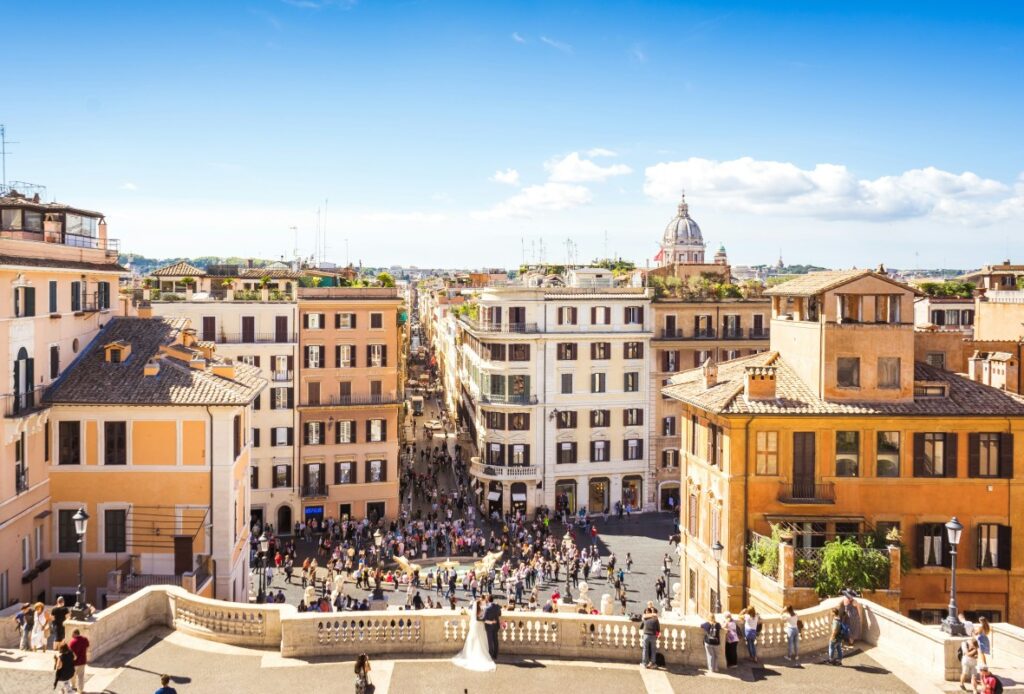
Europe’s tourism sector is booming again. As of 2025, spending is rising and interest is strong even despite higher costs. The European Travel Commission (ETC) projects that travel expenditure will account for 3.1% of total consumer spending this year.
Having lived in Europe for the past four years with my French boyfriend, I’ve learned a thing or two about traveling smart on a budget while still experiencing the local culture. For budget travelers, with thoughtful planning, you can still find value, especially if you work around peak-season pricing and take advantage of local insights.
Some parts of Europe are becoming more cost-competitive, particularly in Eastern Europe, where cities offer excellent value for accommodations, dining, and local transport. In short, it’s not about skipping Europe. It’s about traveling smarter and making the most of insider knowledge.
Stay in the loop with fresh travel stories and updates—subscribe to our newsletter.
6 smart ways to stretch your European travel budget
1. Travel during the shoulder season or off-peak
One of the best ways to save money in Europe is to avoid the high season. Spring and early summer or late fall typically provide lower rates for flights, hotels, and even attractions. When you travel during these shoulder months, you’ll often benefit from fewer crowds, more flexible bookings, and lower prices.
For example, when I planned my 10-day trip through Norway, Switzerland, and Copenhagen, I purposely avoided July and August. My airfare and accommodations came in well under $1,000 because I am traveling in late fall. A little flexibility in your timing can go a long way.
2. Choose budget-friendly city pairings
Skip the most expensive capitals or tourist-heavy cities every day and pair one pricey stop with more affordable ones. Eastern European destinations like Kraków, Budapest, or Riga often come in at a fraction of thecost of most western capitals.
For instance, you could combine a trip to Paris with a few nights in Zagreb or Ljubljana, or balance a Swiss high‑cost leg with time in Poland or Hungary. These pairings let you enjoy the “big city” experience without blowing your entire budget. On one trip, I was in Paris with a friend and, rather than dealing with the chaos of CDG’s long security lines, we hopped on a quick train to Brussels and spent a few nights there. It turned out to be a perfect way to explore a new country while saving both time and money.


I took a fast and affordable train from Paris to explore Brussels, making the trip easy, quick, and budget-friendly.Abigail Bemer
3. Use rail passes strategically
If you’re planning to visit multiple countries, look into rail passes, but be smart about when they actually save you money. Before buying a pass, run the numbers. Sometimes, point‑to‑point tickets are cheaper, especially for short legs or when you’re traveling within one region.
That said, passes like Interrail (for European residents) or Eurail (for non-Europeans) can offer great value when used for flexible, multi-day travel. Many train travelers on forums note that the pass becomes economical when they use it for frequent or last-minute rail trips. Just watch out for reservation fees on high-speed or night trains.
4. Stay in cheaper regions and alternative accommodations
Accommodation tends to be one of the biggest costs on a European trip. But staying in Eastern Europe, smaller towns, or areas just outside the main tourist hubs can bring significant savings. According to budget-travel guides, cities like Kraków, Riga, and Vilnius often cost much less than major capitals.
Also consider non-traditional accommodation, including hostels, guesthouses, or short-term rentals in less-touristed neighborhoods. On this trip, I’ll be staying in shared Airbnbs where the owner is present, which helps us save money compared to renting an entire place. This experience provides the cozy kind with local charm, not corporate cookie-cutter hotels.
Related: United Airlines launches new debit card for travelers on a tight budget
5. Use public transport and walk when you can
Public transportation in Europe is generally efficient, widespread, and often cheaper than taxis or ride-share apps. Opting for buses, metros, and regional trains can dramatically reduce your daily travel costs, especially in more walkable European cities.
Plus, walking is one of the most budget-friendly ways to explore. Many European cities are compact and pedestrian friendly. Additionally, an ingenious method of getting around, known as BlaBlaCar, which is a long-distance carpooling platform that connects drivers with empty seats to travelers looking for an affordable ride. It might feel a little unusual at first, but I always make sure to travel with a friend when using it. BlaBlaCar is available in most major European countries.
6. Watch your food and experience costs
One way to keep your daily budget low: eat like a local. Swap touristy restaurants for markets, bakeries, and street food. Not only does this save money, but it gives you a more authentic taste of each place.
Also, prioritize free or low-cost experiences: public parks, historic neighborhoods, local markets, and free museums (or “pay what you wish” entry) can be just as rewarding as expensive tourist attractions.
Explore the latest travel stories and updates by subscribing to our newsletter.
Related: Three trip ideas for budget travel this fall
Wrap up your budget-friendly European adventure
Putting these six strategies into practice means you don’t have to sacrifice the magic of Europe for the sake of your budget. By planning thoughtfully, traveling during off-peak seasons, taking advantage of smart transportation options, and making value-conscious choices for accommodations, dining, and activities, you can experience the richness of European culture without overspending.
A well-planned 2026 European trip can be filled with unforgettable moments, from wandering historic streets and enjoying local cuisine to soaking in breathtaking landscapes and hidden gems. With a mix of careful preparation and a sense of adventure, it is entirely possible to create a journey that is both affordable and deeply rewarding, leaving you with memories that last a lifetime.
This story was originally published by TravelHost on Nov 27, 2025, where it first appeared in the Attractions section. Add TravelHost as a Preferred Source by clicking here.