

NEED TO KNOW
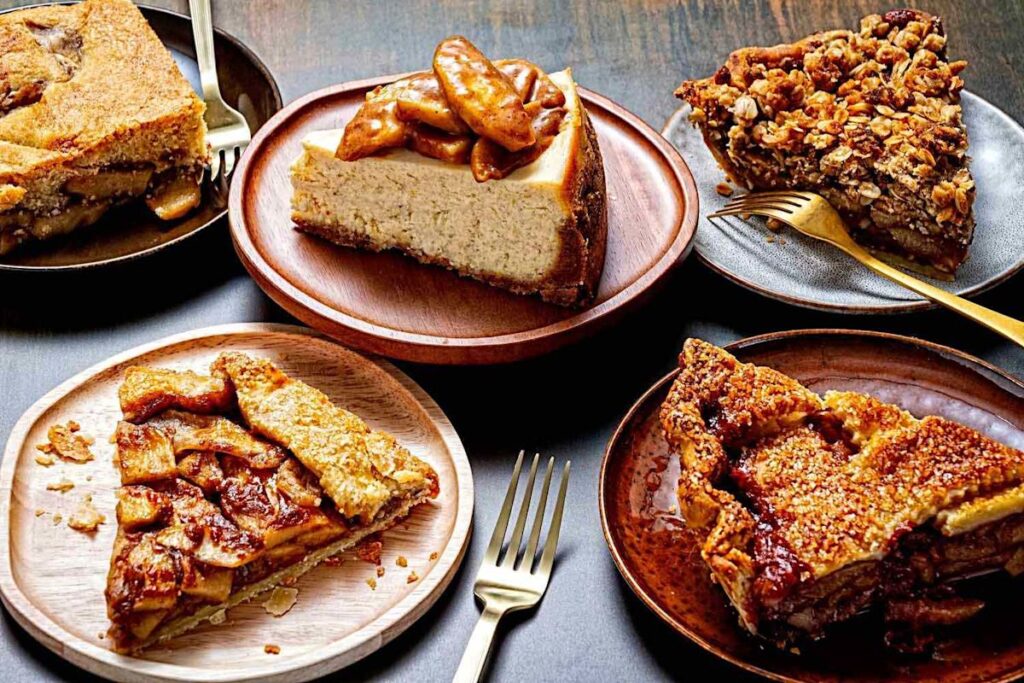
GLP-1 medications can slow digestion, making rich desserts like pecan pie or cheesecake harder to tolerate
Sugar-free desserts may cause digestive issues due to sugar alcohols, which can lead to gas or bloating
Experts suggest portion control, lighter options like pumpkin pie and taking breaks between meals and dessert
Saving room for Thanksgiving dessert can feel a little different when you’re taking a GLP-1 medication.
For plenty of Americans, this may be their first holiday season on a GLP-1 medication. The medication helps lower blood sugar levels and promotes weight loss, and was initially developed for people with Type 2 diabetes. In 2026, Gallup reported that 15% of U.S. adults have used a GLP-1 for weight loss at some point.
Advertisement
Advertisement
So what does that mean when someone offers you a slice of pecan pie with a scoop of ice cream this Thanksgiving? GLP-1 medications can slow how quickly food leaves your stomach, and side effects can include nausea, constipation and diarrhea. So it might be worth reconsidering the type and how much dessert you indulge in this holiday season.
That doesn’t mean you have to skip the dessert table altogether, though. “There are no foods that people currently on GLP-1 should completely avoid; it is more about portion control than about avoiding foods completely,” Jennifer Cheng, D.O., Chief of Endocrinology at Hackensack Meridian Jersey Shore University Medical Center tells PEOPLE. “But there are certain foods that are more likely to cause GI issues if you are taking GLP-1s.”
Desserts with high fat content, fried foods, and heavy cream can all heighten side effects, so it’s important to be mindful while indulging this holiday season.
Kylie King, MS, RD, registered dietitian and behavioral counselor specializing in GLP-1 nutrition support, notes that it’s smart to opt for something lighter.
Advertisement
Advertisement
“Pumpkin pie is usually the gentler choice,” she explains to PEOPLE, while also warning to be wary of sugar-free offerings. “Many are sweetened with sugar alcohols such as maltitol or sorbitol, which can cause gas, cramping, and diarrhea on their own.”
So what should you say “no” to if you’re on a GLP-1? From cheesecake to pecan pie, here are a few Thanksgiving desserts you might want to pass on if you’re currently taking a weight-loss medication.
01 of 06
Pecan Pie
Pecan pie
Credit: Anjelika Gretskaia/REDA/Universal Images Group/Getty
If pecan and pumpkin pie are both on the Thanksgiving table, King would flag the pecan first. “Pecan pie typically tops my list, with roughly 400-500 calories a slice and about twice the fat of pumpkin pie,” the dietitian says.
Advertisement
Advertisement
Of course, the numbers vary by recipe and how generously you cut the pie. For comparison, a slice of store-bought pecan pie is roughly 452 calories and about 21 grams of fat, per University Hospitals, while a slice of store-bought pumpkin pie is roughly 229 calories with about 10 grams of fat. (Nutritional information is based on a one-sixth slice of an 8-inch pie.)
Consider that difference if you’ve been queasy since starting a GLP-1 or recently increased your dose.
King says a few bites of a rich dessert are usually easier to tolerate than a full slice. If pecan pie is the one you look forward to every year, start with a smaller piece and see how you feel.
02 of 06
Cheesecake
Cheesecake
Credit: Natasha Breen/REDA/Universal Images Group/Getty
Cheesecake is a popular sweet treat, but it’s definitely a heavier confection.
Advertisement
Advertisement
“Fried foods or rich foods are typically higher in fat naturally, and that takes longer to digest, so the timing can impact your experience with GI side effects,” Gianna Beasley, MS, RD, CPT notes to PEOPLE. However, she says tolerance varies from person to person.
03 of 06
Ice Cream
Ice cream in cones
Credit: Michael Brandt/picture alliance/Getty
A scoop of ice cream might look like a small addition to a slice of warm pie, but it’s the combination that King flags.
“Cheesecake, pie with ice cream, and anything fried belong in the same category,” she says, referring to richer desserts that can be harder to tolerate on a GLP-1.
King also suggests checking the ingredient list before reaching for a sugar-free scoop. Some products contain sugar alcohols, which can cause gas, bloating or diarrhea in some people.
Advertisement
Advertisement
“Sugar-free does not mean easier on the stomach,” she advises.
04 of 06
Eggnog
Eggnog
Credit: Natasha Breen/REDA/Universal Images Group/Getty
Eggnog may come in a glass, but Cheng puts it in the same category as rich desserts. A traditional recipe can contain whole milk, heavy cream, eggs and sugar, and some versions add spirits. If yours is spiked, she says alcohol “may cause GI irritation by worsening acid reflux.”
Beasley agrees and says to consider what you’ve already eaten by the time the eggnog comes out.
“If you also then add in dessert and alcoholic beverages, it can quickly add up to us feeling uncomfortably full,” she says.
Start with a small taste of an alcohol-free eggnog. The cream can still make for a rich drink, so if you’re already feeling full, you might want to save the beverage for later.
Advertisement
Advertisement
05 of 06
Chocolate Cake
Slice of chocolate cake
Credit: Getty
If heartburn has been bothering you since you started taking a GLP-1, be wary of chocolate cake. It’s a common dessert, but a slice with a thick layer of buttercream or ganache can cause side effects. Your own experience matters here, so if chocolate has set off heartburn before, that’s a reason to consider a different dessert.
“Indigestion, nausea and reflux can all increase for many people if your fat content is too high,” Beasley says. Timing can matter for reflux, too. If Thanksgiving dinner runs late and you’re prone to nighttime heartburn, the National Institute of Diabetes and Digestive and Kidney Diseases suggests finishing meals at least three hours before lying down.
06 of 06
Bread Pudding
Bread pudding
Credit: Getty
Warm bread pudding is a classic and can be tempting the minute it comes out of the oven, especially if there’s a warm cream sauce involved. But if you’re still full from dinner, the host’s timing and your appetite may be on different schedules. King suggests building in a break. “I recommend a 10-15 minute walk between the main meal and dessert,” she says.
Advertisement
Advertisement
If you get back from the walk and still feel stuffed, bread pudding can be tomorrow’s dessert.
“We can take home our favorite holiday dishes and incorporate them into future meals to keep enjoying them,” Beasley offers.
Read the original article on People
Source link