

Allen J. Schaben/Getty Images
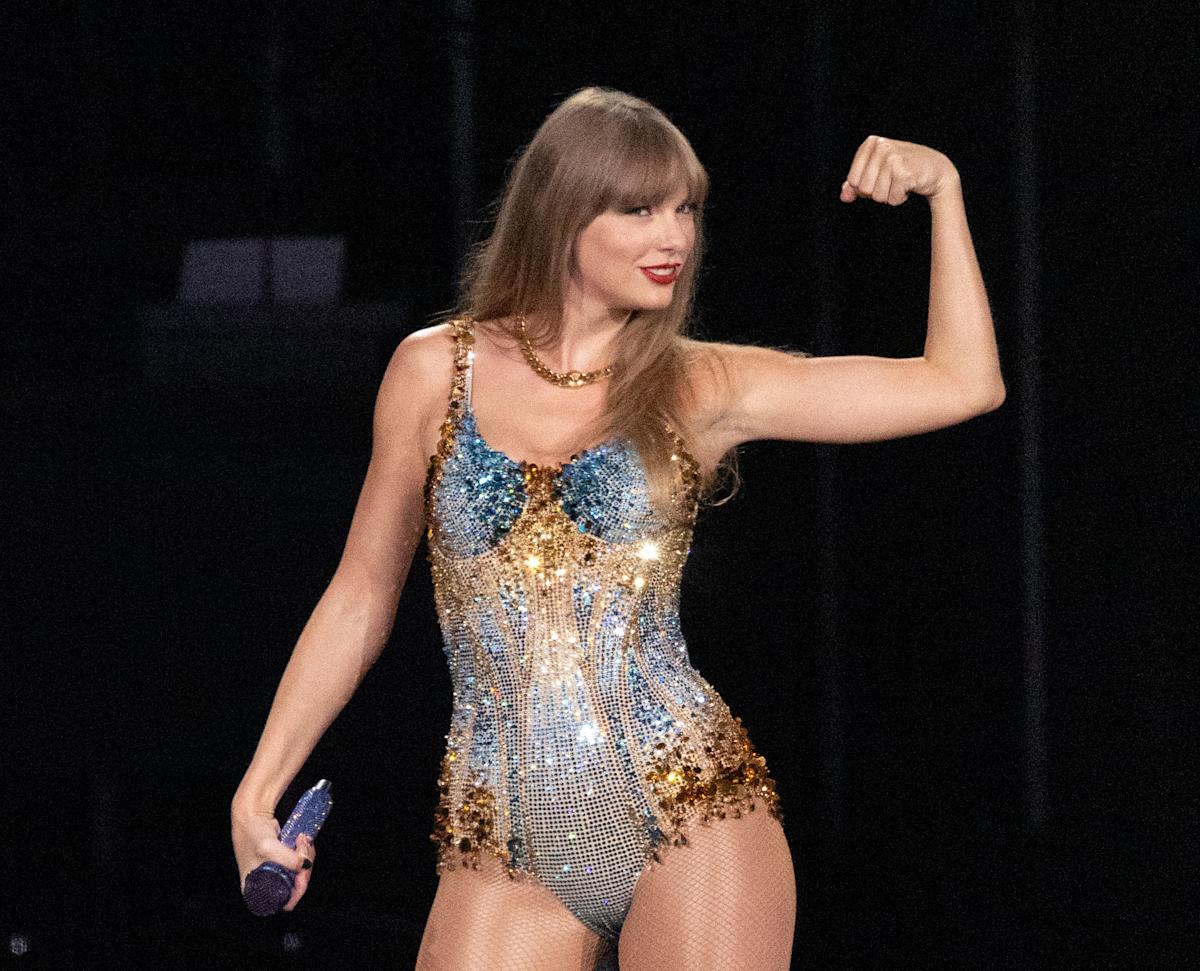
There’s no doubt Taylor Swift works hard when she’s on stage. At each performance on the Eras Tour, she sustained more than three hours of nonstop movement. Fans are finally getting a glimpse of what it takes to prepare for her marathon of music and dancing in her new docuseries, Taylor Swift: The End of an Era on Disney+. Throughout the series, Swift reveals how she trained for the physical demands along with the moves that make her feel “rage” every time she does them.
While the routine she used to train is tailored to her job as a musical powerhouse, the lessons behind it are surprisingly relevant to anyone who works out. Here are the biggest fitness takeaways from Swift’s Eras Tour training regimen—and how to apply them to your own routine.
Endurance matters more than intensity alone
One of the clearest themes in Swift’s training is how much she prioritized cardiovascular endurance. Before the Eras Tour, her longest performance was about two hours and 15 minutes. “I never would’ve believed you if you’d told me we’d be doing a 3.5 hour show,” Swift explains in her documentary.
Rather than relying on short, all-out workouts, Swift focused on building the capacity to keep moving for long stretches of time. It’s a reminder that fitness isn’t just about how hard you can push for a few minutes, but how well your body holds up over sustained effort. For everyday exercisers, this means including longer, steady-state cardio sessions alongside higher-intensity workouts. Walking, jogging, cycling, or using the elliptical at a sustainable pace all help build the aerobic base that makes daily life feel easier.
Cardio supports performance, not just calorie burn
The “Shake It Off” singer wasn’t focused on trying to “burn off” anything—instead, she used cardio as a tool for better performance. Strong cardiovascular fitness allows her to sing, dance, and move without getting winded. “You don’t want them to see you panting,” Swift says.
It’s an important mindset shift for many people: Sure, cardio burns calories, but more importantly, it improves how efficiently your heart and lungs deliver oxygen. That can translate to better stamina during workouts, faster recovery, and more energy throughout the day.
Core strength is about stability, not six-packs
Another standout in Taylor Swift’s training was the focus on having a strong core. No, not to achieve a chiseled six-pack that matches her NFL-player fiancé’s, but to maintain her posture and balance while she’s moving across stage for hours at a time.
Forget boring crunches. Swift did a variety of core exercises that kept her workouts interesting. In the documentary alone, we watch her do sit-ups with medicine ball throws, hanging knee raises, russian twists, plank to pikes, reverse crunches, and bicycle crunches with ankle weights.
Even for those of us who aren’t megastars, it’s a reminder that core training is about function, not aesthetics. A strong core supports your spine, improves movement efficiency, and reduces the risk of form breakdown when you’re tired.
Training should reflect what you’re preparing for
Swift didn’t train randomly—her workouts mirrored the demands of her tour. Long-duration cardio prepared her for lengthy performances, while core work supported constant movement and balance.
That’s a principle anyone can borrow. Your workouts should align with what you want your body to do, whether that’s running longer distances, lifting heavier weights, or simply feeling less fatigued during busy days.
Consistency always wins
Perhaps the most relatable takeaway is that Swift’s training wasn’t about last-minute intensity. She built her fitness gradually and consistently, giving her body time to adapt.
“Six months ahead of my first rehearsal, [I was] running on the treadmill every day to the tempo of the songs I was playing while singing them out loud,” Swift says.
Sustainable training that you can do regularly is far more effective than sporadic, overly aggressive workouts. Consistency also reduces injury risk and makes fitness feel like a long-term habit rather than a short-term push that could lead to burnout.
Related:
3 Must-Try Takeaways From Megan Thee Stallion’s Abs Workout, According to a Trainer
Kim Kardashian Breaks Down Her Weekly Workout Routine
The DWTS Workout Lindsay Arnold Used to Compete for 10 Seasons
Get more of SELF’s great workout content delivered right to your inbox—for free.
Originally Appeared on Self