


Effective core training builds stability and strength for daily activities, not just aesthetics. (Rachel MacPherson)
Skip the 100-rep ab circuit. Your core muscles respond to the same training principles — resistance, challenging sets and progressive overload, a.k.a. gradual progression — as every other muscle group. As a certified strength and conditioning specialist, I’ve watched countless people overcomplicate core work when it doesn’t have to be. In fact, if you concentrate on regularly performing the following five exercises with proper form, you just might end up with better results.
Core training is most effective when it includes exercises that move the trunk through a full range of motion as well as bracing drills that teach the spine to stay steady. Endless planks and halfhearted 100-rep bodyweight crunch sets won’t stimulate much muscle growth. Focus instead on movements that let the abs and obliques stretch and contract, and work close enough to fatigue that the last few reps of each set feel challenging.
Common tasks like carrying groceries, shoveling snow or holding a child all require dynamic core control, which means keeping your midsection stable while your limbs move freely. “Activities of daily living (ADLs) may seem like basic things you do every day, but they actually can require a high level of fitness,” says Kyle Costello, PhD, an exercise science and performance coach in Raleigh, North Carolina. He points out that a stronger, better-trained core makes those jobs feel easier and less stressful on the back and shoulders.
While core work alone won’t shrink your waist or magically reveal a six-pack at higher body fat levels, it can help build thicker, stronger abs and obliques that look more defined once you’re lean enough for that muscle to show. It also supports heavier lifting, better posture and more comfortable daily movement.
How to start out with core training
Begin with a few minutes of light cardio or dynamic mobility work to warm up before attempting these exercises. Structure your training as follows:
-
Frequency: 2 to 4 times per week on non-consecutive days
-
Volume: 2 to 3 sets of each exercise
-
Reps/Duration: 5 to 15 reps for dynamic exercises, or 10 to 20 seconds for static holds
-
Intensity: Stop each set when you have 1 to 3 quality reps remaining
If you’re a beginner, start with the first couple of exercises listed below, which build foundational core control and strength. “For core exercises, start with the basics,” Costello says, which includes dead bugs and isometric holds. These foundational movements target your rectus abdominis (the “six pack” muscles), obliques (the muscles that wrap around your sides), transverse abdominis (the deep core muscles) and spinal erectors (the back muscles that support your spine), all of which work together to keep your torso upright and stable. Once these movements feel manageable, progress to the resisted bicycle crunches with or without added weight. Master the beginner exercises for 4 to 6 weeks before advancing to harder variations.
Once you’ve mastered the basics or if you have an intermediate to advanced fitness level, skip ahead to the more demanding exercises, like the modified candlestick and hanging knee raise.
1. Deadbug
Deadbugs are a great alternative to a plank, especially if planks aggravate your lower back.
Dead bugs teach you to brace your core and keep your lower back stable while your arms and legs move independently. “Deadbugs are a beneficial exercise to strengthen the abdominal muscles and increase core strength,” says Sandra Gail Frayna, founder of Hudson Premier PT. She explains that this move targets deeper core muscles, including the transverse abdominis, erector spinae, obliques, rectus abdominis and even the pelvic floor.
Because the spine stays supported against the floor, deadbugs are a low-impact way to work many of the same muscles as a plank, often with less strain. Over time, that can help with posture, balance and a stronger, more supported midsection.
How to do it
-
Lie flat on your back with both arms extended straight up toward the ceiling above your chest.
-
Lift both legs and bend your hips and knees to 90-degree angles so your shins are parallel to the floor. This is called the reverse tabletop position.
-
Gently press your lower back flat against the floor and tighten your abdominal muscles to brace your core.
-
Slowly lower one arm straight back overhead toward the floor behind your head while simultaneously straightening and extending the opposite leg forward, hovering your heel a few inches above the floor. If you feel your lower back arch up off the floor or your ribcage thrust upward, you’ve extended too far, so reduce your range of motion.
-
Exhale slowly as you move your limbs to help maintain core tension.
-
Bring the extended arm and leg back to the starting position simultaneously.
-
Repeat the movement on the opposite side, extending the other arm and leg. Continue alternating sides. Frayna emphasizes keeping your back “planted” on the ground and your core tight to avoid strain.
-
Complete 2 to 3 sets of 8 to 12 reps per side.
2. Contralateral isometric hold
This anti-rotation hold trains your core to resist twisting while opposite limbs work against each other. You press your hands into one bent knee while your opposite leg hovers off the ground, creating tension throughout your entire midsection without any spinal movement.
Costello often introduces this exercise when people want training that translates directly to daily activities. Real-world tasks like holding a child on one hip, raking leaves or shoveling a driveway all require your core to resist rotation and keep your spine stable against uneven forces.
Isometric Hold
How to do it
-
Lie flat on your back with your lower back gently pressed into the floor.
-
Draw one knee toward your chest and place both hands on top of that knee, fingers interlaced or palms stacked.
-
Straighten your opposite leg and extend it forward, lifting your heel a few inches off the ground so it hovers.
-
Push your hands firmly into your bent knee while simultaneously pushing your knee back against your hands with equal force, creating opposing tension. This generates core engagement without any actual movement. Hold this static position.
-
Keep your lower back pressed flat against the floor as you hold the exercise. If your back starts to arch up, lift your extended leg slightly higher to reduce the challenge.
-
Hold for the prescribed time, then switch sides by bending the opposite knee and extending the other leg.
-
Complete 2 to 3 sets of 10 to 20 seconds per side.
3. Banded bicycle crunch
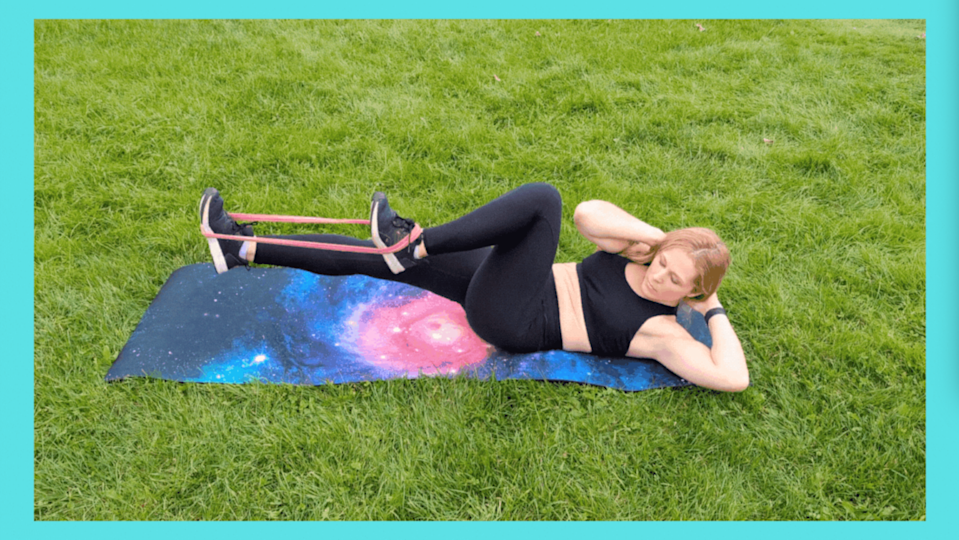
Adding a loop band to the classic bicycle crunch increases the demand on your core by forcing your abs and obliques to work against resistance as you extend each leg. This variation also keeps tension constant throughout the movement, so there’s no “resting” at any point in the rep.
Bicycle crunches train trunk rotation and flexion together, hitting the obliques and rectus abdominis in one efficient move. The band makes the exercise more challenging without adding impact or requiring extra equipment beyond a simple loop.
Work on getting the movement just right before adding the band’s resistance.
How to do it
-
Lie flat on your back and loop a resistance band around the arches of both feet to create tension.
-
Place your hands lightly behind your head, elbows pointing out to the sides. Rest your fingertips gently behind your head, keeping your fingers separated rather than interlaced.
-
Lift your shoulder blades a few inches off the ground and draw both knees toward your chest to establish the starting position.
-
Straighten one leg and push it forward against the band’s resistance while simultaneously rotating your upper body to bring the opposite elbow toward your bent knee. The band should create noticeable tension as your leg extends.
-
Switch sides in a smooth, controlled pedaling motion, extending the other leg while rotating toward the opposite bent knee. Keep your lower back pressed flat against the floor throughout the entire movement.
-
Move slowly and deliberately with control rather than rushing through repetitions. If you feel strain in your neck, focus your gaze on a point on the ceiling above you and avoid pulling on your head with your hands.
-
Complete 2 to 3 sets of 8 to 12 reps per side (counting one full bicycle on each side as one rep).
4. Modified candlestick
The modified candlestick is a powerful abdominal exercise that loads your rectus abdominis as it lengthens and stretches. By holding a stable anchor behind your head and controlling the descent of your legs and hips, you create intense tension throughout your entire core.
This exercise can be adapted from beginner to advanced levels, making it versatile for any training program. The critical component is the slow lowering phase — your abs are the only thing working against gravity as you descend, which creates significant muscle recruitment.
It’s important to control the downward phase of this ab exercise to get the most out of the movement.
How to do it
-
Lie on your back and reach behind you to grab something solid that won’t move, like the base of a heavy couch, the legs of a squat rack or the back of a secured workout bench.
-
For the beginner version, tuck your knees to your chest, then lift your hips up toward the ceiling. Lower your hips slowly, then lower your feet before extending your legs back out along the floor.
-
For a harder version, keep your legs straight throughout. Lift them up without bending your knees, lift your hips toward the ceiling, then lower everything back down with control, legs extended the whole time.
-
Emphasize the eccentric, or lowering, phase. Spend 3 to 4 seconds lowering your hips and legs back to the starting position. This controlled descent is where the work happens.
-
If you feel strain in your lower back, stick with the bent-knee version until you build more strength.
-
Perform 2 to 3 sets of 5 to 10 reps. Begin with the lower end of this range, as this movement can leave you surprisingly sore.
5. Hanging knee raise
Hanging knee raises target the lower portion of the rectus abdominis and challenge the whole trunk to stay tight while the legs move. They also build grip strength and shoulder stability.
“Core exercises like dead bugs and hanging variations train the muscles that keep you upright and help maintain great posture,” Costello says. As strength improves, you can progress from bent-knee to straighter-leg variations.
_(12)_4372.gif)
You want to keep your torso as stable as possible while performing this exercise — avoid swinging as you lift and lower your legs. (Rachel MacPherson)
How to do it
-
Hang from a pull-up bar with your hands spaced slightly wider than your shoulders, using an overhand grip. Allow your body to extend fully.
-
Activate your shoulder muscles by pulling your shoulder blades down gently, away from your ears. Maintain this active shoulder position instead of a limp hang.
-
Engage your abdominal muscles and draw your knees toward your chest. Concentrate on curling your pelvis and tucking your tailbone upward, rather than simply raising your legs from the hip joint.
-
Hold briefly at the top of the movement when your knees are near your chest, then control the descent as you lower your legs back to the hanging position. Keep everything smooth and controlled to prevent swinging or momentum from taking over.
-
If a full dead hang is beyond your current ability, modify by using a captain’s chair apparatus with forearm pads that support your upper body.
-
Finish the set when your hand grip weakens, your shoulders tire or your core loses the ability to keep your body stable without excessive swinging.
-
Aim for 2 to 3 sets of 6 to 12 reps.
What you need to maximize your core routine

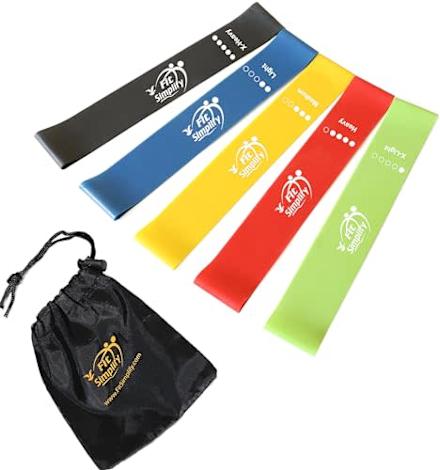
Fit Simplify
To add an extra challenge to exercises like bicycle crunches, resistance bands are hard to beat. This set of five bands costs less than $10 and allows you to gradually increase the difficulty of the movement as you gain strength.

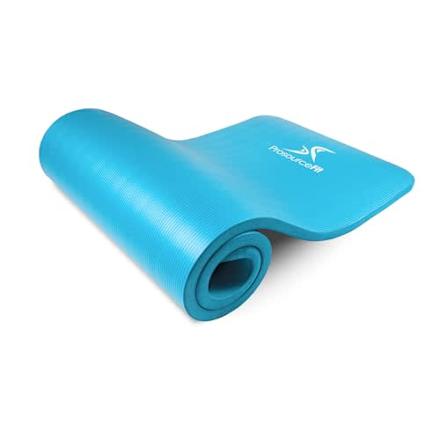
ProsourceFit
Many core exercises are performed on the floor, and whether you’re doing them prone (on your stomach), supine (on your back) or in a plank or tabletop position, you’re going to want some added cushioning to prevent unnecessary pain. This nicely-cushioned option from ProsourceFit is our “best budget” pick for exercise mats.
FAQs
What is the most effective core workout?
The best core workout challenges you and hits your muscles from every angle — front, sides and the deeper muscles that wrap around your spine. If you can do an exercise forever without getting tired, it won’t do much for muscle growth. “Planks, side planks, dead bugs and bird dogs will cover every muscle in your core,” says Costello. Once those feel manageable, build in harder variations that leave your muscles feeling shaky or tired by the last rep.
Is 20 minutes of abs a day enough?
Yes, 20 minutes of ab work is plenty. You don’t need marathon ab sessions. A focused 10 to 20-minute workout where you push yourself is far more effective than cruising through easy exercises for twice as long. Core muscles respond best to normal strength-training guidelines: work hard for a few sets, then recover. Muscles grow when you rest, so daily ab work isn’t necessary or even ideal.
Will 100 crunches a day give you abs?
Probably not. Doing the same easy movement every day stops working once your body adapts. To build muscle, you need to make exercises harder over time by adding weight or using a more challenging range of motion, not just by piling on more reps. Visible abs also depend on body fat levels. Even strong abs stay hidden if there’s enough fat covering them.
Do sit-ups burn belly fat?
Sit-ups and other core exercises do not directly burn belly fat. You can’t pick where your body burns fat. Sit-ups and crunches strengthen the muscles underneath, but they don’t melt the fat on top. Costello explains that fat loss comes from combining full-body strength training, increased daily activity and solid nutrition practices. Losing belly fat happens through whole-body calorie expenditure and healthy eating, not isolated ab exercises.
What is the best core exercise at home?
The dead bug is an excellent home core exercise, particularly for beginners, since it requires no equipment and minimal space. As covered above, in this movement, you’ll lie on your back with arms and legs elevated and slowly lower opposite limbs toward the floor. “Deadbugs are a beneficial exercise to strengthen the abdominal muscles and increase core strength,” says Frayna. She notes that they effectively train deep core muscles. The critical element is maintaining your lower back gently pressed into the floor, which protects your spine while still providing significant challenge for your abs.
If you’re looking for a way to progress deadbugs over time, consider working up to a hollow body hold.
Meet our experts
-
Kyle Costello, Ph.D., exercise science and performance coach in Raleigh, North Carolina.
-
Sandra Gail Frayna, founder of Hudson Premier PT, a physical therapy practice focused on helping people move with less pain and better function.
Our health content is for informational purposes only and is not intended as professional medical advice. Consult a medical professional on questions about your health.