

☰Cited 8 sources
The flights were booked. The hotel was paid for. So why does the bank statement look like a crime scene two weeks later? The answer is on this list: twenty tiny charges, from a $5 water bottle to a percentage fee on every coffee, that quietly eat a trip from the inside.
Seasoned travelers have learned to dodge almost all of them, and most of the dodges take less than a minute. Some of these costs hide in plain sight on a menu or a card machine. The sneakiest one, waiting at #1, is dressed up as a favor.
#20 – The Airport Meal Premium You Pay Before You Even Board
#20 – The Airport Meal Premium You Pay Before You Even Board (Image Credits: Image)
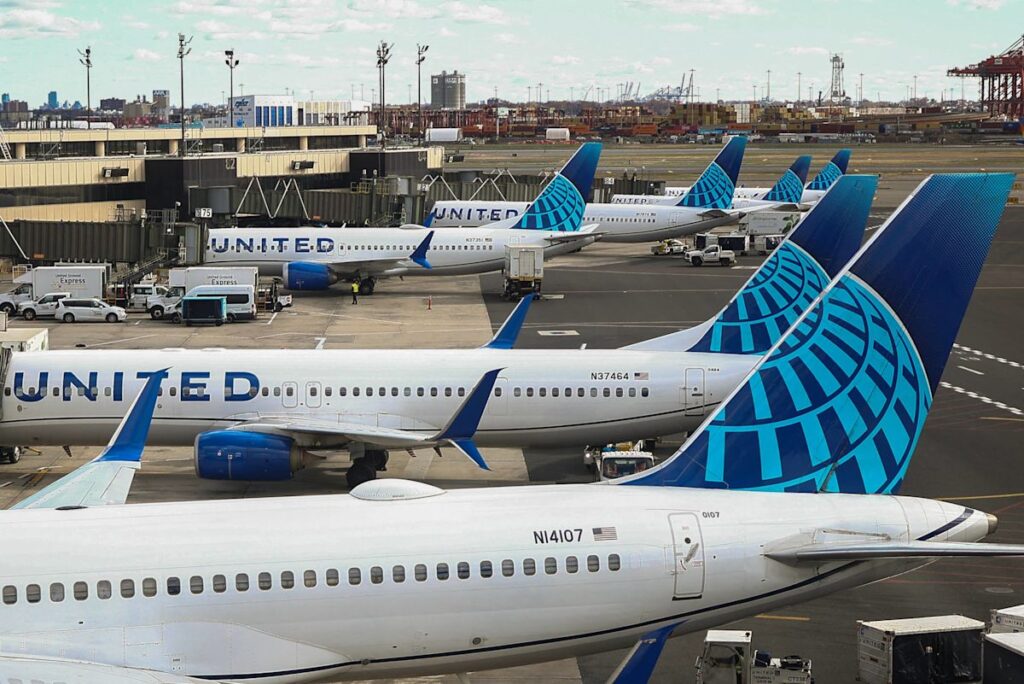
Airport food is where a “quick bite” turns into a mini mortgage payment. Captive audiences get captive pricing, and everyone in the terminal knows it. With a flight out, a flight home, and maybe a connection or two, those meals stack up fast.
Advertisement
Advertisement
Veteran travelers eat before they leave for the airport or tuck a sealed snack into their bag for the gate. Many also scout the food halls and bakeries near their arrival airport instead of grabbing the first sandwich they see. Their meal budget goes toward food they’ll remember, not a plastic-wrapped wrap they won’t.
Insider Tip: Solid snacks like nuts, bars, and dried fruit usually clear security fine. Liquids and spreads don’t, so check the TSA rules for your departure airport before packing.
#19 – The $5 Water Bottle That Could Have Been Free
#19 – The $5 Water Bottle That Could Have Been Free (Image Credits: Picture)
Buying bottled water at every stop is the most invisible habit on this list. One bottle feels harmless, almost too small to count. Fourteen days of them is a real line item.
Experienced travelers carry an empty reusable bottle through security, because TSA lets you bring an empty bottle and fill it on the other side.1 Many terminals have refill stations. The savings are small per day, but the habit follows them to every museum, train platform, and walking tour.
Advertisement
Advertisement
Fill up at the gate before boarding.
Ask for tap water at restaurants where it’s safe to drink.
#18 – The Minibar Math That Hotels Count On
#18 – The Minibar Math That Hotels Count On (Image Credits: Image)
The minibar is priced for people who are tired, thirsty, and not checking the menu. Many minibars also track removals with sensors, so picking something up to look at it can trigger a charge. That’s a miserable way to meet a $9 candy bar.
Veterans treat the minibar as décor. Some ask the front desk to empty it so they can use it as a fridge for groceries. A corner store run costs a fraction of the price and takes five minutes.
Did You Know: Some hotel minibars use motion or weight sensors. Moving an item to make room for your own can get you billed, so ask staff to clear it rather than rearranging yourself.
#17 – The Forgotten Essentials Tax at Resort Gift Shops
#17 – The Forgotten Essentials Tax at Resort Gift Shops (Image Credits: Accompanying image)
Left the charger at home? Out of sunscreen? Resort shops know you have no alternative at 9 p.m. Prices there tend to run well above what a regular pharmacy charges.
Advertisement
Advertisement
Veterans keep a small, permanent kit packed: universal adapter, spare cable, basic meds, travel-size toiletries. They’d rather overpack three cheap items than overpay for one in a tourist-zone shop. It’s boring advice, and it’s exactly why they never have a panicked hunt for a phone charger on day three.
#16 – Hotel Laundry Pricing Per Sock
#16 – Hotel Laundry Pricing Per Sock (Image Credits: Editorial photo)
Hotel laundry is often priced per item, so one bag of travel clothes can cost more than a decent dinner. People use it on day ten, when everything in the suitcase smells like a suitcase. Then the bill shows up.
Veterans pack for about a week and wash once. A sink wash with a travel soap packet and an overnight hang-dry handles most of it, and a self-service laundromat is cheaper still. Some also pick lodging with a washer for longer stays.
Try This: Choose quick-dry fabrics. They dry overnight on a hanger, which makes sink-washing realistic on a two-week trip.
#15 – The Café Table Surcharge Most Tourists Never Notice
#15 – The Café Table Surcharge Most Tourists Never Notice (Image Credits: Photo)
In parts of Europe, especially Italy, the same coffee can cost more at a table than standing at the counter. Tourists plop down, order, and pay the seated price without realizing there was a cheaper option a few feet away.2 3 It’s legal, it’s normal, and it’s usually written on the menu if you look.
Advertisement
Advertisement
Locals tend to knock back an espresso at the bar in thirty seconds. Veterans copy them and save the table for when they actually want to linger. Over fourteen days of daily coffees, that adds up to a small stack of euros.
Quick Compare
Standing at the bar: usually the lowest price, and it’s how most locals do it.
Sitting inside: often costs more than the bar, but you get a seat and some calm.
Outdoor table with a view: often the highest price, because you’re paying for the scenery.
#14 – The Cover Charge Hiding on the Restaurant Bill
#14 – The Cover Charge Hiding on the Restaurant Bill (Image Credits: Picture)
Some restaurants add a per-person charge for table service, bread, or place settings. In Italy it’s often called “coperto.”2 Travelers spot it on the check and assume they were scammed.
Often they weren’t. It’s a normal charge in some countries, and it should be listed on the menu.4 Veterans glance at the fine print before sitting down, and they skip the places that make it hard to find.
Advertisement
Advertisement
Why It Works: Checking the menu’s small print first turns a surprise into a decision. You can still pay the charge, but now you’ve chosen it.
#13 – The Hotel Breakfast Add-On That Isn’t Worth It
#13 – The Hotel Breakfast Add-On That Isn’t Worth It (Image Credits: Editorial photo)
Here’s a take that annoys a lot of people: many veterans say the hotel breakfast add-on is one of the least cost-effective upgrades in travel. It’s convenient, and that’s the entire pitch. You pay for the buffet whether you eat enough to justify it or not.
Skeptics point out that a local bakery usually costs less and tastes better, and it’s often the best-reviewed spot within a couple of blocks. Others disagree, especially with kids in tow or an early tour waiting. It’s a fair fight, but the veterans are rarely the ones standing in the buffet line.
#12 – The Airport Taxi You Didn’t Need
#12 – The Airport Taxi You Didn’t Need (Image Credits: Editorial photo)
The curb outside arrivals is where tired travelers pay the most for the shortest ride. Fixed-fare taxis, rideshare surges, and “helpful” drivers all count on you being jet-lagged. It’s the first spending decision of the trip, and it sets the tone.
Advertisement
Advertisement
Veterans look up the airport train, bus, or metro before takeoff. In many cities, public transit from the airport costs a small fraction of a cab. If a taxi is the only option, they confirm the price before the doors close.
The Psychology Behind This: Fatigue makes the easiest option feel like the only option. Deciding on transport before you fly removes the choice from the moment you’re least able to make it.
#11 – Rental Car Extras That Quietly Multiply
#11 – Rental Car Extras That Quietly Multiply (Image Credits: Editorial photo)
Prepaid fuel plans, toll transponders, and GPS add-ons are classic counter upsells. Each one looks minor next to the daily rate, which is the whole point. Stacked together over fourteen days, they can add a surprising amount.
Veterans typically decline prepaid fuel unless they’re sure they’ll return the tank nearly empty. A phone with offline maps usually replaces the paid GPS. For tolls, they check whether the transponder carries a daily rental fee on top of the toll itself.
Worth Knowing
Prepaid fuel only pays off if you really do return the tank close to empty.
Refilling at a station near the drop-off point is often the cheaper route.
Download offline maps while you still have Wi-Fi.
Ask whether the toll device has a daily fee, even on days you don’t drive through a toll.
#10 – The Seat Selection Fee for Sitting Next to Your Own Family
#10 – The Seat Selection Fee for Sitting Next to Your Own Family (Image Credits: Image)
Many airlines now charge extra to choose where you sit, and the price can range from a modest add-on to well over $100 per flight depending on the airline and route. On a two-week trip with connections, those segments multiply. Suddenly the cheap fare isn’t so cheap.
Advertisement
Advertisement
Veterans wait for free seat assignment at check-in when they can. Many say they’d happily take a middle seat to keep the money. Families may feel differently, and that’s exactly the pressure the fee is built on.
By The Numbers: A $25 seat fee on four flight segments is $100 for a single traveler. Multiply by everyone in your group and it becomes a real line item.
#9 – Cleaning and Parking Fees Tacked On After Booking
#9 – Cleaning and Parking Fees Tacked On After Booking (Image Credits: Image)
You booked the nightly rate, but the final total looks different. Cleaning fees are best known from vacation rentals, and some hotels charge for parking separately. Both can change how good a deal really is.
Veterans compare the all-in price at the final checkout screen, not the headline rate. A cheaper nightly rate can lose to a slightly pricier room with no add-ons. They also ask about parking before they commit, not after the car is already in the garage.
#8 – The Currency Kiosk With the Friendly Smile and the Worse Rate
#8 – The Currency Kiosk With the Friendly Smile and the Worse Rate (Image Credits: Photo)
Exchange kiosks in tourist zones and airports are convenient, and they usually price that convenience into the rate. The sign might say “no commission,” but the exchange rate itself can carry the markup. It looks harmless until you compare it with the real rate.
Advertisement
Advertisement
Veterans skip these booths and use a bank-owned ATM in the destination country. Travel experts commonly point to a fee-free debit card, withdrawing in local currency, as one of the cheapest routes to foreign cash. If they need money on landing, they pull a small amount and move on.
The Psychology Behind This: “No commission” sounds like “no cost.” Our brains hear zero fee, so we stop checking the exchange rate itself.
#7 – The Resort Fee That Costs More Than the Pool Is Worth
#7 – The Resort Fee That Costs More Than the Pool Is Worth (Image Credits: Picture)
Resort fees are mandatory daily charges that often aren’t included in the advertised room rate.5 They commonly run $25 to $50 per night. Guests typically pay even if they never touch the amenities.
Over fourteen nights, a $35 fee becomes $490 for things you may never use. Veterans read the fine print, call the hotel to ask what’s mandatory, and favor properties that show the total price upfront. Some argue that any hotel hiding the fee isn’t worth booking at all.
Advertisement
Advertisement
Search for total price, including fees.
Call the hotel and ask what’s mandatory.
#6 – The Roaming Bill That Arrives After You’re Home
#6 – The Roaming Bill That Arrives After You’re Home (Image Credits: Image)
Using your phone abroad without a plan can quietly rack up charges. Cellphone roaming, and even cruise-ship connectivity, can make travelers pay a lot just to stay online. The bill often lands weeks later, when it’s too late to change anything.
Veterans check their carrier’s international plan before leaving. Many switch to a local or eSIM data plan and lean on Wi-Fi. They also turn off background data and auto-updates before crossing a border.
Insider Tip: Set up your eSIM or international plan before you leave, while you still have reliable Wi-Fi. Fixing it from a foreign airport is how people end up on the expensive default.
#5 – The Bag Fee That Changes Depending on When You Pay
#5 – The Bag Fee That Changes Depending on When You Pay (Image Credits: Accompanying image)
The same suitcase can cost different amounts depending on when you pay for it. At many budget airlines, the price climbs as departure gets closer, with the highest rate waiting at the airport counter or gate. Same bag, same flight, wildly different price.
Veterans decide before they book. They pack a carry-on that fits the airline’s rules, or they prepay the bag online instead of waiting for the airport. Some also use airline cards that include a free checked bag, which can add up fast for a family.
Why It Works: Airlines price baggage like a deadline. The closer you get to departure, the more leverage they have, so the cheapest moment is always the earliest one.
#4 – The Flat ATM Fee You Pay Every Single Time
#4 – The Flat ATM Fee You Pay Every Single Time (Image Credits: Image)
Pulling out small amounts feels responsible. In practice, each withdrawal can carry its own fee. Many banks charge a flat few dollars every time you use a foreign ATM, and the local machine may add its own on top.
Ten small withdrawals can mean ten separate charges. Veterans take out larger amounts less often and use accounts that reimburse ATM costs. They keep the extra cash in a safe spot at the hotel and carry only what they need for the day.
At a Glance
Two fees can stack: one from your bank and one from the ATM operator.
Fewer, larger withdrawals mean fewer flat fees.
Ask your bank before departure whether it reimburses foreign ATM charges.
Carry a backup card in a different spot than your main one.
#3 – The Independent ATM Parked Right Where Tourists Walk
#3 – The Independent ATM Parked Right Where Tourists Walk (Image Credits: Photo)
Not all ATMs are equal. Standalone machines run by independent companies such as Travelex, Euronet, and Cardpoint are common in airports, convenience stores, and tourist areas. They’re known for high operator fees and for pushing currency conversion on you.
Veterans look for ATMs attached to real bank branches. A two-minute walk to a bank door can save a surprising amount, and the machine is usually less pushy about “helping” with conversion. Airport cash is often the worst-priced cash on the whole trip.
Try This: Before you leave, check your bank’s app or website for partner ATMs abroad. Some banks have partnerships with overseas chains that waive fees.
#2 – The Foreign Transaction Fee on Every Coffee, Ticket, and Taxi
#2 – The Foreign Transaction Fee on Every Coffee, Ticket, and Taxi (Image Credits: Editorial photo)
Foreign transaction fees are generally 1% to 3% of each purchase.6 Because they hit every swipe, the small buys count too. On $1,000 of spending, that’s $10 to $30 gone, depending on the card.
The fix is almost embarrassing. Veterans simply carry a card that charges no foreign transaction fee, and they check the card agreement before they leave. They also apply early, since the card has to arrive and be activated before the trip.
Fast Facts
Your card issuer sets the fee, not the shop or the restaurant.
It usually shows up as its own line on your statement, so it’s easy to miss.
At a 3% fee, $3,000 in trip spending costs about $90 extra.
Many travel-focused cards waive it entirely, so the card agreement is worth a two-minute read.
#1 – The “Pay in Dollars?” Prompt That Feels Like a Favor
#1 – The “Pay in Dollars?” Prompt That Feels Like a Favor (Image Credits: Photo)
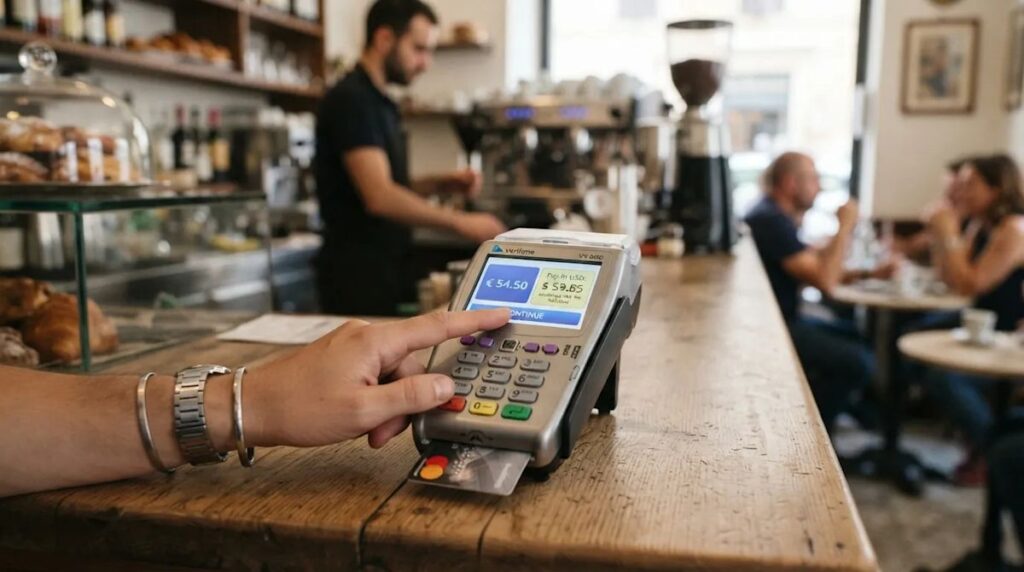
The card terminal asks if you’d like to pay in your home currency. It sounds friendly, even helpful. It’s called dynamic currency conversion, and it usually comes with a worse exchange rate than letting your card issuer convert, often costing several percent more.7
Sources vary on the exact markup, but they agree on the answer: choose local currency. At a rough 3% to 7% markup, $3,000 in card spending on a two-week trip could mean about $90 to $210 in needless fees. Veterans decline it every time, including at ATMs where the wording can be deliberately confusing. Rick Steves advises that if an ATM offers to “lock in” a rate, you should choose to continue without conversion.8
None of these costs feels big on its own, which is exactly why they work. The expensive part of a trip isn’t always the souvenir or the splurge dinner. It’s the quiet percentages, the airport markups, and the “helpful” prompts that most travelers say yes to without thinking.
Veterans don’t travel cheaper by giving up the fun. They just stop paying for convenience they never asked for.
Sources:
Source link