

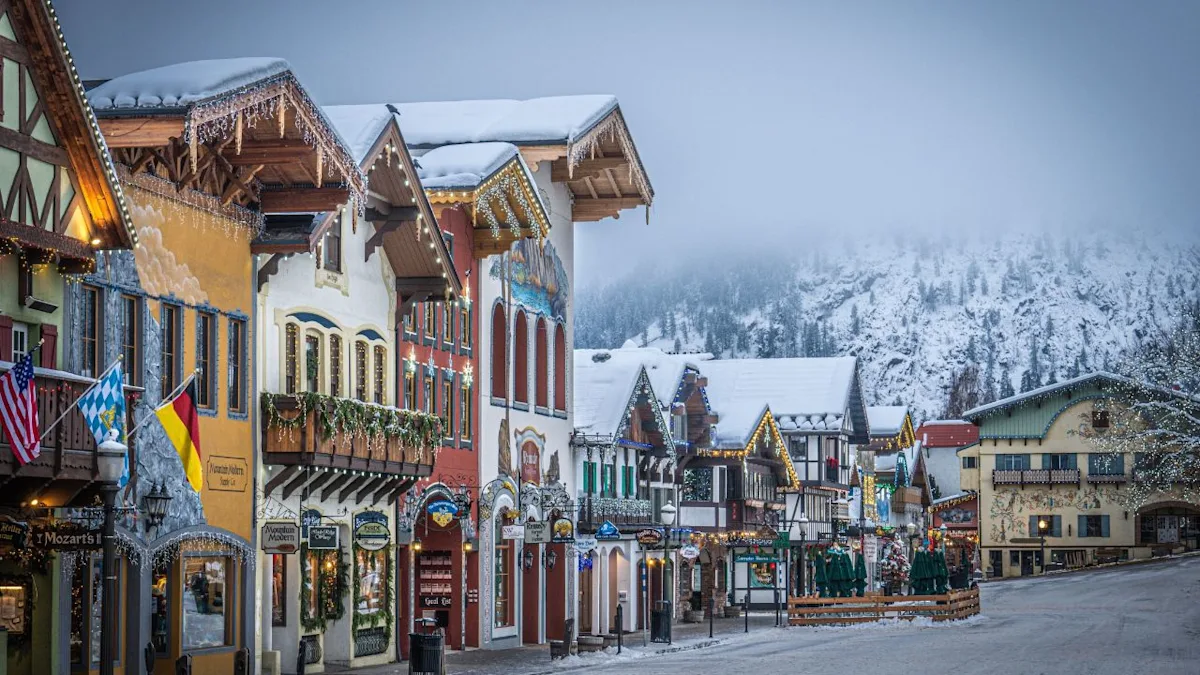
Portland and Seattle have spent decades defining the Pacific Northwest aesthetic: indie coffee houses, moss-coated forests, gray skies that feel poetic, and craft beer culture that tourists can’t wait to Instagram. But what most travelers miss is the region beyond those two cities, small towns that quietly outdo them in scenery, food, breweries, hiking, coastline, and personality.
These are places with fewer crowds, cheaper lodging, and far more genuine interaction with locals who don’t see you as just another weekend escapee with a latte and rain jacket. Here, the forests feel deeper, the beaches feel emptier, and the mountains feel so close you’ll swear you can reach out and brush snow off their peaks.
What makes these towns better isn’t just scenery, its identity. They’ve retained character while Portland went corporate-quirky and Seattle went tech-polished. The coffee shops are run by humans who roast beans themselves instead of layering the space in curated neon. The breweries are still experiments, not branded empires, and the landscapes? They aren’t filtered through drones and influencer edits. They are rugged, imperfect, wild, sometimes rainy, and always stunning. If you want the real Pacific Northwest, this is where you go and where you stay.
Bend, Oregon
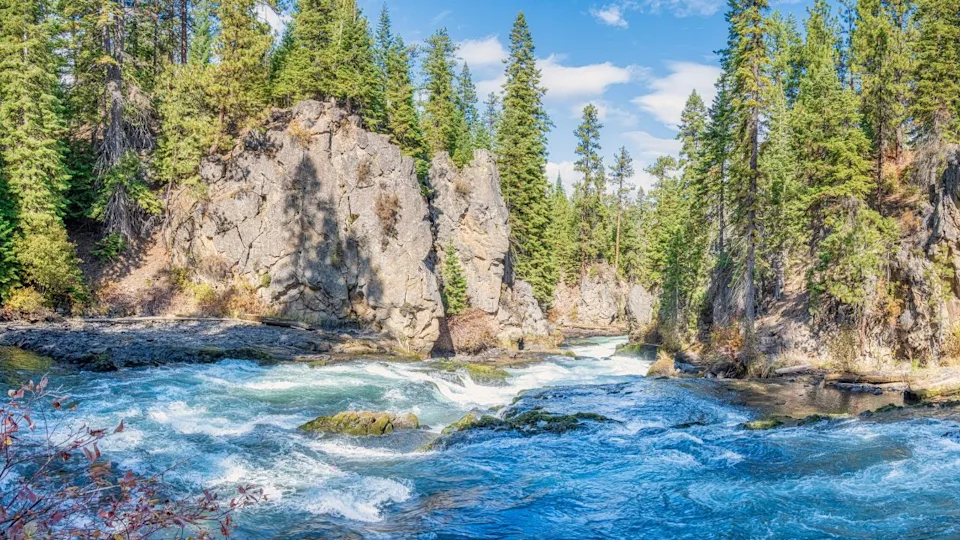
Image Credit : Shutterstock.
Bend has everything people think Portland offers but in purer, more accessible form, mountain air, pine forests, indie culture, and more trailheads than city blocks. The Deschutes River runs right through town, turning ordinary walks into postcard scenes with kayakers gliding quietly past fishermen in waders.
The craft beer scene is just as obsessive as Portland’s, but less pretentious, and the food scene has matured into a magnet for chefs who want creativity without urban burnout. Beyond the breweries and taprooms, the coffeehouses here are unapologetically local, no chains, no clean branding aesthetic that feels like an airport lounge, just the smell of beans roasted earlier that morning.
The outdoor appeal is what truly sets Bend apart. Within minutes, you’re climbing volcanic buttes, hiking alpine lakes, snowshoeing fresh powder on Mount Bachelor, or mountain biking trails that coil through pine forests still carrying traces of yesterday’s dew. It’s adventure without crowds, nature without waitlists, trails without weekend parking chaos. Locals hike before work, paddleboard at lunch, and toast with beers brewed from water that literally flowed out of mountain springs hours earlier.
Unlike Portland’s irony-first identity, Bend feels earnest. People will talk to you because they want to, not because they’re performing friendliness. Bars aren’t curated to impress Instagram, they’re cozy because they have to be. Whether you’re sipping a hazy IPA, breathing in the scent of juniper after rain, or staring at the stars that feel almost too bright for this earth, Bend insists you soften, slow down, and actually feel the Pacific Northwest instead of scrolling through it.
Bellingham, Washington
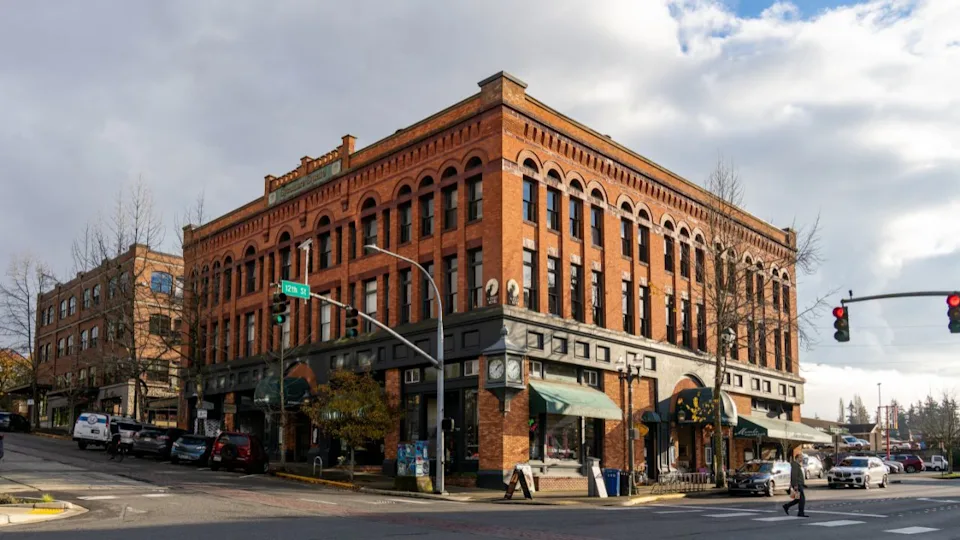
Image Credit : Shutterstock.
Bellingham is what Seattle once was, soulful, salty-aired, waterfront-loving, and stubbornly local. The harbor is the town’s beating heart, with ferry horns echoing off rugged shoreline that smells like cedar, oyster shells, and low-tide mist. Downtown is a maze of indie record shops, bookstores stuffed with locals who’ve read everything twice, and bars that serve beer brewed less than a mile away. Unlike Seattle, this is a city without polished tech polish, it’s unfiltered and textured with fishermen, students, long-time artisans, and musicians who play because they love it, not because they hope to go viral.
The hiking culture here is fierce and sacred. Locals retreat to the Chuckanut Mountains like they’re returning to a childhood bedroom, forest trails dropping into secluded coves, lookouts shaped by glaciers, and ocean views that turn gold at sunset in a way no photographer can quite capture. Kayakers launch directly from pebbled beaches, paddleboarders drift past cliffs carpeted with moss so green it almost looks artificial, and eagles circle overhead as if guarding the whole scene. Nature here isn’t curated, it’s raw, breathing, and close enough to taste in the salt air.
Evenings in Bellingham move slowly. Breweries fill with laughter that carries past midnight without volume-restriction signs taped to windows. Bands set up in dim corners of alehouses and play folk riffs that feel older than the state itself. Locals nod in recognition when you enter, not because they know you, but because they know anyone who made it this far north is searching for something quieter, realer, and more weather-worn than what Seattle became.
Hood River, Oregon
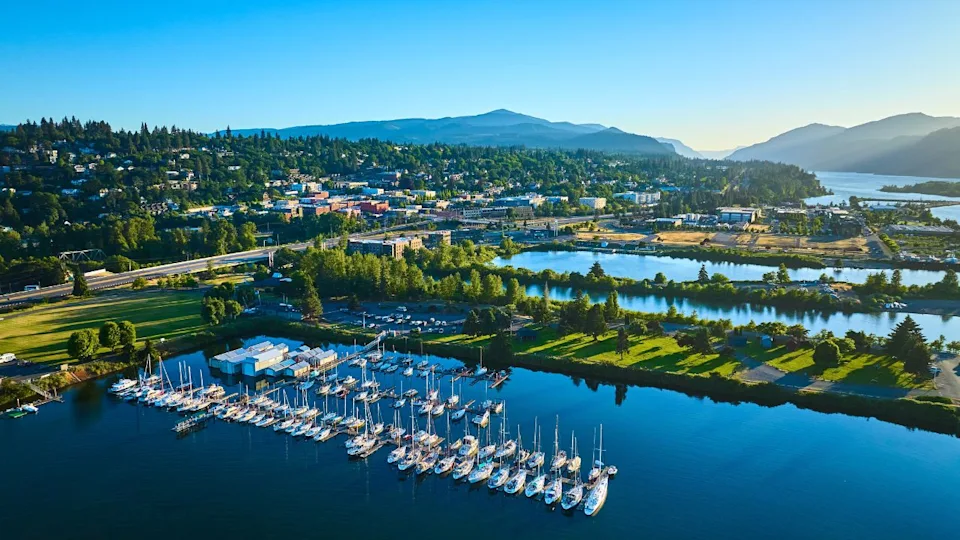
Image Credit:Shutterstock.
Hood River is where mountain wind shapes daily life, literally. Kiteboarders and windsurfers from all over the world ride the Columbia River’s gusts like wild choreography, turning the water into a stadium of color and motion. Cafés overlook the gorge, serving pastries flakier than Portland’s and coffee roasted by people who actually know the farmers. The view is so cinematic that even locals still pause mid-conversation when clouds crawl across Mount Hood like they’re painting it in real time.
Adventure is threaded through every hour here. Mornings start with hikes on wildflower-lined trails that overlook the river in full shine, afternoons drift between breweries and cider houses, and evenings glow with sunset pouring over basalt cliffs. This isn’t performative “outdoor culture,” it’s identity. Gear shops exist not as lifestyle props but because people actually need them to survive winds that shove your car door closed if you’re not paying attention.
Hood River’s charm is its intimacy. Nothing feels mass-produced or trend-chasing. Cider makers talk to you like old neighbors, chefs serve meals built from farms you passed on your way into town, and small-batch breweries give you pints with stories attached, hops grown by someone’s cousin, orchard pears picked the day before. Compared to Portland, Hood River feels elemental: less irony, more wind, more river, more earth.
Leavenworth, Washington
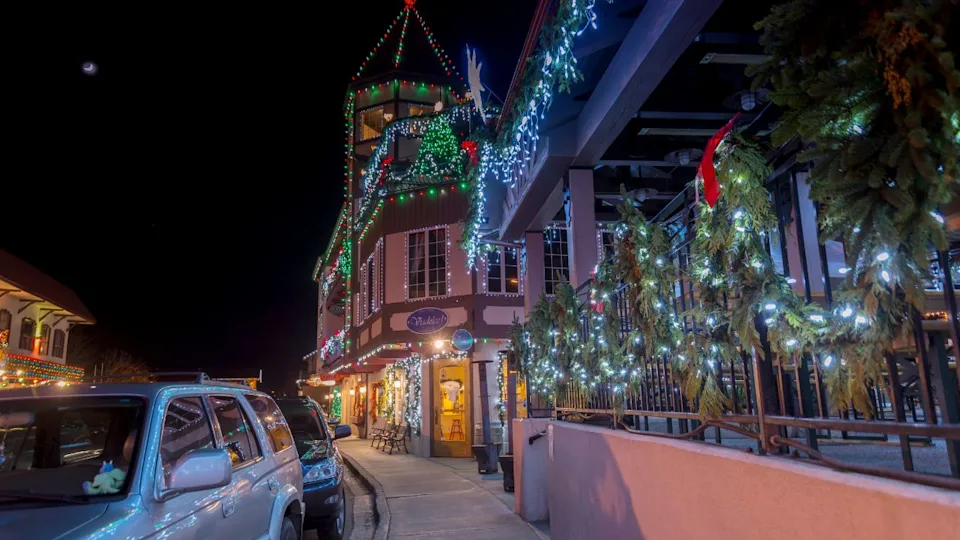
Image Credit: Shutterstock.
Leavenworth shouldn’t work, a Bavarian village tucked under alpine cliffs like a misplaced European postcard, but somehow it does. The streets smell like pretzels, pine, snow, and bratwurst, and you half-expect to hear accordion music echoing off the peaks. While Seattle rushes through deadlines and tech commutes, Leavenworth moves at a festival pace, seasonal, warm, candlelit, and cozy even under heavy winter snow. Yes, it’s themed, but the mountains behind it are not décor, they are enormous, white-capped, and humbling.
Outdoor adventure fuels the authenticity beneath the kitsch. Winter brings sleigh rides through snow-coated forests and ski-runs that feel carved from silent peaks. Summer opens into wildflower valleys, icy rivers perfect for tubing, and hikes that feel almost European in their switchbacks and scenery. Evenings end with steins raised in mural-painted beer halls where tourists and locals blend into a single, cheerful blur.
What makes Leavenworth beat Seattle isn’t the Bavarian branding, it’s the commitment to joy. While big cities chase minimalism and glossy cool, Leavenworth leans into warmth: twinkle lights, wooden balconies, carved signs, and bakery windows fogged from fresh loaves. It feels like a storybook, but one that happens to sit in one of the most striking mountain ranges in America.
Ashland, Oregon
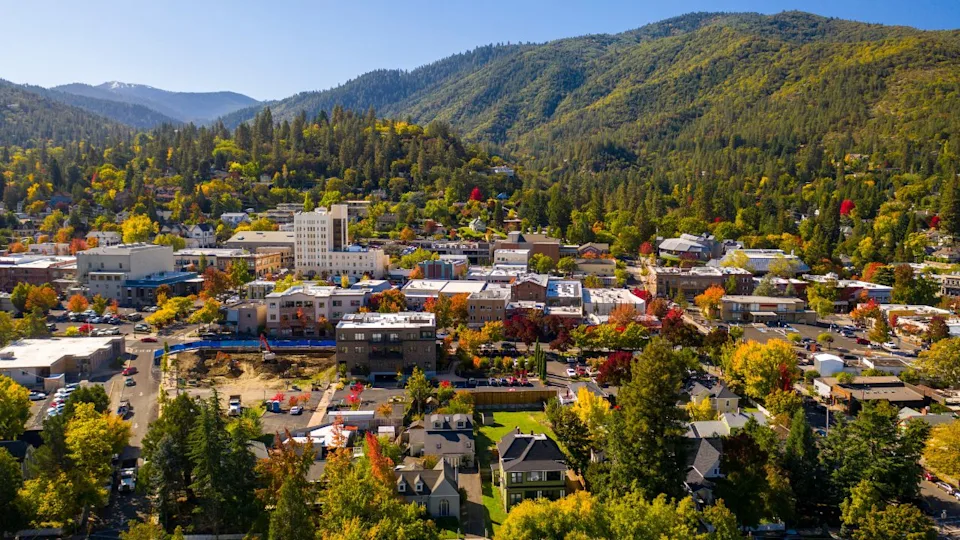
Image Credit : Shutterstock.
Ashland isn’t just a theater town, it’s a full-body cultural experience wrapped in mountain air and Southern Oregon quiet. The Oregon Shakespeare Festival gives it international credibility, but what surprises travelers isn’t the prestige of staged productions, it’s how deeply art seeps into daily life.
Even cafés feel curated by playwrights, bookstore shelves lean under the weight of centuries of literature, and bar conversations slip into passionate debates over costumes, lines, and character arcs. Unlike Portland’s self-conscious indie scene, Ashland’s creativity feels lived-in and tender, born out of a genuine love for stories, not trend.
Beyond the velvet curtains and auditorium seats, Ashland is framed by hills that burn gold in summer and emerald in spring. Hikers move from matinee shows straight into evening treks along pine-scented trails, and mountain bikers return to town with dust on their calves and tickets to a 7:30 performance in their pockets. Lithia Park, sprawling and lush, feels like a moss-draped amphitheater: creeks murmuring, trees bending, sunlight breaking through like stage lighting. Everything in Ashland, indoors or out, feels like performance with heart.
Nights stretch long in wine bars and back-alley breweries where strangers fall into conversations that get too honest in the best way, about art, love, travel, and why Oregon feels different when you venture south. Ashland nurtures softness. Locals talk without hurry, servers remember your name, and actors sit beside you at barstools with no ego, just relief that they’ve performed something meaningful. Where Portland overwhelms with identity branding, Ashland whispers its soul quietly, and that is what makes travelers stay longer than planned.
Olympia, Washington
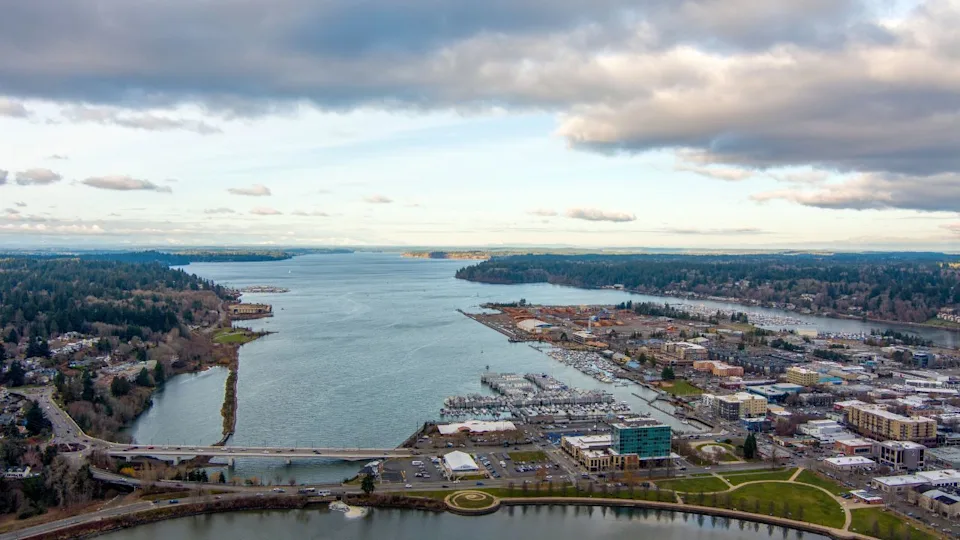
Image Credit : Shutterstock.
Olympia gets dismissed because it sits in Seattle’s shadow and politicians walk its marble halls, but the city’s real life happens blocks away from government buildings, in coffeehouses smelling of cardamom and wet leaves. Packed with artists, environmentalists, independent publishers, and musicians who refuse to conform to the polished Pacific Northwest aesthetic, Olympia hums with the kind of old-school creativity Seattle abandoned when tech companies took over. Zines still move between hands, vinyl shops still matter, and muralists paint alley walls without needing a sponsor.
Water defines Olympia’s core. Percival Landing opens into a marina dotted with sailboats, kayaks, and restless gulls. At low tide, the air tastes like salt and cedar, like shoreline memory. Locals spend afternoons wandering the boardwalk with cups of perfectly bitter coffee, leaning on railings to watch sunset stain the harbor pink and copper. Weekend markets line the waterfront: heirloom tomatoes, wild honey, oyster mushrooms, and hand-dyed wool sold with genuine pride instead of curated artisanal branding.
Olympia is the Pacific Northwest before it went ironic, earnest, passionate, a little disheveled, and endlessly welcoming. Music spills from dive bars where bands still play for the joy of noise, not Spotify analytics. Breweries serve flights without neon signage or influencer walls. And conversations flow easily, like rain in March: steady, cleansing, and real. If Portland is the capital of style and Seattle is the capital of industry, Olympia remains the capital of heart.
Astoria, Oregon
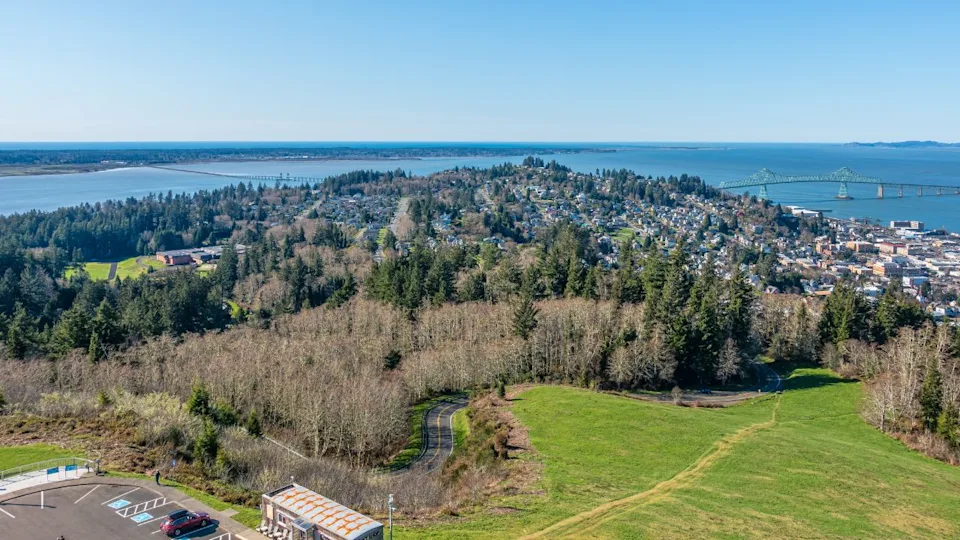
Image Credit:Shutterstock.
Astoria smells like sea salt, ship diesel, and rain-soaked timber, a scent as honest as the town itself. Perched at the mouth of the Columbia River, it feels like an old maritime captain who never learned how to retire: weather-beaten, stubborn, and endlessly storied. Fishing boats bob at docks beneath mist that hugs everything like a faded wool coat, and Victorian houses climb hills like spectators watching the tides change moods. Astoria doesn’t chase travel trends; it simply continues being itself, and travelers hungry for authenticity come quietly, grateful.
The river rules life here. You feel its history in the cannery ruins, hear it in gull calls, and see it in the faces of fishermen who’ve worked these waters for decades. When fog drapes the town, the bridge to Washington becomes a ghostly silhouette floating above silver currents. Even the breweries feel nautical, woodgrain walls, maritime maps, sour ales that taste like coastal wind. Locals gather not in curated taprooms but in weathered taverns where the bartender knows half the room by name and the other half by boat.
Astoria’s slowness is not stagnation but steadiness. Travelers come for a weekend and end up lingering, not because there are endless activities, but because the town offers permission to breathe differently. Walks stretch along riverfront trails, antique shops turn into time machines, and sunsets burn orange against fog like a lantern refusing to die. Portland will give you options; Astoria will give you space.
Coeur d’Alene, Idaho
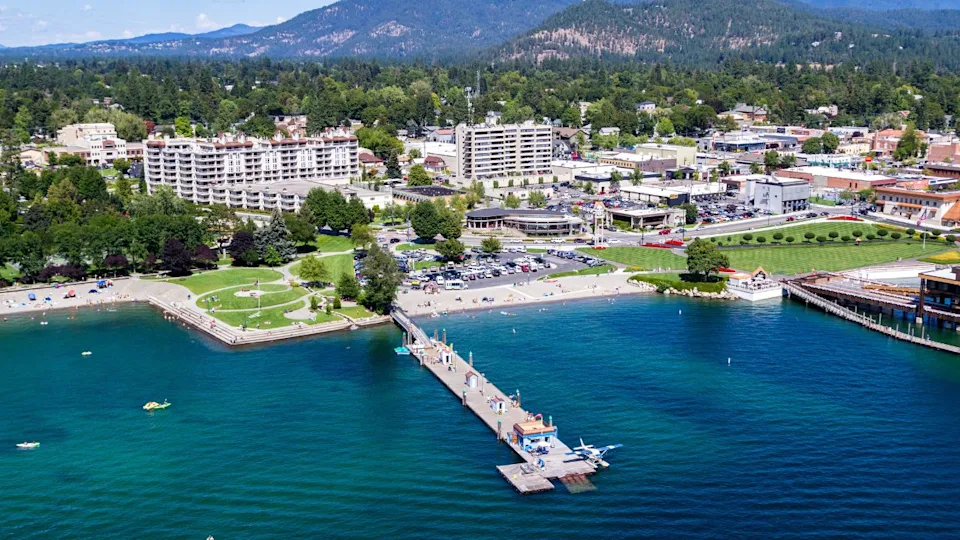
Image Credit: Shutterstock.
Coeur d’Alene is technically inland, yet it feels like a coastal resort reincarnated in pine forests. The lake is impossibly blue, so clear it mirrors sky and fir trees perfectly, and mornings smell like cold water, cedar bark, and mountain breeze. Where Seattle crowds its waterfront with corporate buildings and cranes, Coeur d’Alene leaves its shoreline open to families swimming, kayakers gliding into quiet coves, and early risers sipping coffee on docks that creak with age and gentleness. The lake doesn’t perform, it invites.
Outdoor life here isn’t optional; it’s rhythm. Summer brings paddleboarding, sailing, forest-lined beaches, and bike trails that coil around hills like scenic ribbons. Winter replaces swimsuits with wool scarves as cross-country skiers sweep across frozen shorelines and hot chocolate becomes a daily ritual. Visitors come expecting postcard prettiness and leave stunned by how deeply calm the landscape feels, like therapy without the small talk.
What truly sets Coeur d’Alene apart is its kindness. Locals greet strangers like neighbors, restaurants serve comfort food without culinary ego, and small shops sell handmade crafts because someone actually made them, not because a brand demands it. This is a town where conversations start without reason, where lakeside sunsets dissolve worry, and where the Pacific Northwest’s mythic quiet finally feels reachable. Portland may be weird and Seattle may be slick, but Coeur d’Alene is gentle, and that’s rarer.
Eugene, Oregon
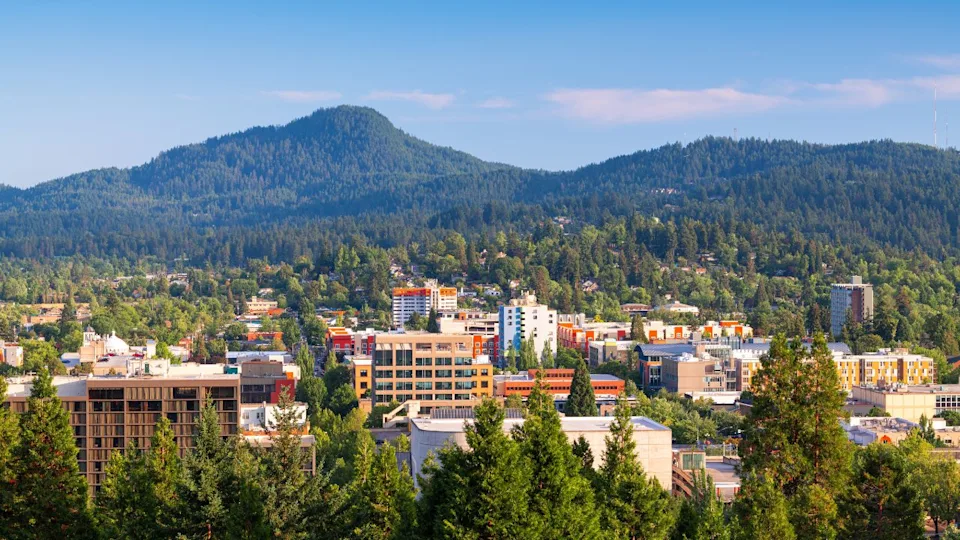
Image Credit:Shutterstock.
Eugene has grit, intellect, and creativity woven into its DNA. Home to the University of Oregon, the town thrums with youthful rebellion and academic curiosity, a mix that gives it energy without the corporate slickness creeping through bigger cities. Sidewalk cafés fill with students debating philosophy, artists sketching strangers, and cyclists leaning bikes against railings like badges of pride. The town loves bicycles so much that riding here feels less like commuting and more like participating in a cultural ritual. Eugene isn’t polished, it’s real, expressive, and unapologetically odd.
What sets Eugene apart is how nature integrates seamlessly into life. The Willamette River winds through town like a constant invitation, with lush green parks stretching along its banks and bridges that offer sweeping views of rippling water and draping willow trees. Morning joggers run quiet routes under canopies of moss-covered oaks, and weekends are reserved for long forest hikes where mushrooms glisten like ornaments after rain. The city sits right at the border between urban curiosity and Pacific Northwest wilderness, a place where you can attend an art show in the afternoon and watch stars from a silent forest ridge after dinner.
Eugene breathes creativity. Breweries here experiment boldly, kombucha sours, lavender pilsners, cedar-aged ales, and food trucks rotate menus based on hyper-local produce and foraged ingredients. Nights end softly: street guitarists playing folk riffs, outdoor markets glowing with string lights, and locals chatting about sustainability, books, or trail conditions. Eugene doesn’t try to impress; it simply exists as a haven for thinkers, dreamers, and nature lovers who want a kinder alternative to Portland’s scene.
Tacoma, Washington
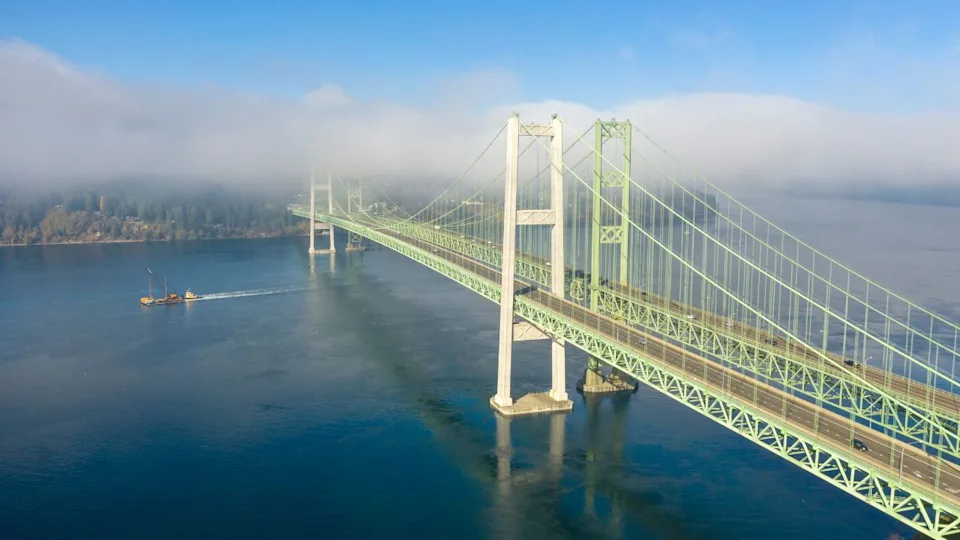
Image Credit:Shutterstock.
Tacoma used to be Seattle’s overlooked neighbor, industrial, rough-edged, and overshadowed by its glamorous northern counterpart. The city has reinvented itself without losing its character. Old warehouses now house artisan studios, small-batch breweries, and restaurants passionate about regional produce instead of trends. The Museum of Glass and Chihuly Bridge of Glass give Tacoma a sophisticated aesthetic edge, but unlike Seattle’s curated skyline, Tacoma’s beauty feels industrial and raw, smoke stacks, brick buildings, cranes, and waterfront rail lines softened by the blue shimmer of Puget Sound.
The outdoors in Tacoma are an extension of identity, not an accessory. Point Defiance Park, massive, wild, forested, feels more like a national park than a city oasis. Trails dip through cedar and fir forests before opening onto beaches with driftwood bleached by decades of tide and sun. Seals pop their heads above the water as if greeting regulars, and ferries glide across the horizon like slow-moving punctuation marks. The city breathes salt air and evergreen resin, a scent impossible to replicate indoors.
Tacoma has a quieter confidence than Seattle. It’s a city where bartenders remember your drink by the second visit and where longshoremen and young artists share the same beer hall without awkward divisions. Music venues host indie bands and gritty rock instead of expensive stadium tours. Even the nightlife feels more democratic, less VIP booth culture, more community table soul. Tacoma isn’t trying to compete with Seattle; it has already become the cooler, more grounded sibling.
Sandpoint, Idaho
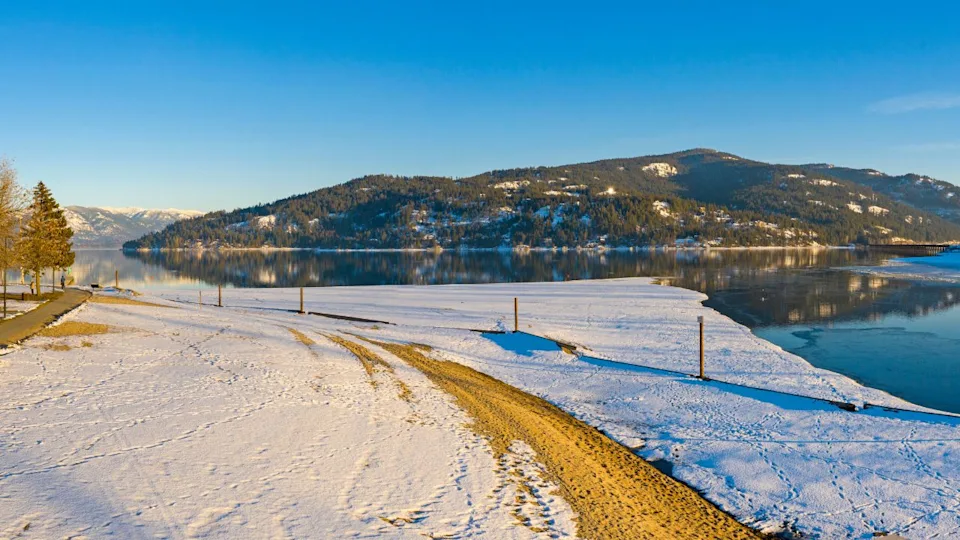
Image Credit:Shutterstock.
Sandpoint feels like a postcard someone accidentally made real. Lake Pend Oreille stretches out in deep blue serenity, framed by mountains that glow rose-gold at sunset and pure silver under winter snow. The town sits against the water with quiet confidence, not flashy, not frantic, just beautifully balanced between wilderness and warmth. Travelers expecting something sleepy quickly discover a town full of cafés roasting beans locally, bakeries perfumed with sourdough and cinnamon, and shops selling handmade goods instead of mass-produced souvenirs.
Nature rules here. Summer is for boating, kayaking, SUP gliding into coves where water turns crystal clear, and hiking trails that open to panoramic views so stunning they feel impossible without filters, except they require none. Winter transforms Sandpoint into a snow-lover’s paradise with Schweitzer Mountain towering above town, offering powder that rivals world-known ski resorts without the lift lines or luxury posturing. Locals ski in the morning, grab coffee by firelight mid-day, and gather in lodges as snow falls thick and silent outside.
What Sandpoint offers, better than Portland or Seattle, is peace. Nights are quiet but not lonely, filled with small-batch cider houses, live acoustic performances, and conversations so genuine they stretch hours past closing time. There’s no rush here, no pressure to perform or appear interesting. The town assumes you already are. Sandpoint may be small, but emotionally, it feels vast, a place where your nervous system finally drops its shoulders.
Walla Walla, Washington
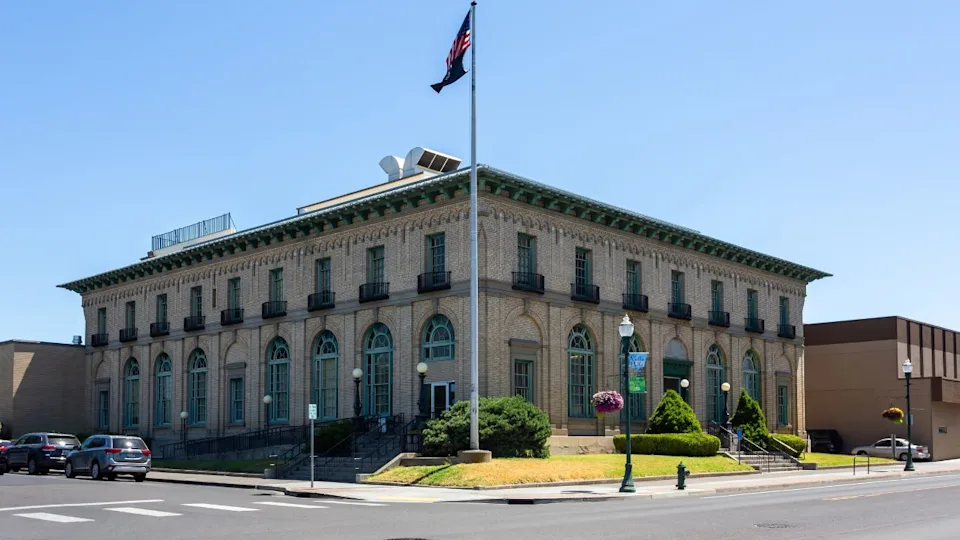
Image Credit : Shutterstock.
Walla Walla is wine country, not pretentious Napa-style wine culture, but warm, approachable, deeply local hospitality. Vineyards roll across golden hills like gentle ocean waves, and tasting rooms line sidewalks beside indie boutiques, local cheese shops, and cozy restaurants serving farm-to-table meals that feel both refined and homegrown. The town smells like earth, oak barrels, and summer grass, a scent that signals a slower pace, where conversation isn’t rushed because great wine demands time.
Days here unfold in layers: vineyard tours under warm breeze, lazy lunches overlooking sunlit vines, and drives through farmland where the horizon stretches without interruption. Afternoons may shift to art galleries or slow walks through the historic downtown, where architecture still whispers old West charm softened by modern creativity. Locals greet visitors like long-lost cousins, warm, playful, and eager to share their region’s pride.
Nights in Walla Walla are quiet in the best way. Firepits glow at wineries offering sunset tastings, strings of lights twinkle in patios, and music drifts through courtyard restaurants where strangers become friends. Unlike Seattle’s rush or Portland’s curated cool, Walla Walla offers genuine elegance, wine, food, conversation, nature, all savored slowly, without hurry or noise.
Cannon Beach, Oregon
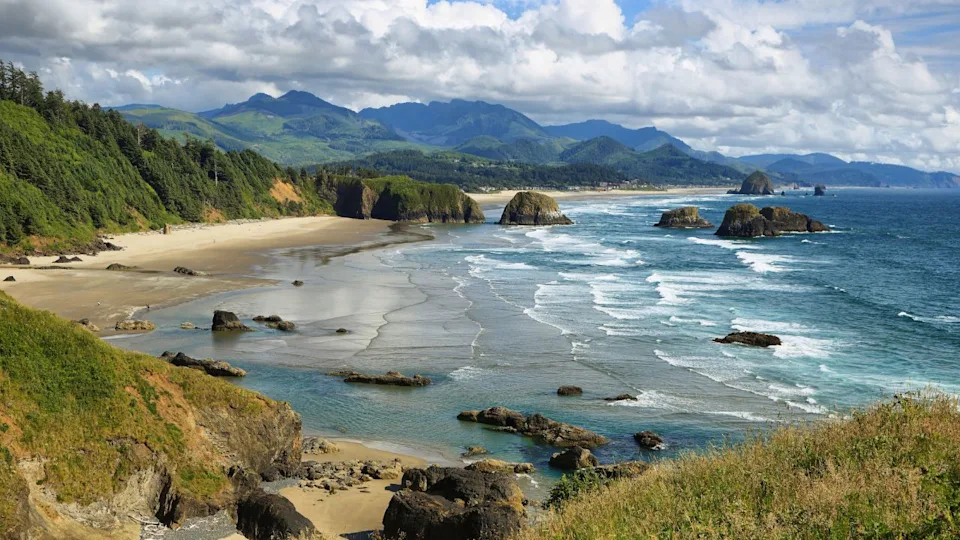
Image Credit:Shutterstock.
Cannon Beach is cinematic, wide stretches of sand, fog rolling in like something alive, and Haystack Rock rising dramatically from the shoreline like a monument carved by myth. While tourists visit for photos, the town itself is the real treasure: art galleries run by working painters, bakeries with cardamom-scented pastries, and cafés where ocean mist clings to your clothes as you drink your morning latte. Unlike Portland’s crowded brunch scene, Cannon Beach mornings feel sacred, quiet, gentle, and soft.
The ocean defines everything here. Locals walk the shoreline rain or shine, dogs sprint into waves that crash with a rhythm older than civilization, and tide pools reveal entire micro-worlds of starfish, anemones, and sea snails. Storm watching is an event, winter waves pound the coast with astonishing force, and people gather with cocoa and blankets just to witness the raw power of nature. It’s the closest many travelers will ever get to the wild, unfiltered Pacific.
Evenings slow to a hush. Fireplaces glow behind cottage windows, wine bars murmur with conversation, and the scent of salt and cedar linger in the air. There’s no nightlife rush, just calm, reflection, and the endless sound of waves. Cannon Beach isn’t just a place you visit, it’s a place that untangles you.
Sisters, Oregon
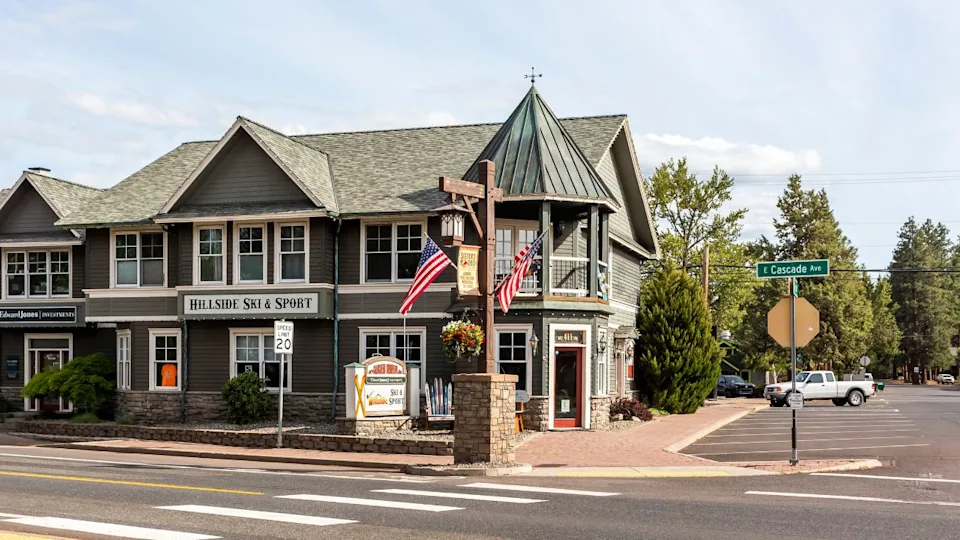
Image Credit : Shutterstock.
Sisters feels like an old Western town reimagined for nature lovers, artists, and dreamers seeking space. Wooden storefronts, hand-painted signs, and a skyline framed by the snow-capped peaks of the Three Sisters mountains give the town a sense of calm grandeur. Unlike Portland’s urban buzz, Sisters feels unrushed, a place where coffee shops offer slow pours, not hurried caffeine fixes, and where conversations stretch long because there’s nowhere better to be than exactly where you are.
Outdoor life here is endless: horseback riding through ponderosa forests, mountain biking on desert trails, and hiking routes that climb toward alpine lakes and glacier-carved bowls. Wildflowers blanket the meadows in spring, and fall turns forests into golden cathedrals. Every season reshapes the rhythm of life, and locals move with it, not against it. Here, nature doesn’t just sit nearby; it defines identity.
Nightlife is simple but meaningful. Breweries glow with warm lighting and woodstove heat, chocolate shops stay open late, and live music fills small venues with sincerity rather than spectacle. Sisters isn’t interested in impressing you, it wants to ground you. Travelers arrive anxious and leave peaceful.
Port Townsend, Washington
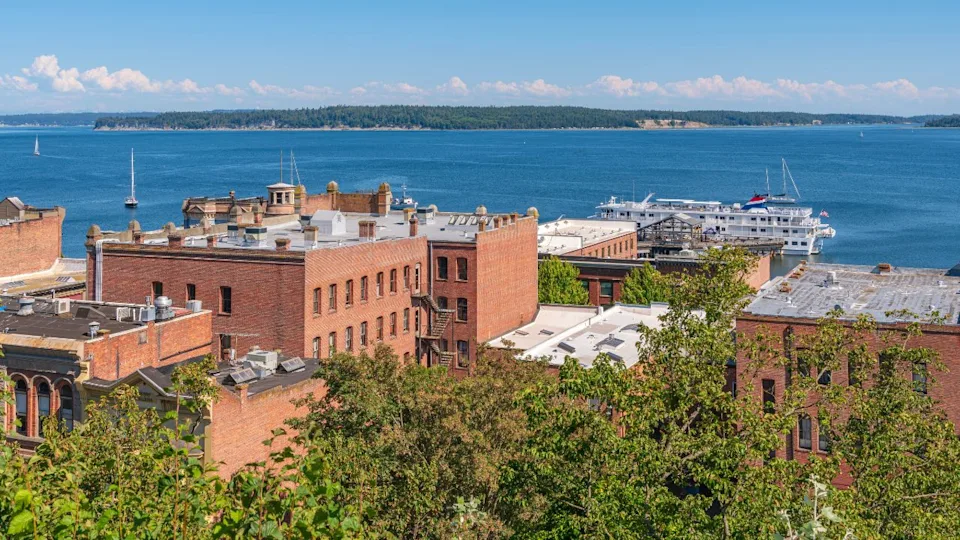
Image Credit:Shutterstock.
Port Townsend is as Pacific Northwest as it gets, Victorian architecture, sea-salted air, maritime heritage, and an independent spirit that feels woven into every sidewalk and window. Perched on the edge of the Olympic Peninsula, it blends rugged coastline with artistic depth, becoming a refuge for writers, musicians, sailors, and anyone who prefers authenticity over trend. The waterfront hums with history, boats creaking in the marina, foghorns echoing across open water, and gulls circling overhead like they own the sky.
Days here unfold in layers: exploring bookstores crammed with rare editions, wandering galleries filled with ocean-inspired art, and sipping coffee beside windows overlooking steel-gray waves. Outdoor lovers kayak along the coastline, hike forested trails in Fort Worden State Park, or simply sit and watch the tide shift the mood of the town. Every corner feels like a still frame from a movie, weathered, poetic, and deeply atmospheric.
Evenings glow softly. Tavern fireplaces crackle, musicians play folk sets with instruments worn from years of love, and conversations revolve around storytelling rather than small talk. Port Townsend doesn’t ask you to be busy, it welcomes slowness. And in that slowness, travelers rediscover something easy to forget: peace.
Fairhaven (Bellingham District), Washington
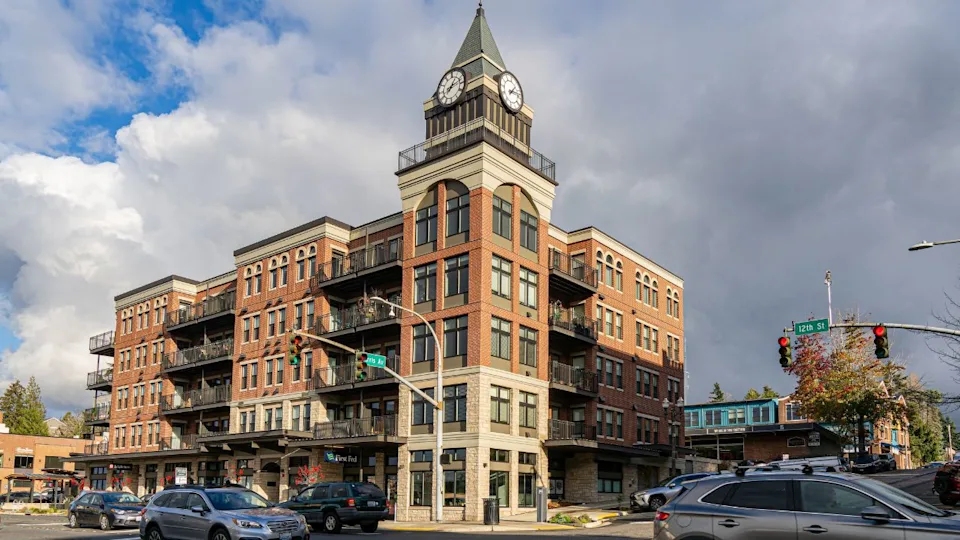
Image Credit : Shutterstock.
Fairhaven feels like a storybook district tucked inside reality, cobblestone sidewalks, brick façades, tall windows glowing warm light into rain-softened evenings. Technically part of Bellingham, but emotionally its own world, Fairhaven appeals to people who crave charm: bookshops with creaky floors, cafés scented with chai and fresh pastries, and pubs where the bartender proudly tells you which beer is brewed three blocks away. While Seattle polished its waterfront for tourists and Portland modernized its identity, Fairhaven held onto texture, history, warmth, and human scale.
Nature is never far. You can walk from downtown straight to the coastline and watch ferries head toward Alaska while waves slap against docks and driftwood collects like bones of forgotten ships. Trails wind through forested hills overlooking Bellingham Bay, where sunsets paint the sky in muted golds and violets reflected in water that always looks colder than it feels. Outdoor culture isn’t a scene, it’s a lifestyle. Locals bike, hike, paddleboard, or simply walk because the landscape insists on being experienced.
At night, Fairhaven glows, pubs buzzing with quiet happiness, jazz floating through windows, and bookstores hosting author readings that somehow always fill every chair. It’s the kind of place that feels cozy even in storms, where you lean closer to warmth, conversation, music, and food. Fairhaven is what happens when a town grows not in size, but in soul.