


Central Europe is a region where fairy-tale landscapes, imperial history, and effortless charm come together in ways that feel almost unreal. Travelers often flock to the continent’s biggest capitals, but Austria, Hungary, and Slovenia hold dozens of destinations that rival them in beauty, culture, and atmosphere, often without the overwhelming crowds or steep prices.
From snow-dusted Alps to thermal-rich plains and emerald rivers cutting through medieval towns, the region rewards slow travel at every turn. These countries share centuries of intertwined history, yet each has a distinct identity shaped by empires, trade routes, and unique cultural traditions. Visitors can hop from grand Habsburg palaces to Ottoman-influenced bathhouses, then suddenly find themselves in a quiet alpine valley or on a vineyard-covered hillside that looks untouched by time.
This mix of shared heritage and local character is what makes the region feel both unified and endlessly varied. What truly sets Austria, Hungary, and Slovenia apart is the authenticity of their smaller cities and rural havens, places where life moves at a relaxed pace and where visitors find real connection with local culture. Whether you’re chasing music and architecture, food and wine, or landscapes that soothe the soul, these 15 spots offer a perfect blend of beauty, affordability, and depth.
Vienna, Austria


Image Credit: Shutterstock.
Vienna is a city where imperial grandeur and artistic brilliance coexist in perfect harmony. Walking along the Ringstrasse, visitors encounter magnificent palaces, gilded opera houses, and monumental architecture that reflect centuries of Habsburg rule. Yet, beyond these iconic sights, Vienna’s neighborhoods reveal a softer, intimate side, quiet cobblestone streets, leafy courtyards, and local cafés invite travelers to slow down and experience everyday life.
The Viennese café culture is a world of its own, offering an atmosphere perfect for long conversations over coffee and pastries, while modern cafés provide sleek, contemporary spaces for socializing or reading. Markets like Naschmarkt and Brunnenmarkt not only offer culinary delights from around the globe but also provide a window into the daily rhythm of the city, where locals shop, eat, and gather.
Music is truly at the heart of Vienna, with concert halls and intimate venues hosting everything from classical masterpieces to contemporary compositions, and open-air performances filling squares and parks. Whether attending a full-scale opera or a small chamber recital, the city’s devotion to the arts is palpable. Combined with its rich culinary culture and architectural beauty, Vienna is a city that perfectly balances elegance and vibrancy.
Hallstatt, Austria
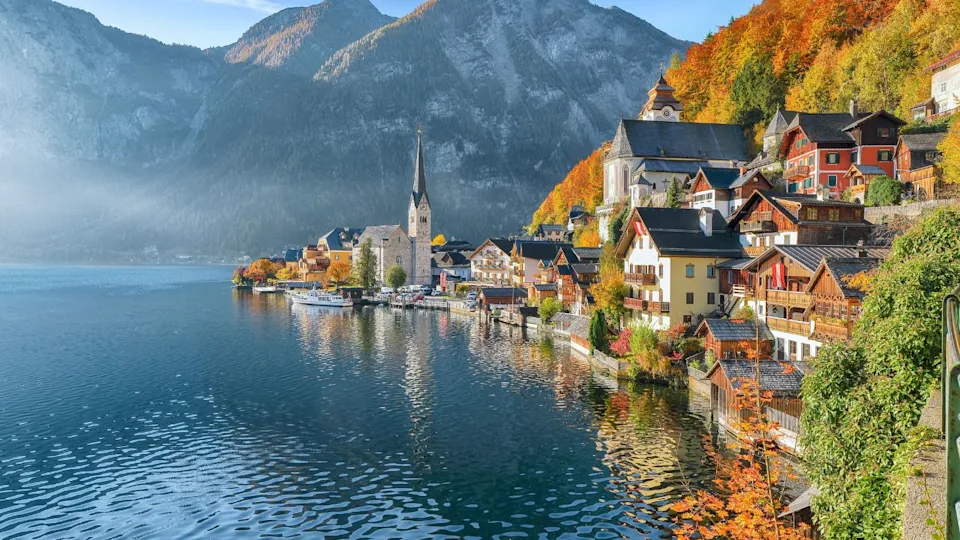
Image Credit:Shutterstock.
Hallstatt is the kind of village that seems almost too picturesque to be real. Nestled on the edge of a pristine lake and framed by towering Alps, it captivates visitors from the very first glance. Wandering its narrow streets, exploring centuries-old churches, and taking in the serene lakeside atmosphere creates a sense of stepping into another world entirely.
The lakefront provides the ideal vantage point for appreciating Hallstatt’s natural beauty, with boating across calm waters allowing visitors to enjoy reflections of pastel-colored houses mirrored in the lake, while hiking trails in the surrounding mountains offer breathtaking views.
For those interested in history, the ancient salt mines provide a fascinating glimpse into the town’s centuries-old economic and cultural life. Even with its rising popularity, Hallstatt maintains an intimate, tranquil vibe for those willing to explore beyond the main tourist spots. Quiet cafés tucked along side streets, forest paths, and lakeside benches offer moments of peaceful reflection. Combined with hearty Alpine cuisine and the town’s rich history, Hallstatt remains an essential stop for anyone exploring Austria.
Graz, Austria
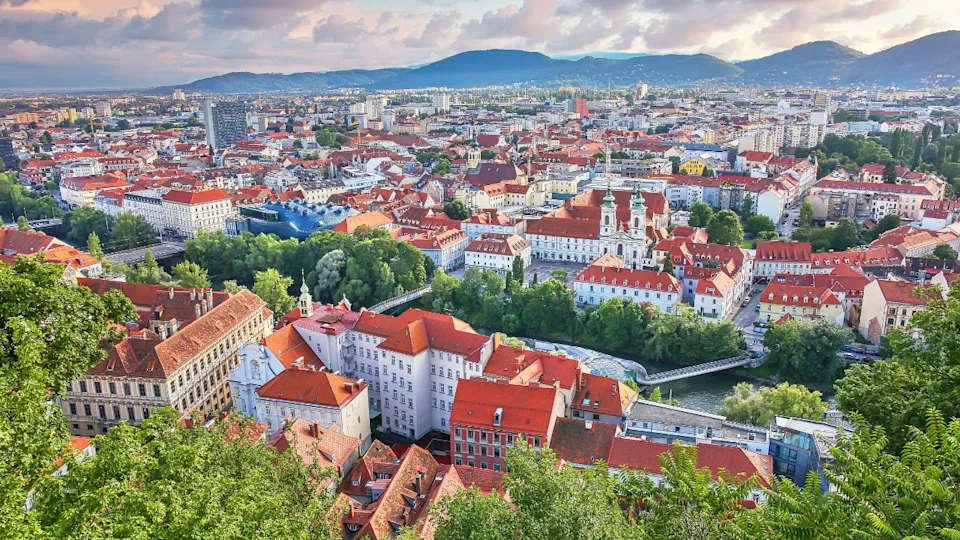
Image Credit: Shutterstock.
Graz blends medieval charm with contemporary creativity, offering a refreshing alternative to Austria’s more famous destinations. The Old Town, a UNESCO World Heritage Site, features cobblestone streets, Renaissance courtyards, and red-tiled rooftops, giving visitors a sense of stepping back in time. Dominating the skyline, Schlossberg hill provides panoramic views and a peaceful escape from urban bustle.
The city’s artistic character is evident everywhere, from street art and public installations to modern museums like Kunsthaus Graz. Local markets, boutique shops, and cultural events cultivate a vibrant, youthful energy, making the city both approachable and inspiring for visitors. Food in Graz is a celebration of regional flavors, with Styrian specialties, locally produced wines, and farm-to-table cuisine in traditional taverns and contemporary restaurants.
Outdoor cafés along the river or in historic squares allow travelers to soak in the atmosphere, turning a simple meal into an immersive cultural experience.
Salzburg, Austria
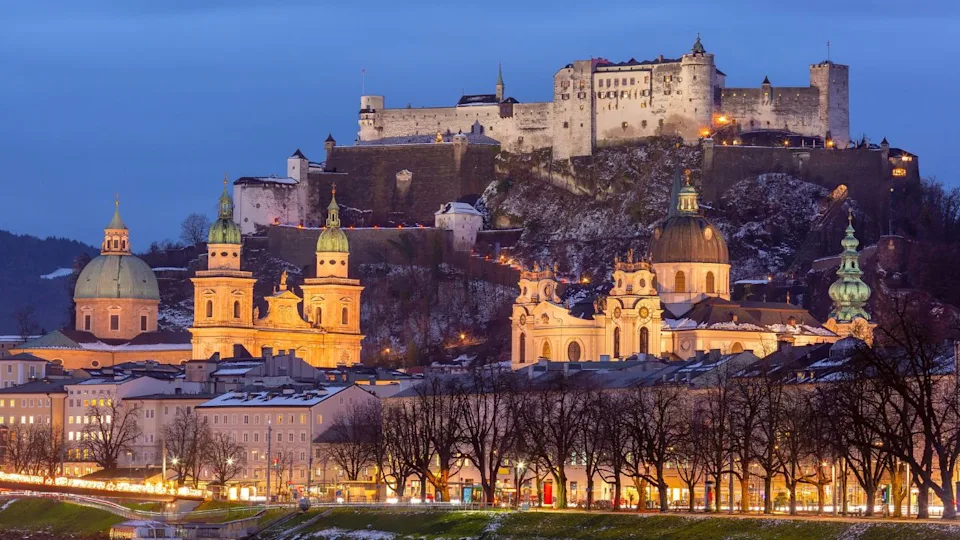
Image Credit: Shutterstock.
Salzburg feels like a living symphony, elegant, harmonious, and full of cultural richness. Its Baroque churches, grand squares, and romantic bridges in the historic center contrast beautifully with the imposing Hohensalzburg Fortress perched above. Music permeates the city, from orchestral performances to smaller, intimate concerts, reflecting Salzburg’s deep connection to Mozart and classical traditions.
The surrounding Alps provide a breathtaking backdrop, creating photo-perfect vistas and outdoor adventure opportunities. Mirabell Gardens, the Salzach River, and Sound of Music filming locations all offer unique perspectives of the city, blending nature with cultural history. Hiking in the surrounding hills or exploring nearby lakes adds another layer to Salzburg’s rich travel experience.
Food in Salzburg is equally memorable, with traditional Austrian desserts such as Salzburger Nockerl alongside hearty regional cuisine, complemented by charming cafés and vibrant markets. Festivals, seasonal events, and cultural activities fill the calendar year-round, ensuring the city always feels alive, elegant, and full of discovery.
Ljubljana, Slovenia
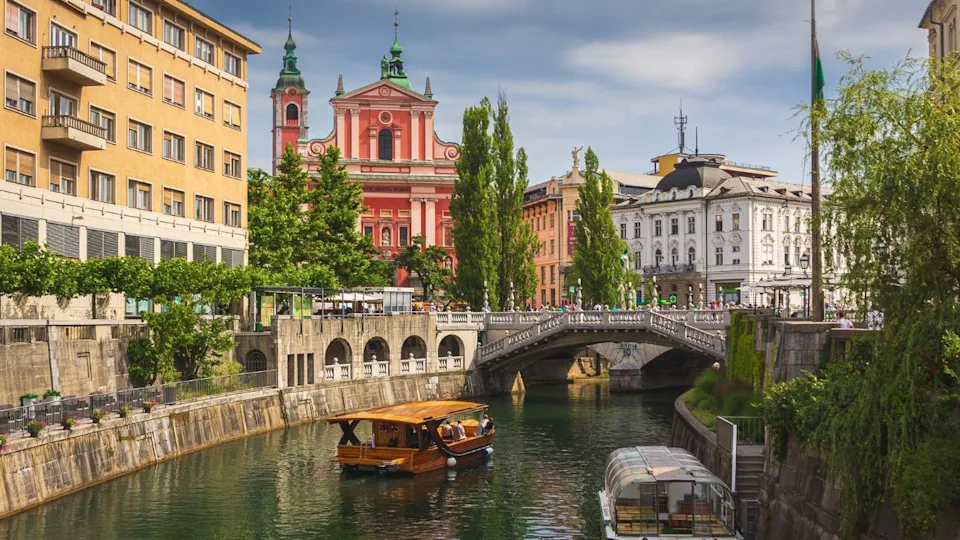
Image Credit : Shutterstock.
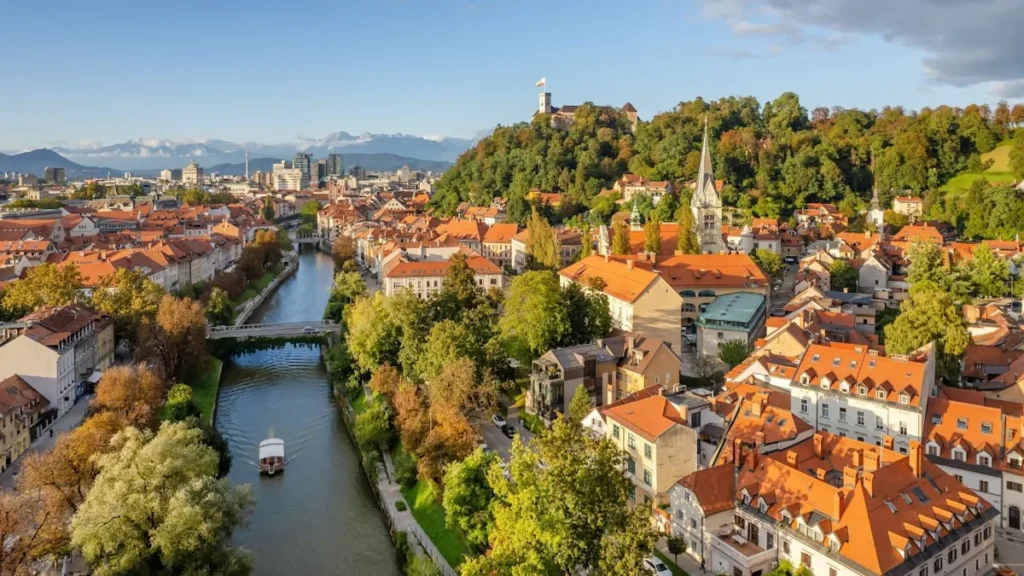
Ljubljana, Slovenia’s compact capital, charms visitors with its pedestrian-friendly streets and eco-conscious design. The Ljubljanica River winds through the city, flanked by colorful façades, lively cafés, and architectural gems by Jože Plečnik. Exploring the old town on foot, travelers discover small boutiques, art installations, and open squares, each brimming with local character.
Ljubljana Castle, perched atop a hill, offers panoramic views over the city and distant mountains, accessible by a scenic funicular or a steep walk. Once inside, museums, courtyards, and terraces provide a mix of history, leisure, and scenic beauty. The culinary scene blends Alpine, Mediterranean, and Balkan influences, with outdoor markets, wine bars, and modern eateries showcasing Slovenia’s seasonal and regional ingredients.
Ljubljana’s youthful atmosphere, eco-friendly initiatives, and artistic spirit make it a city that feels both lively and refreshingly authentic.
Lake Bled, Slovenia

Image Credit:Shutterstock.
Lake Bled is an iconic destination known for its emerald-green waters, medieval castle, and small island topped with a charming church. The serene lake reflects the surrounding Julian Alps, creating postcard-perfect scenes from every angle. Visitors can walk along the lakeshore, row to the island in traditional boats, or explore hiking trails that provide breathtaking viewpoints.
Bled Castle, perched on a cliff, offers historical exhibits and panoramic vistas of the lake and surrounding countryside. Culinary delights such as the famous Bled cream cake can be enjoyed in lakeside cafés, offering sweet reprieves with scenic views. Beyond sightseeing, outdoor activities like rowing, hiking, and cycling make Lake Bled a hub for both relaxation and adventure, ensuring every visitor leaves with lasting memories.
Piran, Slovenia
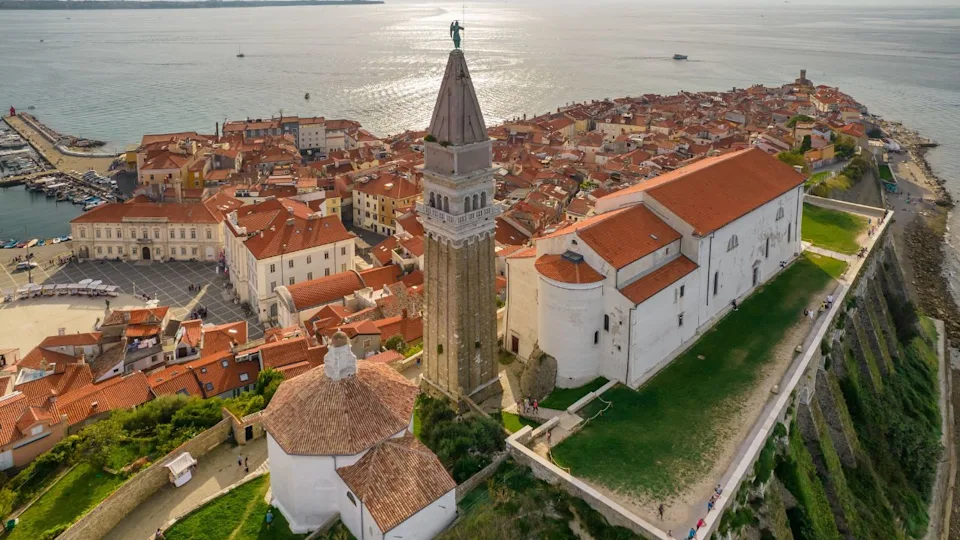
Image Credit: Shutterstock.
Piran is a coastal jewel on Slovenia’s Adriatic coast, celebrated for its Venetian architecture and vibrant seaside charm. Narrow streets wind past pastel-colored buildings, while Tartini Square anchors the historic center with cafes, shops, and cultural landmarks. The town’s harbor and cliffside viewpoints provide stunning panoramic views over the Adriatic, creating a perfect combination of architecture, scenery, and maritime allure.
Local restaurants specialize in fresh seafood, often paired with regional wines, providing an authentic Mediterranean culinary experience. Festivals, open-air markets, and street performances infuse the city with energy, making every visit lively and memorable. Outdoor enthusiasts can swim, sail, or explore nearby coves, while cliffside walks reward with breathtaking sunsets over the sea, blending relaxation and exploration seamlessly.
Budapest, Hungary

Image Credit : Shutterstock.
Budapest, split by the Danube River into Buda and Pest, offers a dramatic blend of history, architecture, and modern vibrancy. Landmarks like the Parliament Building, Fisherman’s Bastion, and Buda Castle showcase its rich past, while lively cafés, ruin bars, and boutiques energize the city today. Thermal baths such as Széchenyi and Gellért offer relaxing, centuries-old spa experiences that are a signature of Hungarian culture.
Museums, galleries, and theaters celebrate the arts, while vibrant street life and bustling markets immerse visitors in the city’s dynamic spirit. Culinary delights range from hearty goulash to chimney cakes, paired with local wines and spirits. Outdoor life along the Danube promenade, Gellért Hill hikes, and river cruises provide unforgettable views and opportunities to experience Budapest’s unique charm firsthand.
Eger, Hungary
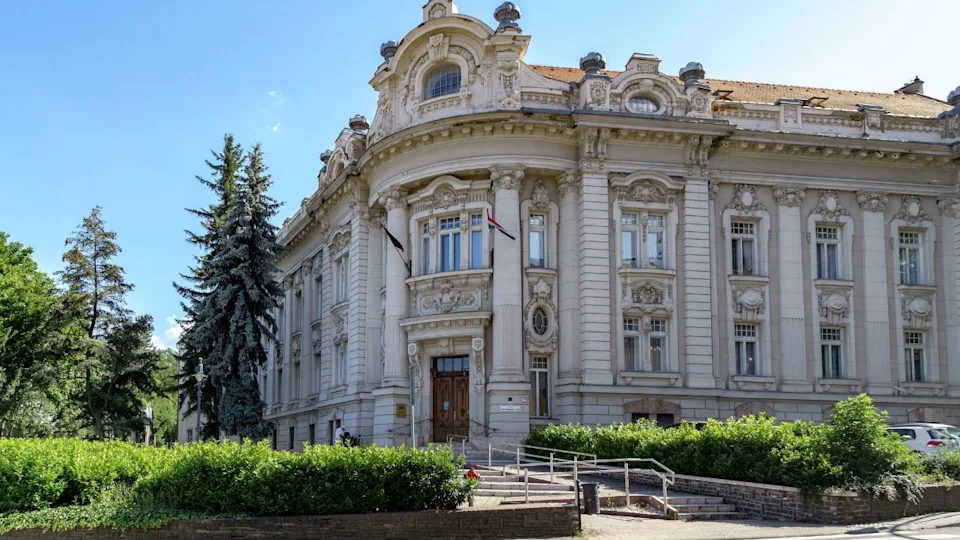
Image Credit: goga18128 / Shutterstock.
Eger is a historic town in northern Hungary known for its baroque architecture, thermal baths, and winemaking heritage. The imposing Eger Castle and picturesque town squares showcase centuries of history, while streets lined with cafés, shops, and local markets give the town a lively, intimate atmosphere. Eger’s wine cellars, particularly those in the Valley of the Beautiful Women, offer tastings of famous Egri Bikavér, or “Bull’s Blood,” giving visitors an authentic taste of Hungarian viticulture.
The town also hosts music festivals, cultural events, and seasonal fairs that bring locals and travelers together. Outdoor enthusiasts can hike nearby hills or explore the surrounding countryside, balancing cultural immersion with nature. Eger’s combination of architecture, gastronomy, and history makes it a hidden gem in Hungary that rivals larger cities in charm and experience.
Szeged, Hungary
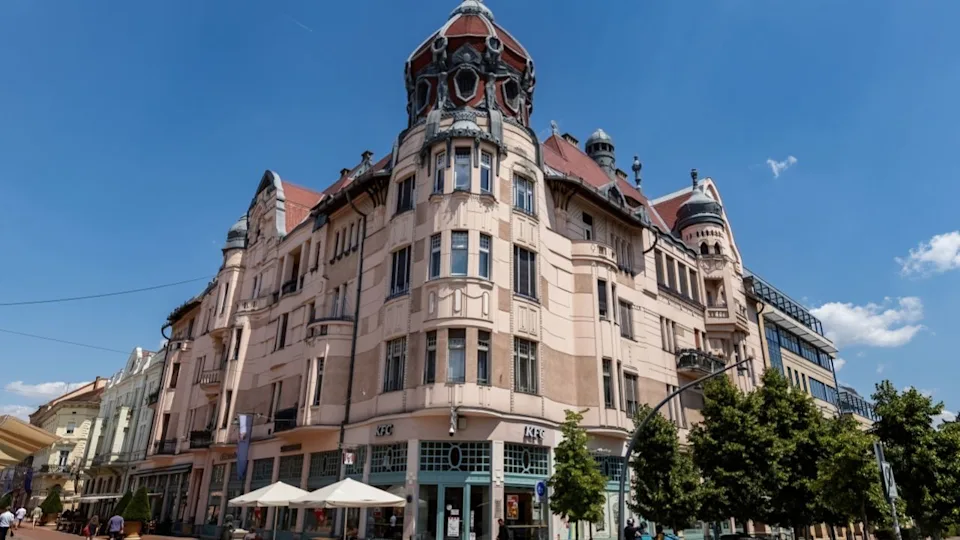
Image Credit : Shutterstock.
Szeged, in southern Hungary, is known for its sunny climate, Art Nouveau architecture, and cultural vibrancy. The city center features ornate buildings, wide squares, and bustling pedestrian streets, reflecting a blend of historic elegance and modern energy. Szeged’s theaters, galleries, and music venues host a wide array of performances, from classical to contemporary, creating a lively arts scene.
Culinary highlights include traditional Hungarian dishes, seasonal produce from local markets, and specialty sweets that reflect regional flavors. Parks, riverbanks, and outdoor cafes provide spaces to relax and people-watch, while festivals such as the Szeged Open-Air Festival draw visitors from across the country. With its rich cultural offerings and welcoming atmosphere, Szeged is an ideal stop for travelers seeking authenticity and charm.
Maribor, Slovenia
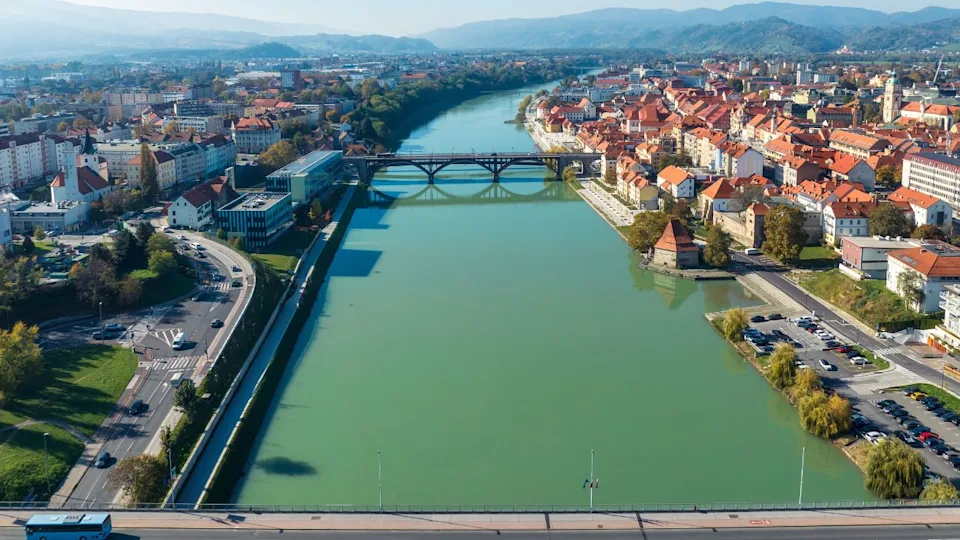
Image Credit:Shutterstock.
Maribor, Slovenia’s second-largest city, sits along the Drava River and is renowned for its wine culture and vibrant urban life. The historic Lent district features medieval architecture, riverside promenades, and lively squares where locals gather. Maribor’s cultural calendar includes film festivals, concerts, and art exhibitions, reflecting the city’s contemporary creative energy.
Visitors can sample local wines in traditional taverns or modern wine bars, while weekly markets and culinary events showcase seasonal Slovenian produce. The surrounding hills and vineyards offer hiking and cycling opportunities, blending outdoor recreation with cultural exploration. Maribor’s combination of history, food, and nature makes it an inviting destination for travelers seeking both urban charm and scenic beauty.
Lake Balaton, Hungary
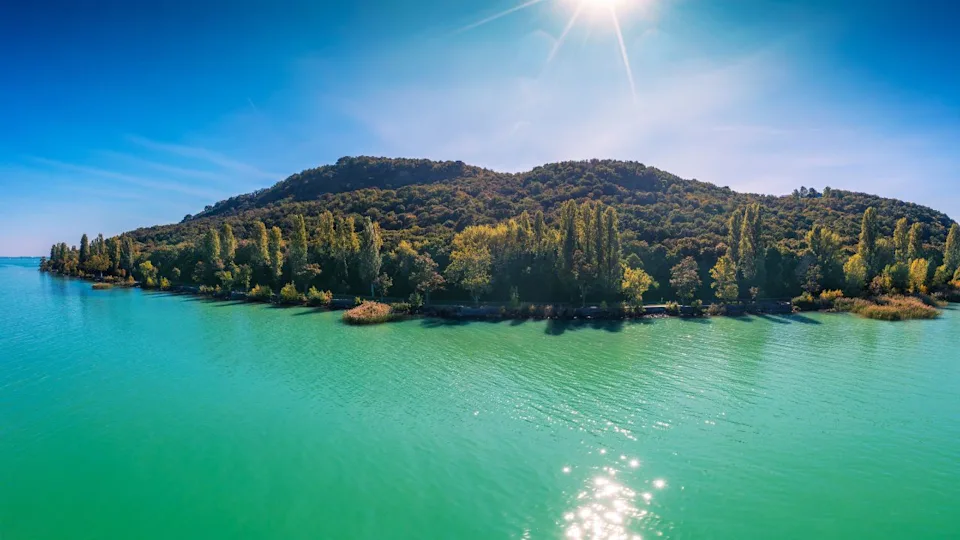
Image Credit : Shutterstock.
Lake Balaton, Central Europe’s largest freshwater lake, is a hub for summer relaxation and recreational activities. The towns along its shores, such as Tihany and Siófok, offer historic architecture, lakeside promenades, and cultural events. Visitors can enjoy sailing, swimming, and cycling, or simply relax at lakeside cafés and restaurants serving fresh local fish and regional wines.
Seasonal festivals, including music and culinary events, draw crowds from across Hungary and beyond, creating lively and engaging experiences. Walking or biking along scenic trails provides panoramic views, while nearby thermal spas offer a relaxing retreat. Lake Balaton combines natural beauty, cultural richness, and recreational opportunities, making it one of Hungary’s most cherished destinations.
Pecs, Hungary

Image Credit:Shutterstock.
Pecs, in southern Hungary, is a city where Roman ruins coexist with a lively contemporary cultural scene. The UNESCO-listed Early Christian Necropolis, historic squares, and Ottoman-era architecture provide insight into the city’s complex history. Modern galleries, theaters, and street art showcase Pecs’ creative energy, while cafés, markets, and artisan shops add local flavor.
Culinary delights include traditional Hungarian dishes alongside innovative interpretations of regional ingredients. Seasonal festivals, live music, and cultural events bring the city to life year-round. Nearby rolling hills, vineyards, and parks offer outdoor activities, making Pecs a city that seamlessly blends history, culture, and leisure.
Klagenfurt, Austria
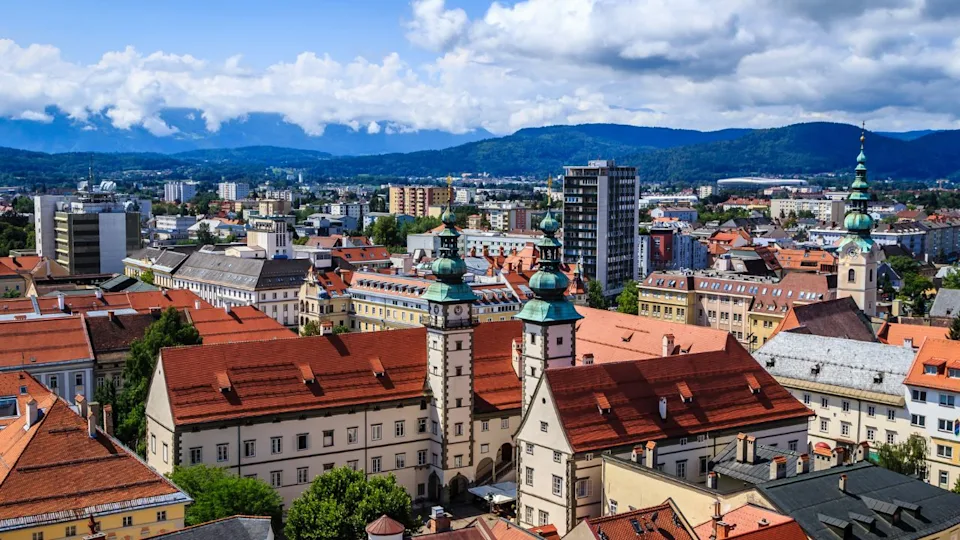
Image Credit : Shutterstock.
Klagenfurt, located near the southern Austrian border, is famous for its lakeside beauty, Renaissance architecture, and charming Old Town. The city is anchored by Lake Wörthersee, offering boating, swimming, and scenic lakeside promenades perfect for strolling. Historic squares, cobblestone streets, and fountains create a picturesque urban landscape, while cultural institutions like theaters and museums highlight the city’s artistic life.
Local markets, cafés, and restaurants feature Austrian and regional Carinthian cuisine, offering visitors authentic flavors to complement their sightseeing. Outdoor enthusiasts can explore nearby alpine trails, parks, and cycling routes, ensuring a mix of cultural and natural experiences. Festivals, concerts, and seasonal events further animate the city, making Klagenfurt an ideal blend of history, nature, and modern vitality.
Škocjan Caves, Slovenia

Image Credit; Mazur Travel / Shutterstock.
The Škocjan Caves are one of Slovenia’s most awe-inspiring natural wonders, offering an underground spectacle that feels otherworldly. A UNESCO World Heritage site, the caves feature vast chambers, dramatic stalactites and stalagmites, and the thunderous Reka River carving its way through the subterranean landscape. Visitors can explore guided trails that wind through the cave system, where natural acoustics, hidden chambers, and cascading waterfalls create a truly immersive experience.
Above ground, the surrounding Karst region adds another layer of beauty to the visit. Rolling hills, vineyards, and small villages dot the landscape, giving travelers the chance to combine adventure with cultural exploration. Walking or cycling trails allow visitors to appreciate the unique geology, flora, and fauna of the area, while lookout points provide sweeping views of the verdant countryside.
The Škocjan Caves are more than just a visual spectacle, they offer educational and cultural experiences as well. Informative exhibitions highlight the region’s natural history, geology, and local myths surrounding the caves. Seasonal events, guided night tours, and nearby local eateries add depth to the visit, making Škocjan Caves a destination that blends natural wonder, culture, and outdoor adventure in perfect harmony.