



If you’ve ever booked an Airbnb, you know it’s like opening a box of chocolates—you never quite know what you’re going to get. While many stays go without a hitch, some can turn into a travel nightmare. Nobody wants to spend their vacation dealing with unexpected issues, especially when they could have been avoided with a little bit of caution. Here are 15 red flags that should make you think twice about your booking. Canceling might not always feel like the easiest choice, but sometimes, it’s absolutely the right one.
1. Last-Minute Property Changes

iStock
If you’ve booked a place and suddenly get a message from the host offering a different property, consider it a major red flag. This switcheroo often occurs when the original property isn’t available or there’s something wrong with it. According to a study by the Better Business Bureau, such last-minute changes are a common complaint among Airbnb users. It can be inconvenient and often leads to settling for a less desirable location or amenities than originally promised. It’s important to ask why the change is happening and to look for reviews on the alternative property before agreeing.
Sometimes, this bait-and-switch maneuver is a way for hosts to offload unpopular or poorly maintained properties. Even if they present it as an upgrade, you should question why it wasn’t offered in the first place. Trust your gut—if something feels off, it probably is. You have every right to cancel and report the situation to Airbnb. If a host is willing to make deceptive changes once, who knows what else they might be hiding?
2. Vague Or Missing Reviews

iStock
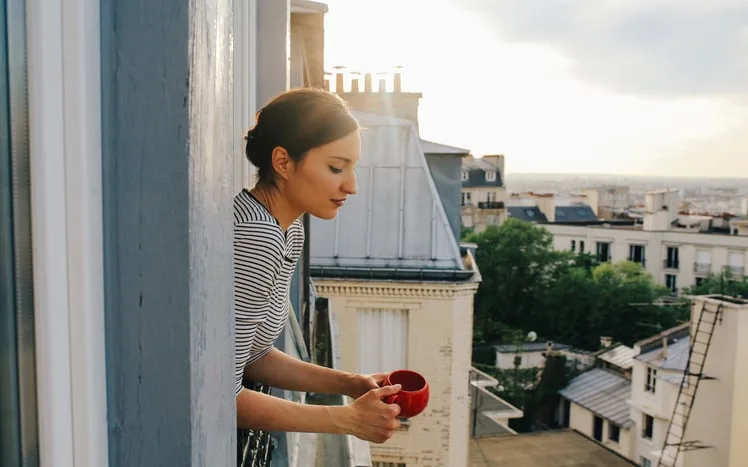
Reviews are the lifeblood of any Airbnb listing, acting as the main source of credibility. If a listing has very few or no reviews, tread with caution. It’s possible that the property is new, but it’s also possible that previous guests have had negative experiences that aren’t documented. A lack of reviews can mean a lack of accountability, so you’re taking a bigger risk. Dive into the reviews that are available and pay attention to any recurring themes or issues.
Vague reviews can be as problematic as missing ones. If you notice that the reviews are overly generic or seem like they could apply to any property, dig deeper. Sometimes, guests might leave a positive review to avoid confrontation but won’t specifically praise aspects like cleanliness or amenities. Look for detailed reviews that mention specific features or issues. This will give you a better understanding of what to expect from the property and the host.
3. Poor Communication From the Host


Shutterstock
Good communication is key when it comes to a smooth Airbnb experience. If the host is slow to respond or gives evasive answers to your questions, that’s a red flag. According to a 2019 report by Consumer Reports, clear and timely communication is one of the most important factors for a successful stay. A host who isn’t attentive before your stay is unlikely to be available if problems arise during your visit. Consistent communication indicates that the host is reliable and takes their responsibilities seriously.
On the flip side, overly aggressive or pushy communication can also be a warning sign. If a host is pressuring you to book quickly or trying to bypass Airbnb’s messaging platform, think twice. Airbnb’s platform is designed to protect both guests and hosts, so any attempt to move conversations to another platform could be risky. It’s important to document all interactions through Airbnb for your own protection. Trustworthy hosts respect these boundaries and understand the importance of clear, professional communication.
4. Incomplete Listing Information

Shutterstock
A well-detailed listing is essential for setting accurate expectations about your stay. If the listing lacks crucial information like the number of bedrooms, bathroom conditions, or whether Wi-Fi is available, it’s a sign to be cautious. Ambiguity in the listing can mean that the host is hiding less-than-ideal aspects of the property. When you find missing details, reach out to the host for clarification before booking. This step can save you a lot of trouble down the line.
If a host is unwilling or unable to provide additional details upon request, it’s best to move on. You deserve to know exactly what you’re paying for, and transparency is a hallmark of trustworthy hosts. An incomplete listing can lead to unpleasant surprises upon arrival, which can ruin your entire trip. It’s better to find a listing that gives you a complete picture of what to expect. Remember, you have plenty of options, so don’t compromise on clarity.
5. Overly Strict House Rules

Shutterstock
While it’s normal for Airbnb hosts to have some house rules, an overly strict set can be a warning sign. If a listing reads more like a rulebook than a welcoming invitation, it could indicate that the host is difficult or overly controlling. An article in Travel + Leisure emphasizes that extreme rules can stem from past negative guest experiences, but they can make your stay feel more like a prison sentence than a vacation. Look out for rules that seem unreasonable or intrusive, such as restrictions on basic amenities or curfews.
Hosts who impose such stringent rules may have unrealistic expectations of their guests. This can lead to uncomfortable situations and excessive micromanagement during your stay. If you’re uncomfortable with the rules or the tone in which they’re presented, it’s worth reconsidering. Your vacation should be a time to relax, not tiptoe around an overbearing host’s demands. Always choose a place where you feel comfortable and respected.
6. Photos That Don’t Match Description

Shutterstock
Photos are often the first thing that catches your eye when browsing Airbnb listings. If the photos don’t match the description or seem too good to be true, proceed with caution. Sometimes, hosts may use professional images that don’t reflect the current state of the property. This can lead to disappointment when you arrive and find that the place doesn’t look nearly as appealing in person. Always cross-reference the photos with the description for consistency.
If you have doubts about the photos, ask the host for recent pictures or clarification. A trustworthy host will be more than willing to provide additional visuals to assure you of the property’s condition. Inconsistent or outdated photos can be a sign of negligence or deceit, neither of which bodes well for your stay. Remember that photos can be edited to hide imperfections, so rely on verified reviews to validate what you see. Ultimately, you want both the photos and the description to align with the reality of the property.
7. Unverified Host Identity

Shutterstock
Airbnb prides itself on creating a safe and trustworthy community, and part of that relies on verified host identities. If you come across a listing with an unverified host, it can be a cause for concern. According to travel expert Pauline Frommer, verification is crucial for building trust between hosts and guests. Unverified hosts may have multiple accounts or be inexperienced, which increases the risk factor for your stay. Always prefer listings with verified hosts to minimize potential problems.
Even if the listing looks appealing, an unverified host adds an element of uncertainty that can be avoided. Verification not only confirms the host’s identity but also that Airbnb has vetted them to some extent. While everyone deserves a chance, your vacation time is precious and shouldn’t be spent worrying about potential scams. If you’re torn, remember that there are plenty of verified hosts with excellent reputations. It’s worth investing a little extra time to ensure a safe and enjoyable stay.
8. Unclear Cancellation Policy

Shutterstock
Understanding the cancellation policy is a critical part of making an Airbnb booking. If the policy is unclear or overly restrictive, it could be a red flag. An opaque policy may leave you without recourse if something goes wrong. Before you book, make sure the cancellation terms are clearly stated and that you’re comfortable with them. It’s crucial to know under what circumstances you can cancel without penalty.
A tricky cancellation policy may indicate that the host is more concerned with securing payment than providing a good experience. It’s important to feel secure in the knowledge that you can back out if necessary. If the policy is too restrictive or has hidden conditions, it might be better to look elsewhere. Transparency should always be a priority in any agreement. Choose a listing where the terms of cancellation are fair and easy to understand.
9. Inconsistent Pricing

iStock
Pricing inconsistencies within a listing can be a red flag that something isn’t quite right. If you notice that the nightly rate changes drastically from one day to the next without explanation, it warrants a closer look. This could indicate that the host is inexperienced or attempting to take advantage of demand surges. Always double-check the total cost, including any additional fees, before you book. This ensures you’re not caught off guard by unexpected charges.
If the pricing doesn’t make sense or feels designed to mislead, it might be best to move on. Sudden spikes in price can sometimes be justified by special events or high-demand seasons, but they should be clearly communicated. If the host isn’t transparent about why the price is changing, it could lead to disputes later on. Your vacation budget is important, and you shouldn’t have to worry about surprise expenses. Aim to book a place where the pricing is straightforward and fair from the start.
10. No Guest Photos In Reviews


Shutterstock
When you’re scrolling through reviews, guest-uploaded photos can be incredibly revealing. They offer a real-world glimpse into what the property looks like, unfiltered by the host’s promotional efforts. If a listing lacks guest photos entirely, it’s a small red flag. It may suggest that past guests didn’t feel compelled to share their experiences or that their experiences weren’t photo-worthy. While not a deal-breaker on its own, the absence of guest photos might warrant a closer inspection.
Guest photos provide an authenticity that professional photos often lack. They capture the property in a variety of conditions and from different perspectives. Without these snapshots, you might not get the full story about the state or appeal of a property. If you’re seriously considering a listing, request recent images from the host. This can help bridge the gap and give you a clearer picture of what to expect.
11. Overly Competitive Pricing

Shutterstock
Sometimes, a deal that seems too good to be true actually is. If you find a listing with prices significantly lower than similar properties in the area, it’s a red flag. While everyone loves a bargain, an incredibly low price could mean hidden issues, poor location, or a host desperate to fill an unpopular spot. Look at what comparable listings are charging to gauge if the price makes sense. If a listing is way below market value, it might be worth asking the host why.
Overly competitive pricing could also mean you’re being lured into a subpar experience. Sometimes, hosts set low prices to attract bookings, only to charge exorbitant fees for cleaning or other services later. Ensure you understand the full cost breakdown before committing. A low base price doesn’t necessarily translate into the overall best deal. Consider the entire experience, not just the sticker price, before deciding.
12. Host’s Reluctance To Answer Questions

iStock
A host who is unwilling or slow to answer your questions may not be the best choice for a stress-free stay. Whether you’re asking about the Wi-Fi speed, local amenities, or parking options, you deserve clear and timely answers. If a host dodges questions or provides vague responses, it’s a warning sign. This reluctance can indicate that the host either doesn’t care about your experience or has something to hide. It’s crucial to feel comfortable and informed before committing to a booking.
Your communication with a host sets the tone for your entire stay. If you’re getting red flags through lackluster or evasive responses, it’s best to heed those warnings. Remember, you’re entering into a short-term agreement, and clear expectations are vital for both parties. A host who values their guests will take the time to address concerns thoroughly. Opt for a host who matches your communication style and prioritizes your peace of mind.
13. No Verified ID Badge

Shutterstock
Verification symbols on Airbnb listings aren’t just window dressing—they’re assurances of trust and safety. When a host doesn’t have a verified ID badge, it raises questions about their credibility. This badge means that Airbnb has checked the host’s identity, adding a layer of security to your booking. Without it, you’re essentially taking a leap of faith. While not every unverified listing is a scam, it’s often better to err on the side of caution.
Having a verified ID badge also speaks to the host’s willingness to be transparent and accountable. It’s a way for them to show guests that they’re committed to maintaining a trustworthy platform. If a host hasn’t bothered to verify their ID, it might reflect a lack of commitment to providing a safe and reliable service. You deserve the peace of mind that comes with knowing Airbnb has vetted your host. Choose listings that proudly display their verification to ensure a smoother experience.
14. Host Cancellation History


Shutterstock
Hosts have the ability to cancel bookings, but a high cancellation rate is a major red flag. If a host frequently cancels reservations, it disrupts travel plans and can leave guests stranded at the last minute. It’s crucial to check the host’s cancellation history as part of your decision-making process. A pattern of cancellations often signals unreliability or poor management practices. You want to be sure your booking is secure and that your host is committed to following through.
Frequent cancellations can also suggest that the host is overbooking or failing to manage their calendar effectively. This could lead to last-minute scrambles and a lot of stress. When you see a host with multiple cancellations, it’s best to avoid potential headaches by choosing a more reliable option. Your travel plans are important, and you deserve a host who respects and honors that commitment. Look for hosts with a solid track record of fulfilling their booking promises.
15. Excessively Long Or Confusing Check-In Process


iStock
Nobody wants to spend the first hours of their vacation navigating a complicated check-in procedure. If a listing has an excessively long or convoluted check-in process, it’s a red flag for potential hassles. A straightforward process is a good indicator of a host’s organizational skills and respect for your time. You should feel welcome and at ease from the moment you arrive—not burdened by unnecessary complexities. If a host can’t streamline something as simple as check-in, it may reflect poorly on the rest of your stay.
A confusing or lengthy check-in process can set a negative tone for your entire trip. It could mean the host is disorganized or uninterested in providing a smooth guest experience. Before booking, ask the host for details about the check-in process to see if it aligns with your preferences. If it sounds too cumbersome, consider other listings that prioritize guest convenience. You want to start your trip on a high note, and a well-organized check-in is an important part of that journey.