

Traveling through Europe outside the peak season offers a completely different kind of magic, one that rewards patience, curiosity, and a love for quiet beauty. When the lines disappear, the streets fall silent, and the prices drop, Europe transforms into a more authentic version of itself. The atmosphere becomes softer, more intimate, allowing travelers to experience old towns, coastal villages, and cultural capitals without rushing or dodging crowds. Off-season Europe doesn’t feel empty; it feels like it suddenly makes room for you.
This quieter period lets historic sites breathe. You can wander ancient lanes, admire world-class museums, and linger in cafés without the summer swarm. Locals have more time to chat, restaurants feel more welcoming, and the landscapes shift into different palettes, foggy mornings, golden afternoons, and crisp evenings that make each destination feel newly discovered. In many places, off-season even reveals traditions and rituals that don’t exist in high season.
From southern coasts where winter sun still warms your face to northern villages wrapped in cozy charm, these destinations prove that Europe shines brightest when everyone else has gone home. Here are 14 places that become unforgettable precisely when the crowds disappear.
Porto, Portugal
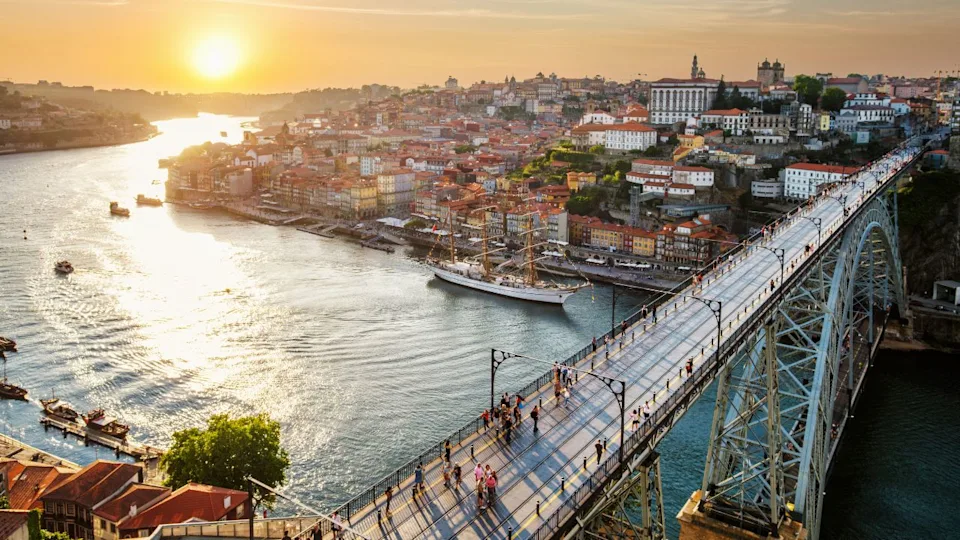
Image Credit: Shutterstock.
Porto in the off-season feels like a warm secret. Without the summer crowds, the city’s steep alleyways and riverfront promenades open up, letting you admire the Douro River without bumping elbows with hundreds of tourists. The Ribeira district becomes calmer, and the fog drifting over the river adds a cinematic touch that makes the old houses glow with character. It’s a time when you can wander aimlessly and still feel like you’re discovering something new at every turn.
The city’s famed port wine cellars become especially inviting in cooler months. Tastings are relaxed, guides spend more time sharing stories, and the cellars’ warm, oak-barrel interiors feel even cozier when it rains outside. Restaurants serve hearty northern Portuguese dishes that warm you from the inside, and in the off-season, securing a waterfront table becomes effortless.
Even Porto’s coastal walkways shine during the colder months. The Atlantic waves crash harder, seagulls circle above the rough surf, and the lighthouses beam through the mist. It’s a dramatic, romantic version of the city that summer travelers rarely get to experience.
Ljubljana, Slovenia
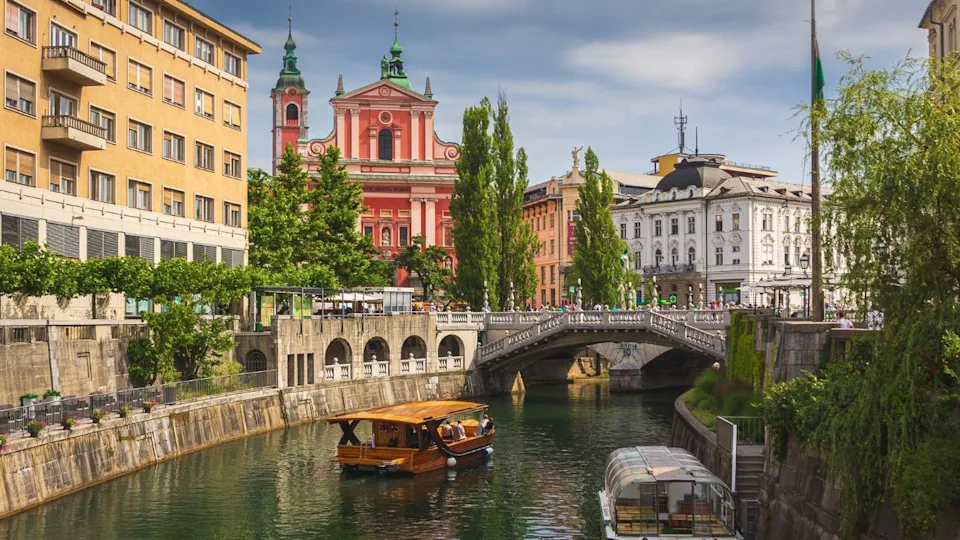
Image Credit : Shutterstock.
Ljubljana becomes irresistibly charming when the tourist rush fades. Its bridges and pastel buildings reflected in the calm winter river create postcard views that feel almost surreal. Without crowds, the old town is peaceful, and you can actually hear the soft hum of the river flowing beneath the iconic Triple Bridge. It’s the ideal setting for slow strolling, café hopping, and absorbing the city’s gentle character.
The castle overlooking Ljubljana feels more mysterious off-season. Fog often wraps the hill in a dreamy haze, and the views of red-roofed buildings below feel even more dramatic. You can tour the castle’s museums without lines and enjoy warm Slovenian dishes in the castle’s restaurant with panoramic views, something far harder during peak months.
Off-season Ljubljana also treats you to festivals, cozy markets, and surprisingly lively evenings. The locals reclaim the city, and the atmosphere becomes more authentic, filled with laughter spilling from wine bars and the aroma of roasted chestnuts drifting through the streets.
Seville, Spain

Image Credit: Shutterstock.
Seville sheds its blistering summer heat and transforms into a pleasantly warm haven when the crowds leave. Walking through the orange-scented streets without intense sun or tourist congestion makes the city’s architectural wonders even more enjoyable. The Real Alcázar’s courtyards feel serene, and the intricate tiles shimmer softly in cooler sunlight.
The city’s plazas come to life with locals chatting, musicians practicing, and café tables open for anyone who wants to sit and soak in Andalusian energy. Flamenco bars are easier to enter, and the performances feel more personal and authentic during this quieter period. With fewer visitors, you can truly hear every guitar strum and emotional cry of the singer.
Seville’s cuisine becomes especially comforting in cooler months. Rich stews, tapas, and warm churros with chocolate taste even better when enjoyed without the blazing heat. The city feels more intimate, more soulful, and more authentically Spanish in its off-season rhythm.
Bruges, Belgium

Image Credit: Shutterstock.
Bruges is famously crowded in summer, but once the off-season arrives, it turns into a medieval fairy tale. The canals become mirror-smooth, reflecting gabled houses under soft winter light. Without tour groups filling the narrow alleys, wandering Bruges suddenly becomes peaceful and deeply atmospheric, like stepping into a storybook.
Chocolate shops, lace boutiques, and cozy cafés become havens of warmth. You can savor Belgian hot chocolate beside a glowing window while light rain taps against the cobblestones outside. Museums and historic sites like the Belfry or the Basilica of the Holy Blood feel more spiritual and intimate when you explore them quietly.
Evenings in off-season Bruges are especially enchanting. Streetlamps illuminate empty lanes, canal bridges glow softly, and the city hums at a slow, romantic pace. It’s the kind of quiet charm that summer travelers never get to see.
Split, Croatia

Image Credit:Shutterstock.
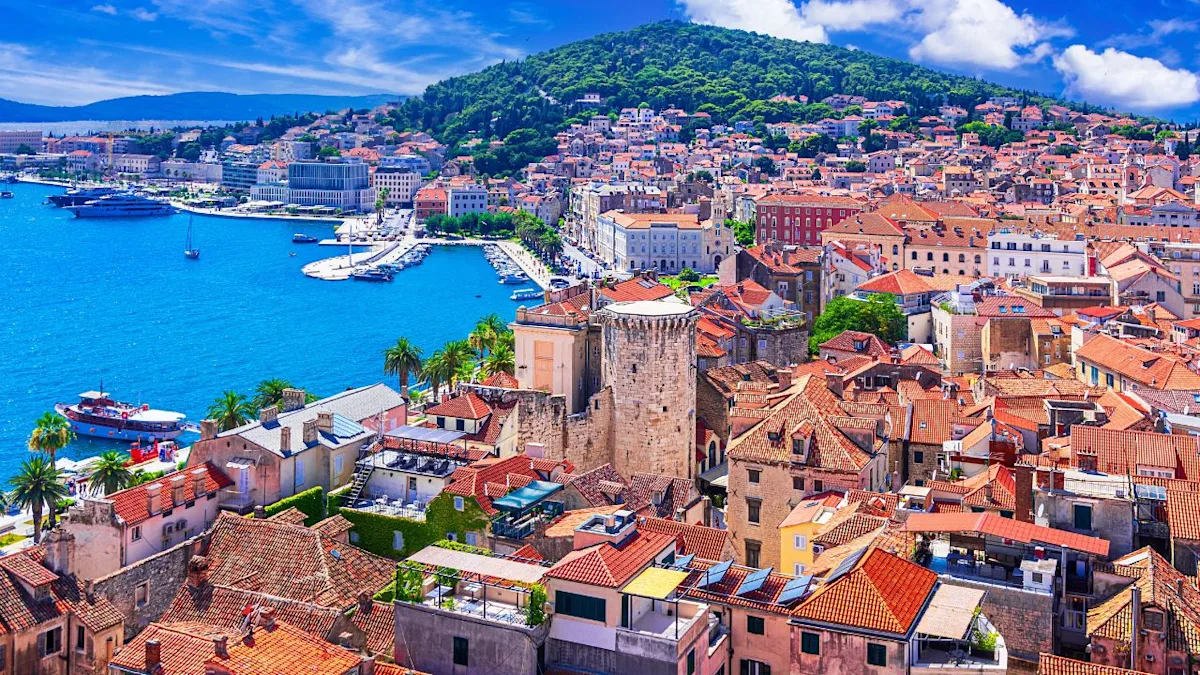
Split without summer crowds is a revelation. Diocletian’s Palace, normally thronged with tourists, becomes a serene maze of ancient stone corridors and open courtyards where you can truly absorb the weight of history. The absence of crowds reveals the palace’s haunting beauty, with echoes of footsteps replacing the summer commotion.
The Riva promenade feels more local and intimate. People sip coffee at outdoor tables, watch the sea roll in, and chat leisurely without the frantic energy of high season. The Adriatic coast has a crisp, refreshing feel in the off-season, and the sunsets over the harbor become even more dramatic.
Nearby islands like Brač and Hvar are still accessible and wonderfully quiet during this time. Hiking trails, pebble coves, and pine forests feel untouched, giving the region an almost private, tranquil beauty reserved for off-season explorers.
Athens, Greece

Image Credit: Shutterstock.
Athens in off-season feels like a gift. The Acropolis, usually swarmed with visitors, becomes a calm, majestic site where you can admire the Parthenon without rushing. Cooler temperatures make climbing the hill more enjoyable, and the panoramic views of the city stretch endlessly beneath crisp blue skies.
Neighborhoods like Plaka and Monastiraki feel more authentic when locals reclaim their streets. You can browse antique shops, sample street food, and enjoy outdoor seating without competing for space. Even popular tavernas are easier to enter, and you get better service and more relaxed dining experiences.
The city’s museums become delightfully uncrowded, letting you take your time with ancient artifacts. The buzz of Athens is still there, just gentler, more human, more engaging. It becomes a city you don’t just visit but truly experience.
Tallinn, Estonia

Image Credit:Shutterstock.
Tallinn is enchanting any time of year, but off-season it becomes nothing short of magical. The medieval Old Town feels like a set from a fantasy film, especially when mist drifts through its narrow lanes or snow dusts its red rooftops. Cobblestone streets that are packed in summer become silent and intimate.
Cafés and taverns glow warmly, offering hearty Estonian dishes, spiced teas, and mulled wine. You can sit near a window and watch the medieval world outside while locals chat quietly around you. Tallinn’s towers, fortified walls, and gothic churches feel even more dramatic against winter light.
Museums, craft shops, and viewpoints are easy to explore at your own pace. Off-season Tallinn feels like a private world, untouched, serene, and impossibly atmospheric.
Florence, Italy
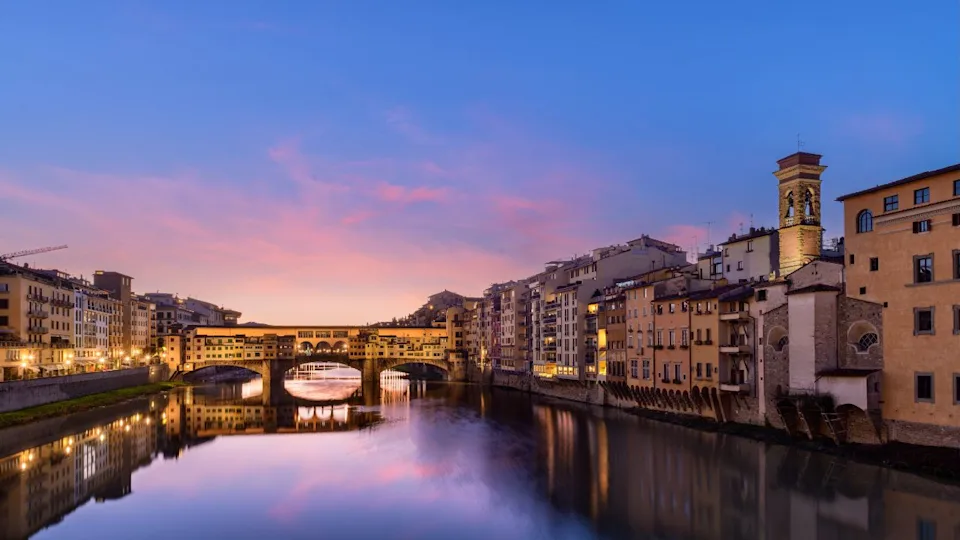
Image Credit: Shutterstock.
Florence becomes infinitely more enjoyable when the crowds disappear. You can walk across the Ponte Vecchio without being crushed by tourists, and the Duomo’s square feels spacious enough to take in its grandeur without distraction. The city’s Renaissance masterpieces shine brighter when viewed in quiet galleries.
The Uffizi and Accademia have shorter lines, if any, allowing you to admire Botticelli, Michelangelo, and da Vinci without rushing. Even wandering through Florence’s narrow streets becomes a pleasure when you’re not pushing through crowds.
Florence’s off-season food scene is pure comfort. Truffle dishes, hearty ribollita soup, roasted meats, and Chianti wine warm you from the inside. The city’s cozy trattorias and cafés feel even more romantic under soft winter light.
Edinburgh, Scotland

Image Credit: Shutterstock.
Edinburgh in off-season has a moody, dramatic allure. The Royal Mile feels atmospheric with mist drifting over the ancient stone buildings, and the castle looms even more boldly above the city. Without peak-season crowds, you can stroll silently through history.
Arthur’s Seat offers crisp, windy hikes with panoramic winter views, fewer people and more space to breathe. Museums and galleries are restful, the perfect shelter from occasional cold. The city’s literary cafés and old pubs glow with warm lights, offering hearty meals and quiet corners.
Edinburgh’s cultural life doesn’t fade in off-season. Concerts, small festivals, and cozy theatre performances keep the city alive, but without the chaos of summer tourists.
Valletta, Malta

Image Credit: Shutterstock.
Valletta’s off-season warmth makes it a dream escape. The golden stone buildings glow under softer winter sunlight, and the narrow streets feel quiet and elegant. You can wander its UNESCO-listed squares freely, admiring architecture that blends Baroque beauty with Mediterranean charm.
The waterfront becomes peaceful, with fishing boats rocking gently and cafés offering panoramic harbor views. With fewer visitors, ferry rides to the Three Cities or Sliema feel almost private. Malta’s mild climate ensures outdoor exploring remains comfortable and pleasant.
Inside museums and historical sites, you’ll find time to absorb the island’s rich past. Valletta’s off-season is a blend of calmness, culture, and sunshine that feels luxurious without the price tag.
Innsbruck, Austria

Image Credit : Shutterstock.
Innsbruck in off-season is a stunning mix of mountain serenity and urban charm. Snow-capped peaks surround the city, and the historic Old Town becomes a peaceful place to wander. With fewer crowds, you can enjoy its colorful facades and medieval lanes in complete tranquility.
Cable car rides offer unobstructed views of winter landscapes, and ski slopes nearby become less chaotic. Even if you don’t ski, the crisp alpine air and scenic trails make Innsbruck a perfect outdoor retreat.
When you’re ready to warm up, local cafés, bakeries, and beer halls offer hearty Tyrolean dishes. The slower pace of off-season Innsbruck makes it feel like an intimate alpine hideaway.
Córdoba, Spain
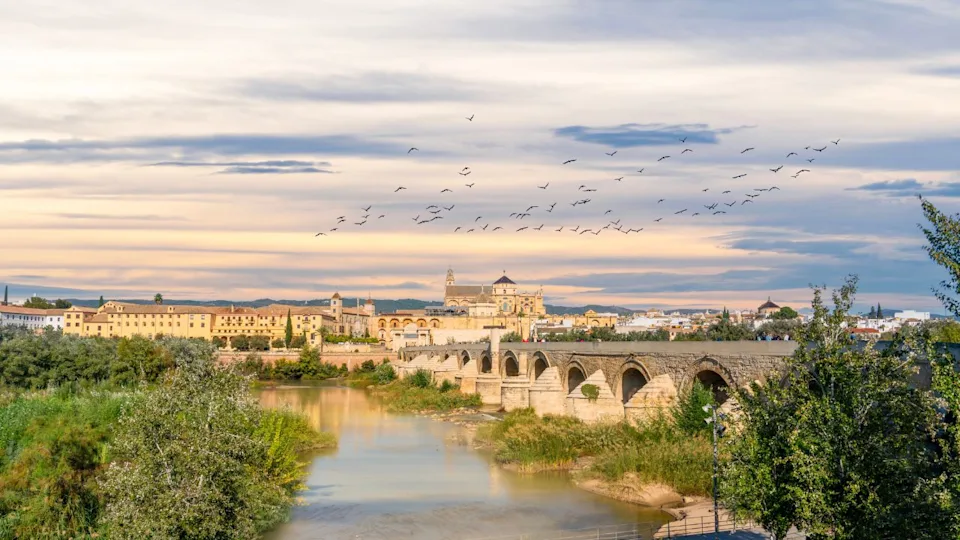
Image Credit: Shutterstock.
Córdoba is at its best when the tourists disappear and the heat fades. The Mezquita, one of Europe’s greatest architectural masterpieces, becomes far more serene in off-season. Walking through its endless arches without crowds creates an almost spiritual experience.
The old Jewish Quarter transforms into a quiet labyrinth of whitewashed houses and cobblestone streets. Hidden patios with climbing flowers and trickling fountains are easier to appreciate when you’re not squeezed between tour groups.
Córdoba’s markets serve warm comfort foods, and local restaurants offer calm, intimate settings. The city’s subtle elegance and deep history shine brightest when seen slowly and quietly.
Bergen, Norway
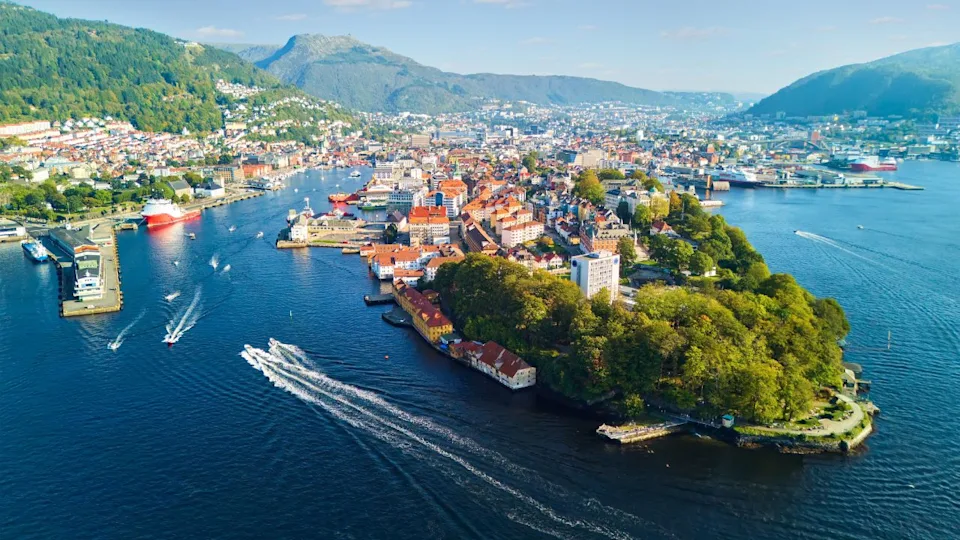
Image Credit: Shutterstock.
Bergen’s off-season is a misty, dramatic delight. The colorful wooden buildings of Bryggen, reflected in the harbor’s mirrored surface, feel even more dreamlike in winter light. Occasional rain or fog lends the city an atmosphere straight out of Nordic folklore.
The Fløibanen funicular takes you above the city to breathtaking vistas, and with fewer visitors, the hiking trails are blissfully quiet. You can wander among fjords, forests, and mountain views at your own pace.
Local seafood restaurants, cozy cafés, and indoor markets offer warmth, fresh dishes, and an authentic Norwegian vibe. Off-season makes Bergen calmer, more contemplative, and undeniably magical.
Kraków, Poland

Image Credit : Shutterstock.
Kraków’s off-season charm is subtle and unforgettable. The Main Market Square becomes spacious and peaceful, with horse carriages moving slowly across the cobblestones. Historic buildings glow warmly against the cool air, and walking toward Wawel Castle feels like stepping into a painting.
Kazimierz, the Jewish Quarter, feels more intimate during this time. You can explore synagogues, street art, and vintage cafés without rushing. The atmosphere is thoughtful, artistic, and wonderfully slow.
Hearty Polish winter dishes, pierogi, soups, slow-cooked meats, taste even better in cooler weather. Kraków’s off-season is a perfect blend of history, comfort, and quiet beauty.