

Greece has a magic that’s hard to replicate, the whitewashed villages, sapphire waters, sun-drenched plazas, and slow, coastal rhythm that makes everything taste better and feel softer. What many travelers don’t realize is that echoes of Greece appear all across Europe.
From the Adriatic to the Iberian coastline, there are cities that capture that same breezy Mediterranean charm even though they’re nowhere near the Cyclades. These destinations deliver Greek-style scenery, beaches, architecture, and atmosphere without the crowds, or the prices, of classic Greek hotspots.
Whether you’re dreaming of blue-roof landscapes, harbors lined with fishing boats, ancient ruins, or long lunches under bougainvillea, these 13 cities will surprise you. They may not be Greek, but spend an afternoon wandering their alleys or sipping wine by the water, and you’ll swear you’ve landed somewhere between Naxos and Paros. These are the European places that might just fool your senses, in the best possible way.
Otranto, Italy

Image Credit:Shutterstock.
Tucked along Puglia’s sun-bleached coastline, Otranto offers the same whitewashed buildings, cobalt water, and salt-touched air that define so many Greek island towns. Its historic center spills toward the sea in a maze of narrow lanes, seaside cafes, and breezy terraces that look straight out of the Aegean. The Adriatic glows with the same turquoise clarity visitors associate with Mykonos or Zakynthos, giving the entire waterfront a dreamy, ethereal quality.
Otranto’s ancient castle and cathedral add a layer of history that feels strikingly Greek as well. Much like Rhodes or Crete, the town blends Byzantine, Roman, and Mediterranean influences that are visible in its mosaics, fortifications, and labyrinthine old quarter. It’s the kind of place where every corner whispers centuries of layered coastal life.
Long afternoons here mirror the relaxed pace travelers seek in Greece: long seafood lunches, lazy beach hours, and evening strolls along the lungomare as the sky turns tangerine. Otranto may be Italian, but its spirit is unmistakably Aegean.
Rovinj, Croatia
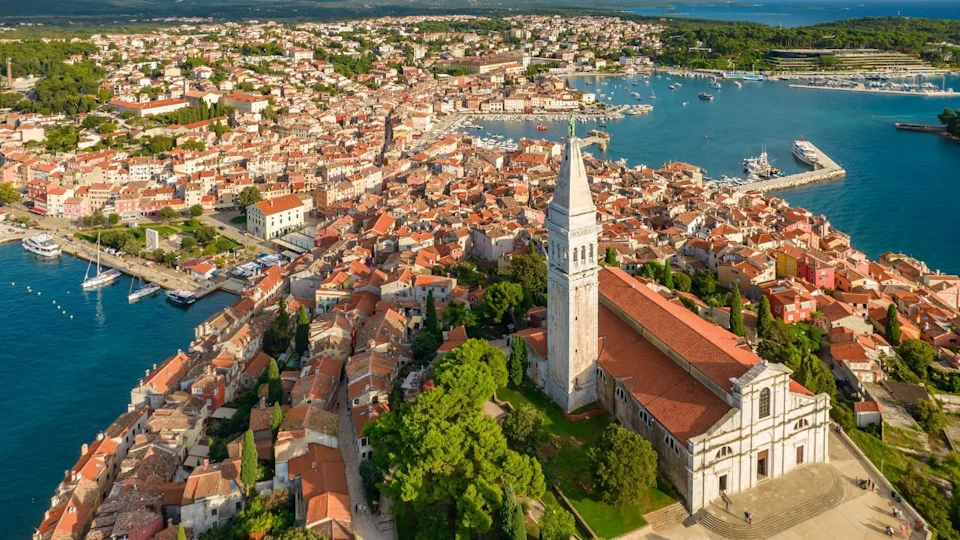
Image Credit: Shutterstock.
Rovinj’s old town rises from the sea with a cascade of red roofs, pastel walls, and steep stone alleys, a scene that could be mistaken for a Greek fishing village at first glance. The water surrounding the peninsula is bright, clear, and impossibly blue, reflecting sunlit boats and rocky coves that look like they belong somewhere in the Ionian Sea.
The town’s Mediterranean lifestyle draws the same kind of traveler who loves Greece: unhurried wanderers who want wine at sunset, daily swims, and evenings by the water. Rovinj’s harborside cafes and tiny trattorias evoke the same romance found in smaller Greek islands, especially once the sun begins to set and everything turns golden.
What really amplifies the Greek feeling is Rovinj’s balance of authenticity and beauty. The town hasn’t been overly commercialized, so the rhythm of local life still dominates. You’ll spot fishermen repairing nets, residents strolling with gelato, and neighbors chatting from balcony to balcony, exactly the kind of lived-in charm that makes Greece irresistible.
Colmar, France
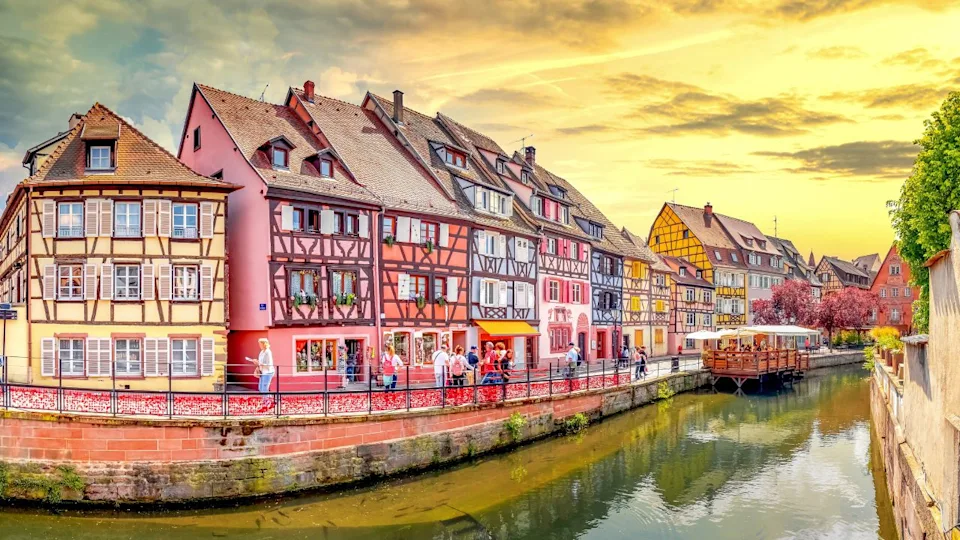
Image Credit: Shutterstock.
Though Colmar is famous for its fairy-tale Alsatian architecture, many visitors are surprised by how much of its lifestyle resembles Greece’s, especially when it comes to slow living, emphasis on community, and sunny outdoor culture. The riverfront terraces, flower-draped balconies, and colorful, sunlit streets create the same kind of cheerful atmosphere you find in Greek coastal towns.
Colmar’s vibrant food culture mirrors the sociable, outdoor Greek dining scene. Long lunches, fresh regional dishes, and wine-filled evenings define the local rhythm. People linger outdoors, talk loudly across tables, and treat meals as social experiences, not rushed obligations. It’s a lifestyle that immediately reminds travelers of Greece’s taverna culture.
Even the weather in summer contributes to the illusion. Warm days, bright skies, and bustling town squares make it a perfect destination for the kind of slow, easy exploration so many visitors crave in Greece. Colmar may not have a coastline, but its sunny, joyous ambiance feels surprisingly Hellenic.
Lagos, Portugal
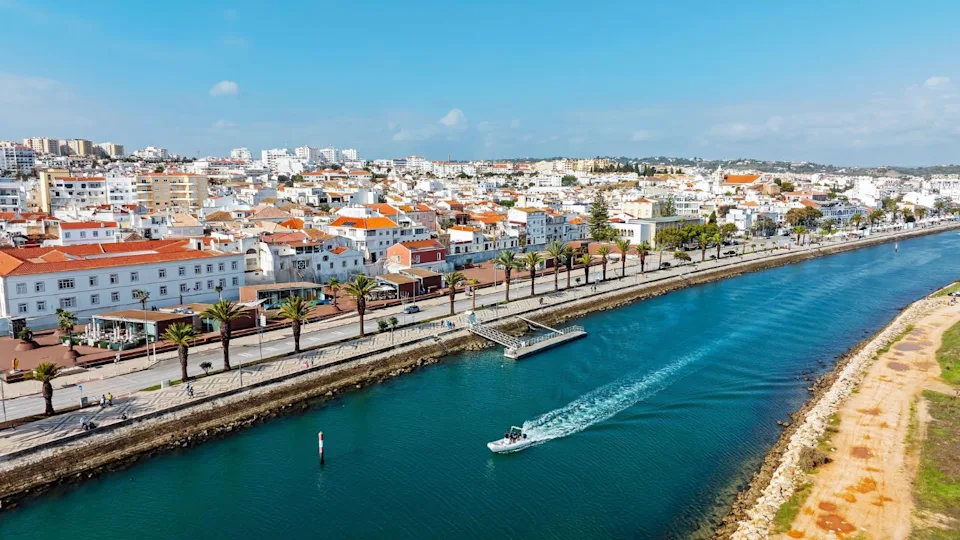
Image Credit;Shutterstock.
Lagos delivers the dramatic cliffs, crystal-blue water, and sun-drenched beaches that many travelers associate exclusively with Greece. Ponta da Piedade’s limestone formations could easily be mistaken for the rugged coastline of Zakynthos or Kefalonia, with their golden arches rising above neon-blue water.
The old town of Lagos also channels that breezy Greek island aesthetic, from whitewashed alleys to flower-lined courtyards and open-air dining everywhere you turn. Its lively atmosphere blends local tradition with seaside charm in a way that feels very similar to towns in the Cyclades.
What seals the Greek comparison is the vibe. Lagos is relaxed but vibrant, buzzing at sunset but peaceful in the morning, and full of small, family-run restaurants serving grilled seafood and fresh produce. Travelers come for the beaches, and stay because it feels like Mediterranean paradise.
Cádiz, Spain
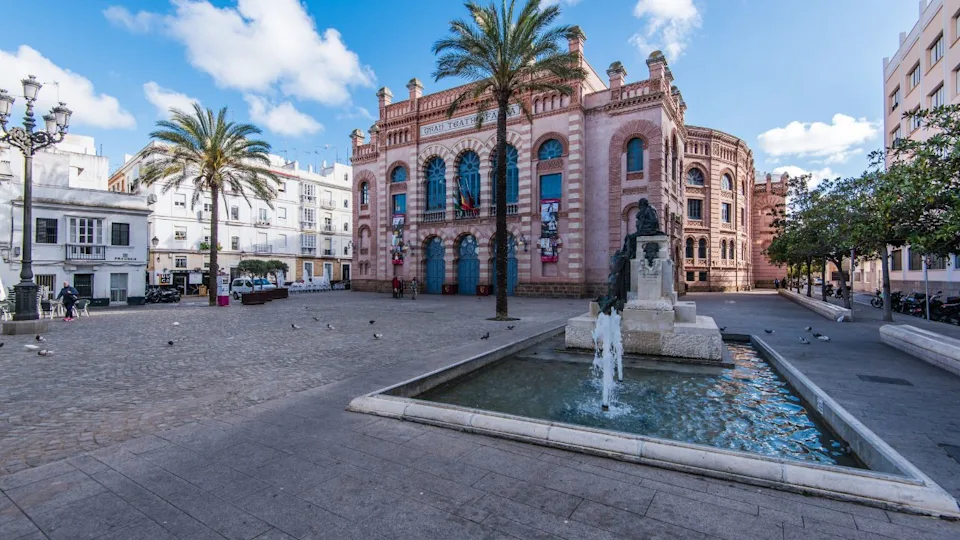
Image Credit:Shutterstock.
Sun-drenched Cádiz feels more Greek than Spanish thanks to its white buildings, endless coastline, and narrow lanes that twist toward the sea. The old town sits on a peninsula surrounded by water so bright it almost looks tropical. At first glance, the city could be mistaken for a Greek port, especially from La Caleta Beach, where the golden fortress resembles something straight out of the Dodecanese.
Cádiz also shares a Mediterranean rhythm: slow mornings, siestas, late dinners, and outdoor gatherings that stretch well into the night. Its plazas are filled with laughter, music, and the warm communal energy often associated with Greece’s open-air culture.
What really ties it all together is the seafood. Fresh catch, simple preparation, and family-run eateries create a dining experience that feels unmistakably Greek, just served with a Spanish twist.
Procida, Italy
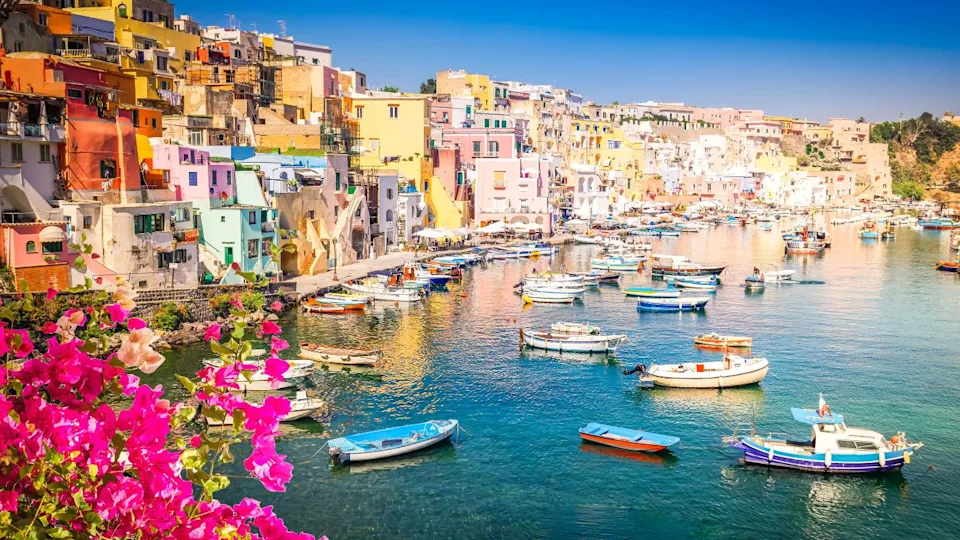
Image Credit:Shutterstock.
While most tourists rush to Capri or Amalfi, Procida remains a pastel-painted gem that feels more like a secret Greek island than a famous Italian escape. The fishermen’s marina, lined with candy-colored homes, looks astonishingly similar to Symi or Kastellorizo, quiet, colorful, and undeniably Mediterranean.
Its slow pace is its superpower. Locals ride bicycles, laundry hangs above alleyways, and boats bob softly in the harbor. There’s no rush here, and that lack of urgency creates the same dreamlike calm travelers seek in Greece. Every corner feels like a postcard, yet never overly polished or commercialized.
The beaches, tiny trattorias, and cliffside views complete the illusion. Procida may belong to Italy, but its heart beats like a Greek island, simple, authentic, and drenched in sunlight.
Hvar Town, Croatia
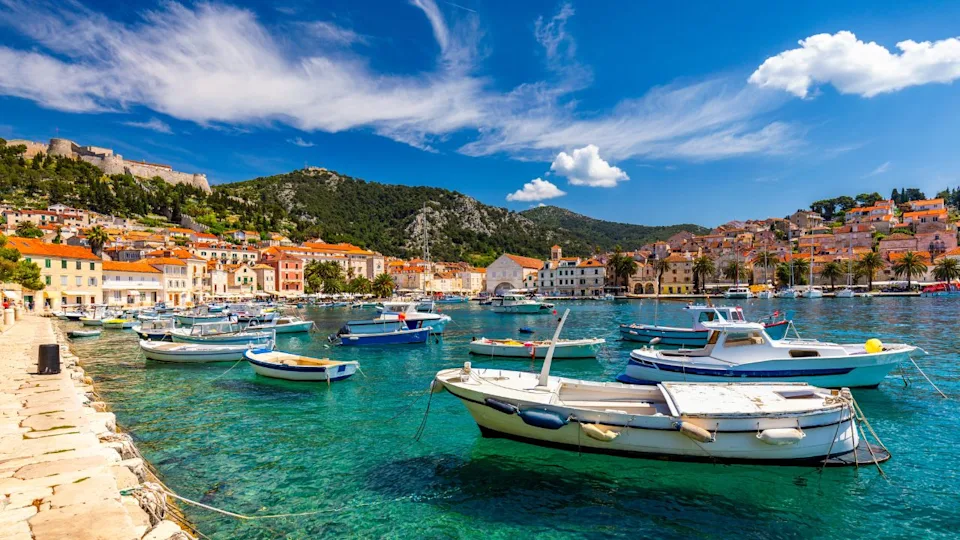
Image Credit : Shutterstock.
Hvar Town offers a blend of ancient architecture, harbor views, and sun-kissed landscapes that feel strikingly similar to Greek hotspots like Paros or Hydra. Its white stone buildings gleam under the Adriatic sun, and the town square, one of the largest in Croatia, radiates Mediterranean beauty.
The marina’s lively atmosphere, with sailboats lining the promenade and cafes spilling onto the pavement, mirrors Greece’s most picturesque coastal towns. Hvar’s historic fort, rising above the town, completes the scene with sweeping views that could compete with any Greek island lookout.
Even the lifestyle aligns perfectly: late dinners, long walks, cafe culture, and seaside lounging. The mix of turquoise water, slow afternoons, and elegant evenings makes Hvar feel almost Greek, but with its own Croatian charm.
Tarifa, Spain
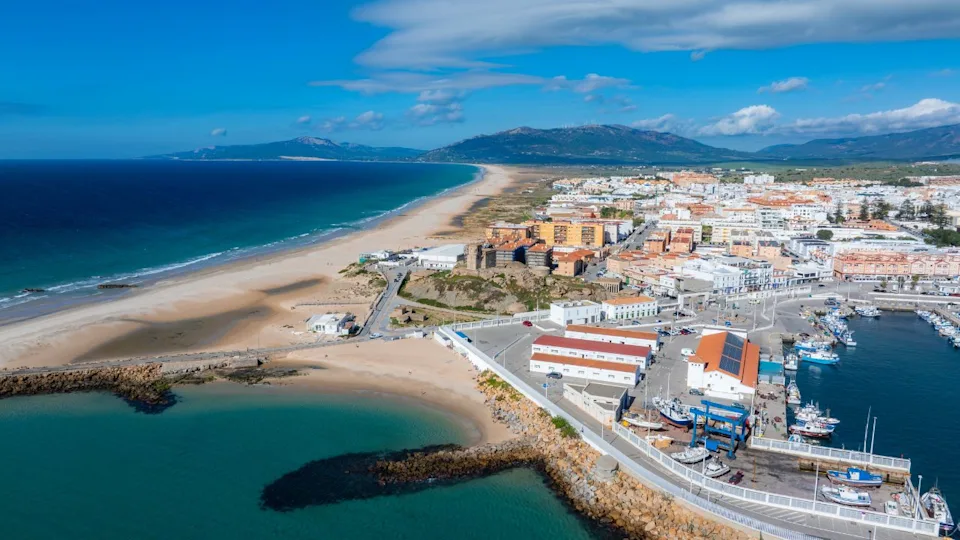
Image Credit:Shutterstock.
Tarifa, the meeting point of the Mediterranean and the Atlantic, channels Greek island energy with its whitewashed center, bohemian vibe, and blue-shuttered houses. The town’s narrow historic alleys look like they were borrowed from the Cyclades, complete with breezy cafes and bursts of bougainvillea.
Its beaches are long, golden, and windswept, perfect for kite surfers and sunset lovers. The coastline here is visually stunning, with shimmering water and distant views of Africa that create a surreal panorama reminiscent of Greece’s dramatic coastal scenery.
Tarifa’s laid-back lifestyle only amplifies the illusion. People walk barefoot from beach to bar, dogs nap in the shade, and evenings are spent over tapas and wine just steps from the sea. It’s effortlessly Mediterranean, unmistakably Greek in spirit.
Valletta, Malta

Image Credit:Shutterstock.
Valletta’s honey-colored stone, sunlit balconies, and dramatic sea views could easily be mistaken for the architecture of Greek coastal cities. The fortress walls rise from the water in the same dramatic fashion as old Greek port towns like Nafplio or Rhodes Town.
Its lifestyle is equally Mediterranean: alfresco dining, bustling markets, and long evenings spent under warm skies. Cafes line the streets, families gather outdoors, and sunsets wash the city in warm gold, the kind of romantic atmosphere many travelers associate with Greece.
Valletta’s proximity to crystal-clear lagoons and hidden coves only enhances the comparison. The Blue Lagoon, in particular, looks like something pulled straight from the Greek islands, luminous, serene, and impossibly blue.
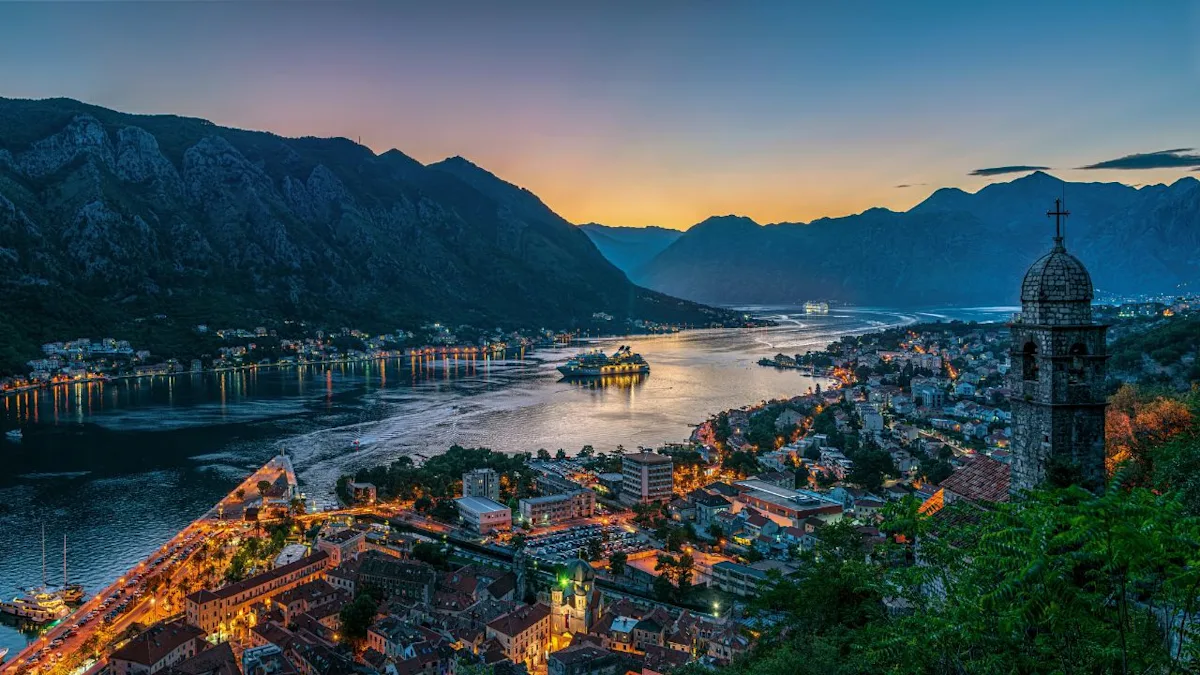
Kotor, Montenegro
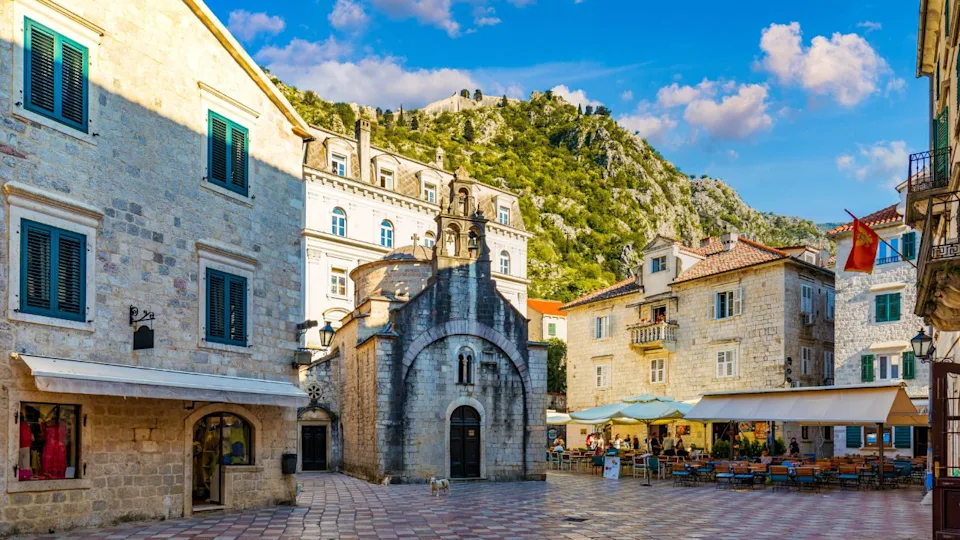
Image Credit:Shutterstock.
Kotor’s stone-built old town, secluded bay, and rugged mountains combine to create a landscape that feels like a fusion of Greek coastal villages and dramatic island geography. The old city’s narrow pedestrian paths resemble medieval Greek towns, filled with cats, cafés, and history around every corner.
The bay’s reflective, glassy water adds a serene, island-like charm. While the scenery is more fjord-like than Greek, the vibe is unmistakably Mediterranean, warm, communal, and slow. It has that same calming effect that Greek coastal destinations are known for.
Even the local cuisine mirrors Greek flavors: grilled fish, olive oil, fresh herbs, and seaside dining that goes late into the night. It’s a different country, but a familiar mood.
Albufeira, Portugal

Image Credit : Shutterstock.
With its whitewashed old town perched above turquoise water, Albufeira looks so much like a Greek island settlement that many travelers do a double-take. The bright, sunlit cliffside buildings strongly resemble those of Santorini, just without the volcanic drama.
The beaches here rival Greek shores in both clarity and beauty. Hidden coves, golden cliffs, and gentle waves create a postcard-perfect setting that feels incredibly similar to destinations in the Cyclades or Ionian islands.
Evenings in Albufeira capture the same joyful spirit found in Greece: bustling taverns, music drifting through the streets, and squares filled with people chatting over seafood and wine. It’s lively, colorful, and full of that unmistakable Mediterranean energy.
Korčula Town, Croatia
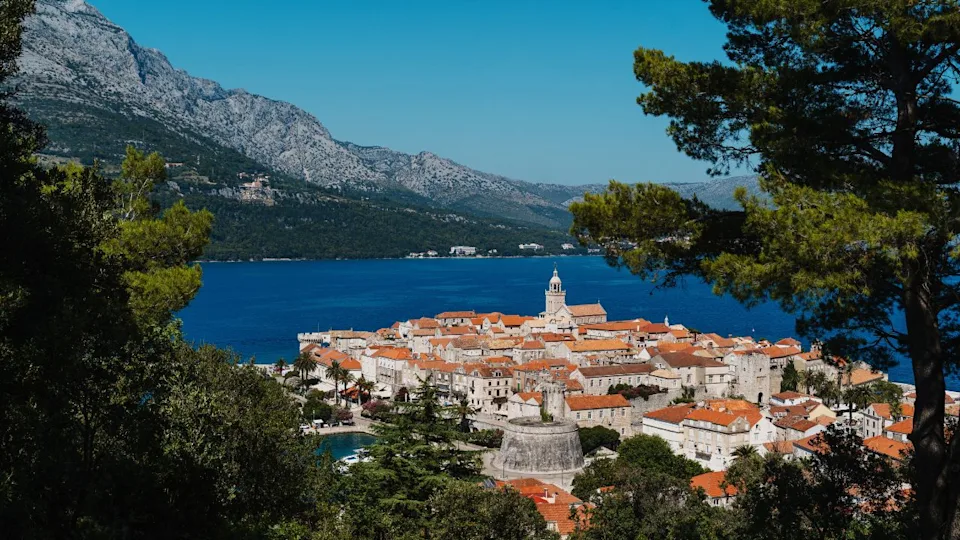
Image Credit: Shutterstock.
Often called “Little Dubrovnik,” Korčula also feels surprisingly Greek thanks to its seaside setting, laid-back atmosphere, and maze of sunlit stone alleys. The old town’s fortified layout and historic charm resemble many Greek harbor towns that blend medieval features with Mediterranean beauty.
The water here is a stunning shade of blue, clear enough to see the rocky bottom even several meters down. Locals swim at sunset, boats drift along the shoreline, and waterfront restaurants fill with diners seeking fresh seafood, a daily rhythm that could fit perfectly on a Greek island.
Korčula’s emphasis on tradition, wine culture, and family-run restaurants makes visitors feel like they’ve stepped into an authentic Mediterranean haven. It’s Greek in spirit, Croatian in address.
Monopoli, Italy
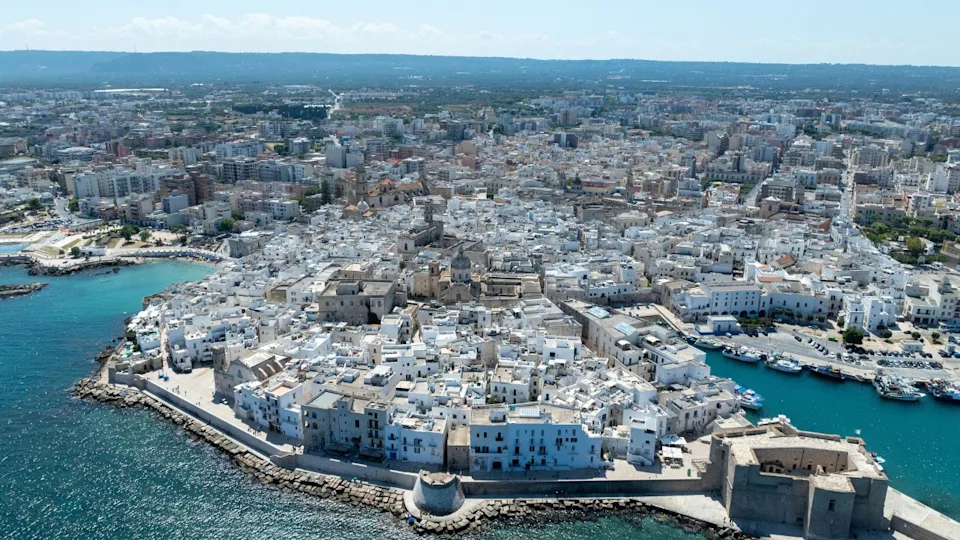
Image Credit : Shutterstock.
Monopoli’s old town glows with white stone, blue accents, and sun-drenched courtyards that look so Greek you might wonder if you accidentally sailed into the Cyclades. The houses are simple, bright, and beautifully aged, the same kind of effortless charm that draws travelers to Greek island architecture.
The coastline is dotted with tiny rock beaches, crystal-clear coves, and boats anchored in shallow turquoise water. It’s almost impossible to distinguish some views from those in Naxos or Milos, especially when sunlight hits the water just right.
Monopoli’s rhythm seals the deal: families out for evening walks, laughter echoing through alleyways, and long dinners stretching late into the night. It’s Italy with a Greek soul, the best of both worlds.